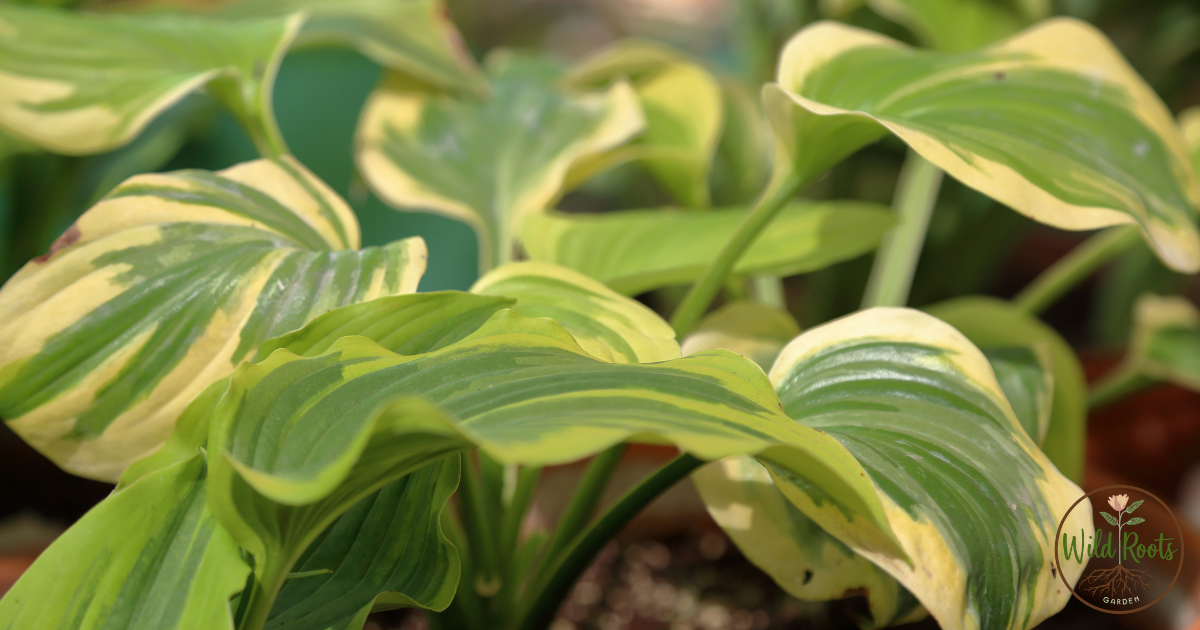
If you are looking to inject instant, electric color into the dark, shady corners of your garden, nothing competes with caladiums. With their translucent, heart-shaped leaves painted in neon pinks, striking whites, and deep forest greens, they look less like a standard garden plant and more like a collection of living watercolors.
But for gardeners in USDA Zone 8, caladiums come with a classic dilemma: Are they annuals, or can they be perennials?
Technically, these tropical natives are tender perennials that only thrive year-round in the frost-free zones of 9 to 11. In Zone 8, where winter temperatures routinely drop down to 10°F to 20°F, standard advice tells you to treat them as annuals or dig up the tubers every single autumn.
However, because Zone 8 sits right on the geographic borderline, you can absolutely get away with leaving them in the ground to return year after year. You just have to know the secret to overwintering them properly.
The Real Enemy: Wet Cold, Not Just Cold
The biggest misconception about caladiums is that frost kills the tubers. While a frozen tuber will certainly turn to mush, what actually destroys them in a Zone 8 winter is cold, waterlogged soil.
In their native tropical habitats, caladiums experience a warm, dry dormant season. If a Zone 8 winter brings weeks of cold, heavy rain while the tubers are dormant, they will rot long before the spring sun has a chance to wake them up.
To bypass this, you need to set them up for success from day one using a specific planting and protection protocol.
The Zone 8 Caladium Protocol
If you want your caladiums to survive the winter and return even bigger next spring, follow this sequence when planting and maintaining them:
Fancy vs. Strap Leaf: Picking the Right Variety
Not all caladiums handle ambient weather the same way. When shopping for your garden, you will generally run into two distinct leaf shapes:
-
-
Fancy-Leaf Caladiums: These feature massive, heart-shaped leaves. They are highly sensitive to cold and require deep, full shade. If they get hit by early spring direct sunlight, their thin leaves will scorch.
-
Strap-Leaf Caladiums: These have narrower, arrowhead-shaped leaves. They are structurally tougher, significantly more tolerant of partial sunlight, and tend to handle the transitional cooler days of early spring and late autumn a bit better in Zone 8.
-
The Trade-Off: In-Ground vs. Digging Up
Before you commit to leaving your tubers in the dirt all winter, weigh the pros and cons to see which approach matches your gardening style:
| Strategy | Advantages | Disadvantages |
| Leaving In-Ground (Perennial) | Zero digging labor; plants establish massive, mature root structures over time; earlier summer leaf-out. | Risk of loss during an unusually harsh winter; requires heavy mulching cleanup. |
| Digging Up (Annual Routine) | 100% guarantee of tuber survival; easy to divide bulbs in winter; can rearrange your garden layout entirely. | High labor input every October; requires a cool, dry indoor storage space that stays around 60°F. |
Pro-Tip on Spring Patience: Don’t panic if your perennial caladiums haven’t shown their faces by April. Caladium tubers are notoriously heavy sleepers. They will completely ignore warm air temperatures until the actual soil temperature consistently hits 70°F. In Zone 8, this often means you won’t see sprouts until late May or even early June—but once they wake up, they grow rapidly!