Skip to content
wild roots garden
  • Home
  • About Us
  • Privacy Policy
  • Terms and Conditions
  • Disclaimer
  • DMCA
  • Contact Us
  • Home
  • Vegetable
  • Yellow Squash Rotting on The Vine
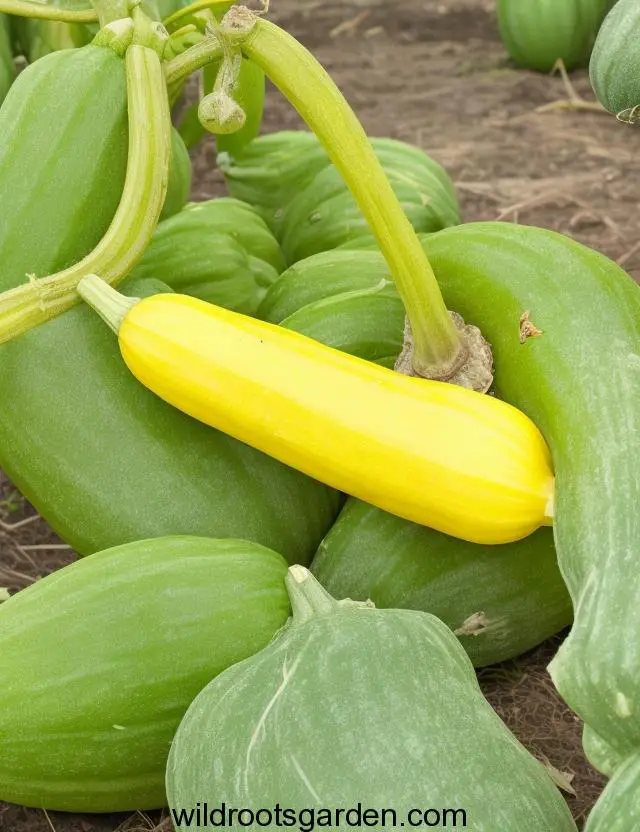
Deliberate 11 Yellow Squash Rotting on The Vine 02

Yellow Squash Rotting on The Vine

Posted on December 7, 2023June 1, 2026 By Maggie Poissant No Comments on Yellow Squash Rotting on The Vine
Vegetable

Discover the heartbreak of watching your vibrant yellow squash wither away on the vine. Learn how to prevent and manage rotting, preserving the joy of homegrown produce.

  • ? Why yellow squash rot on the vine.
  • ? Signs of rot and what causes it.
  • ? Prevention methods for healthier squash.
  • ? Saving your squash and salvaging the harvest.

Imagine the anticipation of nurturing your vibrant yellow squash plants, tenderly tending to them as they stretch toward the sun, and eagerly awaiting the moment when you can savor their deliciousness. Then, suddenly, your heart sinks as you notice the telltale signs of rotting squash on the vine. It’s a gardener’s heartbreak, but fear not – we’re here to guide you through the process of understanding, preventing, and managing this frustrating issue.
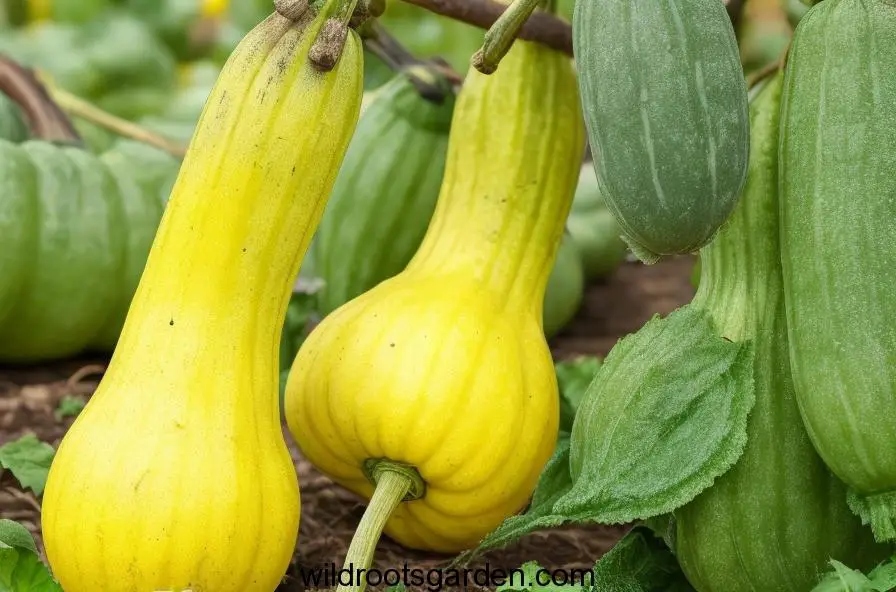
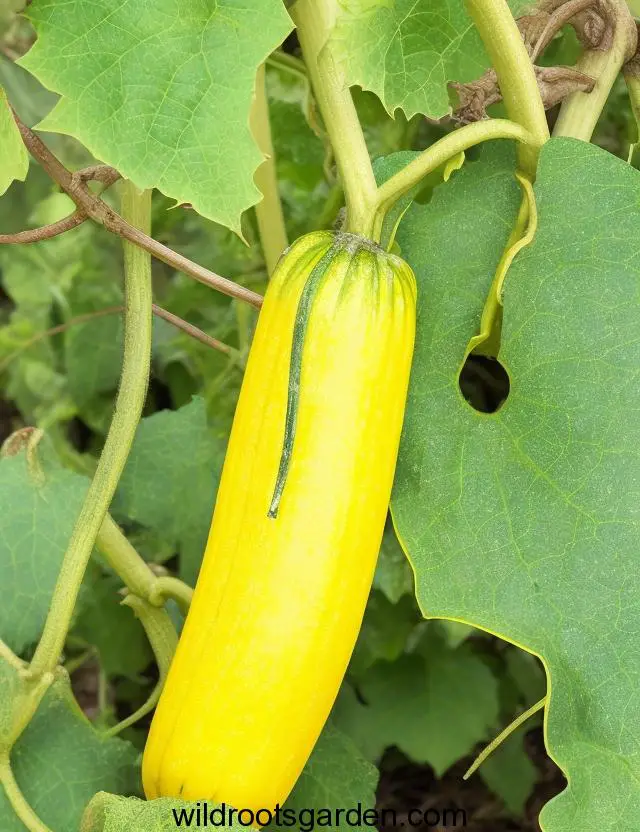
Deliberate 11 Yellow Squash Rotting on The Vine 0

Why Yellow Squash Rot on the Vine:

Yellow squash, like any other vegetable, can fall victim to various environmental factors and diseases. Understanding the causes of rot is crucial in preventing it. Some common culprits include:

  1. Overwatering: Excessive moisture around the base of the plant can lead to rot, especially in poorly draining soil.
  2. Fungal Infections: Fungi such as powdery mildew can attack the leaves and fruit, causing decay.
  3. Poor Air Circulation: Squash plants need adequate airflow to prevent moisture buildup, which contributes to rot.
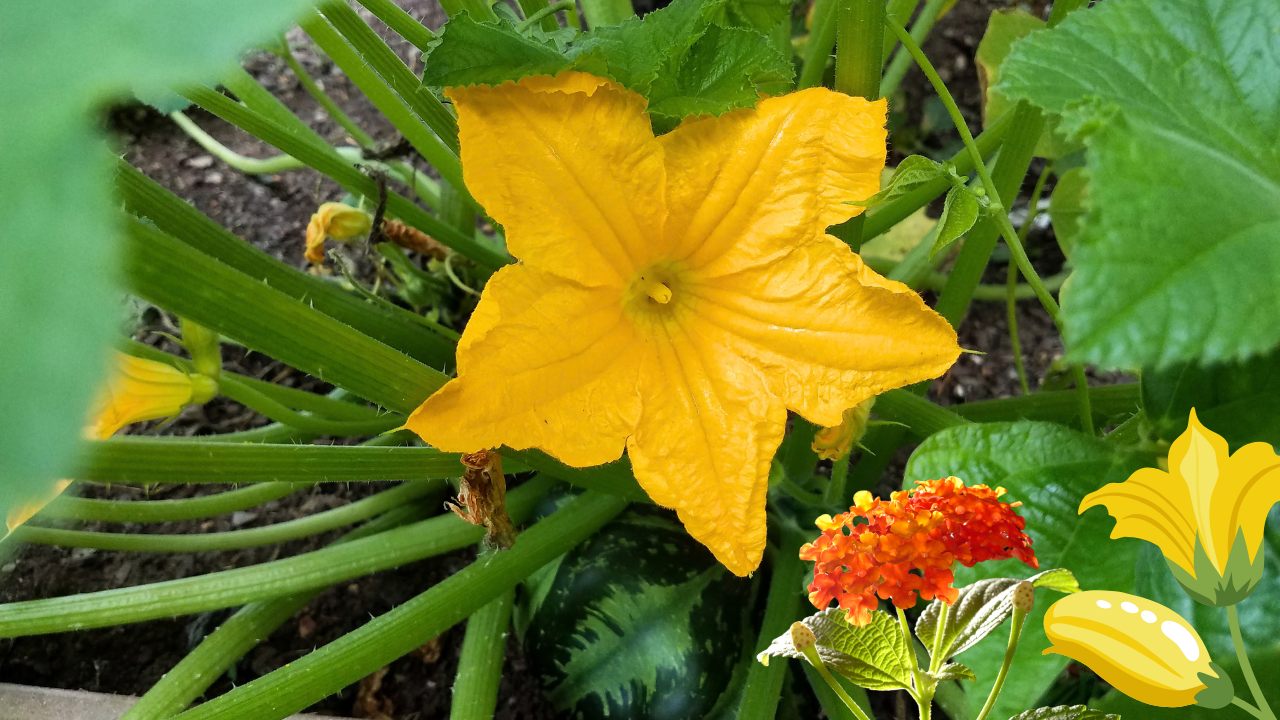
  4. Inadequate Pollination: Without proper pollination, squash can develop misshapen or unhealthy fruit, which is more susceptible to rot.
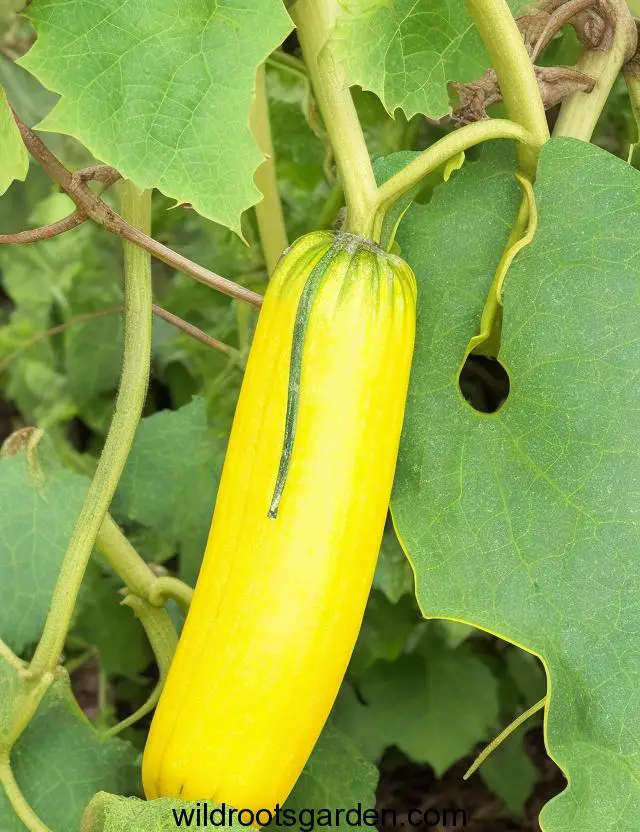
Deliberate 11 Yellow Squash Rotting on The Vine 01 1
Deliberate 11 Yellow Squash Rotting on The Vine 1
Deliberate 11 Yellow Squash Rotting on The Vine 01

Signs of Rot and What Causes It:

Read moreProtect Strawberries from Ants: Simple, Effective Solutions

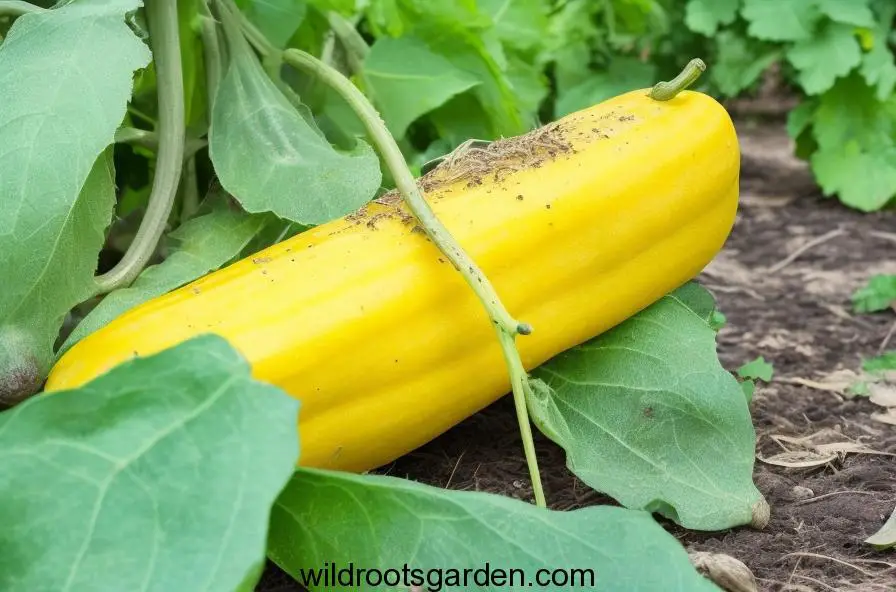
Identifying rotting squash early is essential for effective intervention. Look out for these signs:

  • Soft, mushy areas on the squash.
  • Brown or black spots that grow in size.
  • A foul odor emanating from the fruit.
  • Mold or mildew on the surface.
  • Leathery or wrinkled skin.

Prevention Methods for Healthier Squash:

Preventing squash rot starts with proper care and vigilant observation:

  1. Water Wisely: Water at the base of the plant early in the day, allowing the soil to dry out between watering sessions.
  2. Prune Regularly: Remove excess foliage to improve air circulation and reduce humidity around the squash.
  3. Fungicide Treatment: Apply a suitable fungicide as a preventive measure or as soon as you notice signs of disease.
  4. Pollination Assistance: Encourage pollinators like bees to visit your garden, or hand-pollinate if necessary.
  5. Well-Draining Soil: Ensure your squash plants are in well-draining soil to prevent waterlogged roots.

Saving Your Squash and Salvaging the Harvest:

Read moreAnts on Cucumber Flowers: A Stunning Symbiosis

If you spot rot in its early stages, you may still save some of your squash. Here’s how:

  1. Prune Affected Areas: Carefully cut away the rotting parts, leaving only healthy flesh.
  2. Increase Airflow: Continue pruning and thinning to improve air circulation.
  3. Harvest Early: If you fear rot, consider harvesting squash a bit earlier than usual to minimize the risk.
  4. Treat with Fungicide: Apply fungicide as directed to slow the progression of the disease.

Final Thoughts:
Experiencing yellow squash rotting on the vine can be disheartening, but it’s not the end of your gardening journey. By understanding the causes, identifying the signs, and taking preventative measures, you can increase your chances of enjoying a bountiful squash harvest. Stay vigilant, nurture your plants, and with a little TLC, you’ll be savoring delicious, homegrown squash once more.
Tags: garden problems gardening Homegrown Vegetables organic gardening pest control plant diseases squash care squash rot vegetable gardening Yellow Squash

Post navigation

❮ Previous Post: 7 Cruisal Reasons Why Sunflower Leaves Are Turning Yellow & Its Prevention
Next Post: 3 Adaptations of a Cactus: How They Survive in Harsh Environments ❯

You may also like

Deliberate 11 Illegal Front Yard Vegetable Garden 01
Vegetable
Illegal Front Yard Vegetable Garden: A Green Thumb’s Dilemma
July 14, 2023
Best Time to Plant Tomatoes in Florida: A Comprehensive Guide
Vegetable
Best Time to Plant Tomatoes in Florida: A Comprehensive Guide
September 20, 2025
RPG 40 Herb Grilled Salmon Olive Garden 0
Vegetable
17+ Health Benefits of Herb Grilled Salmon Olive Garden
July 25, 2023
Deliberate 11 Costco Mini Carrot Cakes Nutrition 0
Vegetable
Indulge Guilt-Free: Costco Mini Carrot Cakes Nutrition
August 11, 2023

Leave a Reply Cancel reply

Your email address will not be published. Required fields are marked *

About Me

WildRootsGarden AdminMeet the passionate green thumb behind Wild Roots Garden, Maggie Poissant. With a deep-rooted love for nature and sustainable living, Maggie has cultivated a haven where gardening wisdom and eco-friendly practices converge. Drawing inspiration from the beauty of the wild, he shares a wealth of knowledge on organic gardening, permaculture, and mindful living.

LATEST POST

  • featured 2586Flexon 5/8-Inch by 25ft Reinforced Garden Hose – Detailed
  • featured 2578GIGALUMI Garden Statue, Solar Angel – Honest Review
  • featured 397Seriokai’s Secret Organic Fertilizer Bundle – Honest Review
  • featured 399Arber Outdoor Plant Health Kit: In-Depth Review
  • featured 390Elm Dirt Plant Juice Organic Fertilizer & Kelp – Honest
  • featured 2582Scotts 8 in. All-Purpose Steel Garden Shears – Honest Review

Category

  • Home
  • Cactus
  • Rose
  • Vegetable
  • Tomatoes
  • Blog
  • Planting & Timing
  • Gardening Techniques
  • Review
  • Plants & Flowers
  • Flower

Amazon Affiliate Disclosure

At WildRootsGarden.com, we participate in the Amazon Services LLC Associates Program, an affiliate advertising program designed to provide a means for us to earn advertising fees by linking to amazon.com and affiliated sites. As an Amazon Associate, we earn from qualifying purchases.

Please note that when you click on an Amazon link on this site and make a purchase, we may receive a small commission at no additional cost to you. We only recommend products that we believe will add value to your gardening journey. Your support helps us keep creating great content — thank you!

  • featured 2586Flexon 5/8-Inch by 25ft Reinforced Garden Hose – Detailed
  • featured 2578GIGALUMI Garden Statue, Solar Angel – Honest Review
  • featured 397Seriokai’s Secret Organic Fertilizer Bundle – Honest Review
  • featured 399Arber Outdoor Plant Health Kit: In-Depth Review
  • featured 390Elm Dirt Plant Juice Organic Fertilizer & Kelp – Honest

Join my email list to receive the latest articles directly in your inbox.

  • Home
  • About Us
  • Privacy Policy
  • Terms and Conditions
  • Disclaimer
  • DMCA
  • Contact Us
  • Home
  • About Us
  • Privacy Policy
  • Terms and Conditions
  • Disclaimer
  • DMCA
  • Contact Us

Copyright © 2026 Florida Gardening Tips & Hibiscus Care | Wild Roots Garden.

Theme: Oceanly Green by ScriptsTown