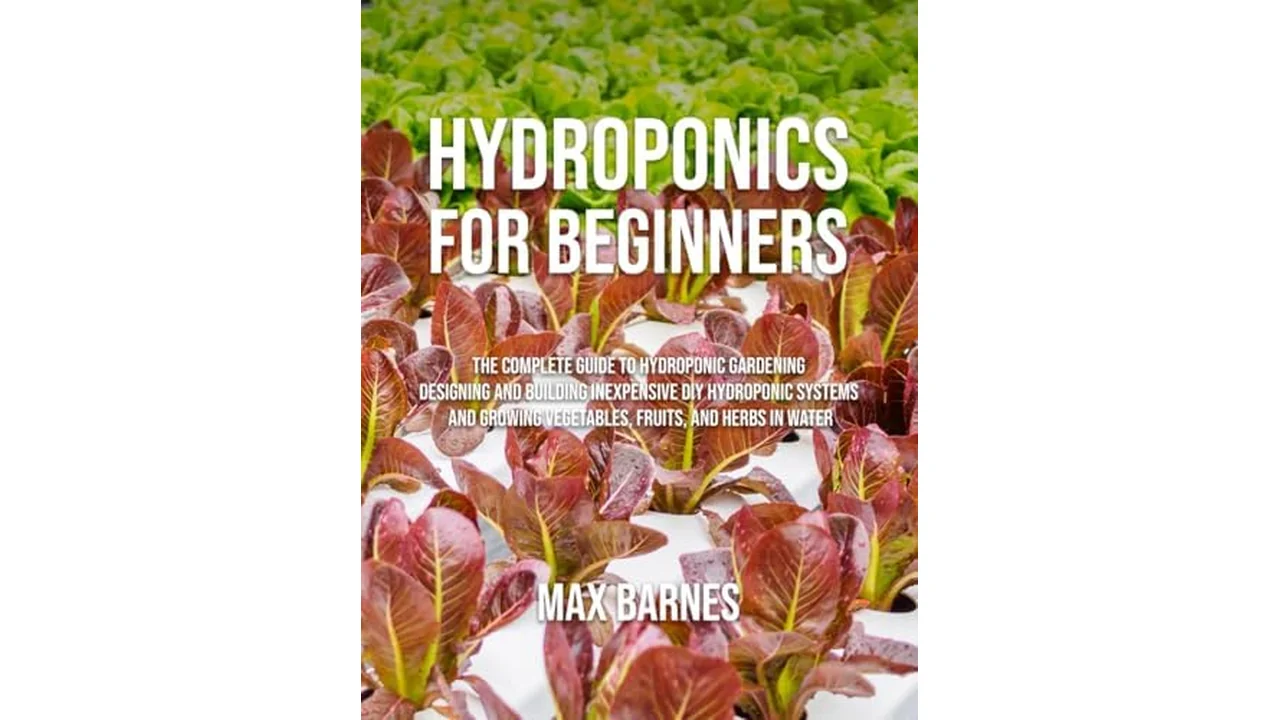
- Dreaming of a garden bursting with fresh vegetables, fruits, and herbs, but short on space or time for traditional soil gardening? Hydroponics for Beginners: The Complete Guide to Hydroponic Gardening, Designing and Building Inexpensive DIY Hydroponic Systems, And Growing Vegetables, Fruits, and Herbs in Water offers a compelling solution, demystifying the process of growing plants in water. This comprehensive guide is designed to equip aspiring gardeners with the knowledge and confidence to embark on their hydroponic journey, from understanding the basic principles to building their own affordable systems.
- Category: Classified under Crafts, Hobbies & Home, and Gardening & Landscape Design, indicating its practical application for home enthusiasts.
- Core Question Addressed: Directly answers the fundamental question: “Can I really grow plants at home without any soil?” providing reassurance and educational content.
- Beginner-Focused Approach: Explicitly guides readers on “How can I start a hydroponic garden at home?” making the initial steps clear and manageable.
- DIY System Design: Focuses on designing and building inexpensive DIY hydroponic systems, making the hobby accessible without significant upfront investment.
- Comprehensive Crop Coverage: Covers growing a variety of vegetables, fruits, and herbs, broadening the potential of your hydroponic setup.
- Accessibility for Newcomers: The direct approach to answering “How can I start a hydroponic garden at home?” removes initial barriers for beginners.
- Cost-Effective Solutions: The emphasis on “Designing and Building Inexpensive DIY Hydroponic Systems” makes this advanced gardening technique achievable on a budget.
- Empowerment through DIY: Providing instructions for building systems fosters a sense of accomplishment and allows for customization.
- Versatility in Gardening: Covering “Growing Vegetables, Fruits, and Herbs” opens up a wide array of possibilities for home harvests.
- Addresses Fundamental Concerns: Tackling the question “Can I really grow plants at home without any soil?” is crucial for building foundational understanding and overcoming common skepticism.
- Absolute Beginners in Hydroponics: Those with no prior experience who are curious about growing plants without soil.
- Home Gardeners with Limited Space: Individuals living in apartments, urban environments, or homes with small yards who want to cultivate fresh produce.
- DIY Enthusiasts: People who enjoy building and creating their own projects and are looking for a rewarding DIY endeavor.
- Budget-Conscious Gardeners: Individuals who want to explore hydroponics without investing in expensive pre-made systems.
- Anyone Seeking Year-Round Fresh Produce: Those who wish to grow vegetables, fruits, and herbs regardless of the season or outdoor weather conditions.
- Key Features to Look For: Prioritize guides that directly address the fundamental questions, such as “Can I really grow plants at home without any soil?” and provide clear steps on “How can I start a hydroponic garden at home?”. Look for content that focuses on “Designing and Building Inexpensive DIY Hydroponic Systems” and covers a broad range of “Vegetables, Fruits, and Herbs” that can be grown. Guides that fall under “Crafts, Hobbies & Home” and “Gardening & Landscape Design” are generally geared towards home application.
- Important Materials: While this guide focuses on the knowledge rather than physical materials, the DIY aspect implies you’ll need to source common, inexpensive materials. The guide should ideally provide a list of these materials for building the systems.
- Essential Factors to Consider: Think about the types of plants you want to grow and the space you have available. The guide’s success depends on how well it helps you choose or design a system that fits your needs. Consider if the guide offers scalable solutions, allowing you to start small and expand later.
- Budget Planning: The primary appeal here is the “Inexpensive DIY” aspect. Your budget will largely be for the materials to build the system, which can range from very low for basic setups to moderate for more advanced DIY builds. The guide’s value lies in minimizing the need for costly pre-made equipment.
- When to Buy: The best time to buy this guide is when you are ready to start your hydroponic journey. Unlike seasonal outdoor gardening, hydroponics can be done year-round, so there’s no specific season you must wait for. Purchasing it now allows you to gain the knowledge and plan your build for immediate implementation.
Key Features That Stand Out
This guide boasts several features that make it particularly appealing to those new to hydroponic gardening:

Hydroponics for Beginners: The Complete Guide to Hydroponic Gardening, Designing and Building Inexpensive DIY Hydroponic Systems, And Growing Vegetables, Fruits, and Herbs in Water
What We Like
Based on the provided features, several aspects of Hydroponics for Beginners: The Complete Guide to Hydroponic Gardening, Designing and Building Inexpensive DIY Hydroponic Systems, And Growing Vegetables, Fruits, and Herbs in Water are particularly commendable:
Performance Analysis
This guide’s performance is best evaluated by how effectively it delivers on its promise to make hydroponics accessible and actionable for beginners. The core strength lies in its practical instruction on creating and utilizing hydroponic systems. By focusing on “Designing and Building Inexpensive DIY Hydroponic Systems,” it directly addresses a common concern: the perceived high cost of entry for hydroponic gardening. The guide’s ability to answer fundamental questions like “Can I really grow plants at home without any soil?” is critical for establishing user confidence. Furthermore, its comprehensive approach to “Growing Vegetables, Fruits, and Herbs” suggests a well-rounded educational resource that goes beyond the mechanics of the system to cover successful cultivation practices. The fact that it’s categorized under “Gardening & Landscape Design” and “Crafts, Hobbies & Home” further reinforces its suitability for home users looking for a rewarding and achievable hobby.
Best For
This guide is ideally suited for a variety of individuals looking to explore alternative gardening methods:
Buying Guide
When considering a guide like Hydroponics for Beginners: The Complete Guide to Hydroponic Gardening, Designing and Building Inexpensive DIY Hydroponic Systems, And Growing Vegetables, Fruits, and Herbs in Water, it’s important to look for specific elements that ensure its value and practicality.
Can I really grow plants at home without any soil?
Yes, you absolutely can! This guide delves into the principles of hydroponics, a method that uses nutrient-rich water instead of soil to deliver essential elements directly to plant roots.
How can I start a hydroponic garden at home?
This guide provides step-by-step instructions and insights specifically designed to help beginners launch their home hydroponic garden, covering everything from system selection to initial setup.
What kind of plants can I grow hydroponically?
You can cultivate a wide variety of plants, including many vegetables, herbs, and even some fruits. The guide details which crops thrive in hydroponic environments and how to care for them.
Do I need expensive equipment to start?
Not necessarily. A key focus of this guide is on “Designing and Building Inexpensive DIY Hydroponic Systems,” meaning you can get started with affordable, readily available materials.
Is hydroponics complicated to learn?
While it involves different principles than soil gardening, this guide is structured to make hydroponics accessible and understandable for beginners, breaking down complex concepts into manageable steps.
Will I need a lot of space for a hydroponic garden?
Hydroponic systems can be very space-efficient. Many DIY setups are designed to be compact, making them suitable for small homes, apartments, or even indoor spaces.
Does this guide explain how to build the systems?
Yes, a significant part of the guide is dedicated to “Designing and Building Inexpensive DIY Hydroponic Systems,” offering practical guidance for creating your own setups.
In conclusion, Hydroponics for Beginners: The Complete Guide to Hydroponic Gardening, Designing and Building Inexpensive DIY Hydroponic Systems, And Growing Vegetables, Fruits, and Herbs in Water appears to be a valuable resource for anyone looking to embrace soilless gardening. It addresses key concerns and provides practical, budget-friendly solutions for starting a thriving hydroponic garden at home.