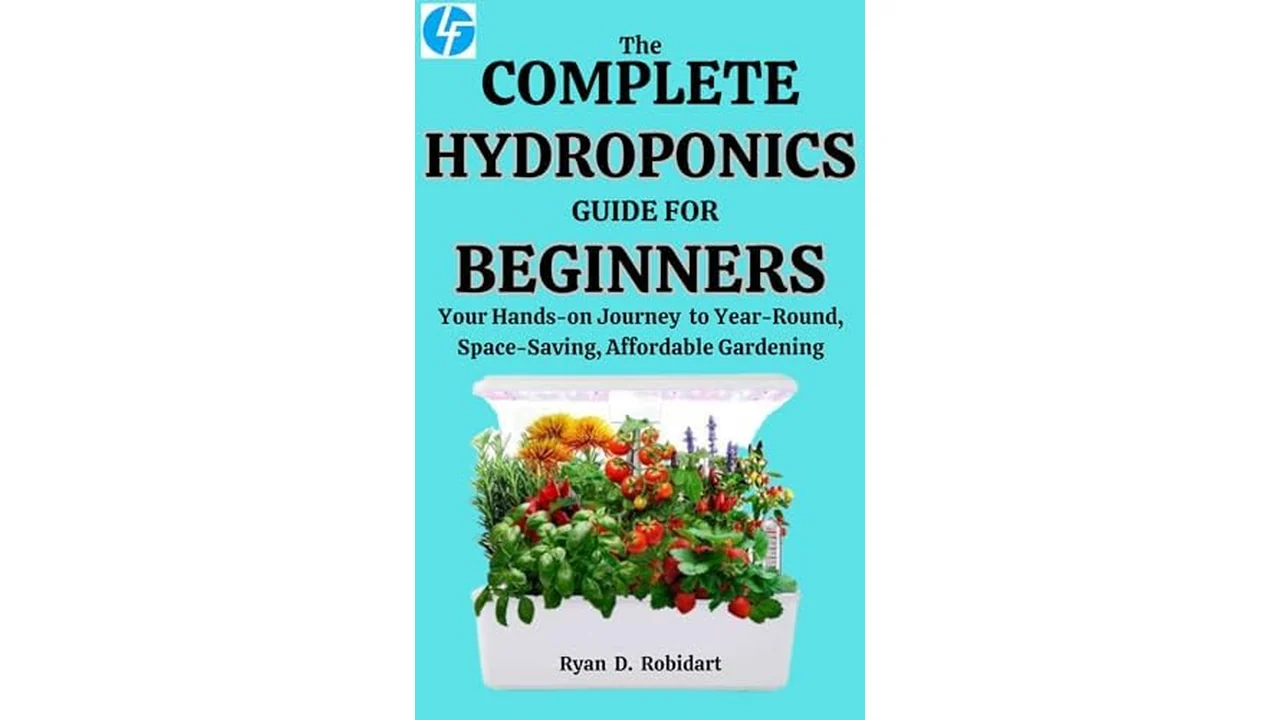
- Dreaming of fresh, homegrown produce year-round, even with limited space or a black thumb? The Complete Hydroponics Guide For Beginners: Your Hands-on Journey to Year-Round, Space-Saving, Affordable Gardening promises to transform that dream into a delicious reality. This comprehensive guide aims to demystify hydroponics, making it accessible and enjoyable for everyone.
- Crafts, Hobbies & Home: Positions hydroponics as an engaging and rewarding home activity, fitting seamlessly into your lifestyle.
- Gardening & Horticulture: Provides in-depth knowledge specifically tailored to the art and science of growing plants without soil.
- Organic & Sustainable: Emphasizes eco-friendly practices, appealing to those who value environmentally conscious living and a healthier approach to food.
- Publisher: Living Force Publishing: Indicates a commitment to providing valuable and well-researched content from a dedicated publishing house.
- Focus on Beginners: The title explicitly targets newcomers, suggesting the content will be foundational and easy to understand, removing intimidation.
- Year-Round Gardening: This promise is a significant advantage, allowing for consistent harvests regardless of outdoor weather conditions.
- Space-Saving Solutions: Hydroponics is inherently suited for compact environments, making this guide perfect for apartment dwellers or those with small yards.
- Affordability Emphasis: The inclusion of “Affordable Gardening” indicates a practical approach, likely covering budget-friendly system setups and maintenance.
- Hands-on Approach: The “Hands-on Journey” phrasing suggests practical advice and actionable steps rather than purely theoretical knowledge.
- Absolute Beginners in Hydroponics: Those who have zero prior experience with soil-less gardening and need clear, step-by-step instructions.
- Urban Dwellers with Limited Space: Individuals living in apartments, condos, or small homes who want to grow their own food but lack outdoor garden space.
- Environmentally Conscious Gardeners: People interested in pursuing organic and sustainable food production methods that often use less water than traditional gardening.
- Hobbyists and DIY Enthusiasts: Those looking for an engaging new hobby that combines crafting, home improvement, and the satisfaction of growing plants.
- Anyone Seeking Year-Round Produce: Individuals who wish to enjoy fresh herbs, vegetables, and fruits regardless of the season or weather.
- Beginner-Friendly Language: Look for guides that avoid overly technical jargon and explain concepts clearly and simply.
- Practical System Explanations: The guide should detail various hydroponic systems (e.g., Deep Water Culture, Nutrient Film Technique, Drip Systems) with pros, cons, and setup instructions.
- Step-by-Step Instructions: Crucial for beginners, these should cover everything from system assembly to planting, nutrient management, and troubleshooting.
- Plant-Specific Advice: Information on which plants thrive in hydroponic setups and their specific needs (light, nutrients, pH) is invaluable.
- Emphasis on Sustainability and Affordability: As highlighted in this guide, resources that focus on cost-effective methods and eco-friendly practices are highly desirable.
- Growing Mediums: Such as rockwool, coco coir, perlite, and clay pebbles.
- Nutrient Solutions: The essential mineral salts that plants will absorb directly from the water.
- Containers and Reservoirs: Food-grade plastics, buckets, and specialized hydroponic trays.
- Pumps and Aeration Devices: Air pumps, water pumps, and air stones to ensure oxygenation of the roots and nutrient solution.
- Lighting: Information on grow lights (LEDs, fluorescent) if indoor growing is a focus.
- Space Requirements: How much room do you have? Hydroponic systems can be scaled from small countertop setups to larger vertical farms.
- Budget: Initial setup costs can vary significantly. Understanding the investment required for different systems is key.
- Time Commitment: While often less labor-intensive than soil gardening, regular monitoring of pH, EC, and nutrient levels is necessary.
- Plant Choices: What do you want to grow? Some plants are easier for beginners than others.
- Indoor vs. Outdoor: Will your system be inside or outside? This impacts lighting needs and temperature control.
- Initial Setup Costs: This can range from under $50 for a simple DIY system to several hundred dollars for more complex, automated setups.
- Ongoing Costs: Primarily nutrient solutions, electricity for lights and pumps, and replacement parts.
- Value Proposition: Consider the cost of buying produce versus growing it yourself, especially for organic or specialty items.
Key Features That Stand Out
This guide is packed with features designed to empower novice gardeners:

The Complete Hydroponics Guide For Beginners: Your Hands-on Journey to Year-Round, Space-Saving, Affordable Gardening
What We Like
Based on the provided information, several aspects of The Complete Hydroponics Guide For Beginners: Your Hands-on Journey to Year-Round, Space-Saving, Affordable Gardening stand out:
Performance Analysis
While a direct performance analysis of a book is subjective, we can infer its potential effectiveness based on its stated features. The guide’s classification under Crafts, Hobbies & Home and Gardening & Horticulture suggests it will provide both engaging content and practical horticultural advice. The emphasis on Organic & Sustainable practices indicates a focus on healthy growing methods, which is a significant performance indicator for modern gardeners. The publisher, Living Force Publishing, implies a structured and informative approach to the subject matter. The lack of an image for “Color” does not affect the content’s performance but is noted as a product detail. The overall design seems geared towards empowering users to successfully implement hydroponic systems and achieve consistent results, making gardening more accessible.
Best For
This guide is ideally suited for a variety of individuals and situations:
Buying Guide
When considering a hydroponics guide, especially for beginners, several factors are crucial to ensure you make the right choice.
Key Features to Look For
Based on The Complete Hydroponics Guide For Beginners: Your Hands-on Journey to Year-Round, Space-Saving, Affordable Gardening, the most important features include:
Important Materials
While the guide itself is a book, the materials it discusses for hydroponic systems are varied. Expect it to cover:
Essential Factors to Consider
Before diving in, consider these factors that this guide likely addresses:
Budget Planning
The “Affordable Gardening” aspect of the title is important. Budget planning involves:
When to Buy
A guide like The Complete Hydroponics Guide For Beginners: Your Hands-on Journey to Year-Round, Space-Saving, Affordable Gardening can be purchased at any time of the year. However, buying during the off-season for traditional gardening (e.g., late fall or winter) can be advantageous as you’ll have ample time to study and set up your system before spring planting. Additionally, sales around major holidays might offer cost savings on related hydroponic supplies.
Frequently Asked Questions
What is the biggest advantage of hydroponics for beginners?
The biggest advantage is the ability to grow plants consistently year-round, regardless of outdoor weather, and with reduced pest issues compared to soil gardening.
How much space do I really need for a beginner hydroponic system?
You can start with very little space. Many beginner systems, like small DWC (Deep Water Culture) setups, can fit on a countertop or a small shelf.
Is hydroponics truly organic?
Hydroponics itself is often considered a method for organic growing because it avoids synthetic pesticides and herbicides. However, the “organic” label typically applies to the growing medium and nutrient sources used.
What are the common challenges beginners face with hydroponics?
Common challenges include managing water pH and nutrient levels, ensuring adequate oxygenation for roots, and dealing with potential nutrient deficiencies or toxicities.
Which plants are easiest to grow hydroponically for beginners?
Leafy greens like lettuce, spinach, and kale, as well as herbs like basil, mint, and parsley, are generally considered the easiest for beginners to start with.
How often do I need to change the nutrient solution?
This depends on the system and plant growth, but a common recommendation is to completely change the nutrient solution every 1-3 weeks.
Can I use tap water for my hydroponic system?
Yes, but it’s often recommended to let tap water sit for 24 hours to allow chlorine to dissipate, or to use filtered water, especially if your tap water has high levels of dissolved solids.
Final Thoughts
The Complete Hydroponics Guide For Beginners: Your Hands-on Journey to Year-Round, Space-Saving, Affordable Gardening appears to be a valuable resource for anyone looking to venture into the world of hydroponics. Its focus on accessibility, affordability, and practical application makes it an attractive option for aspiring home growers. The promise of year-round, space-saving gardening is a compelling proposition for a wide audience.