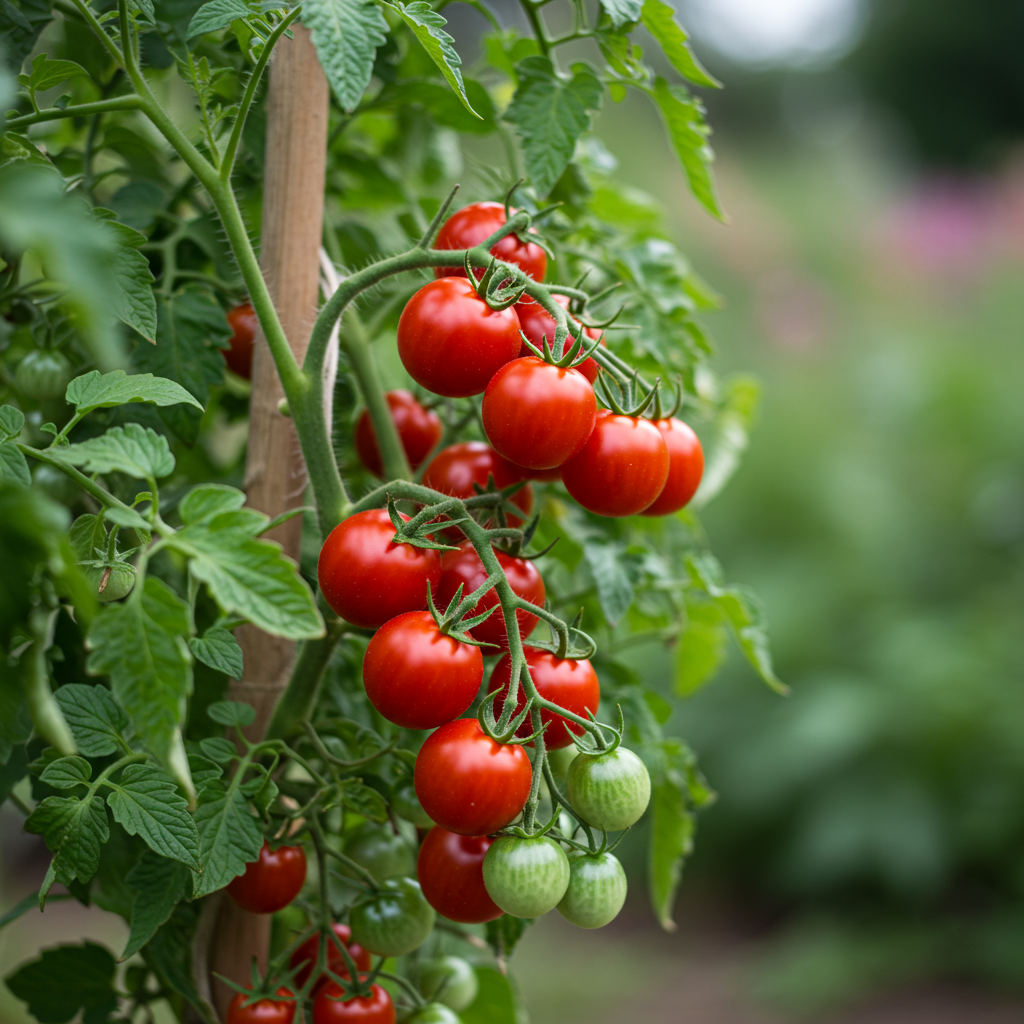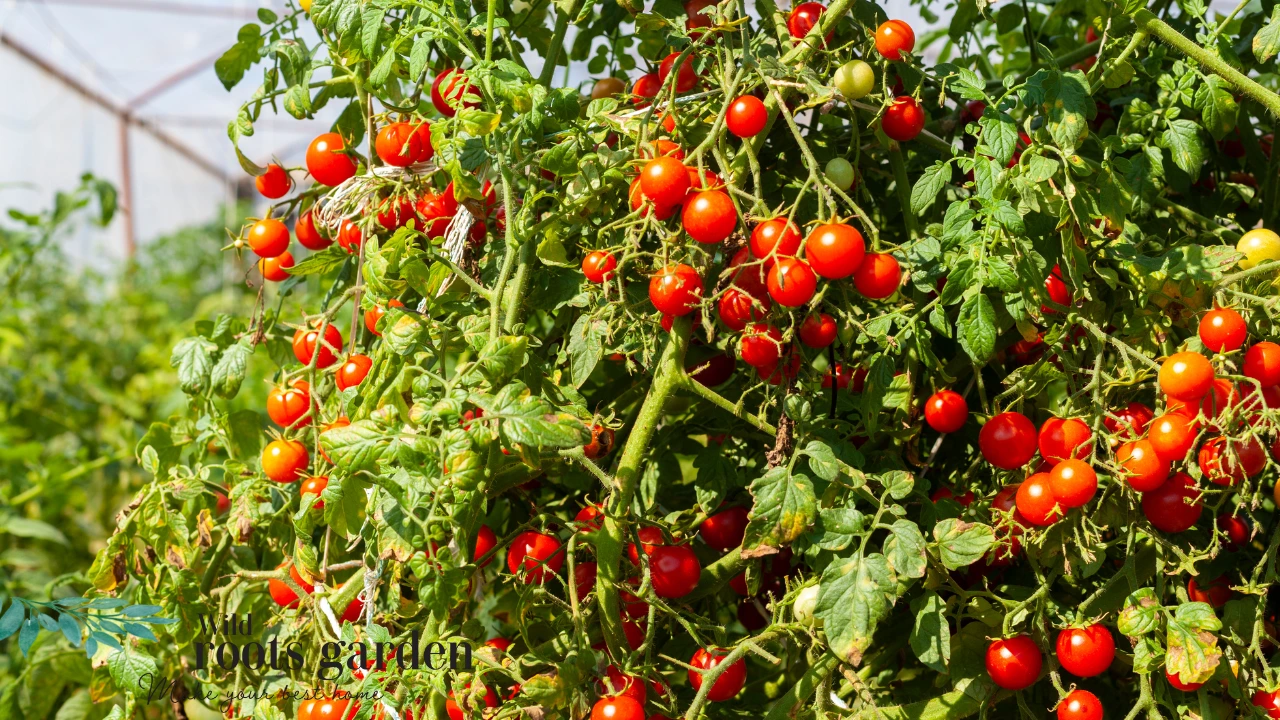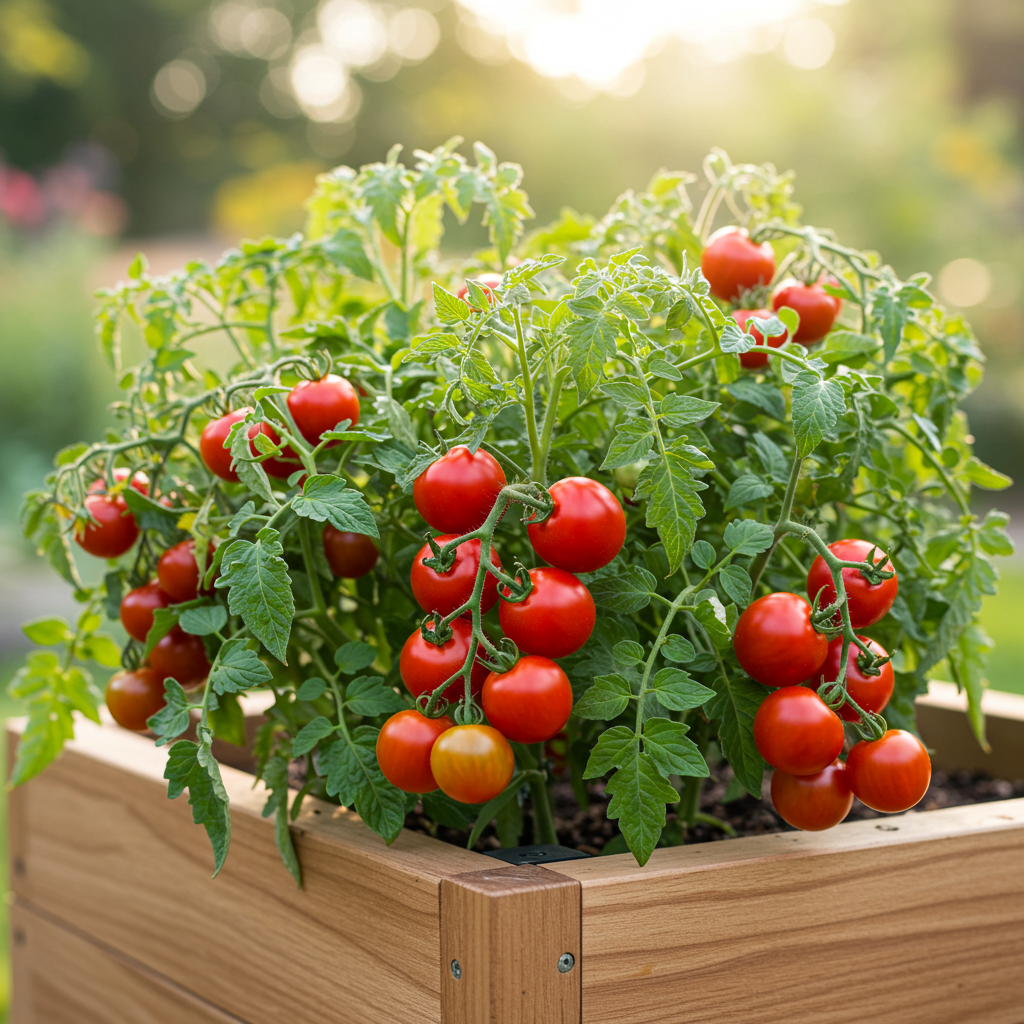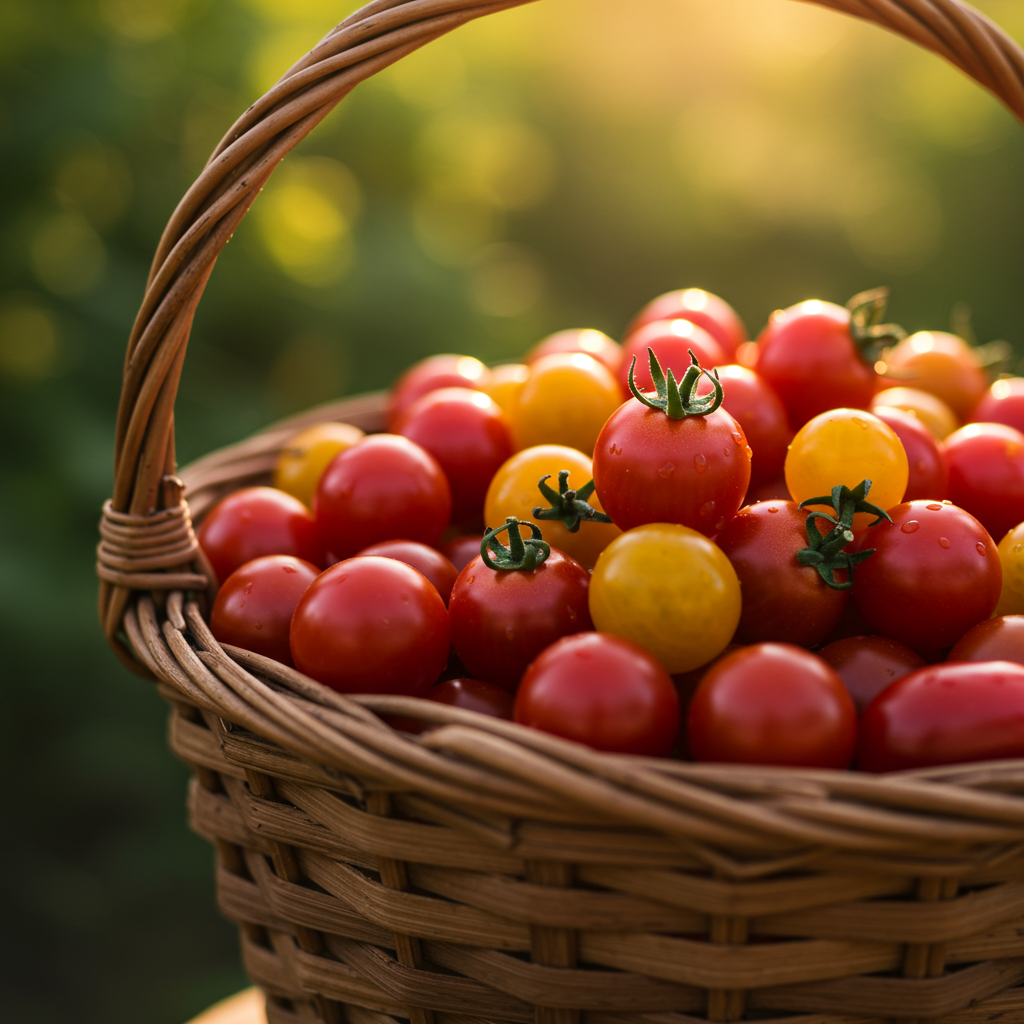
A cherry tomato basket offers one of the most rewarding and accessible gardening experiences imaginable, transforming a small, sunny space into a source of vibrant, cascading fruit. Forget tilling vast garden beds or wrestling with complex staking systems. The beauty of growing these bite-sized gems in a hanging container lies in its simplicity, aesthetic appeal, and the sheer delight of plucking a sun-warmed tomato right off the vine on your way into the kitchen. This ultimate guide will walk you through every step, from selecting the perfect container to troubleshooting common issues, ensuring your journey to an easy, abundant harvest is a resounding success.
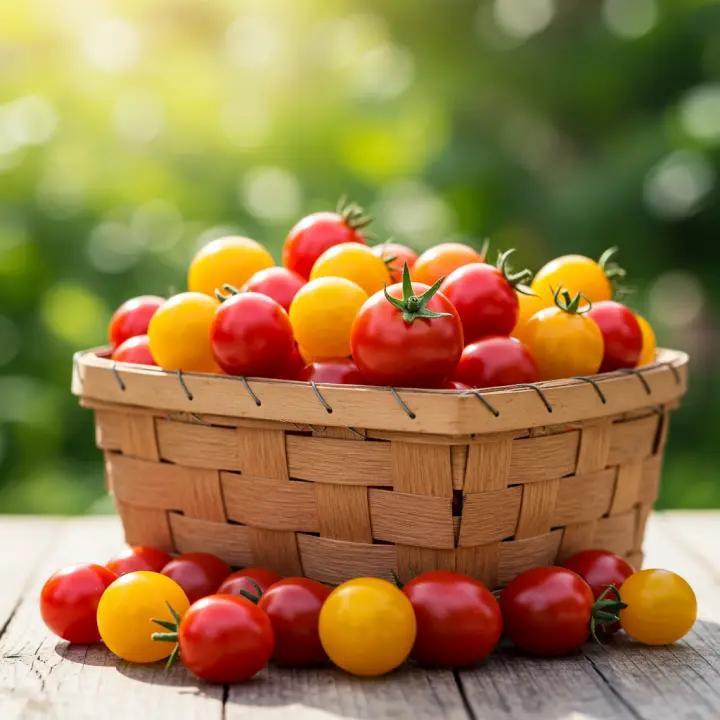
Whether you’re a seasoned gardener looking for a low-maintenance project or a complete novice with nothing more than a balcony, a hanging basket full of cherry tomatoes is your ticket to homegrown flavor. It’s a project that delivers on its promise, providing a continuous supply of sweet, juicy tomatoes throughout the peak of summer.
Why Choose a Hanging Basket for Your Tomatoes?
Before we dive into the “how,” let’s explore the “why.” While tomatoes are traditionally grown in the ground, the hanging basket method offers a unique set of advantages that make it an ideal choice for many gardeners.
Space Efficiency: This is the most obvious benefit. You don’t need a yard to grow fresh food. A sturdy hook on a porch, balcony, patio overhang, or even a sunny wall is all the real estate required. This vertical gardening approach maximizes your growing potential in minimal square footage.
Aesthetic Appeal: A well-planted cherry tomato basket is a thing of beauty. It functions as a “living chandelier,” with lush green foliage, cheerful yellow flowers, and trailing vines laden with ruby-red, sunny-yellow, or deep-orange fruit. It’s both an edible garden and a stunning piece of outdoor décor.
Superior Pest and Disease Control: By elevating your plants, you immediately create a barrier against many common soil-borne diseases and ground-dwelling pests like slugs and cutworms. Air circulates more freely around the leaves, which helps prevent fungal issues like powdery mildew and blight that thrive in damp, stagnant conditions.
Perfect Soil Conditions: Container gardening gives you absolute control over the growing medium. You can create the perfect, nutrient-rich, well-draining soil blend from the start, bypassing the challenges of dealing with heavy clay, sandy, or nutrient-poor garden soil.
Portability: Is that corner of the patio not getting as much sun as you thought? Simply unhook your basket and move it to a brighter spot. This ability to “chase the sun” ensures your plant gets the 6-8 hours of direct sunlight it craves for optimal fruit production.
Ease of Harvest: No bending or kneeling required! Harvesting is as simple as reaching up and plucking the ripe tomatoes. This makes it an excellent option for gardeners with mobility issues or anyone who prefers a more comfortable gardening experience.
Selecting the Perfect Cherry Tomato Basket
Your journey begins with choosing the right home for your plant. The container you select is more than just a pot; it’s the entire ecosystem for your tomato’s roots. Getting this part right sets the stage for a healthy, productive plant.
Size Matters Most
When it comes to hanging baskets for tomatoes, bigger is always better. A small basket will dry out incredibly fast on a hot day and restrict root growth, leading to a stressed, underperforming plant.
Minimum Size: Look for a basket that is at least 12 inches (30 cm) in diameter, but 14-16 inches (35-40 cm) is ideal.
Depth: The basket should be deep enough to accommodate a robust root system. Aim for at least 8-10 inches of depth. A larger soil volume holds more water and nutrients, creating a more stable and forgiving environment for your plant.
Material and Type
You’ll find several types of hanging baskets at garden centers, each with its pros and cons.
Wire Baskets with Coco Coir Liners: This is the classic and arguably best choice. The wire provides sturdy support, while the natural coco coir or moss liner offers excellent drainage and aeration, which tomato roots love. They are highly breathable, which means you’ll need to be diligent about watering, as they can dry out quickly.
Plastic Baskets: These are lightweight and excellent at retaining moisture, making them a good option for hotter climates or for gardeners who might occasionally forget to water. Ensure they have ample drainage holes at the bottom. Some modern plastic baskets are “self-watering,” with a built-in reservoir that wicks water up to the roots as needed, which can be a game-changer for busy people.
Wicker or Rattan Baskets: While beautiful, these are generally less durable than wire or plastic and may only last a season or two before breaking down. If you choose this style, make sure it’s lined with plastic (with drainage holes poked through) to prolong its life and help retain moisture.
Choosing the Right Tomato Variety
You can’t just plant any cherry tomato variety in a basket and expect it to cascade beautifully over the sides. Tomato plants are generally categorized as “determinate” or “indeterminate.”
Determinate (Bush) Varieties: These plants grow to a predetermined, compact size, produce their fruit all at once over a few weeks, and then are done. While some smaller determinate varieties can work, they won’t typically give you that classic trailing look.
Indeterminate (Vining) Varieties: These plants keep growing and producing fruit all season long until the first frost. Most traditional cherry tomatoes are indeterminate and require extensive staking or caging, making them unsuitable for baskets.
So, what’s the secret? You need to look for specific varieties that have been bred to have a trailing, tumbling, or cascading growth habit. These are often determinate but have a lax, vining nature perfect for spilling over the edges of a container.
Top Varieties for Your Basket:
‘Tumbling Tom’ (Red or Yellow): As the name suggests, this is the quintessential hanging basket tomato. It produces prolific amounts of sweet, 1-2 inch cherry tomatoes on trailing vines.
‘Hundreds & Thousands’: An incredibly productive variety that lives up to its name, creating a curtain of tiny, super-sweet currant-sized tomatoes.
‘Tumbler F1’: A popular and reliable hybrid known for its early maturity and heavy yields of sweet, crack-resistant fruit.
‘Cherry Falls’: This variety creates a tidy, cascading plant that becomes loaded with classic red cherry tomatoes.
‘Maskotka’: An Eastern European variety that is both cold-tolerant and exceptionally flavorful, with a vigorous trailing habit.
Planting Your Basket: A Step-by-Step Guide
With your basket and chosen plant variety in hand, it’s time for the fun part.
Step 1: Gather Your Supplies
Hanging basket and liner
High-quality potting mix (not garden soil)
Slow-release fertilizer (optional, but recommended)
Water-retaining crystals (optional, but helpful)
Your cherry tomato seedling
Watering can
A sturdy hook or bracket for hanging
Step 2: Prepare the Soil
Never use soil from your garden in a container. It’s too heavy, compacts easily, and can contain pests and diseases. Instead, use a fluffy, sterile potting mix designed for containers or vegetables. To give your plant the best start, mix a handful of a balanced, slow-release granular fertilizer into the potting mix. For extra insurance against drying out, you can also mix in some water-retaining crystals according to the package directions.
Step 3: Prepare the Basket
If using a wire basket, place the coco liner inside, pressing it firmly against the frame. Fill the basket with your prepared potting mix until it’s about two-thirds full. Create a small well in the center of the soil that is slightly larger than the seedling’s root ball.
Step 4: Plant the Seedling
Gently remove the tomato seedling from its nursery pot. If the roots are tightly coiled (root-bound), gently tease them apart with your fingers to encourage them to grow outwards into the new soil. Place the plant in the well you created. An important tip for all tomatoes is to plant them deep. Bury the stem up to the first set of true leaves. The tiny hairs on the stem will transform into roots, creating a stronger, more robust root system.
Step 5: Fill and Water
Add more potting mix around the seedling, filling the basket to within an inch or two of the rim. Gently firm the soil down around the plant. Water the basket thoroughly until you see water draining freely from the bottom. This settles the soil and eliminates air pockets. Hang your basket in its final, sunny location.
Care and Maintenance for an Abundant Harvest
Once planted, your cherry tomato basket needs consistent care to thrive. Container plants are more dependent on you than their in-ground counterparts, but the routine is simple.
Watering: This is the most critical aspect of care. Hanging baskets, especially coco-lined ones, dry out very quickly in the sun and wind.
Check Daily: On hot, sunny days, you will likely need to water every day, sometimes even twice. The best way to check is with the “finger test.” Stick your finger an inch or two into the soil. If it feels dry, it’s time to water