13th-Gen Tomatoes are creating a seismic shift in the culinary world, whispering a promise of flavor that most of us thought was lost to history. From the bustling kitchens of Michelin-starred restaurants to the sun-drenched plots of backyard gardeners, a quiet revolution is taking place, centered on a fruit that is both utterly new and deeply ancient. This isn’t just another hybrid variety engineered for shelf life; it’s the result of a patient, multi-generational quest to reclaim the soul of the tomato. For too long, we have accepted pale, watery imitations in our supermarkets, fruits bred for uniformity and resilience at the expense of taste. The 13th-Gen project is the stunning response to that compromise, a masterclass in agricultural artistry that delivers a sensory experience so profound it redefines what a tomato can be. This article delves into the story, the science, and the sheer joy of these remarkable tomatoes, exploring why they represent the stunning secret to the best flavor you may ever taste.
The Genesis of Perfection: What Are These Acclaimed Tomatoes?
To understand the magic of the 13th-Gen tomato, one must first understand what it is not. It is not a genetically modified organism created in a sterile lab. It is not a single, trademarked variety like a ‘Roma’ or a ‘Beefsteak.’ Instead, the “13th-Gen” designation refers to a meticulously guided, open-pollinated breeding process spanning thirteen generations of plants. It’s a philosophy as much as it is a product.
The project began with a simple, yet ambitious, goal: to combine the rich, complex, and unforgettable taste of the most treasured heirloom varieties with the vigor, disease resistance, and reliable yield of modern cultivars. For decades, gardeners and chefs have faced a difficult choice. Do you grow the finicky but flavor-packed ‘Brandywine’ that might succumb to blight after a single rainy week? Or do you opt for a hardy, disease-resistant hybrid that produces flawless-looking but ultimately bland fruit?
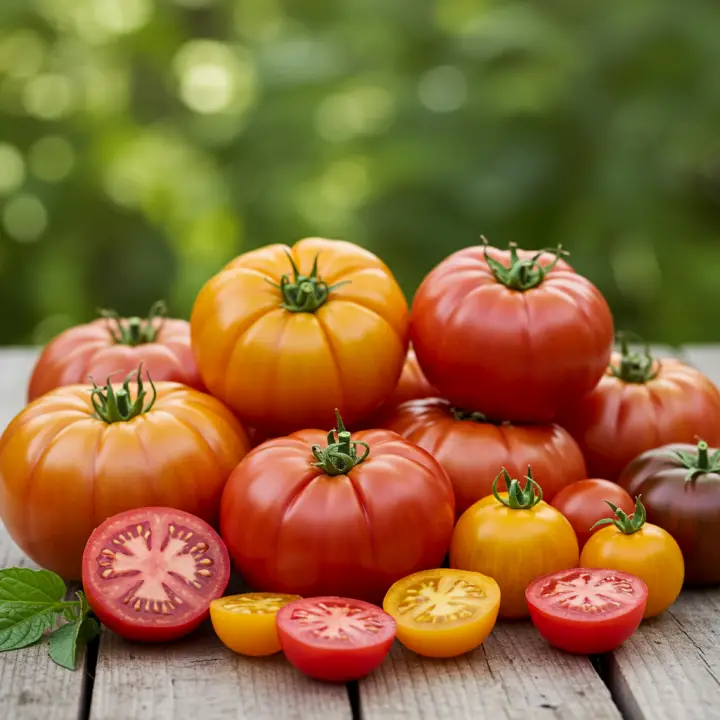
The architects of the 13th-Gen project refused to accept this trade-off. They started by cross-pollinating a carefully selected group of heirloom royalty—think of the deep, smoky notes of the ‘Black Krim,’ the perfect acid-sugar balance of a ‘Cherokee Purple,’ and the zesty tang of a ‘Green Zebra.’ This initial cross created a chaotic explosion of genetic possibility. From that point forward, the work became a painstaking labor of love. Each season, growers would cultivate thousands of plants, selecting only a handful of individuals—the top one percent—that exhibited the most desirable traits. The selection criteria were ruthless, focusing on a complex matrix of flavor, aroma, texture, and, only then, plant health and productivity. The seeds from these chosen few would become the parents of the next generation, a process repeated for thirteen years, allowing the desired traits to stabilize and intensify.
Decoding the Flavor Profile: The Science and Sensation
So, what is it that makes a 13th-Gen tomato taste so spectacularly different? The answer lies in a complex symphony of biochemistry that commercial breeding programs have long ignored in favor of durability.
The Triumvirate of Taste: Sugars, Acids, and Aromatics
The foundation of exceptional tomato flavor rests on the delicate balance between sugars (primarily fructose and glucose) and acids (citric and malic). Supermarket tomatoes are often bred to have low acidity, making them taste flat and one-dimensional. Heirlooms, on the other hand, can sometimes be overwhelmingly acidic. 13th-Gen tomatoes are cultivated to achieve a high Brix level (a measure of sugar content) while maintaining a vibrant, structured acidity. The result is an initial wave of sweetness that is immediately cut by a refreshing, palate-cleansing tang, creating a dynamic flavor that evolves as you eat it.
But the true secret lies beyond a simple sugar-acid ratio. The “stunning secret” is an incredible concentration of volatile organic compounds (VOCs). These are the aromatic molecules responsible for the majority of what we perceive as flavor. While a standard tomato might have 20-30 discernible VOCs, a perfectly ripe 13th-Gen specimen can have over 100, creating an aromatic profile of staggering complexity. You don’t just taste the fruit; you smell fresh-cut grass, a hint of rose petal, a deep umami earthiness, and the unmistakable scent of a sun-warmed tomato vine itself.
Beyond Taste: The Role of Texture and “Mouthfeel”
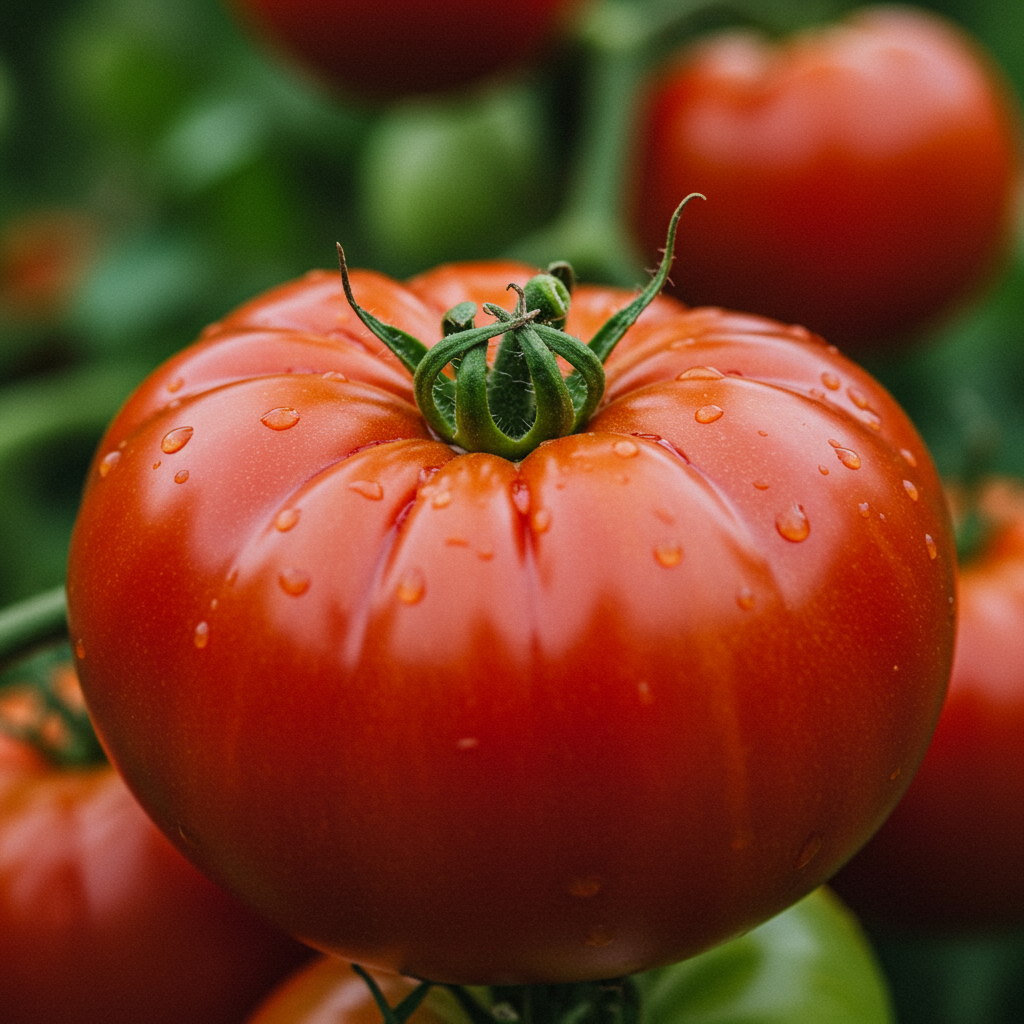
Flavor is incomplete without considering texture. The 13th-Gen breeding process specifically selects for a superior mouthfeel. The skin is impossibly thin yet resilient enough to hold the fruit’s shape, providing a satisfying “snap” rather than a tough, chewy barrier. The flesh, or pericarp, is dense, meaty, and velvety—never mealy or granular. Perhaps most importantly, the locular jelly surrounding the seeds, which is often a watery afterthought in lesser tomatoes, is thick, rich, and packed with its own distinct umami-laden flavor. It’s a complete textural experience where every part of the fruit contributes to the whole.
The Art and Science Behind the 13th-Gen Tomatoes Breeding Program
The journey to the thirteenth generation is a masterclass in patience and observation, blending modern genetic understanding with age-old agricultural wisdom.
Generations 1-3: The Foundation. This initial phase is about creating the widest possible genetic pool. Elite heirloom varieties from around the world are cross-pollinated to bring their best flavor genes into play. The offspring are wildly unpredictable, but this genetic chaos is precisely the point.
Generations 4-7: Flavor Refinement. Here, the “art” of the process shines. Breeders and chefs conduct extensive blind taste tests. They aren’t just looking for “good”; they are identifying specific flavor notes and textural qualities. Only the most flavorful and complex individuals are chosen to parent the next generation, aggressively culling any that are even slightly bland.
Generations 8-10: Building Resilience. Once the core flavor profile begins to stabilize, the focus shifts slightly to incorporate robustness. The select plants are carefully crossed with naturally disease-resistant, crack-resistant, and drought-tolerant varieties. The key here is to introduce these hardy traits without diluting the painstakingly curated flavor. It’s a delicate balancing act, and many lines are discarded if the taste is compromised.
Generations 11-13: Stabilization and Perfection. In the final generations, the goal is to lock in the desired traits, creating a stable, open-pollinated line. This means that if you save the seeds from a 13th-Gen tomato, the plants you grow next year will be true to type, exhibiting the same exceptional characteristics. This commitment to open pollination is a core tenet of the project, empowering gardeners to become part of the movement.
Growing Your Own Culinary Gold: A Gardener’s Guide
The incredible news for home gardeners is that 13th-Gen tomatoes, despite their gourmet pedigree, are bred to thrive. The resilience built into their genetics makes them more forgiving than their fragile heirloom ancestors.
Sourcing and Starting
Seeds for 13th-Gen lines are becoming available through specialty seed catalogs and grower collectives focused on flavor-first agriculture. Due to the intensive process, they can be more expensive, but the investment pays dividends. Start seeds indoors 6-8 weeks before your last frost date, providing them with plenty of light and warmth.
Soil, Sun, and Sustenance
Like all tomatoes, they are heavy feeders and sun-worshippers. Prepare your garden bed with generous amounts of high-quality compost and well-rotted manure. A soil pH between 6.2 and 6.8 is ideal. Choose the sunniest spot in your garden—a minimum of 8 hours of direct sunlight is non-negotiable for developing those complex sugars and aromatics. Consistent watering is crucial. Use soaker hoses or drip irrigation to keep the soil evenly moist and deliver water directly to the roots, which helps prevent foliage diseases and fruit splitting.
Pruning and Support for Optimal Flavor
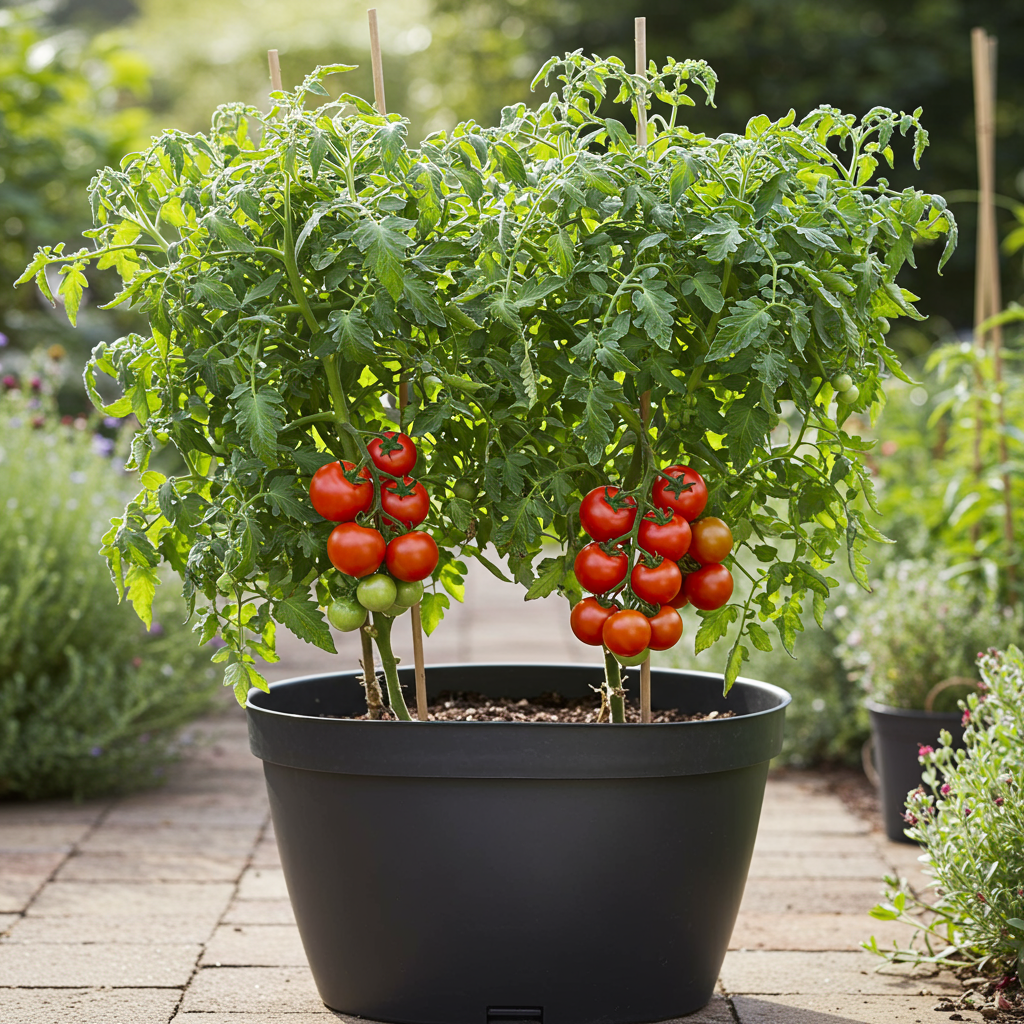
These varieties, particularly the indeterminate ones, benefit greatly from proper pruning and support. Prune the “suckers”—the small shoots that appear in the crotch between the main stem and a branch—to encourage the plant to channel all its energy into a smaller number of larger, more flavorful fruits. Use tall, sturdy cages or a stake-and-weave system to keep the vines off the ground, ensuring good air circulation and even sun exposure for the ripening fruit.
In the Kitchen: Honoring the Perfect Tomato
When you finally harvest your first sun-warmed, perfectly ripe 13th-Gen tomato, the biggest challenge is deciding what to do with it. The best advice is often the simplest: don’t do too much.
The Purist’s Approach: The ultimate way to experience its complexity is to eat it raw. Slice it thick, sprinkle it with flaky sea salt, add a drizzle of the best extra-virgin olive oil you can find, and perhaps a single leaf of fresh basil. That’s it. This allows the fruit’s incredible flavor to be the undisputed star.
Elevating the Classics: A 13th-Gen tomato will transform familiar dishes into transcendent experiences. A Caprese salad becomes a revelation of creamy, sweet, and tangy notes. Bruschetta is no longer just a topping for toast; it’s a vibrant, juicy explosion of summer. Even a simple BLT becomes a gourmet sandwich.