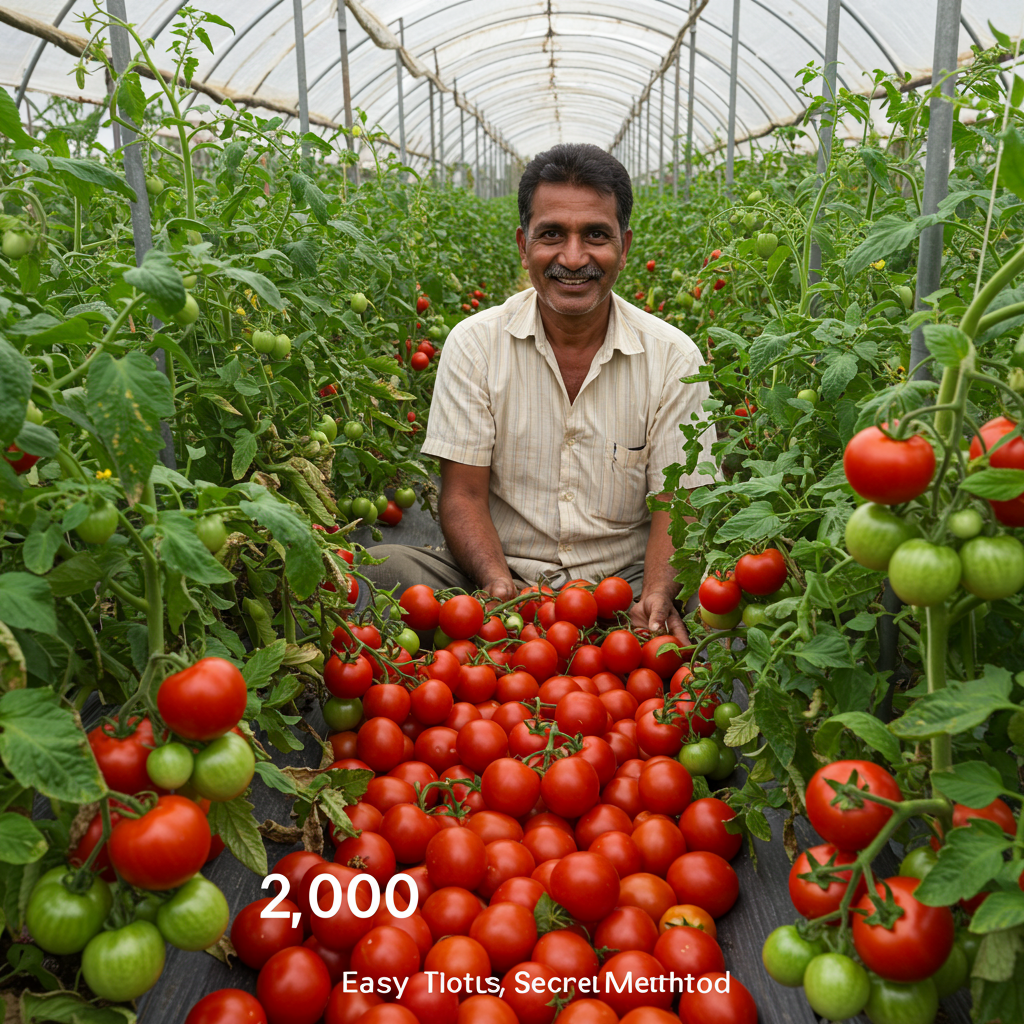
2,000 Tomatoes from a small patch of your garden might sound like a far-fetched dream, a boastful claim from a seasoned farmer with acres to spare. For the average home gardener, a harvest of a few dozen juicy fruits per plant is a victory. But what if there was a systematic, surprisingly simple method that could turn a modest backyard row into a tomato-producing powerhouse? This isn’t about genetic modification or expensive, high-tech equipment. It’s about combining several proven, old-school gardening techniques into one hyper-efficient system that maximizes the potential of every single plant.
Forget everything you think you know about planting individual tomatoes in neat little cages. We are about to embark on a journey to create a living wall of fruit, a continuous, thriving tomato hedge that yields an unbelievable bounty. This guide will walk you through every step of this “secret” method, from choosing the right plant genetics to a unique planting style and a support system built for massive yields. Prepare to transform your understanding of what’s possible in your own garden.

The Philosophy: Abundance Through Efficiency
The core principle behind this high-yield method is efficiency. We are not trying to magically coax one plant into producing thousands of tomatoes. Instead, we are creating the perfect environment for a community of plants to thrive together, maximizing three key areas:
1. Root Development: We will use a planting technique that encourages root growth along a significant portion of the plant’s stem, creating a super-charged root system that can absorb massive amounts of water and nutrients.
2. Space and Light: By using a specific vertical trellising method, we can plant more densely without sacrificing crucial airflow or sunlight, turning a horizontal row into a vertical fruit factory.
3. Energy Management: Through strategic pruning and consistent feeding, we will direct each plant’s energy away from excess foliage and squarely into fruit production.
By mastering these three pillars, the seemingly impossible number becomes a tangible goal. It’s a system where each element supports the others to create a result far greater than the sum of its parts.
Step 1: Choosing Your Champion Tomato Variety
Before you dig a single hole, the success of this project hinges on selecting the right type of tomato. Not all tomatoes are created equal when it comes to massive production.
Indeterminate vs. Determinate
This is the most critical choice you’ll make.
Determinate tomatoes (or “bush” varieties) grow to a fixed, mature size, produce all their fruit in a short window of a few weeks, and then are largely finished for the season. They are great for canners who want a large harvest all at once, but they are not suitable for this method.
Indeterminate tomatoes (or “vining” varieties) are the key. These plants continue to grow, set flowers, and produce fruit all season long until they are killed by frost. Their vining habit means they can be trained vertically up a trellis, and their continuous production is exactly what we need for a season-long, massive harvest.
Recommended Varieties for High Yield
Look for indeterminate varieties known for their vigor and prolific fruiting. Cherry and small-fruited tomatoes are often the easiest way to reach a high fruit count, but this method also works wonders for paste and slicing tomatoes.
Cherry Tomatoes: Varieties like ‘Sungold’ (a fan favorite for its sweet, citrusy flavor), ‘Super Sweet 100’, or ‘Black Cherry’ are relentless producers. Each truss can hold dozens of fruits, and the plants grow with incredible speed.
Paste Tomatoes: If you dream of endless sauce, choose an indeterminate paste variety like ‘San Marzano’ or ‘Amish Paste’. They produce meaty, low-moisture fruits in abundance.
Slicing Tomatoes: For classic slicers, look for productive heirlooms like ‘Brandywine’ or ‘Cherokee Purple’, or modern, disease-resistant hybrids like ‘Big Beef’ or ‘Better Boy’.
Pro-Tip: Choose a variety with good disease resistance ratings (often indicated by letters like V, F, N, T after the name). A healthy plant is a productive plant.
Step 2: The Propagation “Secret” – Creating a Tomato Army from Cuttings
Here lies the first “secret” that saves time, money, and guarantees genetic consistency. Instead of starting dozens of plants from seed, you can easily clone them from one or two healthy “mother” plants. A tomato cutting, often called a “sucker,” will readily grow roots in water or soil and become a perfect genetic clone of the parent plant.
How to Clone Your Tomatoes:
1. Start with a Healthy Plant: Either buy one or two healthy, vibrant starter plants from a nursery, or grow your own from seed a few weeks earlier than you normally would.
2. Identify the “Suckers”: Suckers are the small shoots that grow in the “V” between the main stem and a branch. These are essentially new main stems waiting to grow.
3. Take the Cuttings: Once the suckers are 4-6 inches long, use a clean, sharp knife or pair of snips to carefully remove them from the mother plant.
4. Root Them: You have two easy options:
The Water Method: Simply place the cuttings in a jar of water and set it on a sunny windowsill. Change the water every couple of days. Within a week or two, you’ll see white roots begin to sprout from the stem.
The Soil Method: Remove the lowest set of leaves from the cutting and dip the end in rooting hormone (optional, but helpful). Plant the cutting directly into a small pot filled with moist potting mix. Keep the soil consistently damp.
Within 2-3 weeks, you will have an army of strong, rooted plants that are identical and ready for the garden, all from an initial investment of just one or two plants.
Step 3: The Ultimate Tomato Trench
This is where we revolutionize the planting process. Instead of digging individual holes, you will be digging one long trench. This method, known as deep trench planting, is the engine room of your tomato factory.
1. Dig the Trench: In a location that gets at least 8 hours of direct sunlight, dig a trench about 10-12 inches deep and 12 inches wide. The length will depend on how many plants you have, but plan for about 18-24 inches between plants.
2. Amend the Soil: This is your chance to supercharge the growing medium. Fill the bottom 4-6 inches of the trench with a rich mixture of high-quality compost, well-rotted manure, and a balanced, slow-release organic fertilizer. Mix it in well with the native soil. This creates a nutrient reservoir that will feed your plants all season.
3. Prepare the Plants: Before planting, carefully strip off all the leaves from the bottom two-thirds of each tomato plant, leaving only the top cluster of leaves. This looks brutal, but it’s essential.
4. Lay Them Down: Now, instead of planting vertically, lay each plant down horizontally in the trench, with the root ball at one end and the leafy top gently curved upwards to exit the trench. The entire bare stem will be underground. Why? Tiny hairs along the tomato stem, called adventitious roots, will develop into a massive root system all along the buried portion. This gives the plant an incredible ability to uptake water and nutrients.
5. Backfill: Gently backfill the trench with the excavated soil, leaving only the leafy tops of the plants sticking out of the ground. Water thoroughly to settle the soil.
Step 4: A Gardener’s Guide to Pruning for 2,000 Tomatoes
With plants growing so close together in a hyper-fertile environment, managing their growth is paramount. Your goal is to focus the plant’s energy on making fruit, not a jungle of leaves. The key is consistent and ruthless pruning of suckers.
The Single-Stem Method: For this high-density system, you want to train each plant to have one primary main stem. You will remove all suckers that form.
When to Prune: Check your plants every few days. Suckers are easiest to remove when they are small (1-3 inches). Simply pinch them off with your fingers. If they get larger, use clean snips to avoid damaging the main stem.
* Why It Works: By removing all suckers, you are doing two things:
1. Directing Energy:** The plant’s sugars and nutrients are funneled directly to the flower