Better Boy tomatoes are a cornerstone of the home vegetable garden, a variety so reliable and productive that for generations, gardeners have relied on it to fill their pantries and grace their summer tables. This hybrid marvel isn’t just a plant; it’s a promise of abundance. Known for its classic, balanced flavor, impressive disease resistance, and vigorous growth, the Better Boy has earned its place as one of North America’s most popular tomato varieties. But beyond its well-known virtues lies a secret to extending its legendary productivity, allowing savvy gardeners to achieve a stunning second wave of fruit late in the season.
This comprehensive guide will walk you through everything you need to know to cultivate these exceptional plants. We’ll cover the fundamentals of planting and care, delve into the specific traits that make this tomato a superstar, and reveal the simple mid-season technique that can lead to an incredible double harvest. Whether you’re a first-time gardener looking for a sure-fire success or a seasoned grower aiming to maximize your yield, the Better Boy tomato is your ticket to a summer overflowing with delicious, homegrown fruit.
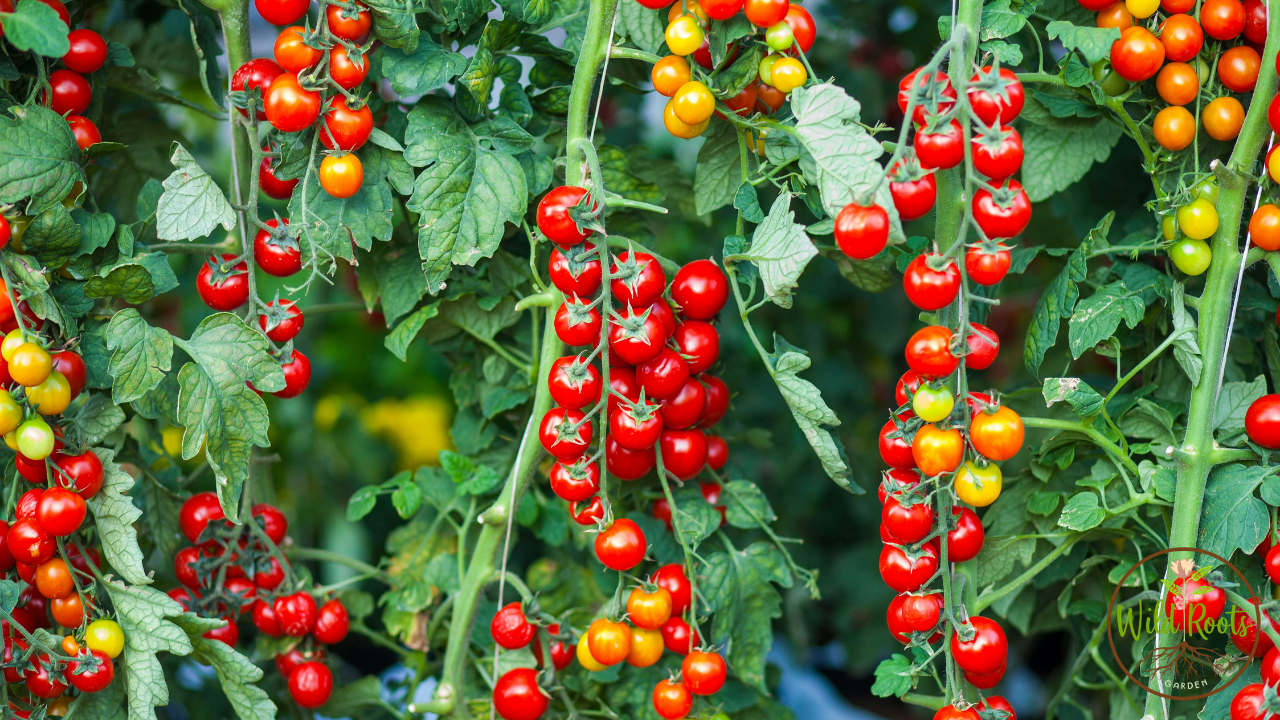
What Makes the Better Boy a Garden All-Star?
Before we dig into the soil, it’s worth understanding why this particular variety has remained a favorite for over 50 years. The Better Boy isn’t popular by accident; it was bred for performance, combining the best traits of its parent plants to create a nearly perfect slicing tomato.
Exceptional Flavor and Texture: The Better Boy delivers the quintessential tomato experience. Its flavor is a perfect harmony of tangy acid and satisfying sweetness, making it incredibly versatile. The flesh is meaty and thick with just the right amount of juice, ideal for everything from a classic tomato sandwich to a rich, homemade sauce.
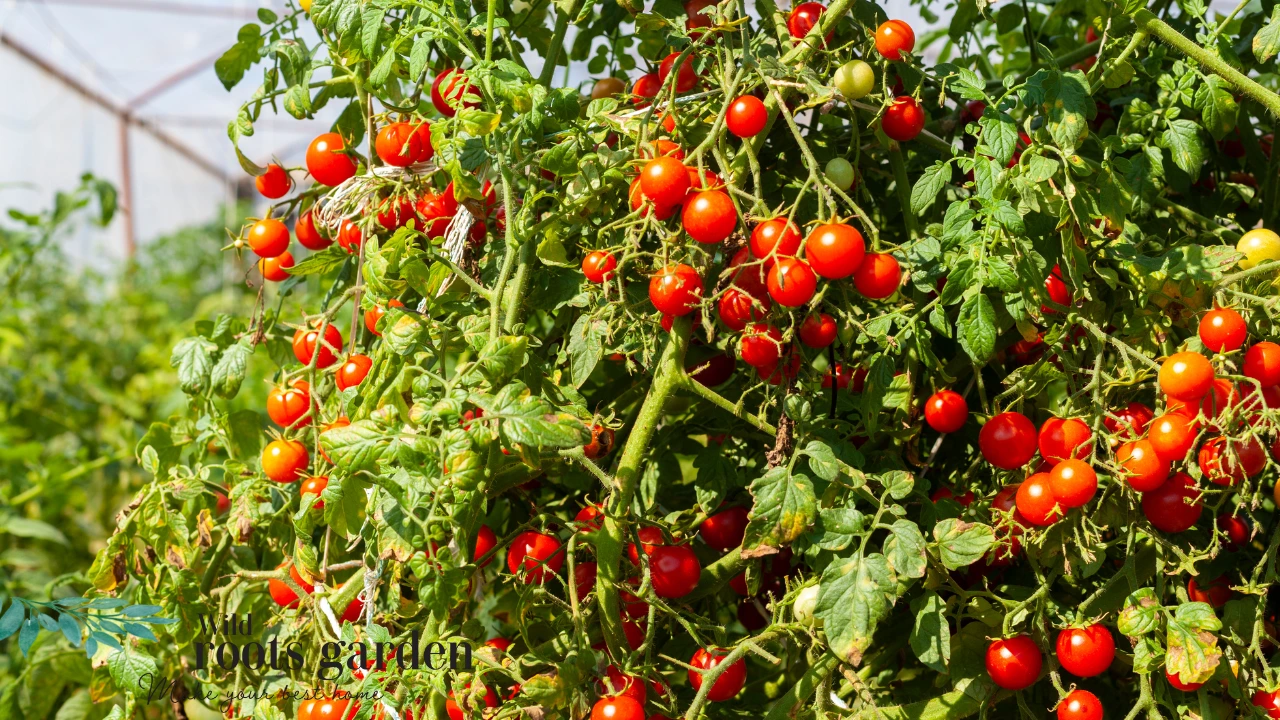
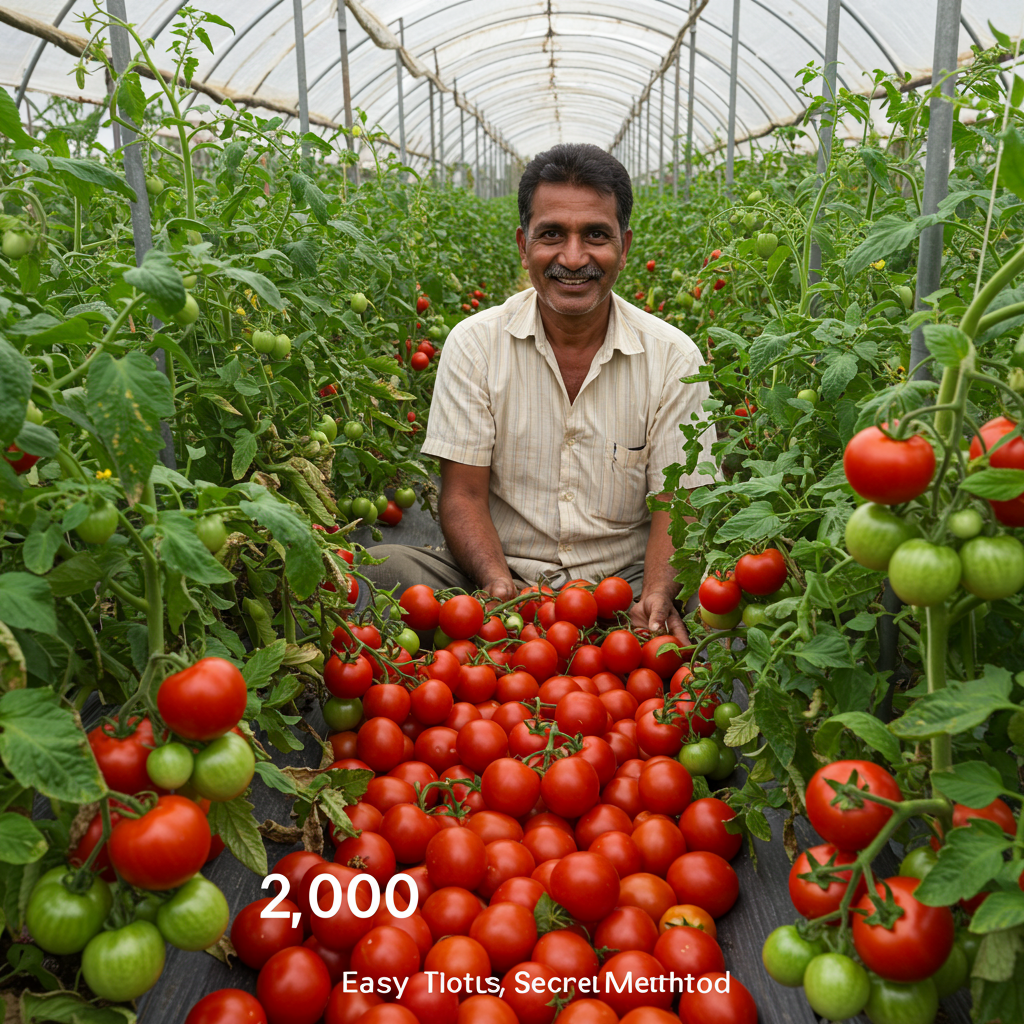
Impressive Size and Yield: These are not small tomatoes. A single Better Boy fruit typically weighs in at around 8 to 16 ounces (a half-pound to a full pound), creating substantial, uniform slices. The plants themselves are famously productive, with a single, well-cared-for plant capable of producing 15-20 pounds of fruit over its long growing season.
Vigorous, Indeterminate Growth: Better Boy is an indeterminate variety, meaning it grows like a vine and will continue to produce fruit all season long until the first frost. This vining habit requires support but is the key to its massive yields and the “double harvest” potential we’ll discuss later.
Superior Disease Resistance: One of the most significant advantages of the Better Boy is its built-in resistance to common tomato ailments. It is famously resistant to Verticillium wilt (V), Fusarium wilt (F), and Nematodes (N). This “VFN” resistance makes it a robust and forgiving choice, especially for gardeners in areas where these soil-borne diseases are prevalent. This genetic fortitude means less troubleshooting and a higher chance of a successful, healthy crop.
Better Boy at a Glance:
Plant Type: Indeterminate (vining)
Days to Maturity: 70-75 days from transplanting
Fruit Size: 8-16 ounces
Fruit Color: Bright, uniform red
Flavor Profile: Balanced, classic tomato flavor
Resistance: Verticillium Wilt, Fusarium Wilt, Nematodes
Sun Requirement: Full sun (8+ hours per day)
Support Needed: Yes (cage, stake, or trellis)
Getting Started: Planting for Peak Performance
A successful harvest begins with a strong start. Following best practices during the planting phase will set your Better Boy tomatoes up for a season of vigorous growth and heavy fruit production.
Seedling or Seeds?
While you can start Better Boy tomatoes from seed indoors about 6-8 weeks before your last expected frost date, most home gardeners opt for the convenience of purchasing healthy, established seedlings from a local nursery. This approach saves time and eliminates the need for grow lights and seed-starting equipment.
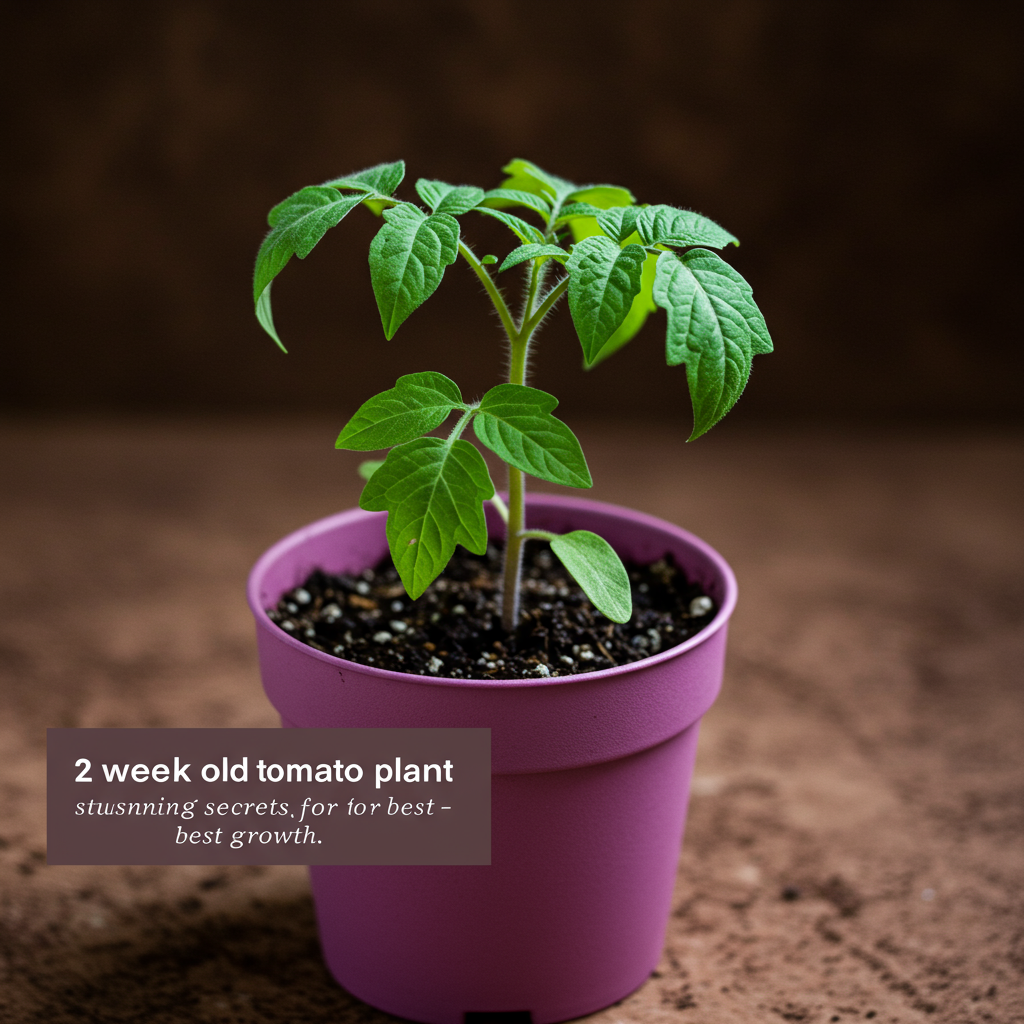
When selecting a seedling, look for one with a thick, sturdy stem, deep green leaves, and no signs of yellowing or pest damage. A plant that is about 6-10 inches tall is ideal.
Location, Location, Location
Tomatoes are sun-worshippers, and the Better Boy is no exception. Choose the sunniest spot in your garden—one that receives at least 8 hours of direct, unfiltered sunlight each day. Morning sun is particularly beneficial as it helps to quickly dry dew off the leaves, reducing the risk of fungal diseases.
Ensure the location also has good air circulation. Proper airflow around the plants can further prevent the development of common ailments like blight.
Preparing the Perfect Soil Bed
Tomatoes are heavy feeders and thrive in rich, well-draining soil. Taking the time to amend your soil before planting is the single most important investment you can make in your crop’s success.
1. Loosen the Soil: Use a garden fork or tiller to loosen the soil to a depth of at least 12 inches. This allows the roots to spread easily and access water and nutrients.
2. Enrich with Organic Matter: Mix in 2-4 inches of high-quality compost or well-rotted manure. This improves soil structure, enhances drainage, and provides a slow-release source of essential nutrients.
3. Balance the pH: Tomatoes prefer a slightly acidic soil pH between 6.2 and 6.8. If you’re unsure of your soil’s pH, a simple soil test kit can provide valuable insight. You can add lime to raise the pH or sulfur to lower it, if necessary.
The Art of Planting
When it’s time to plant your seedlings (after all danger of frost has passed), follow this technique to encourage a robust root system:
1. Dig a Deep Hole: Dig a hole that is deep enough to bury about two-thirds of the tomato plant.
2. Pinch Off Lower Leaves: Gently pinch off the lowest sets of leaves from the seedling’s stem.
3. Plant Deep: Place the seedling in the hole, burying the now-bare portion of the stem. The tiny hairs (trichomes) on the stem will transform into roots, creating a much stronger and more extensive root system that can absorb more water and nutrients.
4. Backfill and Water: Fill the hole with your prepared soil, gently patting it down to remove air pockets. Water the plant thoroughly at its base to help settle the soil and reduce transplant shock.
5. Spacing: Space your Better Boy plants at least 3 feet apart. While they may look small now, they will grow into large, sprawling vines that need ample room for air circulation.
Cultivating Your Better Boy Tomatoes for Maximum Yield
With your plants in the ground, a consistent care routine will ensure they remain healthy and productive throughout the summer.
Watering Wisely
Consistent moisture is crucial for developing large, crack-free tomatoes. Water your plants deeply and infrequently, rather than giving them a shallow sprinkle every day.
Method: Use a soaker hose or drip irrigation to deliver water directly to the soil at the base of the plant. This keeps the foliage dry, which is key to preventing disease.
Frequency: Aim to provide about 1-1.5 inches of water per week, either from rainfall or irrigation. In the peak of summer heat, you may need to water more frequently. Check the soil by sticking your finger in a few inches deep; if it’s dry, it’s time to water.
Mulch: Apply a 2-3 inch layer of organic mulch (such as straw, shredded leaves, or grass clippings) around the base of your plants. Mulch helps retain soil moisture, suppress weeds, and regulate soil temperature.
Feeding Your Hungry Plants
Better Boy tomatoes have a hearty appetite. A proper feeding schedule will fuel their growth and fruit production.
Initial Boost: If you amended your soil with plenty of compost, your plants will have a good start. You can add a handful of balanced, all-purpose organic fertilizer to the planting hole for an extra boost.
Ongoing Feeding: Once the first fruits begin to set and grow to the size of a marble, begin feeding your plants every 2-3 weeks with a fertilizer formulated for tomatoes or one that is lower in nitrogen and higher in phosphorus and potassium. Too much nitrogen will result in lush, green foliage but very little fruit.
The Importance of Support
As indeterminate vines, Better Boy plants will grow tall and unruly without support. Staking or caging them is not optional—it’s essential for plant health and a manageable harvest.
Cages: A sturdy, large-diameter tomato cage is the easiest method. Simply place it over the seedling at planting time and guide the growing stems inside the cage as the plant develops.
Stakes: Drive a tall, sturdy stake (6-8 feet) into the ground about 4 inches from the plant’s base. As the main stem grows, loosely tie it to the stake every 8-12 inches using soft garden twine or cloth strips.
Trellising: More advanced systems like the “Florida Weave” can support an entire row of tomatoes efficiently.
Supporting your plants keeps fruit off the ground (preventing rot and pest damage), improves air circulation, and makes harvesting much easier.
The Secret to a Second Harvest: Mid-Season Rejuvenation
Here is the technique that separates a good harvest from a truly spectacular one. Because Better Boy tomatoes are indeterminate, they have the genetic potential to produce fruit continuously. However, by mid-summer, many plants can look stressed, leggy, and less productive after putting all their energy into their first major flush of fruit. With a strategic mid-season prune and feed, you can revitalize the plant and trigger a second, vigorous wave of growth and fruit production for the fall.
Step 1: Timing is Everything
The ideal time for this “rejuvenation prune” is in mid-to-late summer, typically after you have harvested the majority of the first large crop. The plant may look a bit tired, with some yellowing on the lower leaves.
Step 2: The Pruning Process
This feels dramatic, but trust the process. Your goal is to remove old, unproductive growth and encourage the plant to send out new, vigorous, fruit-bearing shoots.
Remove Lower Foliage: Start by removing all leaves and stems below the lowest remaining fruit cluster. These leaves are the oldest and most susceptible to disease.