There’s a reason hostas are everywhere. From suburban gardens to sprawling estates, these shade-loving perennials have earned their reputation as reliable, beautiful, and endlessly versatile plants. With their bold leaves ranging from deep blue-green to bright chartreuse, hostas add texture and color to spots where other plants simply won’t grow.
But if you grow hostas, you already know they have a few enemies: hungry slugs, poor soil, and the occasional gardener who isn’t sure what they actually need to thrive.
Here’s a question I hear often: Can I use coffee grounds on my hostas?

The short answer is yes. Coffee grounds can be a fantastic, natural addition to your hosta care routine—when used correctly. In this guide, I’ll walk you through everything you need to know, from the science behind why coffee grounds work to exactly how to apply them for the best results.
Why Hostas Deserve a Little Extra Care
Before we dive into coffee grounds, let’s talk about what hostas actually need. These plants are beloved for their foliage, not their flowers (though the blooms are a nice bonus). To get those big, healthy leaves that make hostas so desirable, you need to pay attention to three things:
-
Rich, well-draining soil — Hostas are heavy feeders that thrive in soil packed with organic matter.
-
Consistent moisture — Not soggy, but evenly moist soil encourages robust growth.
-
Protection from pests — Slugs and snails can turn a beautiful hosta into Swiss cheese overnight.
When you get these three elements right, hostas reward you with years of lush, dependable growth. And coffee grounds? They can help with all three.
What Makes Coffee Grounds So Beneficial for Hostas?
Coffee grounds aren’t just kitchen waste. They’re a surprisingly effective soil amendment with multiple benefits for shade-loving plants like hostas.
1. A Gentle, Slow-Release Source of Nitrogen
Nitrogen is essential for leafy growth, and hostas are all about the leaves. Coffee grounds contain about 2% nitrogen by volume, along with smaller amounts of phosphorus and potassium. When added to soil, they break down slowly, providing a steady supply of nutrients rather than a sudden burst that can cause problems.
This slow-release nature makes coffee grounds ideal for hostas, which prefer consistent feeding over heavy, infrequent fertilization.
2. Improved Soil Structure and Drainage
One of the most overlooked benefits of coffee grounds is their effect on soil structure. Hostas need soil that holds moisture but doesn’t stay waterlogged. Coffee grounds add organic matter that:
-
Loosens heavy clay soil, improving drainage
-
Helps sandy soil retain moisture and nutrients
-
Encourages beneficial earthworms and soil microorganisms
Better soil structure means stronger roots, and stronger roots mean bigger, healthier hosta leaves.
3. Natural Slug and Snail Deterrent
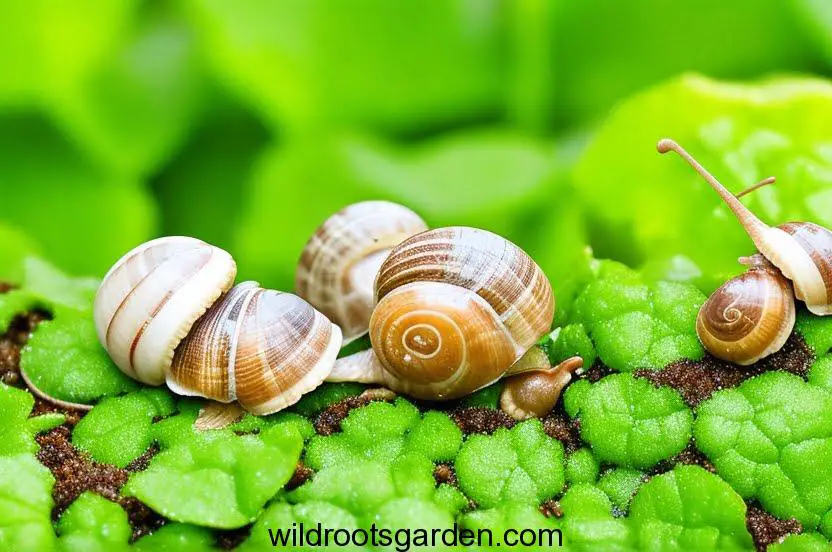
If you grow hostas, you’ve probably battled slugs. These pests love hosta leaves, and they can decimate a plant in just a few nights.
Here’s where coffee grounds offer a bonus benefit. Slugs and snails are repelled by caffeine and the coarse texture of coffee grounds. Sprinkling a thin layer around your hostas creates a barrier that many slugs will simply avoid.
Important note: This is a deterrent, not a guaranteed solution. In wet conditions or with heavy slug pressure, you may need additional measures. But as part of an integrated pest management approach, coffee grounds can help.
4. Slight Acidity That Hostas Appreciate
Coffee grounds are mildly acidic, with a pH typically between 6.2 and 6.8. Hostas prefer slightly acidic soil, generally in the 6.0 to 7.0 range. For most gardeners, coffee grounds help maintain that ideal pH without dramatic shifts.
However—and this is important—if your soil is already highly acidic (below 6.0), you’ll want to be cautious. More on that below.
The Critical Precautions: What You Need to Know Before Using Coffee Grounds
Coffee grounds are beneficial, but they can cause problems if used incorrectly. Let’s cover the most important precautions so you get the benefits without the risks.
Don’t Use Fresh Coffee Grounds
Fresh coffee grounds contain caffeine and other compounds that can inhibit plant growth. While the levels are low, they can still be problematic—especially for young or newly planted hostas.
Always let your coffee grounds decompose first. The safest approach is to add them to your compost pile for a few weeks before applying. If you don’t have a compost pile, spread them thinly on the soil and let them age for a week or two before watering them in.
Use in Moderation
More is not better. Too many coffee grounds can create a dense, water-repellent layer on the soil surface. They can also temporarily tie up nitrogen as they decompose, causing the opposite of the effect you want.
A good rule of thumb: about 1 cup of coffee grounds per 10 square feet of soil, applied no more than once a month during the growing season.
Watch Your Soil pH
While coffee grounds are only mildly acidic, using large amounts repeatedly over time can gradually lower soil pH. Hostas can tolerate slightly acidic conditions, but if your soil drops below 6.0, you may see:
-
Slowed growth
-
Smaller leaves
-
Poor overall vigor
If you’re concerned, pick up a simple soil pH test kit from any garden center. If your pH is too low, a light application of garden lime can bring it back into balance.
Keep Grounds Away from Stems and Crowns
When applying coffee grounds, avoid piling them directly against the base (crown) of your hostas. Moist coffee grounds can promote rot if they’re in constant contact with the plant’s crown. Instead, spread them in a thin ring around the plant, leaving a few inches of bare soil around the base.
How to Use Coffee Grounds on Hostas: Step-by-Step
Ready to give it a try? Here are three effective methods, from simplest to most thorough.
Method 1: Composted Coffee Grounds (Best Overall)
This is my preferred method because it maximizes benefits while minimizing risks.
-
Collect used coffee grounds in a container. Let them dry slightly to prevent mold.
-
Add them to your compost pile along with brown materials like dried leaves, shredded paper, or cardboard. Aim for coffee grounds to make up no more than 20–25% of your compost.
-
Turn the compost regularly and wait until it’s dark, crumbly, and smells earthy.
-
Apply the finished compost around your hostas in spring or early summer. Spread a 1–2 inch layer around each plant, keeping it away from the crown.
Method 2: Direct Application (Use Sparingly)
If you don’t have a compost pile, you can apply coffee grounds directly—just be cautious.
-
Let used coffee grounds sit for at least a week after brewing to allow some of the caffeine to break down.
-
Spread a thin layer (no more than ¼ inch) around the base of each hosta, keeping grounds away from the crown.
-
Gently rake them into the top inch of soil to prevent crusting.
-
Water thoroughly to help the grounds settle and begin decomposing.
-
Repeat no more than once a month during the growing season.
Method 3: Coffee Ground “Tea” (Quick Nutrient Boost)
For a fast, gentle feeding, try making a liquid fertilizer:
-
Steep 2 cups of used coffee grounds in 5 gallons of water for 24–48 hours.
-
Strain out the solids (add them to your compost).
-
Use the liquid to water your hostas at the base, not on the leaves.
-
Apply every 2–3 weeks during active growth.
This method delivers nutrients quickly without the risk of soil buildup.
Other Organic Amendments Hostas Love
Coffee grounds are a great tool, but they shouldn’t be your only one. Here are other natural options to create the rich, organic soil hostas crave:
| Amendment | Key Benefit | How to Use |
|---|---|---|
| Compost | Balanced nutrition and soil structure | Apply as a 1–2 inch top dressing annually |
| Leaf mold | Excellent moisture retention | Use as mulch or mix into soil |
| Well-rotted manure | Rich in organic matter and nutrients | Apply in fall or early spring, aged first |
| Worm castings | Gentle, nutrient-rich soil conditioner | Mix into soil or use as a top dressing |
| Seaweed extract | Trace minerals and growth hormones | Use as a foliar spray or soil drench |
For the healthiest hostas, aim to build your soil over time with a variety of organic materials. Coffee grounds can be one part of that strategy—not the whole plan.
Signs Your Hostas Are Thriving (or Struggling)
Learning to read your plants is the most important skill any gardener can develop. Here’s what to watch for when using coffee grounds or any organic amendment.
Signs of Success
-
Large, healthy leaves with good color for the variety
-
Steady expansion of the clump year over year
-
Strong root system when dividing
-
Minimal slug damage (coffee grounds can help with this!)
Signs You May Be Overdoing Coffee Grounds
-
Leaves turning yellow, especially between the veins — could indicate pH imbalance
-
Slow growth despite feeding — may need more balanced nutrition
-
A crusty layer of coffee grounds on the soil surface — means you’re applying too much or not mixing them in
-
Wilting despite adequate water — possible root issues from poor drainage
If you notice any of these, stop using coffee grounds for a few weeks and water thoroughly. If problems persist, test your soil pH and consider a balanced organic fertilizer.
Frequently Asked Questions
Can I put coffee grounds directly on hosta leaves?
No. Coffee grounds should be applied to the soil, not the leaves. Grounds on foliage can encourage mold and don’t provide any benefit to the plant itself.
How often should I apply coffee grounds to my hostas?
Once every few weeks during the growing season is plenty. More frequent applications increase the risk of nutrient imbalance or soil pH issues.
Will coffee grounds attract pests?
They may deter slugs and snails, but they can attract ants if left in thick layers on the soil surface. Always mix grounds into the soil or use them in compost to avoid this issue.
Can I use coffee grounds on hostas in containers?
Yes, but with extra caution. Container soil has less buffering capacity than garden soil. Use just 1–2 tablespoons per pot, mixed into the top layer of soil, and apply no more than once a month.
What about using coffee grounds from flavored coffee?
Stick to plain, unflavored coffee grounds. Artificial flavors and additives don’t benefit your plants or soil microbiology.
Can I use coffee grounds if my soil is already acidic?
Yes, but proceed carefully. If your soil pH is below 6.0, test it regularly. Composting coffee grounds before use helps neutralize some of their acidity. If pH drops further, stop using grounds and apply garden lime as needed.
The Bottom Line
So, are coffee grounds good for hostas? Absolutely—when used thoughtfully.
These humble kitchen scraps offer a free, sustainable way to provide nitrogen, improve soil structure, and even deter slugs. The key is patience and moderation. Compost them first, use them sparingly, and always balance them with other organic materials.
I’ve been using coffee grounds on my hostas for years. There’s something deeply satisfying about watching those first leaves unfurl in spring, knowing you fed them with what was once just morning fuel. And when the slugs stay away and the leaves reach their full, glorious size? That’s a win any gardener can appreciate.