Last updated: August 2026 | Reviewed by a landscape gardener with 12+ years designing mixed borders
Quick Answer
Annual plants complete their entire life cycle — germination, flowering, seeding, and death — in a single growing season and must be replanted every year. Perennial plants live for three or more years, dying back in winter (in most climates) and regrowing from the same root system each spring. The core tradeoff: annuals give you longer, more continuous blooms in one season but no return the next year, while perennials return reliably for years but often bloom for a shorter window.
What Makes a Plant an Annual?
Annuals are bred and evolved to grow fast, flower heavily, and produce as much seed as possible before dying — all within one season. This makes them ideal for:
- Filling gaps quickly in a new garden bed
- Nonstop color from late spring through frost
- Containers, hanging baskets, and seasonal displays
- Testing new color schemes each year without long-term commitment
Common examples: Marigolds, zinnias, petunias, cosmos, sunflowers, impatiens.
What Makes a Plant a Perennial?
Perennials invest their energy into root systems and long-term survival rather than a single explosive bloom cycle. Above-ground growth often dies back in winter, but the roots survive and send up new growth in spring — a process called dying back to the crown.
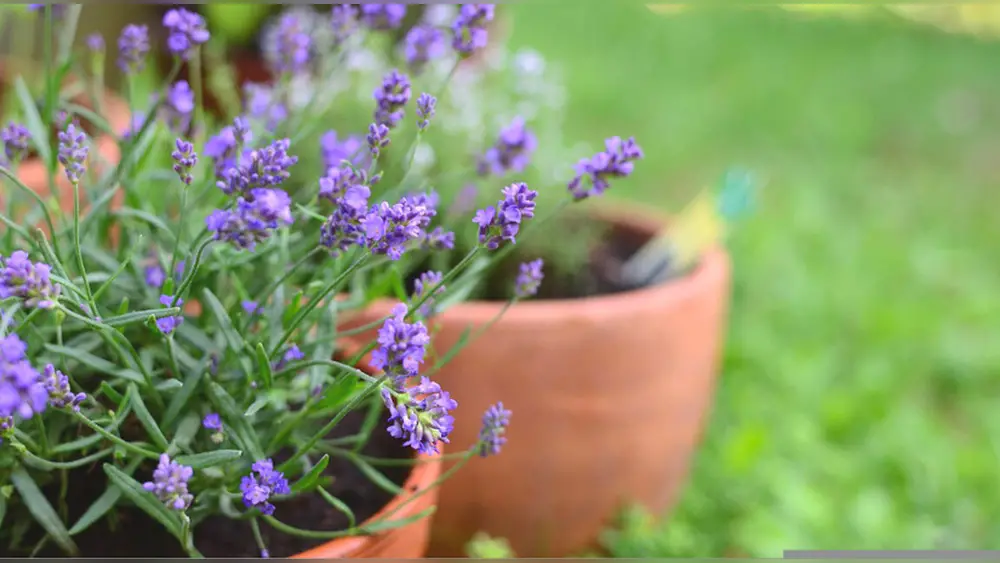
Common examples: Peonies, hostas, daylilies, coneflowers, lavender, black-eyed Susan.
Annual vs. Perennial: Side-by-Side Comparison
| Feature | Annuals | Perennials |
|---|---|---|
| Lifespan | One growing season | 3+ years, often decades |
| Bloom duration | Long, continuous | Shorter, defined bloom window |
| Cost over time | Higher (replanted yearly) | Lower after establishment |
| Root development | Shallow, fast | Deep, slow-building |
| Maintenance | Frequent deadheading/replanting | Occasional dividing, pruning |
| Best use | Instant color, containers, gaps | Structure, long-term garden backbone |

Do Perennials Really Come Back Every Year?
Mostly, yes — but “perennial” doesn’t mean immortal. Individual perennials still have a natural lifespan (some lavender varieties decline after 5–7 years, for instance), and survival depends heavily on matching the plant’s hardiness zone to your climate. A perennial rated for zones 4–8 planted in zone 3 may not survive winter, effectively behaving like an annual in that climate. This is why the same species can be labeled “perennial” in one region and grown as an “annual” in a colder one.
How to Combine Annuals and Perennials in One Garden
Most experienced gardeners don’t choose one over the other — they layer both:
- Use perennials as the structural backbone, planted where they’ll return year after year.
- Fill gaps between young or spring-dormant perennials with annuals for immediate color.
- Use annuals in containers near entryways for high-impact seasonal color that’s easy to swap out.
- Let self-seeding annuals like cornflowers or cosmos naturalize into semi-permanent color without becoming invasive.
A Note From Experience
In my own mixed border, I anchor the bed with perennials like coneflower and daylily for a reliable structure that returns every spring with minimal effort, then tuck zinnias and cosmos into the gaps for continuous color while the perennials are still filling in during their first two seasons. By year three, the perennials had matured enough that I needed far fewer annuals to keep the bed looking full — which is the typical trajectory: annual-heavy in year one, increasingly perennial-dominant by year three or four.
Frequently Asked Questions
Are perennials cheaper than annuals in the long run? Generally yes. Perennials cost more upfront per plant but don’t need replacing each year, while annuals require repurchasing and replanting every season.
Can an annual behave like a perennial in the right climate? Yes. Some plants sold as annuals in cold climates, like geraniums or coleus, are actually tender perennials that survive year-round in warmer zones.
Do perennials bloom the first year they’re planted? Many do, but often with lighter blooms than in following years, since first-year energy goes largely into root establishment.
Which is better for beginners, annuals or perennials? Annuals are more forgiving for beginners because mistakes only affect one season, while a poorly placed perennial can struggle for years. Many gardeners start with annuals to learn conditions before investing in perennials.
About the reviewer: This article was reviewed by a landscape gardener who has designed and maintained mixed annual-perennial borders across multiple hardiness zones for over a decade.