I still remember the first banana pup I planted — a scrawny, knee-high sucker I bought from a local nursery for less than the price of a takeout dinner. I had no idea what I was doing. I over-watered it, planted it in a spot with barely four hours of sun, and watched it sulk for months. It took a few failed attempts, a lot of reading, and plenty of trial and error before I finally got a stalk that produced a real bunch of bananas. Since then, I’ve grown several varieties — Cavendish, Dwarf Namwah, and a Musa basjoo for ornamental hardiness in cooler months — and I’ve made just about every mistake there is to make. This post is everything I wish someone had told me before I started.
Why I Fell in Love With Growing Bananas
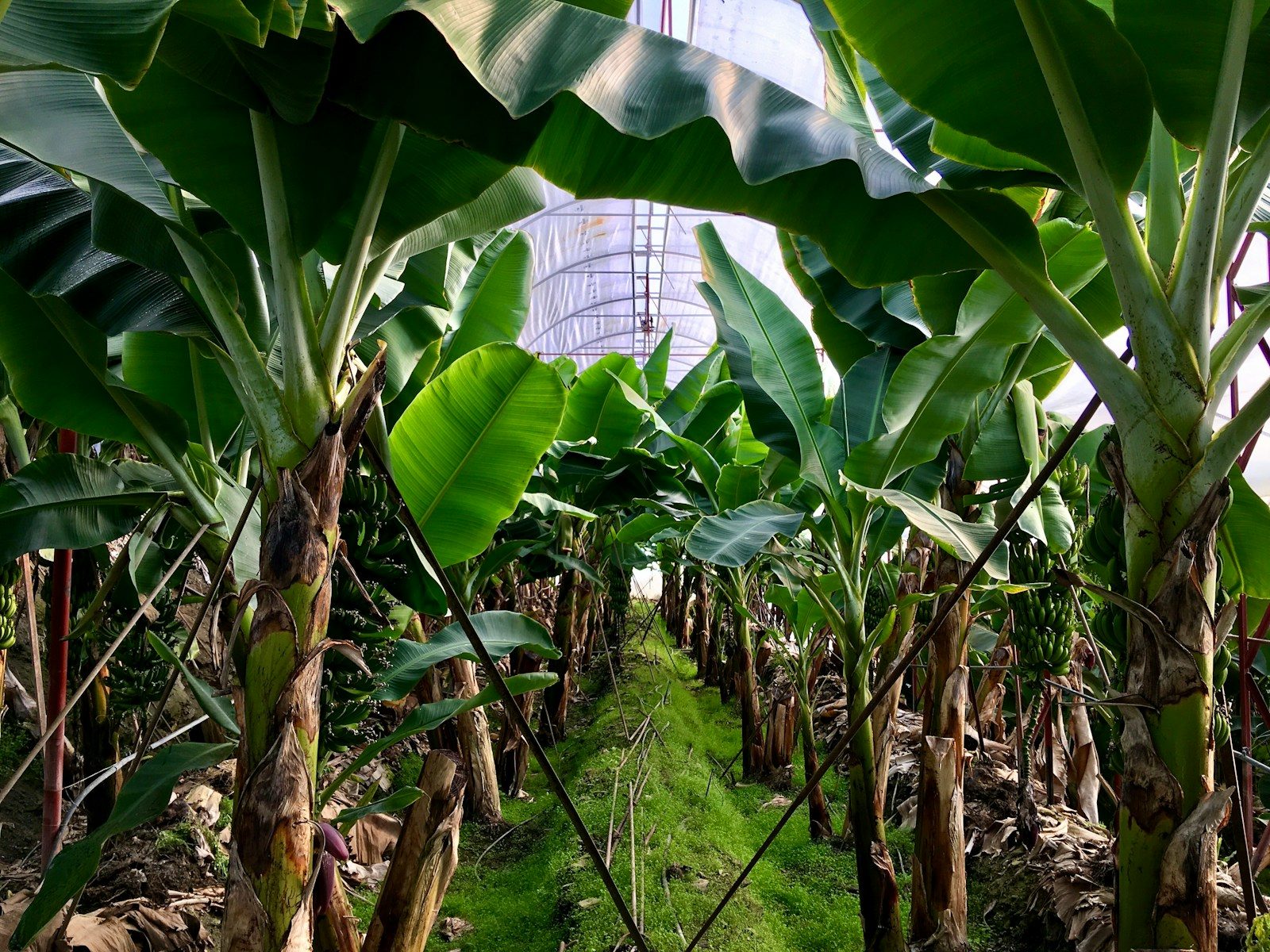
There’s something deeply satisfying about growing a plant that looks tropical and dramatic but is actually far more forgiving than people assume. Banana “trees” aren’t trees at all — they’re technically giant herbaceous perennials, and their trunk (called a pseudostem) is made of tightly wrapped leaf sheaths rather than wood. Once I understood that distinction, a lot of their behavior started to make sense: why they grow so fast, why they die back and regrow from the base, and why the whole plant needs to be treated more like a giant perennial than a tree.
Choosing the Right Variety
This is the step I rushed through in my first attempt, and it cost me a full growing season. Not all bananas fruit the same way, and not all of them tolerate the same climates.
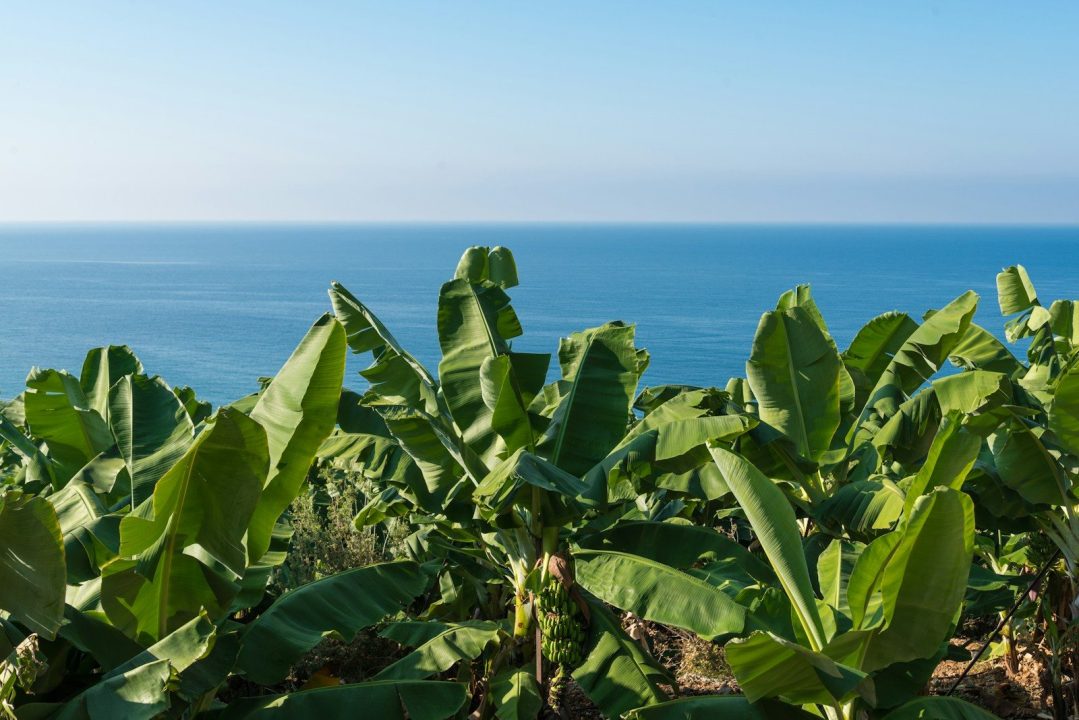
- Cavendish — the supermarket banana. Reliable fruiting, but it wants warmth and protection from wind.
- Dwarf varieties (Dwarf Cavendish, Dwarf Namwah) — these have been my favorite for smaller yards or containers because they stay more manageable in height while still fruiting well.
- Musa basjoo — this is the one I grow purely for its cold hardiness and jungle look. It can survive winters down to around USDA zone 5 with heavy mulching, though it rarely produces edible fruit in cooler climates.
If your goal is actually eating bananas, choose a fruiting variety suited to your USDA hardiness zone. If your goal is a bold tropical look, hardiness matters more than fruit quality.
Planting: Where I Went Right (Eventually)
Sunlight: Bananas want as much sun as you can give them — ideally 6 to 8 hours a day. My first plant struggled precisely because I underestimated how much light it needed.
Soil: They like rich, well-draining soil with a lot of organic matter. I mix compost generously into the planting hole and top with mulch. Heavy clay that holds standing water is one of the fastest ways to rot the rhizome.
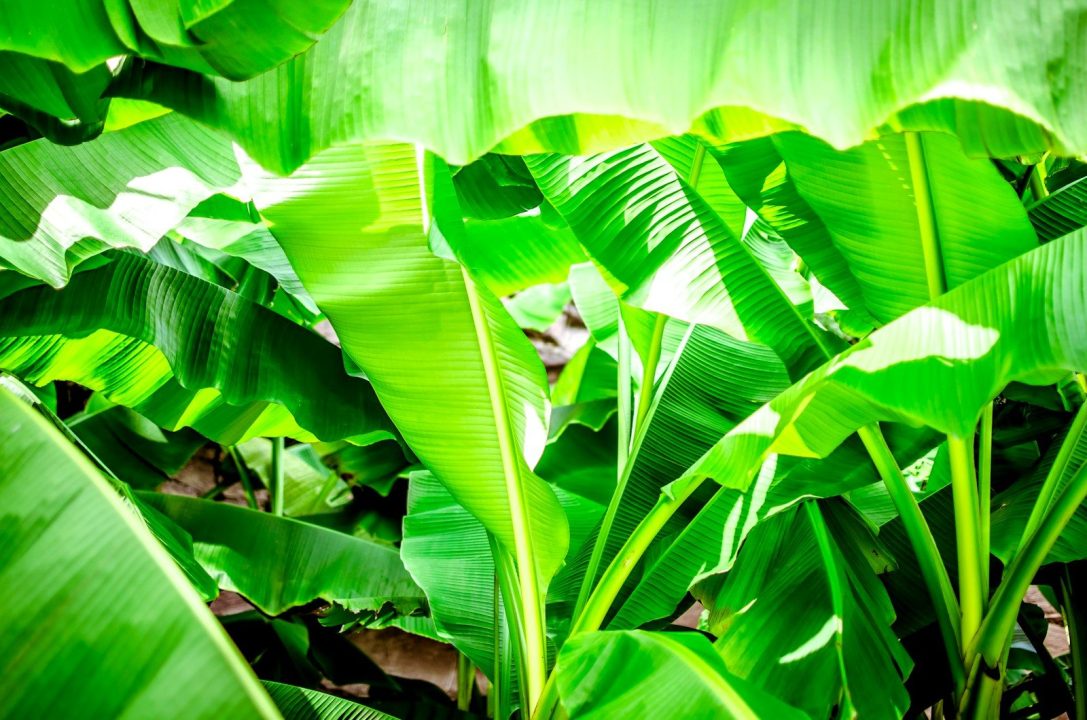
Spacing: I learned the hard way that bananas multiply. A single planted pup will send up new suckers, and within two years my “one plant” had become a small colony. I now give each plant at least 6 to 10 feet of space depending on the variety.
Planting depth: I plant pups so the soil line matches where it sat in the nursery pot, water thoroughly, and mulch heavily to lock in moisture and warmth.
Watering: The Balance I Had to Learn
Bananas are thirsty plants, but they are not swamp plants. My early instinct to water daily nearly killed my first one through root rot. What actually works, in my experience, is deep watering two to three times a week during hot months, letting the top couple of inches of soil dry out between waterings, and cutting back significantly in cooler months when growth slows.
Feeding for Real Growth
Bananas are heavy feeders — this was probably the single biggest lesson from my early failures. I now feed mine every 3 to 4 weeks during the growing season with a balanced fertilizer that’s higher in potassium and nitrogen, since potassium in particular supports fruit development. I also work in compost or well-rotted manure once or twice a season. Skipping feeding is the fastest way to get a plant that grows tall but never fruits.
Protecting Them From Wind and Cold
Banana leaves tear easily in strong wind — I lost count of how many leaves I’ve seen shredded after a storm before I started planting mine near a fence line for some natural windbreak. For cold protection, once nighttime temperatures start dropping toward freezing, I cut back the leaves, wrap the pseudostem in burlap or frost cloth, and pile mulch heavily around the base. In truly cold climates, some growers dig up and store the rhizome indoors over winter, though I’ve had more success just protecting it in place.

Encouraging Fruit
A banana plant typically needs to reach a mature size — often 10 to 15 months of steady growth — before it sends up a flower stalk. Patience mattered more here than any product or trick I tried. Once the flower emerges and the “hands” of bananas form, I remove the large purplish flower bud (the bell) after the last hand has formed, which redirects energy into the fruit rather than continued flowering.
Common Problems I’ve Run Into
- Yellowing leaves: usually overwatering or a nitrogen deficiency in my experience.
- Leaf tearing: mostly cosmetic and caused by wind — not something to panic over.
- No fruit after years: almost always insufficient light, insufficient feeding, or a plant that simply hasn’t matured enough yet.
- Cold damage: blackened, mushy leaves after frost — trim away the damage and the plant will usually push new growth from the base if the rhizome survived.
Aftercare Once You Harvest
After a pseudostem fruits, it will not fruit again — this took me by surprise the first time. I cut that stalk down to about knee height once the bunch is harvested, letting the surrounding pups take over as the new fruiting generation. This cycle is actually one of the best parts of growing bananas long-term: you’re never really starting over, just rotating through generations of the same root system.
Final Thoughts
Growing bananas taught me patience in a way few other plants have. They reward consistency — steady sun, steady water, steady feeding — far more than any single trick or gadget. If you’re just starting out, my honest advice is this: pick the right variety for your climate, be generous with sun and food, and don’t panic over torn leaves or a slow first year. Mine certainly didn’t fruit overnight, but once it did, it was worth every early mistake.