If you want to create a vibrant, buzzing garden in Florida, choosing the right plants is key. The best bee plants for Florida not only survive the heat and humidity but also attract hardworking pollinators that keep your garden thriving.
Imagine your outdoor space filled with colorful flowers that invite bees, helping your fruits, vegetables, and flowers grow stronger and healthier. You’ll discover easy-to-grow, heat-tolerant plants that are perfect for your Florida garden and irresistible to bees. Ready to boost your garden’s beauty and productivity?
Keep reading to find out which plants will make your garden a bee paradise all year round.
Top Bee Plants For Florida
Florida’s warm climate supports many plants that attract bees. Choosing the right bee plants helps support local pollinators. Native plants suit Florida’s environment best. They provide nectar and pollen throughout the year. These plants also need less water and care.
Planting a variety of flowers, shrubs, trees, and herbs creates a healthy habitat for bees. Diverse plants bloom at different times. This ensures bees find food all seasons. Here are top bee plants perfect for Florida gardens.
Native Wildflowers
Native wildflowers attract many types of bees. They are adapted to Florida’s soil and weather. Butterfly Milkweed offers bright orange blooms rich in nectar. Coreopsis is a sunny yellow flower loved by bees. Blanketflower shows red and yellow petals that attract pollinators. Wild Bee Balm has purple flowers with strong scents. These wildflowers bloom in spring and summer, feeding bees with nectar and pollen.
Shrubs And Trees
Shrubs and trees provide food and shelter for bees. American Beautyberry has purple berries and small flowers. Buttonbush offers round flower clusters that bloom in summer. Eastern Redbud shows pink flowers early in spring. Indigo Bush has dense green leaves and purple flowers. These plants bloom at different times, helping bees stay active throughout the year.
Herbs That Attract Bees
Herbs are easy to grow and attract many bees. Anise Hyssop produces purple flowers with a sweet scent. Lavender’s purple spikes are rich in nectar. Basil flowers attract small native bees. Rosemary has tiny blue flowers that bloom in winter. These herbs add beauty and fragrance while feeding pollinators.

Credit: xerces.org
Heat-tolerant Bee Plants
Heat-tolerant bee plants thrive under Florida’s hot sun and humidity. These plants keep blooming even in dry spells. They offer nectar and pollen to bees throughout the summer months. Choosing heat-loving plants supports local bee populations and keeps your garden colorful year-round.
Lantana And Hibiscus
Lantana is a tough shrub with bright flower clusters. Bees love its mix of orange, yellow, and red blooms. It requires little water and grows well in full sun. Hibiscus shows large, trumpet-shaped flowers in red, pink, or white. This tropical plant attracts many bees with its nectar. Both lantana and hibiscus add beauty and food for bees in hot weather.
Pentas And Salvia
Pentas produce star-shaped flowers in pink, white, and purple. They bloom all summer long, even in heat. Salvia offers spikes of tubular flowers that bees enjoy. These plants handle Florida’s heat and dryness with ease. Pentas and salvia work well in beds or containers for pollinator gardens.
Sunflowers And Coreopsis
Sunflowers are tall and bright, perfect for attracting bees. Their large heads hold many seeds and nectar. Coreopsis features daisy-like yellow flowers that bloom nonstop. Both plants survive hot, sunny conditions and need little care. Sunflowers and coreopsis bring energy and life to bee-friendly gardens.
Color Preferences Of Bees
Bees rely heavily on colors to find flowers rich in nectar and pollen. Their vision differs from humans, making certain hues more attractive. Understanding these preferences helps gardeners choose the best bee plants for Florida. This knowledge supports healthy bee populations and vibrant gardens.
Colors That Attract Bees
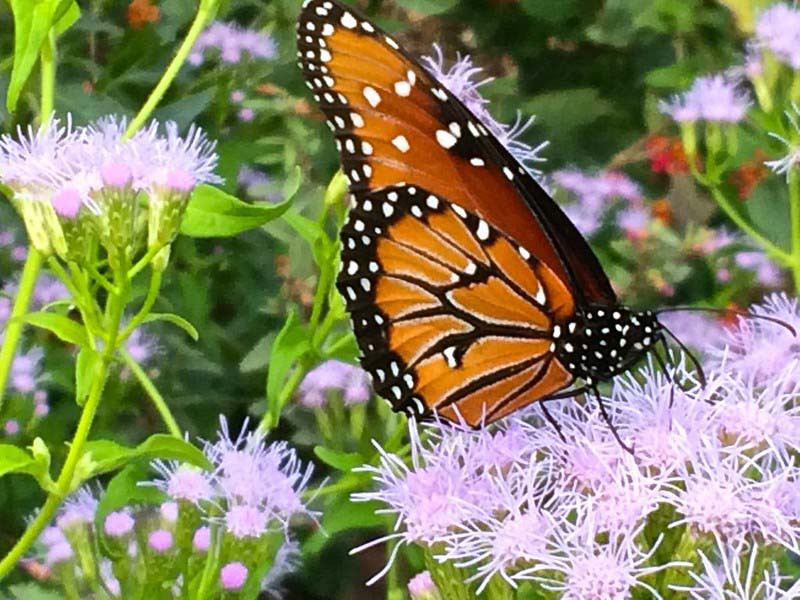
Bees see colors in the ultraviolet range, beyond human sight. They are most attracted to blue, violet, white, and yellow flowers. Red flowers rarely attract bees because they cannot see red well. Bright colors stand out and signal food sources. In Florida gardens, plants like blue salvia and yellow coreopsis draw many bees. Choosing flowers in these colors increases bee visits and pollination.
Flower Shapes And Landing Pads
Bees prefer flowers with open shapes and easy landing spots. Daisy-like flowers with wide petals provide a perfect landing pad. Tubular flowers may attract some bees, but flat flowers are easier to access. Coneflowers and black-eyed Susans are examples of shapes that attract bees in Florida. Providing suitable flower shapes helps bees collect nectar and pollen efficiently. This encourages more frequent visits and better pollination in your garden.
Credit: www.gardenia.net
Designing A Bee-friendly Garden
Designing a bee-friendly garden in Florida helps support local pollinators. Bees need a safe space with plenty of food and shelter. Creating a garden with the right plants can attract many bee species. This guide shows how to mix plants for a healthy, buzzing garden.
Mixing Annuals And Perennials
Use both annual and perennial plants to provide varied blooms. Annuals bloom quickly and last all season. Perennials return year after year, offering steady food. Combining both types keeps bees busy from spring to fall. Choose flowers in colors bees prefer like blue, white, and yellow. Avoid red flowers, as bees can’t see them well.
Incorporating Shrubs And Trees
Shrubs and trees give bees shelter and extra nectar. Many Florida native trees like Eastern Redbud attract bees. Shrubs such as American Beautyberry offer food and cover. These plants create layers in your garden, supporting different bee species. They also provide shade and help keep soil moist.
Providing Continuous Blooms
Ensure your garden blooms all year to supply constant food. Plant early bloomers like Aquatic Milkweed for spring pollen. Summer favorites include Lantana and Salvia, which thrive in heat. In fall, asters and coneflowers keep bees fed. Stagger planting times so flowers appear one after another. This keeps bees healthy and active throughout the year.
Additional Heat-resistant Plants
Florida’s hot climate demands plants that can handle heat and still attract bees. Additional heat-resistant plants add beauty and support pollinators all year. These plants stay strong under the sun and provide nectar and pollen for bees. Their durability helps maintain a healthy garden even in summer’s peak heat.
Crotons And Bromeliads
Crotons show off bright, colorful leaves that last through heat. Bees visit their small flowers for nectar. Bromeliads hold water in their leaves, creating mini habitats for bees and other insects. Both plants thrive in Florida’s warm weather and add tropical flair to your garden.
Succulents And Ornamental Grasses
Succulents store water in thick leaves, making them drought-tolerant and heat-resistant. Many succulents produce flowers that attract bees. Ornamental grasses sway in the breeze and survive Florida’s heat with little care. They provide shelter and nesting spots for native bees.
Palms And Bottlebrush
Palms bring shade and structure to sunny spots. Some palms bloom, giving bees nectar. Bottlebrush plants have bright red flowers shaped like brushes, perfect for bee visits. Both plants handle high temperatures well and add texture and color to bee-friendly landscapes.
Supporting Native Bee Populations
Supporting native bee populations is vital for Florida’s ecosystems and gardens. Native bees pollinate many plants, helping flowers bloom and fruits grow. These bees are adapted to the local environment and plants. Protecting them improves biodiversity and strengthens natural habitats. Small actions in your garden can make a big difference for native bees.
Creating Habitat
Native bees need safe places to live and nest. Leave patches of bare soil for ground-nesting bees. Provide dead wood or hollow stems for cavity-nesting species. Plant a variety of native flowering plants that bloom at different times. This offers food and shelter through the seasons. Avoid clearing all leaf litter and brush, as these materials support bee homes.
Avoiding Pesticides
Pesticides can harm native bees directly or reduce their food sources. Use natural pest control methods instead. Choose plants that resist pests naturally. Apply pesticides only at night when bees are inactive. Read labels carefully and select bee-friendly products. Reducing chemical use helps bees survive and thrive in your garden.
Water Sources For Bees
Bees need clean water to drink and cool their hives. Provide shallow water dishes with stones or twigs for landing. Change the water daily to prevent mosquitoes. Natural water sources like puddles, streams, or ponds also help. Avoid chlorinated tap water if possible. Water availability supports healthy bee populations year-round.
Credit: www.gardenia.net
Frequently Asked Questions
What Florida Plants Attract Bees?
Florida plants that attract bees include Indigo Bush, Aquatic and Butterfly Milkweed, White Wild Indigo, American Beautyberry, Button Bush, and Eastern Redbud. These native flowers provide nectar and pollen, supporting local bee populations effectively.
What Plant Attracts Bees The Most?
Wild bee balm (Monarda), coneflowers (Echinacea), and milkweed (Asclepias) attract bees the most due to their nectar and pollen.
How Do You Attract Native Bees To Your Landscape In Florida?
Plant native Florida flowers like milkweed, coneflowers, and button bush. Use yellow, white, blue, or purple blooms with broad petals. Provide bare soil and avoid pesticides. Include shrubs and trees for nesting. Maintain a diverse, pesticide-free garden with continuous blooms to attract native bees year-round.
What Plants Can Survive In The Heat In Florida?
Heat-tolerant plants in Florida include lantana, hibiscus, pentas, salvia, sunflowers, crotons, bromeliads, coreopsis, coneflowers, and succulents. These plants thrive in high heat and humidity with low maintenance.
Conclusion
Choosing the best bee plants for Florida helps support local pollinators. These plants thrive in Florida’s warm climate and attract many bee species. Including a mix of flowers, shrubs, and trees creates a healthy garden environment. Bees love colors like yellow, blue, and purple, so plant accordingly.
Providing food and shelter encourages bees to visit and stay longer. A bee-friendly garden improves pollination and benefits nearby crops. Start planting today to enjoy a vibrant, buzzing garden all year. Healthy bees mean a healthier Florida ecosystem for everyone.