Are you thinking about planting clover in Florida? Clover is a great plant for many reasons. It helps the soil and looks nice. But Florida’s weather is hot and sometimes dry. Not all clovers grow well in this state. So, what is the best clover to grow in Florida? Let’s find out.
Why Grow Clover in Florida?
Clover is a special plant. It can help your grass and garden in many ways. Here are some reasons why clover is a good choice:
- Helps soil: Clover puts nitrogen into the soil. This helps grass and plants grow better.
- Needs less water: Clover can survive dry weather. This is good for Florida’s hot climate.
- Attracts bees: Bees like clover flowers. They help pollinate your garden.
- Keeps green grass: Clover stays green even in dry times.
Still, not all clovers like Florida’s heat and sun. You need to pick the right type.
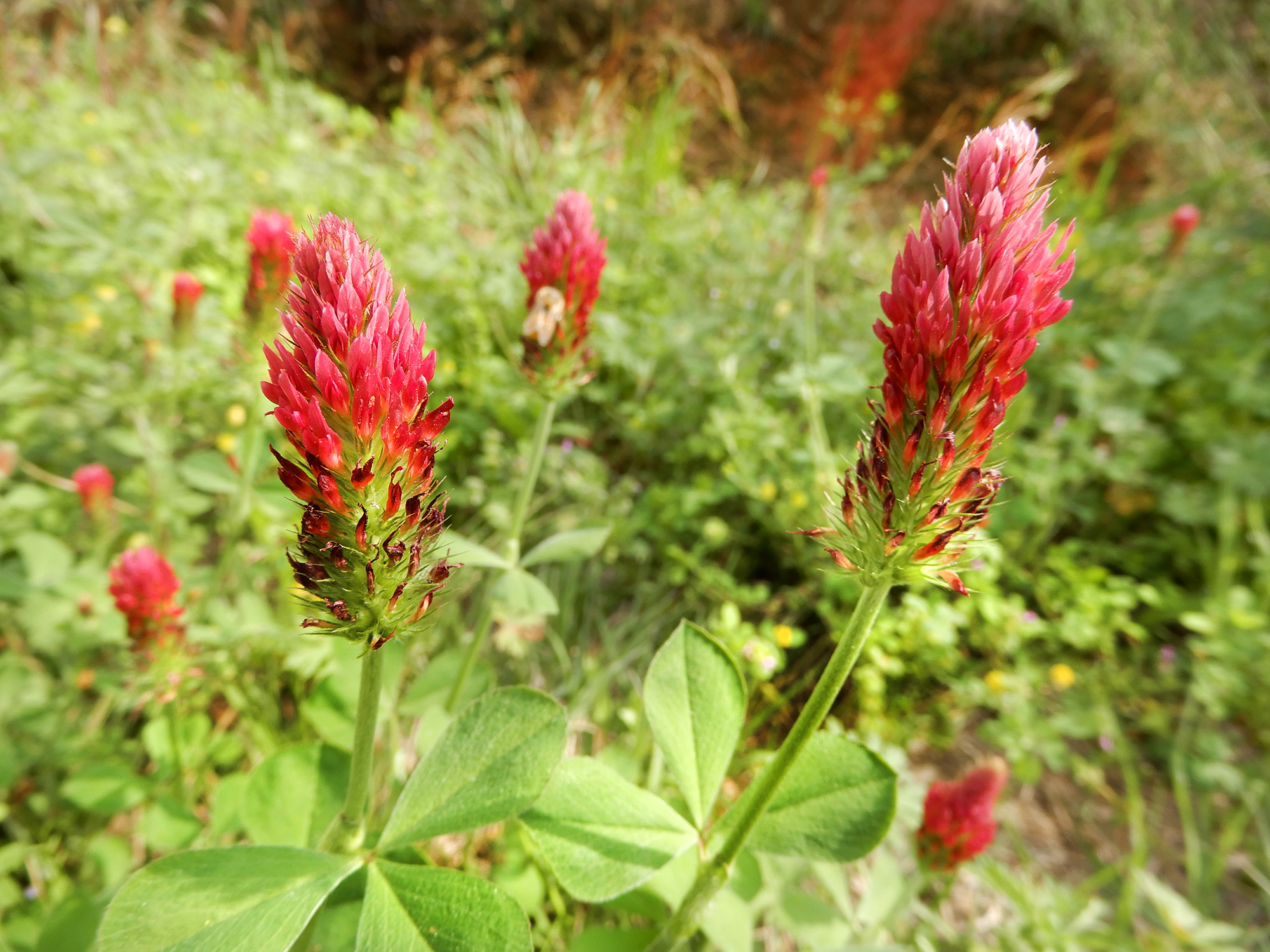
Credit: www.floridamuseum.ufl.edu
Best Clover Types for Florida
There are many kinds of clover. But some grow better in Florida’s warm weather. Here are the top clovers to plant.
1. White Clover (trifolium Repens)
White clover is the most popular clover for Florida. It is strong and grows well in heat. It can handle drought better than other clovers. White clover grows low to the ground. It mixes well with grass. It also fixes nitrogen in the soil to help plants grow.
Why choose white clover?
- It grows well in Florida’s hot climate.
- It stays green most of the year.
- It tolerates walking on it and mowing.
2. Microclover
Microclover is a smaller type of white clover. It looks neat and tidy. It blends well with grass and lawns. Microclover has fewer flowers than regular white clover. This means fewer bees. It is a good choice if you want a smooth, green lawn.
Benefits of microclover:
- Small leaves that mix well with grass.
- Less flower production.
- Stays green even in dry times.
3. White Dutch Clover
White Dutch Clover is a close cousin of white clover. It is very heat tolerant. It handles Florida’s hot summers well. This clover can grow even in places with heavy foot traffic. It also grows low and spreads out fast.
Why pick White Dutch Clover?
- Great for hot climates like Florida.
- Can handle being stepped on a lot.
- Needs less mowing than grass.

Credit: blogs.ifas.ufl.edu
How to Plant Clover in Florida
Planting clover is simple. But a little care helps it grow strong. Here are easy steps to plant clover in your yard.
Step 1: Choose The Best Time
Spring and fall are good times to plant clover in Florida. Try to plant before a rain. This helps keep seeds moist.
Step 2: Prepare Your Lawn
Cut grass short. Remove dead grass and leaves. Rake the soil to make it soft. This helps seeds reach the soil better.
Step 3: Spread Seeds
Scatter clover seeds evenly over the area. You can mix seeds with sand. This helps spread seeds better.
Step 4: Work Seeds Into Soil
Lightly rake the seeds into the soil. This helps seeds stay in place. You can also press the soil down gently.
Step 5: Water Well
Water the area after planting. Keep the soil moist for a few weeks. This helps seeds sprout and grow strong.
Tips for Growing Clover Successfully in Florida
- Check soil pH: Clover likes soil with a pH between 6 and 7. If your soil is too acidic, add lime.
- Keep soil moist: Clover needs water to start. But once grown, it handles dry weather better.
- Watch for bees: Clover flowers attract bees. Be careful if you or your children have bee allergies.
- Reseed every few years: Clover does not last forever. Plant new seeds every 2 to 3 years.
- Mow carefully: Cut clover lawns low but not too short. This helps clover stay healthy.
Pros and Cons of Growing Clover in Florida
| Pros | Cons |
|---|---|
| Helps soil by adding nitrogen | Attracts bees which may sting |
| Stays green during dry weather | Needs reseeding every few years |
| Reduces lawn mowing needs | Can crowd out some grass types |
| Good for foot traffic and pets | Seed losses can happen to birds |
Can You Just Throw Clover Seeds on the Ground?
Yes, you can. But it may not grow well. Seeds need good contact with soil to sprout. If you just throw seeds, many can be lost. Birds may eat them. Sun can dry them out.
Better way: Prepare the ground first. Rake or aerate the soil. Mix seeds with sand or soil. Spread evenly. Water right after planting. Keep moist for weeks.
These steps help clover grow thick and healthy. It is worth the extra work.
Summary
Florida’s hot and dry weather needs special clover types. White Clover, Microclover, and White Dutch Clover work best. They handle heat and drought well.
Planting clover needs some care. Prepare the soil, spread seeds evenly, and water often. This helps clover grow strong and green.
Clover is a great choice for Florida lawns and gardens. It helps soil and stays green in dry times. Just remember to watch for bees and reseed every few years.
With the right clover and care, your Florida yard can be healthy and beautiful.