If you’ve ever watched a basil plant wilt on your windowsill despite your best efforts, or if you simply want fresh, pesticide-free produce year-round, investing in the best complete indoor hydroponic grow system is a game-changer.
Gone are the days of messy soil, guessing watering schedules, and battling pests. Today’s hydroponic kits are smarter, sleeker, and more efficient than ever. With advancements in 2026 bringing AI-assisted plant care, automated nutrient dosing, and high-efficiency LED grow lights, you don’t need a green thumb to harvest a massive yield—you just need the right system.
In this guide, we break down the top all-in-one indoor hydroponic systems based on real-world testing, yield potential, space requirements, and overall value.
What to Look for in an Indoor Hydroponic System
Before diving into the reviews, it’s important to understand the criteria that separate a mediocre kit from a top-tier hydroponic garden:
-
System Type: Countertop units are great for herbs and small greens, while vertical towers and grow tents are necessary for fruiting plants (like tomatoes and peppers) and high-volume yields.
-
Automation & Smart Features: The best modern systems include Wi-Fi connectivity, app-based monitoring, and even AI cameras to alert you when to add water or nutrients.
-
Lighting Quality: Look for full-spectrum LED grow lights. The higher the wattage and PAR (Photosynthetic Active Radiation) value, the faster and thicker your plants will grow.
-
Water Capacity: A larger reservoir means less frequent refilling. If you travel often, look for systems with a “vacation mode” or a high-capacity water tank.
Top 5 Complete Indoor Hydroponic Grow Systems
1. Gardyn Home Kit 4.0 (Best Overall & Best Vertical System)
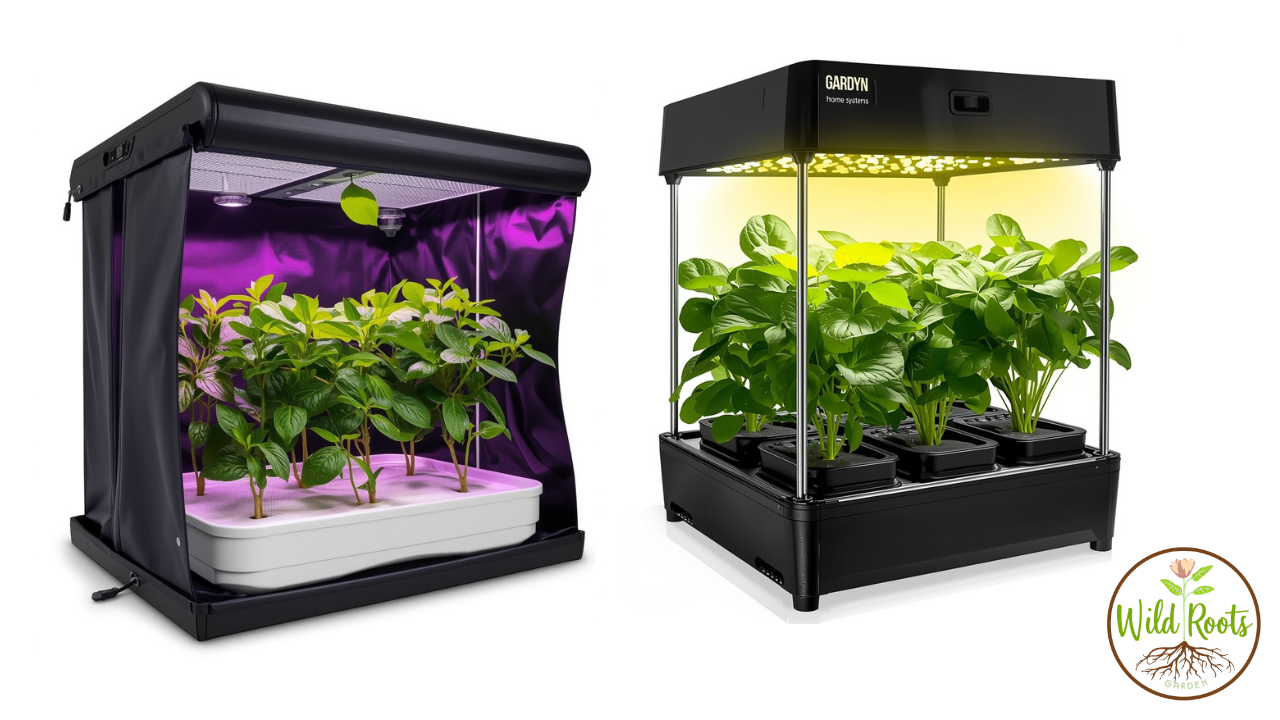
If you want to replace your grocery store produce runs entirely, the Gardyn Home Kit 4.0 is the ultimate vertical farming solution. It is a stunning, living piece of art that can grow up to 30 large plants (including cherry tomatoes, cucumbers, and massive heads of lettuce) in just two square feet of floor space.
-
How it works: It uses an active pump system to push water up the towers, cascading down over the root systems.
-
Standout Feature: “Kelby,” Gardyn’s AI assistant. The system uses built-in cameras and sensors to monitor plant health, automatically adjusting light and water schedules while sending harvest alerts directly to your phone.
-
Pros: Massive yield; visually beautiful; completely automated; excellent customer support.
-
Cons: Premium price tag; the AI features require a monthly membership (though it can be used manually without one).
2. AC Infinity AI Grow System PRO 5×5 (Best for Serious Growers)
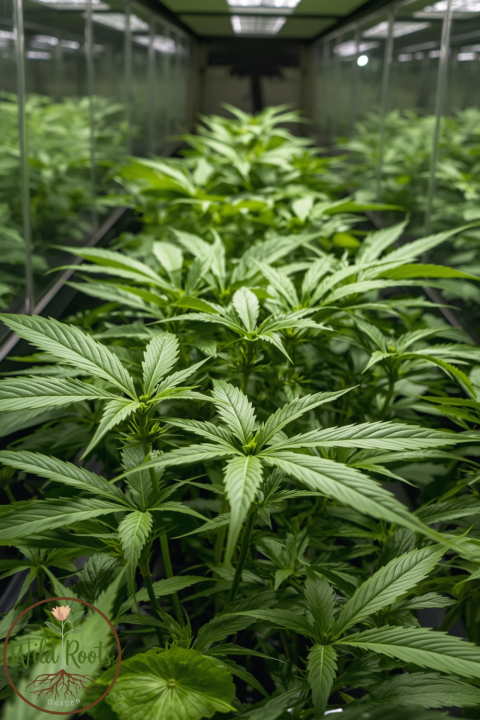
For those who want prosumer-level control and maximum yields of larger fruiting or flowering plants, the AC Infinity AI Grow System PRO is unmatched. This is a full tent-based ecosystem rather than a living room display piece.
-
How it works: This complete kit includes a climate-controlled grow tent, top-tier LM301H EVO LEDs, inline fans, and carbon filters, all wired to a central smart controller. You supply your preferred Deep Water Culture (DWC) or Recirculating DWC buckets inside.
-
Standout Feature: The Controller 69 PRO. It automates your microclimate—adjusting fans, lights, and humidity dynamically to keep your environment perfectly stable.
-
Pros: Professional-grade equipment; highly scalable; produces massive, dense harvests; completely customizable.
-
Cons: Takes up significant space; higher learning curve than plug-and-play pod systems.
3. AeroGarden Bounty Elite (Best Countertop System)
AeroGarden essentially invented the modern consumer hydroponic space, and the Bounty Elite remains the gold standard for countertop growing. It can hold up to 9 plants and offers 50 watts of LED power, making it incredibly fast at producing herbs, jalapeños, and cherry tomatoes.
-
How it works: It utilizes a simple but highly effective Deep Water Culture (DWC) method where roots are suspended directly in an aerated water reservoir.
-
Standout Feature: A high-resolution color touchscreen that walks you through setup, alerts you when to add water/plant food, and includes a helpful “Vacation Mode” to slow growth while you are away.
-
Pros: Extremely reliable; adjustable light hood up to 24 inches; foolproof for beginners.
-
Cons: Pre-seeded pods can be expensive (though you can buy reusable “grow anything” kits).
4. iDOO 12-Pod Hydroponics Kit (Best Budget Pick)
You don’t need to spend hundreds of dollars to get started with hydroponics. The iDOO 12-Pod System is a low-friction, highly affordable entry point that consistently punches above its weight class.
-
How it works: Similar to the AeroGarden, it uses a DWC system with a built-in water pump for circulation and an adjustable LED light hood.
-
Standout Feature: A surprisingly large 4.5-liter water tank for the price, meaning you can easily go a week or two without refilling.
-
Pros: Fantastic value; easy to assemble; great for fast-growing leafy greens and herbs.
-
Cons: The light only extends to about 11 inches, meaning tall plants will outgrow the system quickly; manual nutrient measuring required.
5. Click & Grow Smart Garden 9 (Best Aesthetic & Minimalist)
If the idea of water pumps, nutrient mixing, and pH balancing sounds exhausting, the Click & Grow Smart Garden 9 is for you. It’s the “Apple product” of indoor gardens—sleek, silent, and incredibly hands-off.
-
How it works: Unlike active DWC systems, Click & Grow uses a passive Wick System. The “Smart Soil” pods contain all the nutrients the plant will ever need, and water is drawn up naturally via capillary action.
-
Standout Feature: Absolute silence. Because there is no water or air pump, this system makes zero noise, making it perfect for office desks or quiet living spaces.
-
Pros: Beautiful minimalist design; zero maintenance other than filling the tank; foolproof pre-seeded pods.
-
Cons: Growth is slower than active aeration systems; proprietary pods are required.
A Quick Primer: Types of Hydroponic Systems
When shopping for an indoor garden, you’ll see a few technical terms thrown around. Here is a quick cheat sheet:
-
DWC (Deep Water Culture): Plant roots sit directly in a tub of nutrient-rich water. An air pump bubbles oxygen into the water to prevent root rot. (Example: AeroGarden, iDOO)
-
NFT (Nutrient Film Technique): A shallow stream of nutrient water constantly runs over the bare roots. Great for lightweight plants like lettuce.
-
Aeroponics: Roots hang in the air and are periodically sprayed with a fine mist of nutrient solution. Offers the fastest growth but requires precise timing.
-
Wick Systems: A passive system where a wick draws water up from a reservoir into the growing medium. No electricity or pumps required. (Example: Click & Grow)
Is an Indoor Hydroponic System Worth It?
The short answer: Yes. If you frequently buy fresh herbs, you know how quickly $4 plastic clamshells of basil or mint go bad in the fridge. A complete indoor hydroponic grow system pays for itself over time by providing a constant, cut-and-come-again supply of greens. Furthermore, hydroponic plants grow up to 30-50% faster than soil-grown plants and use up to 90% less water because the system is enclosed and recirculating.
Frequently Asked Questions (FAQs)
Do I need natural sunlight for an indoor hydroponic system? No. Complete kits come with perfectly calibrated full-spectrum LED grow lights. In fact, keeping them away from direct sunlight is often better, as sunlight can heat the water reservoir and encourage algae growth.
Are hydroponic nutrients organic? Hydroponic nutrients are derived from earth minerals, but they are often highly refined so they can dissolve completely in water without clogging pumps. While they are safe and natural, they don’t always carry a strict “organic” certification because organic farming relies on soil biology.
Does an indoor garden attract bugs? Because hydroponic systems use no soil, they eliminate the breeding ground for common household pests like fungus gnats. As long as you start with clean seeds and indoor environments, pest pressure is virtually non-existent.