South Florida has a warm and humid climate. This climate is good for many fruit trees. One fruit that does very well here is the fig. Fig trees are easy to grow. They give tasty fruit. But not all fig trees like South Florida’s weather. Some do better than others. This article will help you find the best fig tree to grow in South Florida.
Why Grow Fig Trees in South Florida?
Fig trees can grow well in warm places. South Florida is warm most of the year. The soil is often sandy but can be good with care. Fig trees do not need a lot of water. This makes them perfect for areas with dry spells. Also, fig trees give fruit that is sweet and healthy. Many people enjoy fresh figs from their own garden.
Things to Know Before Planting a Fig Tree
- Sunlight: Fig trees need full sun. At least 6 hours of sunlight each day helps them grow strong.
- Soil: They like well-drained soil. Too much water can hurt the roots.
- Water: Water young trees often. Older trees need less water.
- Space: Fig trees grow big. Give them room to spread out.
- Pollination: Most fig trees in South Florida do not need wasps for pollination. They produce fruit on their own.
Top Fig Tree Varieties for South Florida
Here are the best types of fig trees for South Florida. These trees grow well in heat and humidity. They also produce good fruit.
| Fig Variety | Fruit Color | Fruit Taste | Growth Habit | Special Notes |
|---|---|---|---|---|
| Brown Turkey | Dark Purple to Brown | Sweet and Mild | Fast Growing, Heavy Producer | Heat tolerant, great for beginners |
| Celeste | Light Purple to Brown | Rich, Sweet Flavor | Medium Growth | Resists common fig diseases |
| White Madeira | Yellowish-Green | Very Sweet, Delicate | Moderate Growth | Popular in South Florida gardens |
| LSU Purple | Dark Purple | Sweet, Slightly Tart | Fast Growing | Resistant to root-knot nematodes |
| LSU Scott’s Black | Black | Rich and Sweet | Strong Growth | Good disease resistance |
Why These Varieties?
Brown Turkey is a favorite in South Florida. It grows fast. It makes many figs even in hot weather. The fruit is sweet and good for fresh eating or drying.
Celeste is another popular choice. It is easy to care for. It can handle the humid climate well. The fruit has a rich flavor. Celeste figs are smaller but very tasty.
White Madeira is a good choice for gardeners who want a lighter colored fig. It has a delicate taste. This variety also grows well in South Florida.
LSU Purple and LSU Scott’s Black are newer varieties. They come from Louisiana State University. These trees resist some pests and diseases. They grow fast and produce good fruit.
How to Plant Fig Trees in South Florida
- Choose the Spot: Pick a place with full sun and good drainage.
- Prepare the Soil: Mix some compost into the soil. This helps the tree grow.
- Plant the Tree: Dig a hole twice as wide as the root ball. Set the tree in the hole. Fill with soil.
- Water Well: After planting, water the tree deeply.
- Mulch: Add mulch around the tree. This keeps soil moist and cool.
Care Tips for Fig Trees in South Florida
- Watering: Water young trees often. Older trees need water during dry spells.
- Fertilizing: Use a balanced fertilizer in spring and summer. Avoid too much nitrogen.
- Pruning: Prune in late winter or early spring. Remove dead or weak branches.
- Pest Control: Watch for pests like aphids or scale. Use safe methods to control them.
- Disease: Keep the area clean. Remove fallen leaves to prevent disease.
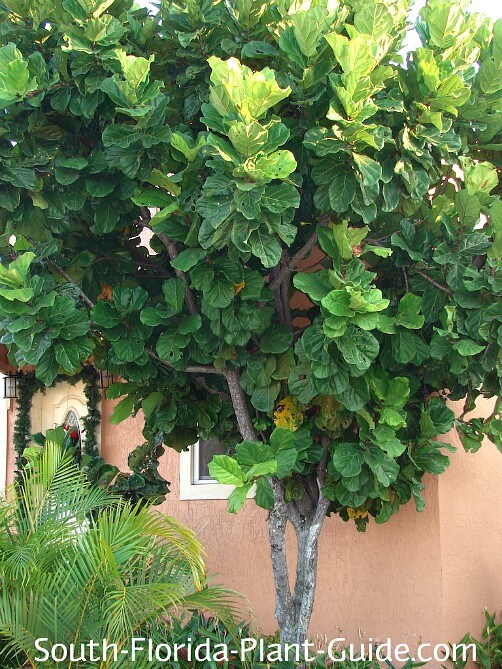
Credit: www.south-florida-plant-guide.com
Growing Figs in Pots
If you have little space, you can grow fig trees in pots. Use a large pot with good drainage holes. Fill it with good potting soil. Water often but do not let the soil stay wet. Place the pot where it gets plenty of sun.
Pots can get hot in the Florida sun. Try to give shade during the hottest hours. This protects the roots. Growing figs in pots also allows you to move the tree during cold snaps.

Credit: www.youtube.com
Common Challenges and Solutions
Figs in South Florida face some challenges. Heat, humidity, and pests can cause problems. Here are some common issues and easy solutions.
| Problem | Cause | Solution |
|---|---|---|
| Leaf Rust | Fungal disease from wet leaves | Remove affected leaves; avoid overhead watering |
| Root-Knot Nematodes | Soil pests that damage roots | Choose resistant varieties like LSU Purple |
| Sunburn on Fruit | Too much direct hot sun | Provide afternoon shade |
| Aphids | Small insects that suck sap | Use insecticidal soap or water spray |
When to Harvest Your Figs
Fig fruits do not continue to ripen after picking. Pick figs when they are soft and sweet. The skin may change color depending on the variety. The fruit should easily come off the tree. If the fig feels hard, wait a few more days.
Harvest in the early morning if possible. This helps keep the fruit fresh. Fresh figs can be eaten right away or stored in the fridge for a few days.
Summary: Best Fig Tree for South Florida
For South Florida, choose fig trees that handle heat and humidity well. Brown Turkey and Celeste are safe bets. White Madeira gives a nice sweet flavor. LSU Purple and LSU Scott’s Black offer disease resistance.
Remember to give your tree full sun and good care. Water young trees well. Prune and watch for pests. With patience, you will enjoy fresh figs from your garden.
Fig trees add beauty and fruit to your yard. They are a fun and tasty project for any gardener in South Florida.