

Growing fig trees in North Florida is a great idea. The climate suits many fig types. Fig trees give sweet fruits and add beauty to your garden. But not all fig trees do well here. Some types grow better than others. This guide will help you choose the best fig trees for North Florida.
Why Grow Fig Trees in North Florida?
Fig trees are easy to grow. They need little care once they start growing. North Florida has warm summers and mild winters. This weather is good for fig trees. They like full sun and well-drained soil. You can grow figs in your backyard or in pots.
What to Know Before Planting Fig Trees
- Sunlight: Fig trees need full sun for the best fruit.
- Soil: Plant them in soil that drains well. Avoid wet places.
- Water: Water young trees often. Older trees need less water.
- Space: Give each tree enough room to grow. Usually 10 to 15 feet apart.
- Pruning: Cut back branches to keep trees healthy and fruiting well.
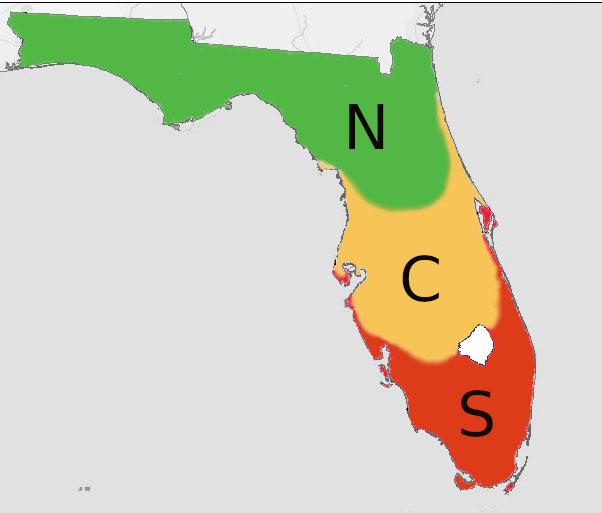
Credit: floridafruitgeek.com
Best Fig Tree Varieties for North Florida
Some fig types grow better in North Florida than others. Here are the top choices:
| Fig Variety | Description | Why It’s Good for North Florida |
|---|---|---|
| Celeste | Small to medium-sized figs with sweet flavor. | Resists heat and humidity well. Easy to grow. |
| Brown Turkey | Large figs, sweet and mild taste. | Heat tolerant and heavy producer. Good for fresh eating and cooking. |
| Ischia | Medium-sized figs with rich, sweet flavor. | Does well in humid climates like North Florida. |
| LSU Purple | Dark purple figs with good taste. | Less prone to rust and disease. Good for humid areas. |
| White Genoa | Light green figs with sweet flavor. | Thrives in warm and humid climates. |

Credit: www.jacksonville.com
Details About Popular Fig Trees
Celeste Fig
Celeste is one of the most popular figs in North Florida. It is sometimes called the “Sugar Fig” because it is very sweet. The skin is light purple or brown. The flesh is pink and juicy. Celeste grows well in heat and humidity. It produces fruit twice a year if cared for.
Brown Turkey Fig
Brown Turkey is a favorite for many gardeners. The fruit is large and has a mild sweet taste. The skin is dark purple or brown. This tree grows fast and produces a lot of fruit. Brown Turkey figs do well in full sun and are heat tolerant. They are great for fresh eating or cooking.
Ischia Fig
Ischia figs are medium-sized and very sweet. The skin is dark purple. This fig does well in humid places like North Florida. It needs full sun and good soil drainage. Ischia trees can produce fruit twice a year. They are a good choice for backyard gardens.
Lsu Purple Fig
The LSU Purple fig is a newer variety. It has dark purple skin and sweet flesh. This fig is less likely to get rust disease. That makes it good for wet and humid places. It grows well in North Florida and produces good fruit.
White Genoa Fig
White Genoa figs have light green skin and sweet taste. They are good for warm and humid climates. The fruit is medium-sized and juicy. White Genoa trees grow well in full sun. They are a tasty choice for fresh fruit lovers.
How to Plant Fig Trees in North Florida
Planting fig trees is simple. Follow these steps for success:
- Choose a sunny spot. Figs need at least 6 hours of sun daily.
- Prepare the soil. Dig a hole twice as wide as the root ball.
- Add compost or organic matter. It helps soil drain and feeds the tree.
- Place the tree in the hole. Make sure the root crown is at soil level.
- Fill the hole with soil. Press gently to remove air pockets.
- Water well. Keep soil moist but not soaked.
- Mulch around the tree. Mulch keeps soil cool and moist.
Care Tips for Fig Trees
After planting, follow these care tips:
- Watering: Water young trees often. Mature trees need less water.
- Fertilizing: Use a balanced fertilizer in spring and summer.
- Pruning: Cut old or weak branches in winter. This helps new growth.
- Protect from cold: North Florida winters are mild. But cover young trees if frost comes.
- Watch for pests: Check for insects or diseases. Treat early if needed.
Do Fig Trees Need Pollination?
Most fig trees in North Florida do not need wasp pollination. They produce fruit without pollinators. This is called parthenocarpy. So, you do not need to worry about wasps. Your fig trees will still give fruit.
Where to Buy Fig Trees
You can buy fig trees from local nurseries or online stores. Choose healthy young trees with good roots. Bare-root fig trees are cheaper and easy to plant in winter. Potted fig trees can be planted anytime but need more care at first.
Common Problems and How to Fix Them
Fig trees are tough but can have problems. Here are some common issues:
| Problem | Signs | Solution |
|---|---|---|
| Fig Rust | Yellow or brown spots on leaves. | Remove affected leaves. Use fungicide if needed. |
| Root Rot | Wilting, yellow leaves, bad smell from roots. | Plant in well-drained soil. Avoid overwatering. |
| Insects | Holes in leaves or fruit, sticky sap. | Use insecticidal soap or natural predators. |
| Cold Damage | Blackened leaves or branches after frost. | Cover trees during cold weather. Prune damaged parts. |
Harvesting and Enjoying Your Figs
Figs are ready to pick when soft and sweet. The skin may crack or change color. Pick them carefully; they bruise easily. Eat fresh or use in recipes. Figs can be dried or made into jam. Enjoy your fresh fruit from your own garden!
Summary
Fig trees are a good choice for North Florida gardens. The best types include Celeste, Brown Turkey, and Ischia. These figs grow well in heat and humidity. Plant them in full sun and well-drained soil. Water and prune as needed. Watch for pests and diseases. With care, your fig trees will give you sweet fruit for years.