If you live in the Sunshine State, you know that gardening here is a different beast. While we get plenty of sun, the challenge for many homeowners isn’t finding plants that tolerate heat—it’s finding plants that survive the shade.
Whether you have a north-facing foundation, a canopy of mature live oaks, or a patio that gets dappled light, finding the right flora can be frustrating. Walk into a big-box nursery, and you’ll often find sun-loving annuals that wilt by noon in the shade, or tropicals that burn to a crisp if they catch an afternoon ray.
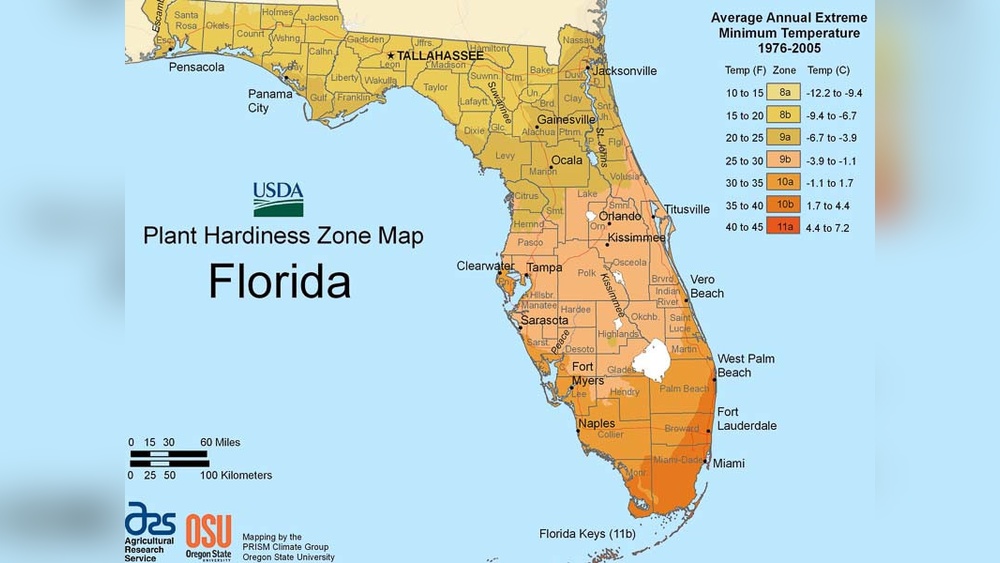
As a Florida landscape designer with over 15 years of experience in Zones 8b through 10a, I’ve curated this list of the best-performing plants for part sun (4–6 hours of direct sun) and full shade (less than 4 hours) that thrive in our unique humidity, sandy soil, and alkaline conditions.
Understanding Florida’s “Part Sun” Reality
Before we dig into the plants, let’s define the intent of this search. You aren’t just looking for a list of names; you want plants that will survive the Florida summer in tricky light conditions.
-
Part Sun (4–6 hours): This usually means morning sun with afternoon shade. In Florida, afternoon shade is crucial to prevent leaf scorch.
-
Full Shade (Less than 4 hours): This is often under oak trees or along the north side of a home. Here, root competition from trees and lack of light are the primary obstacles.
Top 5 Florida-Friendly Plants for Part Sun
These plants are the workhorses of the landscape. They need a few hours of direct light to bloom profusely but will falter if left in the brutal 2:00 PM sun.
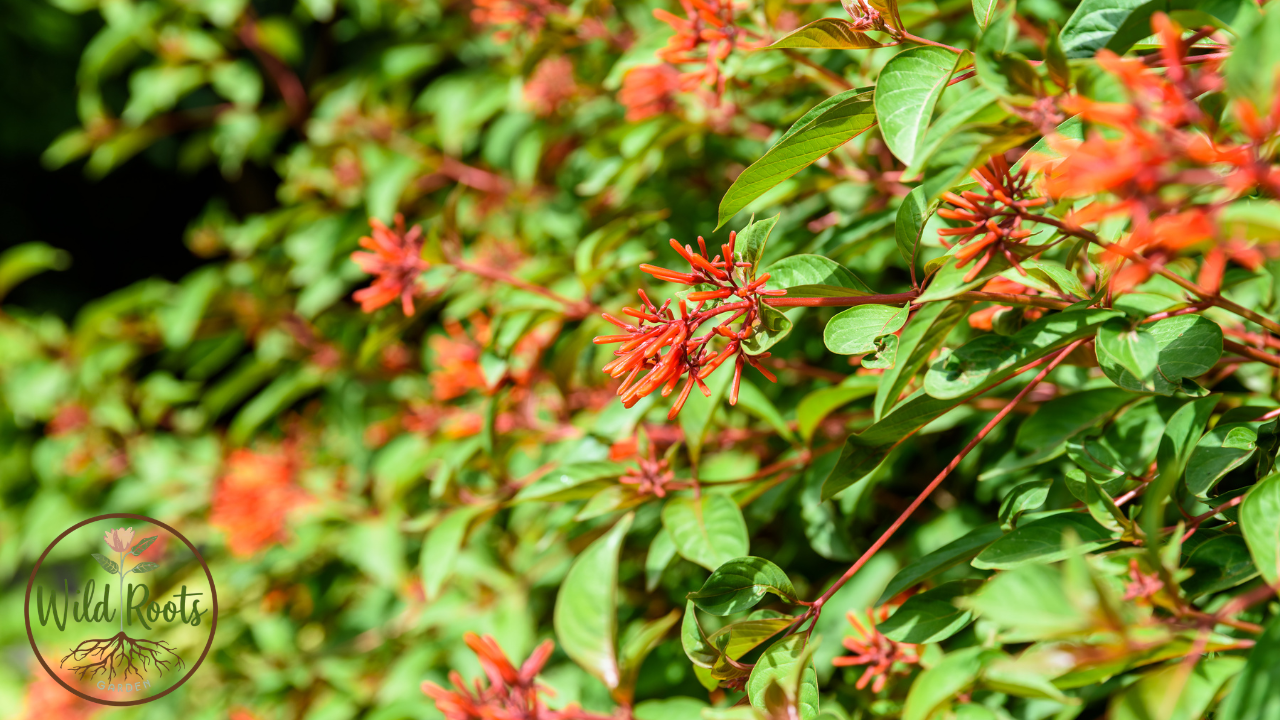
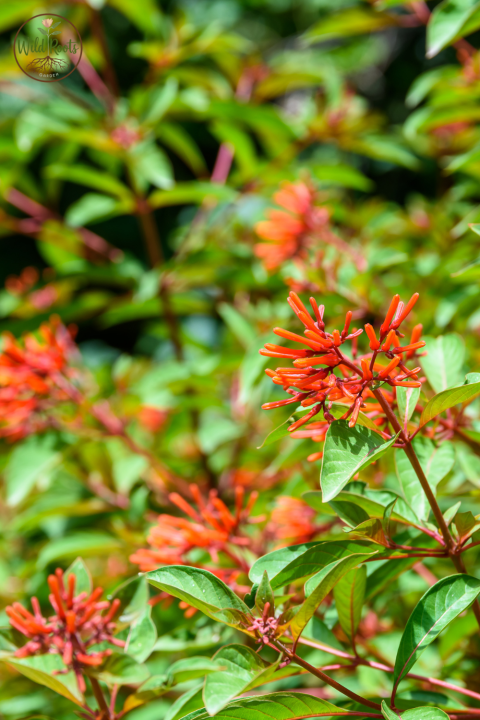
1. Firebush (Hamelia patens)
Light Requirement: Part Sun
Why it wins: If you want to attract hummingbirds and butterflies, this is your plant. This Florida native is incredibly forgiving. In part sun, it produces vibrant red-orange tubular flowers almost year-round.
E-A-T Note: Be sure to purchase the native Hamelia patens, not the dwarf cultivar (Hamelia patens ‘Compacta’), which doesn’t produce as many berries for wildlife.
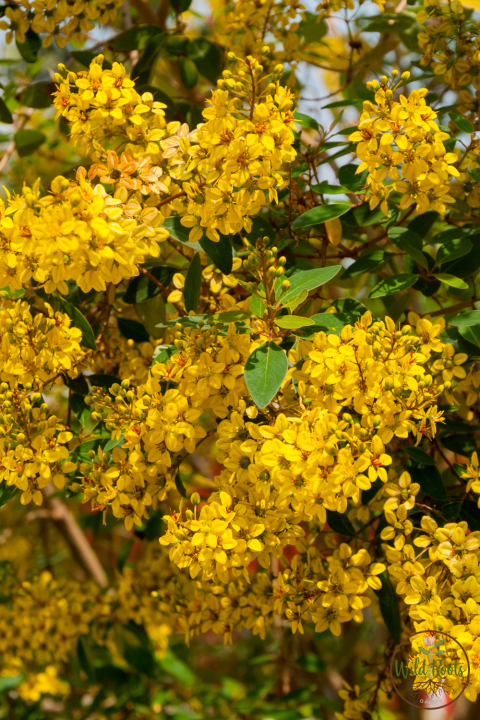
2. Thryallis (Galphimia glauca)
Light Requirement: Part Sun to Sun
Why it wins: Often mistaken for a miniature bougainvillea, Thryallis is a non-invasive, evergreen shrub that produces a cascade of small yellow flowers. It thrives in part sun where it gets morning light and afternoon protection. It is drought-tolerant once established, which is vital for Florida’s dry season.
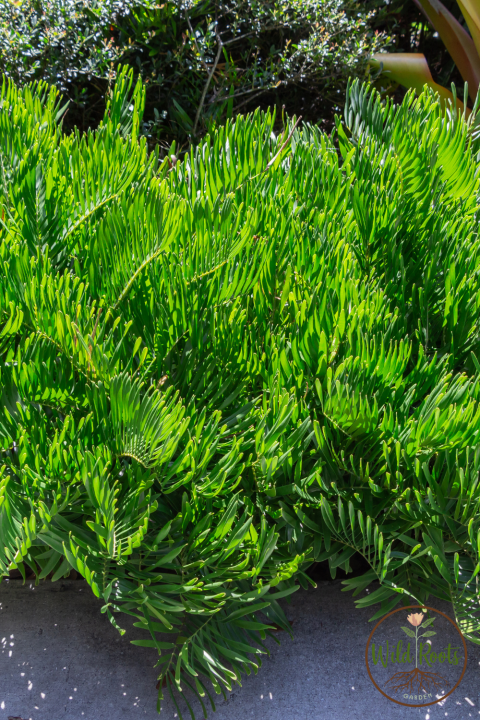
3. Coontie (Zamia integrifolia)
Light Requirement: Part Sun to Full Shade
Why it wins: This is Florida’s only native cycad (a prehistoric plant). It looks like a fern but acts like a palm. Coonties are incredibly resilient. In part sun, they grow faster and remain compact; in shade, they get a darker, lusher green. They are also the host plant for the Atala butterfly, a conservation success story in Florida.
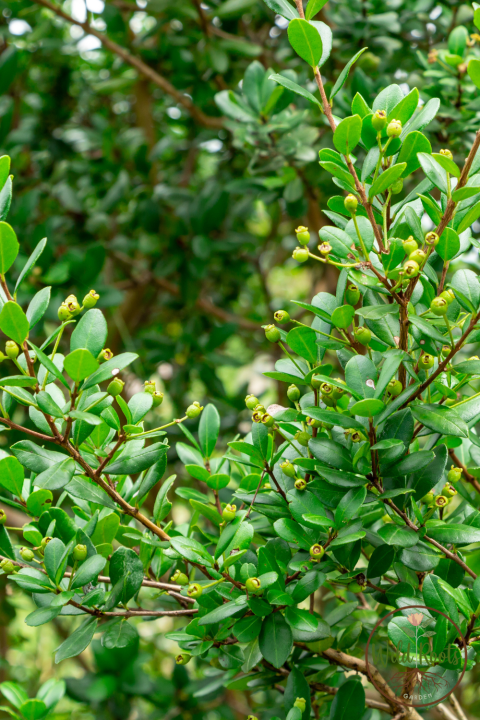
4. Simpson’s Stopper (Myrcianthes fragrans)
Light Requirement: Part Sun
Why it wins: A native small tree or large shrub that does exceptionally well in part sun. It produces fragrant flowers in spring followed by bright red berries that birds adore. The bark is exfoliating and visually interesting. It handles the root competition of live oaks better than almost any other plant.
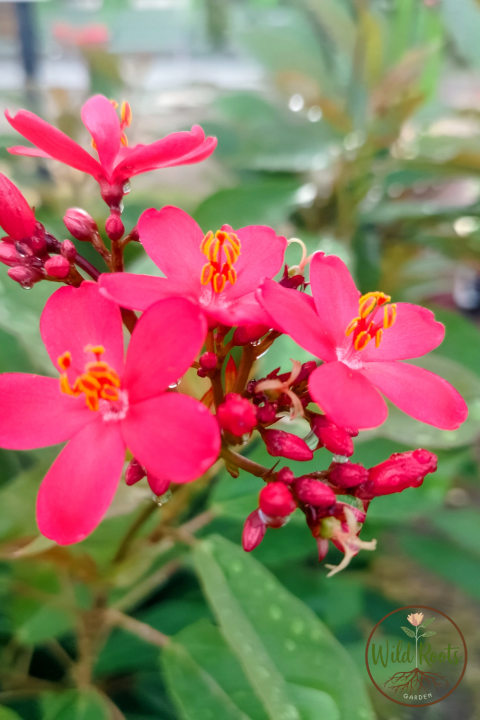
5. Jatropha (Jatropha integerrima)
Light Requirement: Part Sun
Why it wins: Often called “Peregrina,” this plant is prized for its clusters of fire-engine red flowers that pop against the deep green foliage. While it can take full sun, it truly shines (literally) in part sun, where it blooms continuously without looking washed out.
Top 5 Florida-Friendly Plants for Full Shade
These are the specialists. These plants can thrive under the dense canopy of oaks or in the shadow of your home where other plants turn leggy or refuse to bloom.
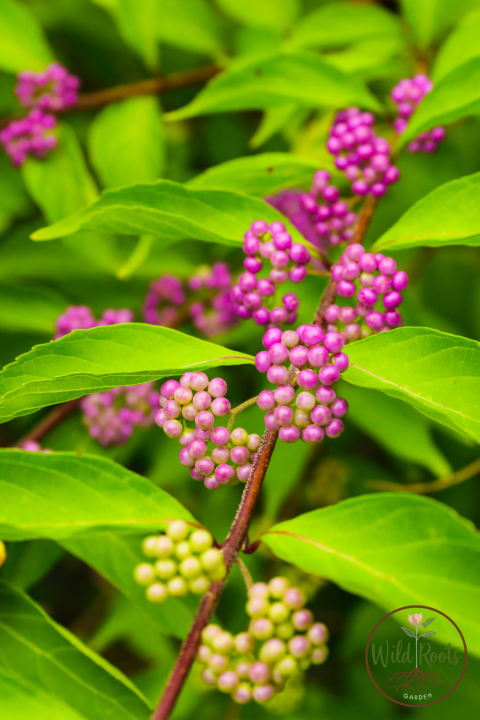
1. Beautyberry (Callicarpa americana)
Light Requirement: Full Shade to Part Sun
Why it wins: A native superstar. While it grows in part sun, it is one of the few plants that produces brilliant purple berries in deep shade. The berries appear in the fall and are a critical food source for migrating birds. It has a loose, arching form that looks natural under trees.
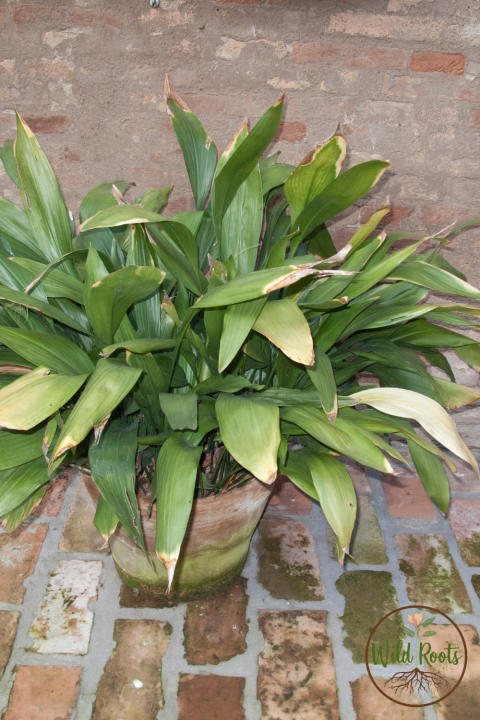
2. Cast Iron Plant (Aspidistra elatior)
Light Requirement: Full Shade
Why it wins: The name says it all. This plant is virtually indestructible. If you have a dark corner under a porch or a narrow side yard that never sees the sky, this is your go-to. It produces long, lance-shaped dark green leaves. It rarely needs watering once established and is unaffected by Florida’s humidity.
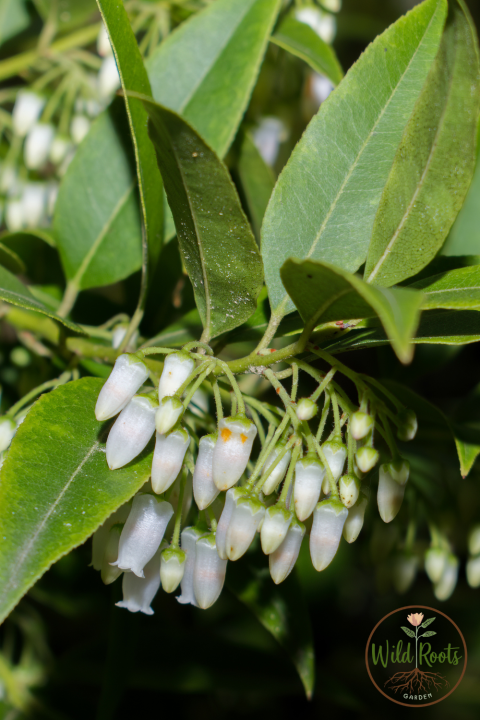
3. Florida Leucothoe (Agarista populifolia)
Light Requirement: Full Shade to Part Sun
Why it wins: Often overlooked in favor of non-native hollies, this native shrub is a shade garden essential. It has arching, bamboo-like stems with glossy, dark green leaves. It provides incredible texture and density, acting as a natural privacy screen in shady areas where other hedges would fail.
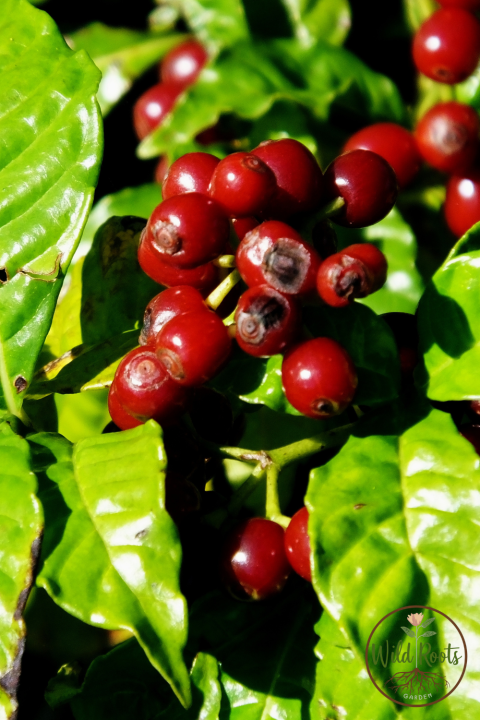
4. Wild Coffee (Psychotria nervosa)
Light Requirement: Full Shade to Part Sun
Why it wins: A staple of the Florida understory. Wild Coffee is a medium-sized shrub with wrinkled, dark green leaves that look like waxed leather. It produces small white flowers followed by bright red berries. It is one of the best foundation plants for north-facing walls and tolerates sandy soil without needing constant irrigation.
5. Bromeliads (Neoregelia & Aechmea varieties)
Light Requirement: Full Shade (Filtered Light)
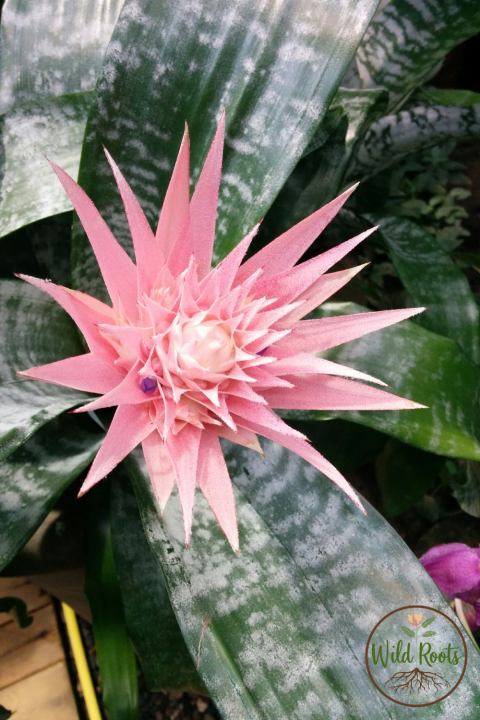
Why it wins: To add color to a shade garden, you need bromeliads. Unlike flowering annuals that need sun to bloom, bromeliads offer vibrant pink, red, and purple foliage color year-round.
Expert Tip: Aechmea blanchetiana can take more sun, but for true shade, stick with Neoregelia ‘Fireball’ or Aechmea fasciata (Silver Vase). Mount them on trees or plant them in well-draining soil under oaks.
How to Ensure Success: Soil & Water Considerations
High E-A-T content isn’t just about listing plants; it’s about ensuring they survive. Florida’s shade gardens face specific challenges:
1. Root Competition
Under mature trees, the roots often outcompete new plants for water. When planting under oaks:
-
Do not raise the soil level around the tree’s root flare (this can kill the tree).
-
Use smaller starter plants (1 or 3-gallon) rather than large specimens; they establish faster.
-
Water deeply twice a week for the first three months to help roots establish before the tree roots reclaim the territory.
2. Soil Amendments
Florida “soil” is usually sand. Sand does not hold nutrients.
-
For shade plants: Amend the planting hole with peat moss or Black Kow manure. Shade plants retain more moisture in organic material.
-
For part sun plants: Use a balanced slow-release fertilizer like 15-0-15 or 8-2-12 in spring and fall.
3. Watering
Part sun plants (like Thryallis and Jatropha) prefer to dry out between waterings to prevent root rot. Full shade plants (like Cast Iron and Wild Coffee) prefer consistently moist (but not soggy) soil.
The Bottom Line
Creating a beautiful Florida landscape in the shade is not about fighting nature—it’s about working with it. By choosing native and adapted plants like Firebush, Coontie, and Wild Coffee, you are selecting flora that evolved to handle our state’s intense climate swings, from summer deluges to winter dry spells.
These plants will not only survive in your part-sun or full-shade locations; they will thrive, providing color, texture, and vital habitat for Florida’s unique wildlife.
FAQ: Florida Shade Gardening
Q: Can I grow hydrangeas in Florida shade?
A: Yes, but only in North Florida (Zones 8b-9a) and only with afternoon shade. The Oakleaf Hydrangea (Hydrangea quercifolia) is a native alternative that performs much better in Florida’s heat than the traditional bigleaf hydrangea.
Q: What is the best ground cover for deep shade in Florida?
A: Asiatic Jasmine (Trachelospermum asiaticum) is the gold standard. It is tough, tolerates foot traffic, and remains evergreen. For a native option, try Frogfruit (Phyla nodiflora), though it prefers a bit more sun to flower.
Q: My garden gets part sun, but my plants look fried. Why?
A: In Florida, “part sun” usually means morning sun. If your plants are receiving hot western sun from 1:00 PM to 5:00 PM, they are likely getting scorched. If you have west-facing exposure, select plants from the “Full Sun” category and provide extra irrigation.