Are you ready to transform your Florida home’s exterior with foundation plants that thrive in the heat and humidity? Choosing the right plants around your house foundation can make a huge difference in curb appeal, energy efficiency, and overall enjoyment of your outdoor space.
But with so many options, how do you pick plants that not only look great but also survive Florida’s unique climate? You’ll discover the best foundation plants tailored for Florida’s sun, heat, and soil conditions. Whether you want vibrant blooms, lush greenery, or low-maintenance shrubs, you’ll find expert tips to create a stunning, lasting landscape that feels just right for your home.
Keep reading to unlock the secrets of foundation planting success in the Sunshine State!
:max_bytes(150000):strip_icc()/Carex_Everillo_EverColor_Landscape_20190905_X21A5954_3000x2000px-f563bcf5be0a44fe925bcbbf6c1963b8.jpg "Best Foundation Plants for Florida: Top Picks for Stunning Landscapes 2")
Credit: www.southernliving.com
Heat-tolerant Plants
Heat-tolerant plants thrive in Florida’s hot and sunny climate. These plants withstand intense sun and dry conditions. They require less water and stay vibrant through summer. Choosing heat-tolerant foundation plants protects your home’s landscape from harsh weather. These plants bring color and life even during Florida’s hottest months.
Lantana
Lantana is a colorful, hardy plant that loves the heat. It blooms in bright yellows, oranges, pinks, and reds. Lantana attracts butterflies and hummingbirds, adding movement to your garden. This plant grows well in full sun and poor soil. It requires little water once established, making it perfect for Florida gardens.
Hibiscus
Hibiscus plants offer large, tropical flowers that brighten any foundation. They bloom in shades of red, pink, yellow, and white. Hibiscus loves warm weather and plenty of sunlight. It needs regular watering but tolerates heat well. This plant adds a bold, exotic touch to your landscape.
Pentas
Pentas are compact plants with star-shaped flowers. They bloom in pink, white, red, and purple. Pentas thrive in full sun and attract pollinators like butterflies. These plants are drought-tolerant and easy to care for. Pentas make excellent foundation plants for adding color and texture.
Salvia
Salvia features spikes of vibrant flowers in blue, purple, or red. It loves sunny spots and dry conditions. Salvia attracts bees and hummingbirds, helping your garden flourish. This plant grows well in Florida’s heat and poor soil. Salvia offers long-lasting blooms and low maintenance.
Sunflowers
Sunflowers bring a cheerful, sunny vibe to any landscape. Their tall stems and large yellow blooms brighten foundations. Sunflowers thrive in full sun and warm climates. They require minimal water once established. These plants add height and a bold statement to your garden.
Low-maintenance Shrubs
Low-maintenance shrubs make foundation planting easy and beautiful in Florida. These plants thrive in warm climates and need little care. They save time and water while adding color and texture near your home. Choose shrubs that stay healthy with minimal pruning and resist pests well. This way, your garden looks good year-round without much effort.
Crotons
Crotons are colorful shrubs with bright, variegated leaves. They come in red, yellow, orange, and green shades. Crotons do well in full sun and warm weather. These plants need little water once established. Their bold colors create a striking contrast near your house foundation.
Bromeliads
Bromeliads bring exotic flair with their unique shapes and vibrant colors. They grow well in shaded or partially sunny spots. Bromeliads require minimal watering and adapt to different soil types. Their flowers last a long time and attract hummingbirds. These plants add tropical style with little care.
Coreopsis
Coreopsis produces bright yellow flowers that bloom for months. It thrives in sunny areas and well-drained soil. This shrub tolerates drought and poor soil conditions. Coreopsis attracts butterflies and bees, boosting garden life. Its cheerful blooms brighten any foundation planting.
Coneflowers
Coneflowers offer daisy-like blooms in pink, purple, and white. They grow well in full sun with moderate water. These shrubs resist heat and drought, perfect for Florida gardens. Coneflowers attract pollinators and birds. Their sturdy stems make them great for natural landscapes.
Succulents
Succulents store water in their thick leaves, needing little irrigation. They thrive in hot, dry spots and poor soil. These plants come in many shapes and colors. Succulents add interesting texture to foundation beds. They require almost no maintenance and resist pests well.
Evergreen Foundation Plants
Evergreen foundation plants bring constant color and structure to Florida landscapes. They keep your home’s exterior lively all year. These plants need little care and handle Florida’s heat well. Their green foliage creates a strong base for other seasonal plants or flowers.
Choosing the right evergreens means picking plants that stay healthy and attractive in Florida’s climate. They offer privacy, reduce noise, and soften building edges. Here are some top evergreen foundation plants that thrive in Florida gardens.
Globe Arborvitae
Globe Arborvitae is a compact evergreen shrub. It grows in a neat, rounded shape. This plant reaches about 3 to 4 feet tall. It fits perfectly near doors or windows. Globe Arborvitae tolerates heat and humidity well. Its dense foliage blocks wind and noise. The dark green color stays vibrant all year. It needs well-drained soil and moderate watering.
Juniper
Junipers come in many shapes and sizes. They have needle-like leaves that stay green year-round. Junipers can grow low to the ground or as small trees. These plants resist drought and pests easily. They add texture and color variety to your foundation planting. Junipers prefer full sun but can handle some shade. Their tough nature suits Florida’s hot climate perfectly.
Boxwood Varieties
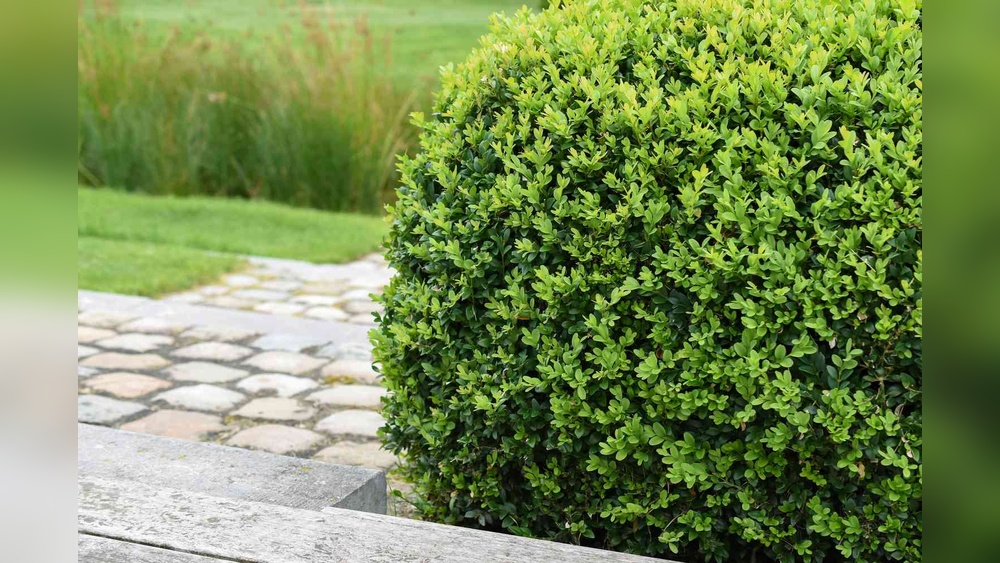
Boxwoods are classic foundation plants. They have small, glossy leaves and dense growth. Many boxwood varieties stay green all year. They grow slowly, allowing easy shaping and trimming. Boxwoods create clean lines and formal looks. These plants thrive in partial shade or sun. They need regular watering but tolerate Florida heat if mulched. Boxwoods are great for neat hedges or borders.

Credit: www.thisoldhouse.com
Flowering Shrubs For Color
Flowering shrubs bring vibrant color to Florida gardens. They enhance home foundations with natural beauty and charm. These shrubs thrive in Florida’s warm climate and add year-round interest. Choose flowering shrubs that bloom well and resist pests. They create a welcoming and lively atmosphere around your home.
Panicle Hydrangea
Panicle hydrangea offers large, cone-shaped flower clusters. It blooms from summer to fall with white or pink flowers. This shrub grows well in full sun to partial shade. It adapts easily to Florida’s soil and heat. Panicle hydrangea adds softness and color near your foundation.
Gardenias
Gardenias are famous for their fragrant, creamy white flowers. They bloom mainly in spring and summer. Gardenias prefer partial shade and moist, well-drained soil. Their glossy green leaves contrast beautifully with their blooms. These shrubs bring a sweet scent and bright look to any landscape.
Azaleas
Azaleas produce vibrant blooms in many colors like pink, red, and white. They flower in spring and sometimes again in fall. Azaleas thrive in filtered sunlight and acidic soil. They attract pollinators and add a splash of color near homes. Their compact size suits foundation planting perfectly.
Design Tips For Grouping
Grouping foundation plants thoughtfully enhances your home’s look. Proper design creates balance and interest. It draws attention and highlights your house’s best features. Use simple tips to make plant groupings that look natural and inviting. These strategies work well in Florida’s warm climate and diverse landscape.
Applying The Rule Of Three
Group plants in odd numbers like three or five. Odd numbers feel more natural and lively. For example, plant three shrubs of the same kind together. This creates a balanced but dynamic look. Avoid even numbers, as they appear too formal or stiff. Use the rule of three for both plants and hardscape elements.
Creating Focal Points
Choose a spot to highlight with a special plant or grouping. Use taller plants or those with unique textures and shapes. Combine three different elements like stone, wood, and metal near the plants. This adds contrast and draws the eye. Focal points guide visitors through your landscape smoothly.
Color Scheme Coordination
Select three main colors for your plant groupings. Choose colors that blend well with your home’s exterior. Mix greens with soft pastels or bright blooms for interest. Use repeated colors in different plants to unify the design. Coordinated colors make your garden look neat and planned.
Soil And Watering Needs
Choosing the right soil and watering routine is key for healthy foundation plants in Florida. These plants need soil that supports roots and helps water drain well. Watering must be balanced to keep plants hydrated without causing root rot. Understanding these needs helps your plants thrive in Florida’s warm climate.
Well-draining Soil
Foundation plants grow best in well-draining soil. This type of soil prevents water from sitting around roots. Clay soils hold too much water and can harm roots. Sandy soils drain fast but may need extra nutrients. Adding organic matter like compost improves soil texture and drainage. Good drainage stops root diseases and helps plants absorb oxygen.
Irrigation Tips
Water foundation plants deeply but less often. Deep watering encourages strong root growth. Shallow watering leads to weak roots and dry plants. Early morning is the best time to water. This reduces water loss from evaporation. Use drip irrigation or soaker hoses to deliver water slowly. Avoid overhead watering to reduce leaf diseases.
Mulching Benefits
Mulch keeps soil moist and cool around plants. It reduces water evaporation and limits weed growth. Organic mulches like pine bark or wood chips add nutrients as they break down. Mulching also protects roots from temperature swings in Florida’s heat. Keep mulch a few inches away from plant stems to prevent rot.
Pest And Disease Management
Managing pests and diseases is vital for healthy foundation plants in Florida. The warm climate supports many insects and fungal issues that can harm your greenery. Careful attention helps keep plants strong and attractive year-round.
Understanding common pests, using natural controls, and practicing prevention will protect your garden. These strategies reduce damage without harsh chemicals.
Common Pests In Florida
Florida gardens face pests like aphids, whiteflies, and scale insects. These small bugs suck plant juices, causing leaves to yellow and drop. Spider mites also appear, creating tiny webs and leaf spots. Caterpillars and beetles chew on leaves and stems, weakening plants. Fungus gnats can damage roots, especially in moist soil.
Natural Control Methods
Encourage beneficial insects such as ladybugs and lacewings. They eat harmful pests and keep populations low. Neem oil and insecticidal soaps work well against soft-bodied insects. Apply these treatments early in the morning or late evening. Introducing companion plants like marigolds can repel pests naturally. Hand-picking larger insects also reduces damage.
Preventative Practices
Plant disease-resistant varieties suited for Florida’s climate. Water plants at the base to avoid wet leaves, which attract fungi. Remove dead leaves and debris to reduce breeding grounds for pests. Maintain proper spacing for good air flow around plants. Regularly inspect plants for early signs of pests or disease. Healthy soil with organic mulch supports strong roots and plant vigor.
Credit: plantittampabay.com
Seasonal Care For Foundation Plants
Seasonal care plays a key role in keeping foundation plants healthy in Florida’s warm climate. Proper care changes with the seasons to meet plant needs. Knowing when and how to prune, fertilize, and protect your plants helps them thrive year-round. This section guides you through essential seasonal steps for foundation plants.
Pruning Guidelines
Pruning helps shape plants and remove dead or damaged branches. In Florida, prune most foundation plants in late winter or early spring. This timing encourages new growth before the hot season arrives. Use clean, sharp tools for neat cuts. Avoid heavy pruning in summer to prevent stress from heat. Regular light pruning maintains a tidy look and improves air flow.
Fertilizing Schedules
Foundation plants in Florida benefit from steady feeding during the growing season. Apply fertilizer every 6 to 8 weeks from spring through fall. Use a balanced, slow-release fertilizer for steady nutrient supply. Avoid fertilizing in winter when plants grow slowly. Follow product instructions to prevent overfeeding. Proper fertilizing boosts growth and vibrant foliage.
Winter Protection
Florida winters are mild but sometimes cold snaps can harm plants. Protect sensitive foundation plants by covering them with frost cloth or burlap. Move potted plants indoors or to sheltered spots. Mulch around roots to keep soil warm and moist. Remove protection as temperatures rise to avoid overheating. These steps reduce winter stress and keep plants healthy.
Frequently Asked Questions
What Plants Are Good Around The Foundation Of A House?
Good foundation plants include stonecrop, catmint, hosta, ornamental onion, globe arborvitae, juniper, panicle hydrangea, and switch grass. These plants offer low maintenance and enhance curb appeal. Group them in odd numbers for a balanced, natural look around your house foundation.
What Is The Rule Of 3 In Landscaping?
The rule of three in landscaping groups plants or elements in threes for balance and natural flow. It creates visual appeal and cohesion.
What Plants Can Survive In The Heat In Florida?
Heat-tolerant plants thriving in Florida include lantana, hibiscus, pentas, salvia, and bougainvillea. These plants resist heat and drought effectively.
What Is The Best Low-maintenance Landscape In Florida?
The best low-maintenance landscape in Florida features drought-tolerant plants like lantana, hibiscus, and salvia. Use native grasses and palms for easy care. Group plants in odd numbers for natural appeal. Mulch and drip irrigation reduce upkeep and conserve water.
Conclusion
Choosing the right foundation plants helps your Florida home look its best. Select plants that handle heat, humidity, and occasional drought well. Group plants in threes for a natural, balanced look. Use a mix of evergreens and flowering shrubs to add color year-round.
Keep your soil healthy and water regularly to keep plants strong. With the right choices, your garden will stay beautiful through every season. Enjoy creating a welcoming, green space around your home that suits Florida’s unique climate.