Are you ready to transform your Florida garden into a vibrant, sun-soaked paradise? Choosing the right plants that thrive under Florida’s intense full sun can make all the difference between a garden that struggles and one that flourishes.
Whether you want colorful flowers, lush greenery, or low-maintenance options, the best full sun plants for Florida are here to help you create a stunning outdoor space with ease. Keep reading to discover which hardy, heat-loving plants will brighten your garden all summer long and make your outdoor oasis the envy of the neighborhood!
Top Heat-tolerant Flowers
Florida’s intense sun and heat demand flowers that can endure tough conditions. Heat-tolerant flowers brighten gardens without extra fuss. These plants thrive with minimal water and care. Their vibrant blooms add color and life to sunny landscapes.
Choose flowers that stay strong during hot spells. They keep your garden beautiful all season. These plants attract butterflies and hummingbirds, enhancing outdoor spaces naturally.
Lantana Varieties
Lantanas show clusters of small, bright flowers in many colors. They resist drought and heat very well. These plants bloom from spring to fall. Their tough nature makes them ideal for Florida gardens.
Hibiscus Colors
Hibiscus plants offer large, tropical flowers in red, pink, yellow, and white. They love full sun and warm weather. These flowers attract pollinators and add a tropical feel. Hibiscus plants handle Florida’s heat with ease.
Pentas Blooms
Pentas produce star-shaped flowers in reds, pinks, purples, and white. They bloom continuously in hot weather. These plants need little water once established. Pentas are excellent for sunny spots and butterfly gardens.
Salvia Spikes
Salvia features tall spikes of flowers in purple, blue, red, and white. It tolerates heat and drought well. Salvia attracts hummingbirds and bees. This plant adds vertical interest and color to sunny gardens.
Sunflower Growth
Sunflowers grow tall and bright with large yellow blooms. They thrive in full sun and heat. These flowers produce seeds that attract birds. Sunflowers bring a cheerful look to any garden space.
Coreopsis And Coneflowers
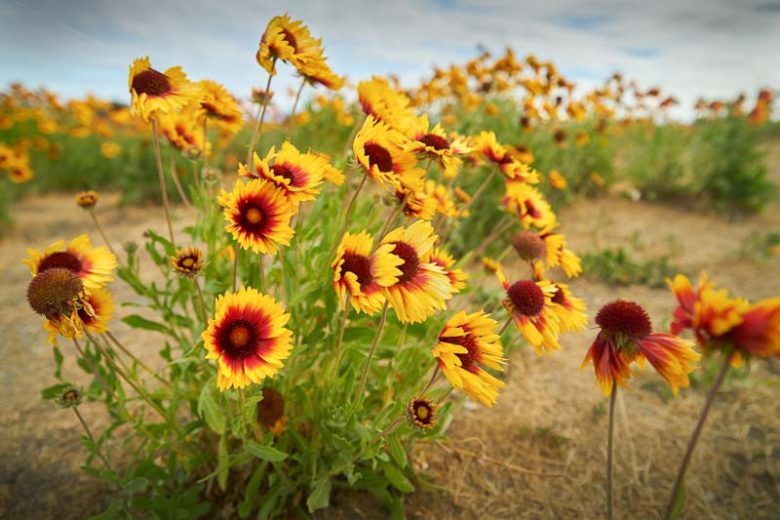
Coreopsis has daisy-like yellow flowers that bloom all summer. Coneflowers offer pink, purple, or white petals with a spiky center. Both plants handle heat and dry conditions. They are low-maintenance and long-lasting.
Zinnia Care
Zinnias provide bright blooms in many colors. They flourish under hot sun with little water. These flowers attract butterflies and add bold color. Zinnias are easy to grow and maintain.
Plumbago And Firespike
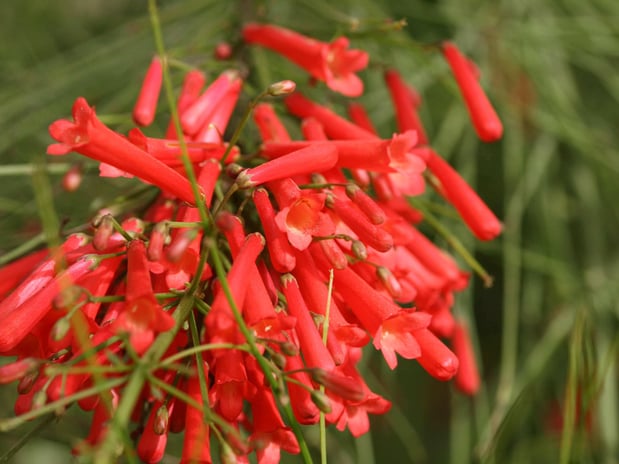
Plumbago shows clusters of light blue flowers all summer. Firespike features bright red tubular flowers that attract hummingbirds. Both plants resist heat and thrive in full sun. They add unique color and texture to gardens.
Firebush Features
Firebush grows with bright orange-red flowers and attracts pollinators. It tolerates heat, drought, and poor soil. This shrub adds vibrant color and tropical flair. Firebush is perfect for sunny Florida landscapes.
Credit: www.groundsource.pro
Vibrant Foliage Plants
Vibrant foliage plants bring life and color to any Florida garden under the full sun. These plants stand out with their bright leaves and unique shapes. They add texture and depth, creating a tropical feel. Many thrive in Florida’s heat and strong sunlight, requiring little care. Choosing the right foliage plants can transform a simple outdoor space into a lush paradise.
Croton Patterns
Crotons display bold patterns and rich colors. Their leaves can be green, yellow, orange, or red. Each plant shows a unique leaf design, making them eye-catching. Crotons prefer full sun to keep their colors bright. They tolerate heat well but need well-drained soil to avoid root problems.
Bromeliad Types
Bromeliads are tropical plants with striking rosettes of leaves. Many types thrive in full sun and bring vibrant colors like red, purple, and orange. Bromeliads store water in their leaves, helping them survive dry spells. They add an exotic look and attract hummingbirds to the garden.
Succulent Selection
Succulents are perfect for sunny spots in Florida. They store water in thick leaves, making them drought-tolerant. Many succulents show interesting shapes and colors, from green to blue-gray. Popular choices include agave, aloe, and kalanchoe. These plants need well-drained soil and little watering.
Ornamental Grasses
Ornamental grasses add movement and softness to gardens. They grow well in full sun and hot climates. Their leaves range from green to silver and bronze. Varieties like muhly grass and fountain grass create a graceful look. They help reduce soil erosion and attract birds.
Palms For Shade And Heat
Palms are classic Florida plants for sunny and hot areas. Many palms tolerate direct sun and heat without stress. They provide shade with their tall, feathery fronds. Popular palms include sabal palm, queen palm, and pygmy date palm. These palms add a tropical vibe and require minimal care.
Native And Drought-resistant Options
Native and drought-resistant plants thrive in Florida’s full sun conditions. They need less water and care. These plants suit the hot, dry spells well. Choosing native species supports local wildlife and keeps your garden eco-friendly.
These plants often resist pests and diseases. They adapt naturally to Florida’s soil and climate. This makes them perfect for sustainable gardening. Below are some excellent native and drought-tolerant options for sunny spots.
Bottlebrush Shrubs
Bottlebrush shrubs have bright red flowers shaped like a brush. They attract hummingbirds and butterflies. These shrubs handle heat and drought very well. Bottlebrush needs little watering once established. It adds color and texture to any garden.
Coontie Benefits
Coontie is a native Florida plant with tough, fern-like leaves. It grows well in full sun and dry soil. Coontie supports native butterflies, like the Atala butterfly. It requires almost no watering after it starts growing. Coontie is a great groundcover that prevents soil erosion.
Low-maintenance Choices
Native and drought-resistant plants usually need less care. They survive Florida’s summer heat with minimal water. Choose plants that fit your garden’s size and style. These plants save time and reduce water bills. Your garden stays green and healthy with less effort.
Planting And Care Tips
Choosing the right full sun plants for Florida is just the first step. Proper planting and care ensure these plants thrive despite the intense sun and heat. Understanding soil needs, watering habits, fertilizing, and pest control can keep your garden healthy and vibrant all year.
Soil Preparation
Start with well-draining soil to avoid root rot. Mix organic matter like compost or peat moss into the soil. This improves texture and nutrient content. Test soil pH and adjust if needed to suit your plants. Most full sun Florida plants prefer slightly acidic to neutral soil. Clear weeds and debris before planting to reduce competition for nutrients.
Watering Strategies
Water deeply but less often to encourage strong roots. Early morning watering reduces evaporation loss. Avoid wetting leaves to prevent fungal diseases. Use mulch to retain soil moisture and control temperature. Adjust watering frequency based on rainfall and plant type. Monitor soil moisture by checking 1-2 inches below the surface.
Fertilizing For Full Sun
Use slow-release fertilizers for steady nutrient supply. Choose formulas balanced in nitrogen, phosphorus, and potassium. Apply fertilizer during the growing season for best results. Follow package instructions to avoid overfeeding. Organic options like compost tea or fish emulsion work well too. Regular feeding boosts flowering and overall plant health.
Pest And Disease Control
Inspect plants regularly for signs of pests or diseases. Remove affected leaves or plants to stop spread. Use insecticidal soap or neem oil for common pests. Encourage beneficial insects like ladybugs and lacewings. Keep garden clean and avoid overcrowding plants. Proper care reduces stress and improves resistance to problems.
Garden Design Ideas
Designing a garden with full sun Florida plants offers many creative options. The bright sun and warm climate allow plants to thrive and show vibrant colors. Using smart design ideas helps create a garden that is both beautiful and easy to care for.
Consider how plants work together in color, height, and shape. You can mix flowers and foliage to add interest. Containers and layers bring depth. Pollinators add life and movement. These ideas make any garden stand out in Florida’s sun.
Color Combinations
Choose plants with bright and contrasting colors for a lively look. Red hibiscus pairs well with yellow lantana for a tropical feel. Blue salvia adds cool tones next to warm-colored flowers. Use repeated colors to create harmony and flow across the garden.
Mix flowering plants with green and variegated leaves to soften the bold colors. This creates balance and prevents the garden from looking too busy. Bright colors attract attention and make the garden cheerful all season.
Layering Plants
Layer plants by height to add dimension and visual interest. Place tall plants like bird of paradise or crotons at the back. Medium plants such as pentas or salvia go in the middle. Low-growing plants like coreopsis or succulents fit well at the front.
This technique creates a natural flow and allows each plant to shine. It also helps with sun exposure and airflow, promoting healthy growth. Layering adds texture and depth to any Florida garden.
Container Gardening
Use containers to add flexibility and color to patios or small spaces. Choose heat-tolerant plants like lantana, hibiscus, or sunflowers for pots. Containers can be moved to protect plants from extreme heat or storms.
Mix different sizes and styles of pots for an interesting display. Grouping containers creates mini-gardens that brighten outdoor areas. Container gardening is perfect for gardeners with limited space.
Attracting Pollinators
Include plants that draw bees, butterflies, and hummingbirds to your garden. Lantana and pentas produce nectar that pollinators love. Bright colors and fragrant flowers increase visits from wildlife.
Pollinators help plants grow and bloom better. They bring movement and life to the garden. Create habitats with a variety of flowers and avoid pesticides to support these important creatures.
Credit: livingcolorgardencenter.net
Credit: www.gardenia.net
Frequently Asked Questions
What Are The Best Full Sun Plants For Florida?
Best full sun plants for Florida include lantana, hibiscus, crotons, bird of paradise, salvia, pentas, sunflowers, bromeliads, succulents, and firebush. These heat-tolerant plants thrive in Florida’s intense sun and humidity, requiring minimal maintenance while adding vibrant colors and tropical appeal.
What Plants Can Take Full Sun And Heat?
Lantana, hibiscus, salvia, pentas, sunflowers, crotons, bromeliads, succulents, bottlebrush, and firebush thrive in full sun and heat. These plants tolerate high temperatures and require low maintenance, making them ideal for hot climates like Florida and Texas.
What Plants Can Survive In The Heat In Florida?
Heat-tolerant Florida plants include lantana, hibiscus, pentas, salvia, sunflowers, crotons, bromeliads, succulents, coreopsis, and coneflowers. These plants thrive in full sun, high temperatures, and humidity, making them ideal for Florida gardens.
What Is The Easiest Plant To Grow In Florida?
Lantana, hibiscus, and pentas are the easiest plants to grow in Florida. They tolerate heat, humidity, and require low maintenance.
Conclusion
Choosing the best full sun Florida plants can brighten any garden space. These plants handle heat and sun with ease. They need little care but offer great color and texture. From vibrant lantanas to classic hibiscus, options suit all gardeners.
Including heat-tolerant varieties ensures your garden stays lively all year. Try mixing flowering plants with colorful foliage for variety. Your garden will thrive under Florida’s strong sun. Simple care leads to beautiful, lasting results. Start planting and enjoy a sun-loving paradise at home.