
If you live in the Florida Panhandle and want a lawn that looks great all year round, choosing the right grass is key. You might wonder which grass can handle the hot summers, occasional cold snaps, and sandy soil common in this region.
The truth is, not all grasses thrive here, and picking the wrong one can lead to a patchy, hard-to-care-for yard. You’ll discover the best grasses suited to your Florida Panhandle lawn—grasses that stay green, resist pests, and save you time and water.
Keep reading to find out how to transform your outdoor space into a lush, healthy paradise with the perfect grass choice.
Credit: www.outsidepride.com
Warm-season Grasses
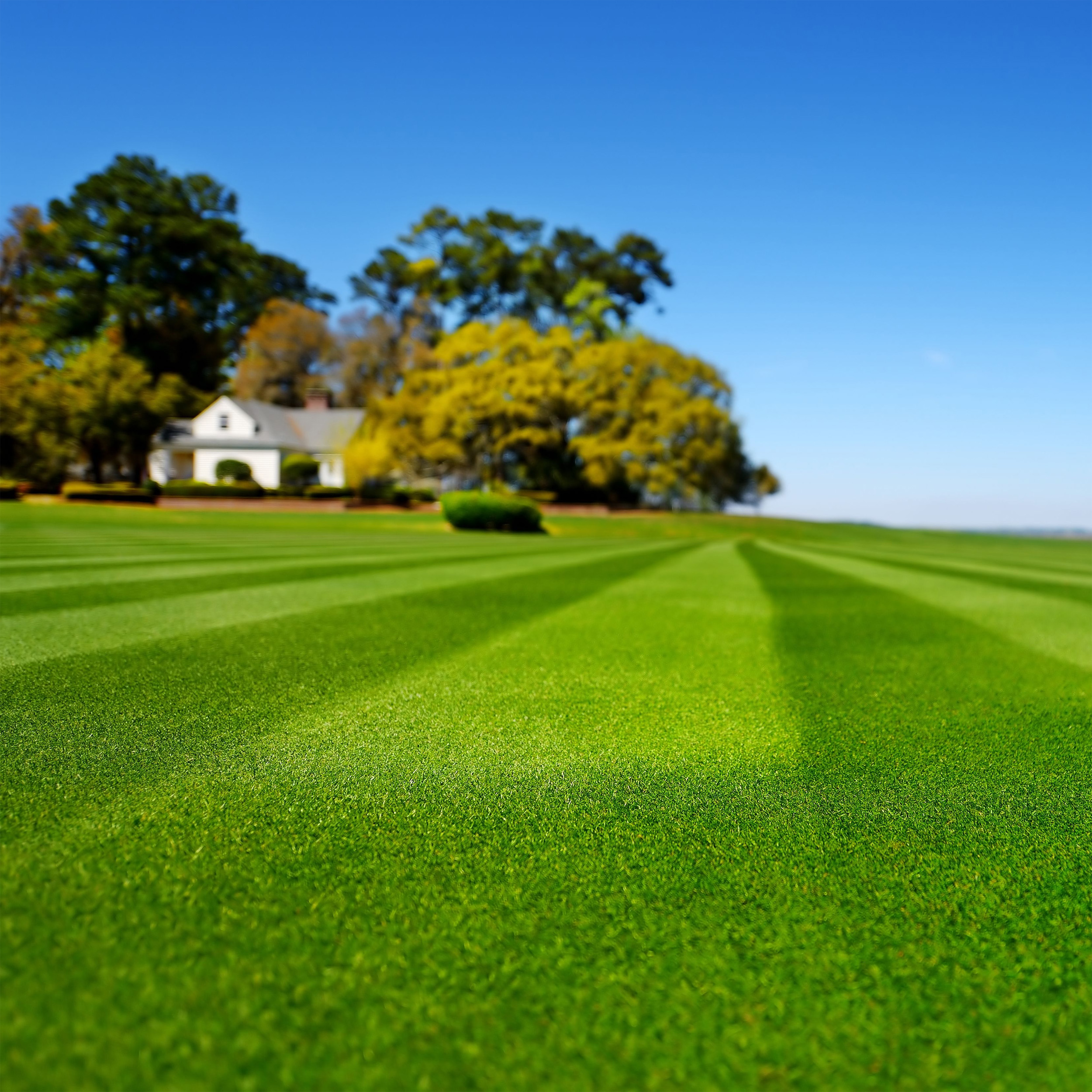
Warm-season grasses thrive in the hot and humid climate of the Florida Panhandle. These grasses grow best during the warm months, providing lush, green lawns that handle heat and drought well. Their deep roots help them survive dry periods and recover quickly after stress. Choosing the right warm-season grass ensures a healthy, attractive yard all summer long.
Bermudagrass Benefits
Bermudagrass is tough and grows fast. It handles heat and drought with ease. This grass forms a dense, green carpet that resists weeds well. Bermudagrass recovers quickly from damage, making it great for high-traffic areas. It needs full sun to look its best.
Zoysiagrass Features
Zoysiagrass grows slowly but creates a thick, soft lawn. It tolerates heat, drought, and salt better than many grasses. This grass resists pests and diseases well. Zoysiagrass can handle some shade, making it flexible for different yard spots. It requires less mowing than Bermudagrass.
St. Augustinegrass Traits
St. Augustinegrass thrives in warm, humid areas. It spreads quickly with thick, coarse blades. This grass does well in partial shade and tolerates salt spray. It needs regular watering during dry spells. St. Augustinegrass offers a lush, green look but can attract some pests.
Bahiagrass Qualities
Bahiagrass is low maintenance and grows well in sandy soils. It handles heat, drought, and poor soil better than most grasses. This grass has a coarse texture and natural weed resistance. Bahiagrass requires less fertilizer and mowing. It is ideal for large areas and low-care lawns.
Centipedegrass Overview
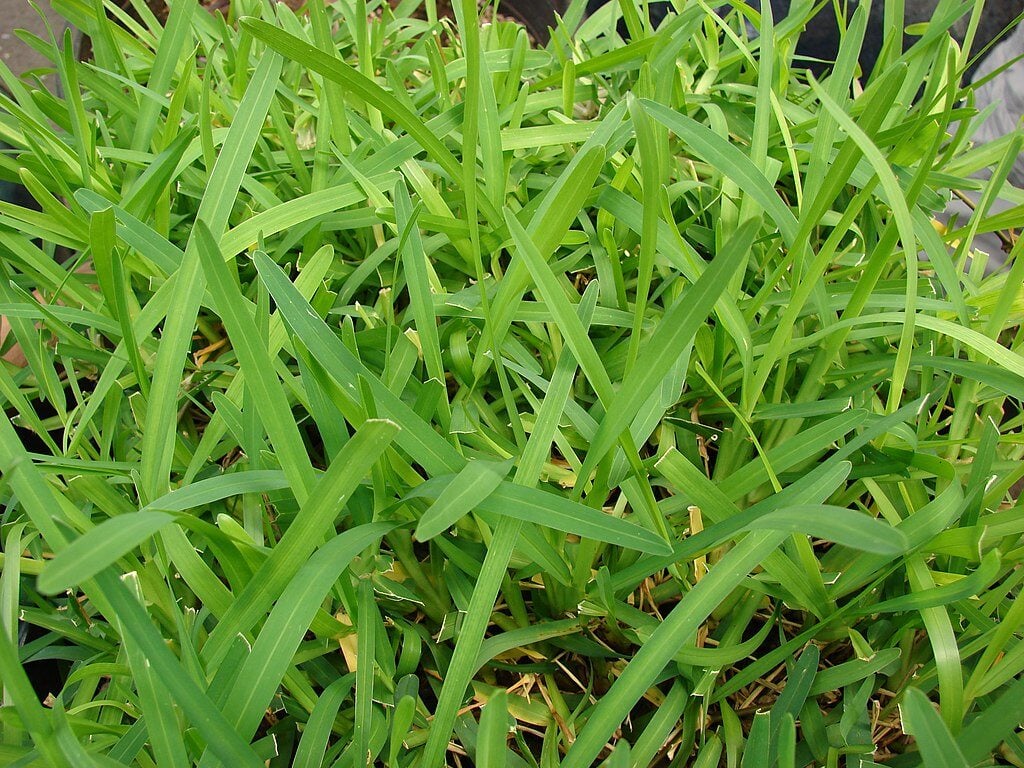
Centipedegrass prefers acidic, sandy soils common in the Panhandle. It grows slowly and needs less fertilizer than other grasses. This grass tolerates heat and drought but grows poorly in shade. Centipedegrass has a light green color and a soft texture. It is a low-maintenance choice for homeowners.
Seashore Paspalum Advantages
Seashore Paspalum thrives in salty, coastal environments. It tolerates salt spray and poor drainage better than other grasses. This grass grows fast and recovers well from damage. Seashore Paspalum stays green longer during drought. It is perfect for beachfront lawns and areas near saltwater.
Climate And Soil Considerations
Choosing the right grass for the Florida Panhandle starts with understanding the climate and soil. These factors shape how well the grass will grow and stay healthy. Knowing the area’s weather patterns, soil types, and light conditions helps select the best grass variety for a lush lawn.
Florida Panhandle Climate
The Florida Panhandle has a humid subtropical climate. Summers are hot and long, with high humidity. Winters are mild and short, rarely dropping below freezing. Rainfall is abundant, especially in summer months. This climate suits warm-season grasses that thrive in heat and moisture.
Soil Types And Preparation
Soils in the Panhandle range from sandy to clayey textures. Sandy soils drain quickly but hold fewer nutrients. Clay soils retain water but may cause drainage issues. Testing soil pH is vital; most grasses prefer slightly acidic to neutral soil. Preparing soil includes removing debris and adding organic matter or fertilizers to improve texture and nutrition.
Sunlight And Shade Effects
Sunlight varies across the Panhandle, with many areas receiving full sun. Some lawns have partial shade from trees or buildings. Warm-season grasses need at least 6 hours of direct sun daily. Shade-tolerant grasses can survive with less light but may grow slower. Understanding sunlight patterns guides grass choice and placement.
Low Maintenance Options
Choosing low maintenance grass for the Florida Panhandle saves time and effort. These grass types thrive with less water, fewer chemicals, and minimal mowing. They suit the region’s warm climate and sandy soil well. Focus on grasses that stay healthy without constant care. This keeps your lawn green and pleasant year-round.
Drought Tolerance
Grass with drought tolerance uses water efficiently. It stays green even during dry spells. Zoysia and Bermuda grasses are good choices here. They need less watering than other types. This reduces water bills and conserves resources. Drought-tolerant grass also recovers fast after dry weather.
Disease Resistance
Disease-resistant grass avoids common lawn problems. It stays healthier without many pesticides or treatments. St. Augustine grass is known for strong disease resistance. It fights off fungus and insects well. Less disease means fewer brown spots and patches. This keeps your lawn looking neat and alive.
Traffic Durability
Some grass handles foot traffic better than others. Bermuda grass is tough and recovers quickly from wear. It suits yards with children or pets. Traffic durability means fewer bare spots and less repair work. Your lawn stays smooth and lush despite heavy use.

Credit: simplelawnsolutions.com
Planting And Care Tips
Growing a healthy lawn in the Florida Panhandle requires the right planting and care methods. Proper steps ensure your grass thrives in this warm, humid region. Follow these tips to establish strong roots and maintain lush greenery throughout the year.
Seeding Vs Sodding
Seeding is cost-effective and offers many grass choices. It takes longer to grow and needs careful watering. Sodding provides instant green coverage. It is more expensive but reduces weed growth. Choose based on your budget and timeline.
Watering Guidelines
Water your lawn deeply but less often. Early morning is the best time to water. Avoid watering in the heat of the day to reduce evaporation. Aim for about one inch of water per week. Adjust during rainy or dry periods for best results.
Fertilizing Schedules
Fertilize your lawn during the growing seasons, spring and fall. Use a slow-release fertilizer to feed grass gradually. Avoid over-fertilizing; it can harm the grass and environment. Follow product instructions carefully for timing and amount.
Mowing Best Practices
Keep mower blades sharp to avoid tearing grass. Set mower height to leave grass about 3 inches tall. Mow regularly but never remove more than one-third of the grass blade. Leave grass clippings on the lawn for natural nutrients.
Common Lawn Problems
Maintaining a healthy lawn in the Florida Panhandle presents unique challenges. The region’s climate and soil conditions can lead to several common lawn problems. Understanding these issues helps keep your grass lush and green. Below are some frequent problems and ways to handle them effectively.
Pests And Weeds
Pests like chinch bugs and sod webworms often damage Florida Panhandle lawns. These insects feed on grass blades and roots, causing brown patches. Regular inspection and early treatment limit their harm.
Weeds such as crabgrass and nutsedge compete with grass for nutrients and water. Applying pre-emergent herbicides in early spring helps prevent weed growth. Spot treating weeds with post-emergent herbicides controls them without harming grass.
Disease Management
Fungal diseases like brown patch and dollar spot thrive in warm, humid conditions. These diseases create discolored spots and thin grass areas. Proper watering and mowing practices reduce disease risk.
Improving soil drainage and avoiding over-fertilization also limit disease spread. Fungicides may be necessary in severe cases but use them sparingly to protect the environment.
Dealing With Thatch
Thatch is a thick layer of dead grass between soil and green blades. It blocks water, air, and nutrients from reaching roots. Lawns in the Florida Panhandle often develop thatch due to warm weather.
Raking or using a dethatching machine removes excess thatch. Aerating the lawn also helps improve soil health and reduce thatch buildup. Regular maintenance prevents thatch from becoming a serious problem.
Top Grass Seed Products
Choosing the right grass seed is key for a beautiful lawn in the Florida Panhandle. The region’s warm climate and sandy soil need grass that thrives in heat and resists drought. Quality seed products offer strong growth and good coverage. Select seeds that match your lawn’s sunlight and usage levels.
This guide highlights top seed options for Bermudagrass, Zoysiagrass, and blended mixes. These choices suit the Panhandle’s unique conditions. Each seed type has benefits for durability, texture, and color. Explore these options to find the best fit for your outdoor space.
Bermudagrass Seed Options
Bermudagrass grows fast and handles heat well. It recovers quickly from wear and tear. Popular seeds include common Bermudagrass and hybrid varieties. Hybrid seeds like Tifway and TifTuf offer improved drought tolerance. These seeds create a dense, green lawn that stays healthy through summer.
Zoysiagrass Seed Choices
Zoysiagrass is slow to grow but forms a thick, lush carpet. It tolerates shade better than Bermudagrass. Common seed types are Meyer, Emerald, and Zenith. Zenith Zoysia is known for its fine texture and resilience. Zoysiagrass seeds need patience but reward with a soft, attractive lawn.
Blended Grass Seed Mixes
Blended seed mixes combine different grass types for balance. These mixes adapt to sun and shade, plus resist drought and disease. Many blends include Bermudagrass, Zoysia, and Ryegrass. Blended mixes are easy to maintain and fill in bare spots quickly. They suit homeowners wanting diverse, strong lawns.
Credit: www.landcraftersfl.com
Frequently Asked Questions
What Is The Best Grass Seed For Panama City Florida?
Bermudagrass, Zoysiagrass, St. Augustinegrass, and Bahia grass thrive best in Panama City’s warm climate. Choose based on sun exposure and maintenance preferences.
What Is The Best Low Maintenance Grass For Florida?
Bermudagrass, St. Augustinegrass, and Zoysiagrass thrive in Florida with low maintenance. They resist heat, drought, and pests well. Choose based on sun exposure and soil type for best results.
What Grass Grows Best In Pensacola?
Bermudagrass, St. Augustinegrass, and Zoysiagrass grow best in Pensacola. They thrive in warm, humid climates and resist pests. Choose based on sunlight and maintenance needs.
What Is The Downside Of St. Augustine Grass?
St. Augustine grass requires high water and fertilizer. It is prone to pests and disease. It struggles in cold or drought conditions.
Conclusion
Choosing the right grass makes all the difference in your lawn’s health. The Florida Panhandle’s climate needs grasses that handle heat and humidity well. Bermuda, Zoysia, and St. Augustine grass are great options to consider. Each type offers unique benefits for your yard.
Maintaining your lawn with proper care keeps it green and lush. Enjoy a beautiful lawn that thrives in Florida’s Panhandle climate year-round. Your effort will pay off with a strong, healthy grass cover. Start planting smart and watch your lawn flourish easily.