Finding the best water plants for indoor in Florida can seem tricky at first. Many plants need specific care that might not work well indoors, especially in a warm, humid climate like Florida’s. But don’t worry!
We’ll show you how to pick and care for some amazing plants that will thrive inside your home. Get ready to bring a piece of Florida’s natural beauty indoors with ease.
Transform Your Florida Home With Easy Indoor Water Plants
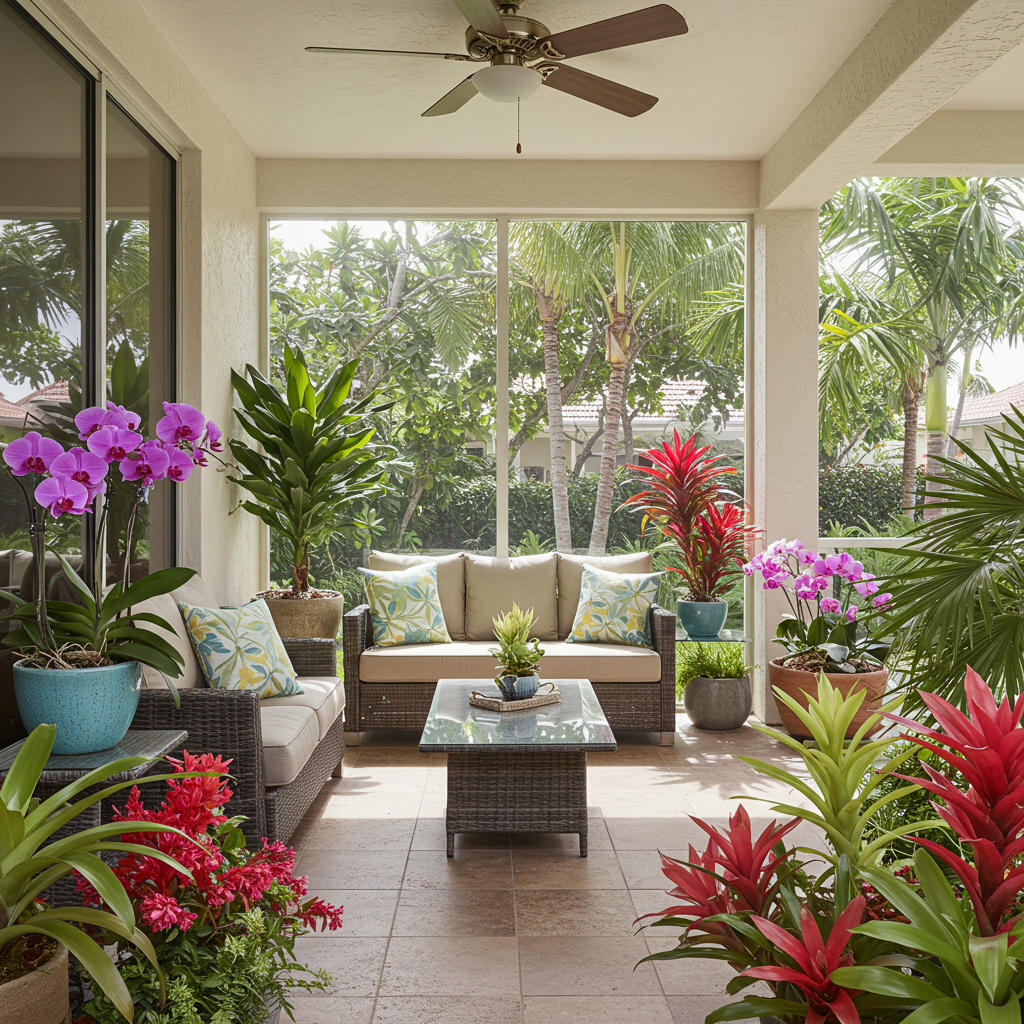
Florida’s warm weather and natural beauty make us think of water and lush greenery. Bringing that feeling inside your home is a wonderful way to decorate and improve your living space. Water plants add a unique touch, bringing a sense of calm and freshness.
They can also help clean your air. For anyone in Florida looking for that perfect indoor plant, focusing on the best water plants for indoor in florida is a great starting point. These plants are chosen for their ability to do well in indoor conditions, even with Florida’s specific climate.
Why Choose Water Plants For Your Florida Indoor Space
Water plants offer a special kind of beauty. They bring a sense of peace and tranquility, reminding us of Florida’s many lakes and springs. Beyond their looks, many water plants are known for their air-purifying qualities.
They can help remove common indoor pollutants, making your home a healthier place to be. For Floridians, these plants are a natural fit, bringing a touch of the outdoors in without the fuss of outdoor gardening. They are also surprisingly easy to care for when you know what to look for.
Top Picks For Best Water Plants For Indoor In Florida
Selecting the right water plants for your indoor Florida home means looking for species that tolerate indoor conditions and don’t need constant submersion. Many can live happily in pots with good drainage or even in decorative containers with a water reservoir.
Peace Lily
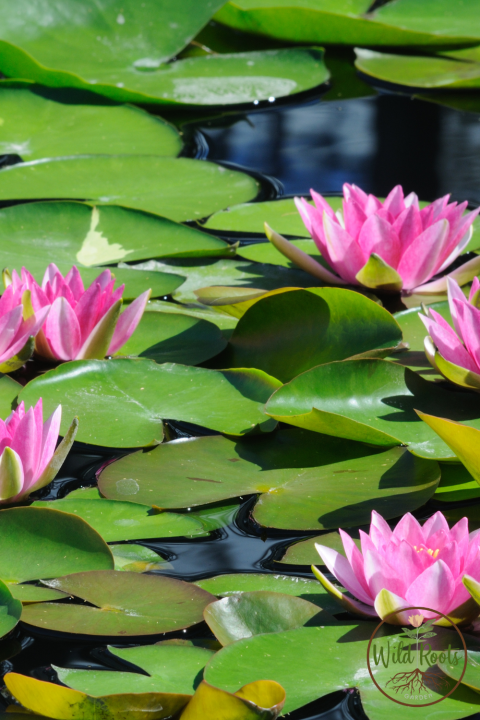
The Peace Lily (Spathiphyllum wallisii) is a popular choice for a reason. It’s known for its elegant white blooms and its ability to tolerate lower light conditions, making it perfect for many indoor spaces.
- Light: Prefers bright, indirect light. It can also tolerate lower light but may bloom less. Avoid direct sunlight, which can scorch its leaves.
- Water: Keep the soil consistently moist but not waterlogged. Peace lilies will often tell you when they need water by drooping slightly.
- Humidity: Enjoys high humidity, which is common in Florida homes. Misting the leaves occasionally can be beneficial.
- Soil: Use a well-draining potting mix.
Lucky Bamboo
Despite its name, Lucky Bamboo (Dracaena sanderiana) is not a true bamboo. It’s a succulent that is often grown in water. It’s a symbol of good luck and is very easy to care for.
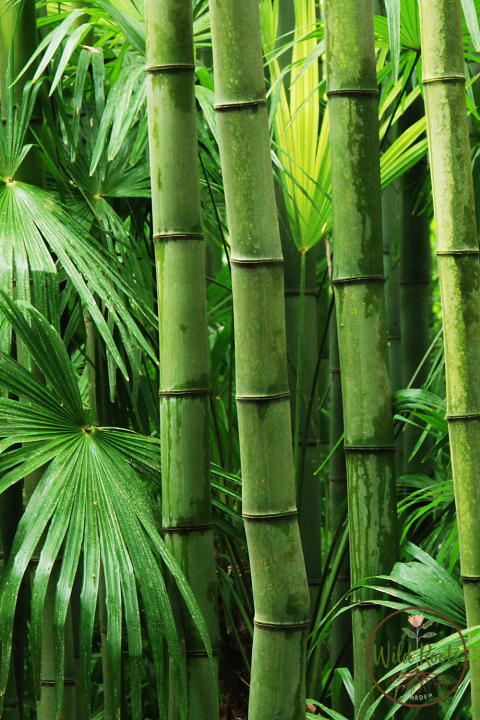
- Light: Prefers bright, indirect light. It can tolerate lower light but will grow more slowly.
- Water: Keep the stalks submerged in clean water. Change the water every 1-2 weeks to prevent bacterial growth and keep it fresh. Use filtered or distilled water if your tap water is heavily chlorinated.
- Temperature: Prefers average room temperatures.
- Container: Can be grown in decorative vases or containers filled with water and pebbles.
Chinese Evergreen
Chinese Evergreen (Aglaonema) plants are incredibly hardy and come in a variety of beautiful patterns and colors. They are very forgiving and can thrive even if you forget to water them now and then.
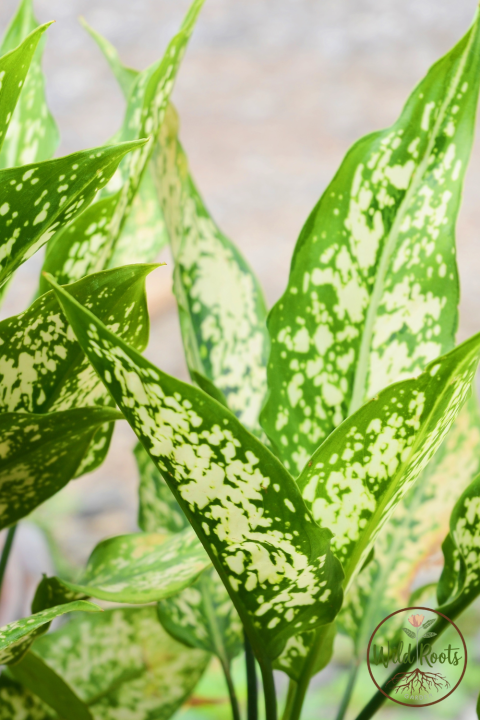
- Light: Tolerates low to medium indirect light. Brighter indirect light will encourage more colorful varieties to show their best patterns.
- Water: Allow the top inch of soil to dry out between waterings. Overwatering can lead to root rot.
- Humidity: Appreciates higher humidity, making it ideal for Florida’s climate.
- Soil: Use a well-draining potting mix.
Snake Plant (Mother-in-law’s Tongue)
Snake plants (Sansevieria trifasciata) are known for their striking, upright leaves and their ability to survive neglect. They are also excellent air purifiers.
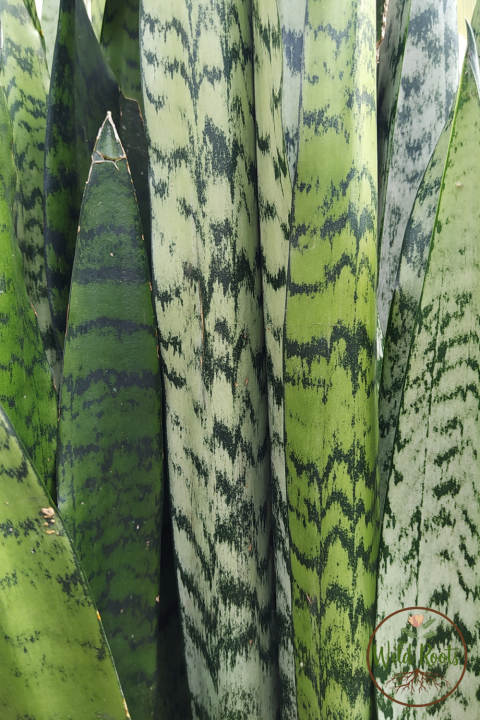
- Light: Very adaptable. Thrives in bright, indirect light but also tolerates low light conditions well.
- Water: Water sparingly. Allow the soil to dry out completely between waterings. Overwatering is the most common way to kill a snake plant.
- Humidity: Tolerant of average household humidity.
- Soil: Use a well-draining potting mix, like a cactus or succulent blend.
Spider Plant
Spider plants (Chlorophytum comosum) are incredibly easy to grow and produce small “spiderettes” or plantlets that hang down, giving them a unique, cascading look.
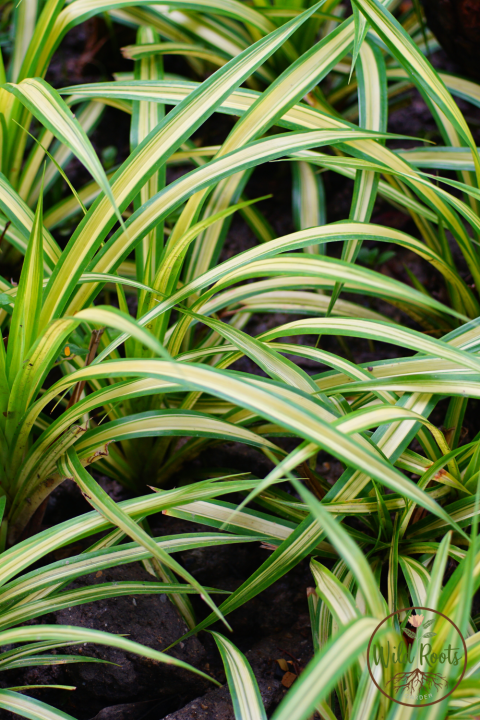
- Light: Prefers bright, indirect light. Direct sun can burn the leaves.
- Water: Keep the soil moderately moist. Water when the top inch of soil feels dry. They are somewhat tolerant of drying out.
- Humidity: Benefits from moderate to high humidity.
- Soil: A standard potting mix works well.
ZZ Plant
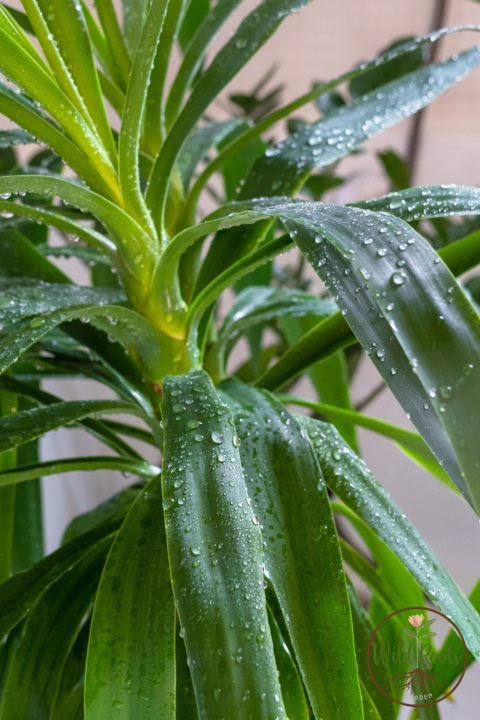
ZZ plants (Zamioculcas zamiifolia) are famous for their drought tolerance and ability to grow in very low light. Their glossy, dark green leaves add a sophisticated touch.
- Light: Extremely tolerant of low light conditions. Can also handle bright, indirect light.
- Water: Water very infrequently. Allow the soil to dry out completely between waterings. They store water in their rhizomes.
- Humidity: Tolerant of average to low humidity.
- Soil: Needs a well-draining potting mix.
Caring For Your Indoor Water Plants In Florida
Caring for indoor water plants in Florida involves understanding their basic needs and adapting them to your home environment. The key is to mimic their natural conditions as much as possible without overdoing it.
Light Requirements
Most indoor plants, especially those that might be found near water sources, prefer bright, indirect light. Direct Florida sun can be very strong and might scorch the leaves of sensitive plants. Place your plants near windows that get plenty of light but are shielded from harsh, direct rays.
North or east-facing windows are often ideal. If your home doesn’t have enough natural light, consider using grow lights.
Watering Wisdom
The term “water plant” can be misleading. Not all indoor water plants need to sit in standing water. Many simply prefer consistently moist soil.
For plants that grow in water, like Lucky Bamboo, changing the water regularly is crucial to prevent stagnation and bacterial buildup. For potted plants, check the soil moisture by sticking your finger about an inch deep. If it feels dry, it’s time to water.
Overwatering is a common mistake, especially in humid Florida, and can lead to root rot.
Humidity and Airflow
Florida’s natural humidity is a big advantage for many indoor plants. However, indoor air can sometimes be drier, especially with air conditioning running. Grouping plants together can help create a microclimate with higher humidity.
You can also use a pebble tray filled with water under the pot, ensuring the bottom of the pot doesn’t sit directly in water. Good airflow is also important to prevent fungal issues. Avoid placing plants in drafty spots or directly next to AC vents.
Soil and Potting
For potted water plants, good drainage is essential. Use a well-draining potting mix, often a blend designed for houseplants or even succulents. This prevents water from sitting around the roots for too long.
Ensure your pots have drainage holes. When growing plants like Lucky Bamboo in water, the container should be stable and clean. For plants that prefer moist soil, you can also add some perlite or vermiculite to your potting mix to improve aeration and moisture retention.
Feeding Your Plants
Indoor plants generally need less fertilizer than outdoor plants. During the growing season (spring and summer), you can feed your water plants with a balanced liquid fertilizer diluted to half strength every 4-6 weeks. Reduce or stop fertilizing during the fall and winter months when plant growth slows down.
Always follow the fertilizer package instructions carefully to avoid over-fertilizing, which can harm your plants.
Common Pests and Problems
Even indoor plants can attract pests. Keep an eye out for common issues like spider mites, mealybugs, or aphids. These can often be treated by wiping the leaves with a damp cloth or using a gentle insecticidal soap.
Brown leaf tips can indicate low humidity or inconsistent watering. Yellow leaves might mean overwatering or too much direct sun. By observing your plants regularly, you can catch problems early and address them before they become serious.
Frequently Asked Questions
Question: What is the easiest water plant to care for indoors in Florida?
Answer: Lucky Bamboo and Snake Plants are often considered the easiest. Lucky Bamboo needs regular water changes, and Snake Plants prefer to dry out, making them very forgiving.
Question: Do indoor water plants need a lot of light in Florida homes?
Answer: Most prefer bright, indirect light. Direct Florida sun can be too harsh. Place them near windows that get good light but are not directly exposed to the sun’s rays.
Question: Can I grow these plants in regular tap water in Florida?
Answer: For plants grown directly in water, like Lucky Bamboo, it’s best to use filtered or distilled water. Florida tap water can sometimes have high mineral content or chlorine that may not be ideal.
Question: How often should I water my indoor plants in Florida?
Answer: This depends on the plant. For soil-based plants, water when the top inch of soil feels dry. For water plants, change the water regularly.
Always check the specific needs of your plant.
Question: Will these plants increase humidity in my Florida home?
Answer: Yes, plants release moisture through a process called transpiration, which can help increase indoor humidity. Grouping plants together can enhance this effect.
Final Thoughts
Choosing the best water plants for indoor in florida is an achievable goal for any home gardener. These plants bring beauty and life, enhancing your living space with ease. Focus on the simple needs of each plant, providing the right light, water, and care.
You’ll soon have a thriving indoor oasis that reflects the natural charm of Florida.