
Finding The Right Landscape Plants For Michigan
Planning a garden in Michigan often means balancing the beauty of native plants with the practical needs of your local climate. You may have felt overwhelmed by the many options, unsure which plants will thrive or fit your style.
Choosing landscape plants here is tricky because of Michigan’s varied seasons and soil types. Some plants need more care, while others are low maintenance. Deciding what suits your yard involves weighing factors like hardiness, growth habits, and aesthetics without clear-cut answers.
This guide will help you understand what to consider when selecting landscape plants for Michigan. It aims to make the decision process clearer, so you can pick plants that work well for your specific garden conditions and personal preferences.
What Matters Most When Picking Landscape Plants
Hardiness is key—plants must survive Michigan’s cold winters and warm summers. Native species often adapt better, but ornamental options can add unique colors and textures. Consider how much effort you want to spend on upkeep. Some plants need regular pruning or special soil, while others grow easily.
Think about your garden’s sun exposure and soil type. These factors greatly affect plant health. Also, consider the mature size of plants to avoid overcrowding or constant trimming. The right choice balances beauty, resilience, and maintenance in your space.
Common Mistakes To Avoid
A frequent error is picking plants solely on looks without checking if they fit Michigan’s environment. Another is underestimating growth size, leading to crowded gardens. Some buyers also overlook seasonal changes, selecting plants that don’t bloom or look good year-round.
Knowing the practical needs of plants and your own gardening goals helps prevent frustration and wasted effort. It’s better to start with a clear understanding than to adjust later.
With these points in mind, the following selections highlight a range of landscape plants suitable for Michigan gardeners. They cover different styles, care levels, and uses to fit diverse needs and tastes.
Best Garden Plants For Michigan
This guide is a helpful resource for anyone seeking the best landscape plants for Michigan’s unique climate and soil conditions.

This book provides detailed guidance on selecting and growing ornamental plants that thrive in Michigan’s environment. It is a used book in good condition, offering a practical resource for gardeners wanting reliable information about regional plant choices.
Using this guide can simplify landscape planning by helping you choose plants suited to local conditions. It saves time and guesswork, allowing you to approach gardening with more confidence and enjoy a more successful outdoor space.
Key Benefits for Gardeners
- Focuses specifically on Michigan’s climate and soil types
- Offers practical advice for ornamental plant gardening
- Affordable option with significant savings off original price
- Compact size makes it easy to reference during garden planning
- Available through a reliable merchant with strong customer feedback
Considerations Before Buying
- Used book condition may vary, so check seller details
- Does not include customer reviews for further insights
- More suited for gardeners comfortable with print resources rather than digital guides
Who This Guide Works For
This book is ideal for Michigan gardeners looking to reduce uncertainty when choosing plants that will thrive locally. It removes the hassle of trial and error by providing region-specific recommendations.
To get the most from it, pair the book’s advice with your local garden observations and soil tests. This combination helps ensure your landscape plants flourish year after year.
If you prefer a straightforward, reliable resource without digital distractions, this guide fits well with a practical gardening style.
| Best for | Why |
|---|---|
| Michigan gardeners | Provides tailored plant advice for local climate and soil |
| Ornamental plant enthusiasts | Focuses on landscaping with decorative plants |
| Budget-conscious buyers | Used book with a 44% price reduction |
| Those preferring print guides | Compact, easy-to-reference physical book |
Landscaping With Native Plants Of Michigan
Discover the best landscape plants for Michigan with this guide focused on native species suited to the local environment.

This book offers a detailed look at native plants ideal for Michigan landscapes, helping gardeners make informed choices for sustainable and attractive outdoor spaces. It covers a variety of species that thrive in the regional climate, reducing the guesswork often involved in plant selection.
Using this guide makes planning your garden easier and more reliable, especially for those wanting to support local ecology. It gives confidence by focusing on plants proven to flourish in Michigan, which can save time and reduce maintenance in the long run.
Key Benefits for Garden Planning
- Focuses exclusively on Michigan-native plants for regional success
- Encourages environmentally friendly landscaping choices
- Helps reduce maintenance by choosing plants adapted to local conditions
- Supports biodiversity and local wildlife habitats
- Offers practical dimensions and edition details for reference
Considerations Before Buying
- Not a plant catalog—no photos or extensive plant care details
- Limited to native species, which may exclude some popular non-native options
- Primarily a reference book, so not a step-by-step gardening manual
Who Will Benefit Most
This guide is ideal for gardeners and landscapers in Michigan who want to design with native plants for a sustainable garden. It removes uncertainty about plant choices by focusing on species proven to thrive locally, reducing the stress of trial and error. A helpful tip is to cross-reference this book with local nursery availability to plan your garden efficiently.
Choosing native plants guided by this resource leads to a dependable, low-maintenance landscape that supports local ecosystems. If you value eco-friendly gardening and want reliable results, this book fits well within your planning toolkit.
| Best for | Why |
|---|---|
| Michigan homeowners | Provides native plant options suited to the local climate |
| Landscape professionals | Supports design with ecologically appropriate plants |
| Conservation gardeners | Encourages biodiversity and habitat preservation |
| New gardeners in Michigan | Reduces guesswork by focusing on regionally adapted plants |
Michigan Trees & Wildflowers Guide
This guide is a helpful resource for identifying the best landscape plants for Michigan, especially for nature enthusiasts and gardeners in the region.
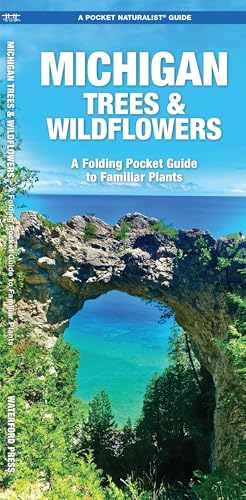
This is a compact atlas focusing on trees and wildflowers native to Michigan. It helps users identify local plants, making it easier to choose suitable landscape options for the region’s climate and environment. The book is a used copy but remains in good condition, providing valuable natural observation insights.
Using this guide feels straightforward and accessible, even for those new to Michigan’s flora. It saves time by consolidating key information in one place, allowing gardeners and nature observers to confidently select plants that thrive locally without guesswork.
Key Benefits for Plant Selection
- Focuses specifically on Michigan’s native trees and wildflowers
- Compact size makes it easy to carry outdoors
- Provides reliable identification information
- Good condition despite being a used book
- Published by a reputable brand, Waterford Press
- Helps reduce mistakes in plant selection by localizing information
Considerations Before Buying
- Only 12 pages, so coverage is brief
- Not a new book, which may affect durability
- Focuses on identification more than detailed planting advice
Who Will Benefit Most
This guide is ideal for beginner to intermediate gardeners and nature observers in Michigan who want a simple reference for native plants. It removes uncertainty about local species and shortens the time spent researching plants that grow well in Michigan’s environment.
To get the most from it, pair this book with hands-on garden experience or additional resources for planting details. Its concise format means it won’t overwhelm but will reliably support your landscape planning.
For those who appreciate a straightforward, no-frills approach to plant identification, this small atlas provides a solid foundation.
| Best for | Why |
|---|---|
| Nature observers in Michigan | Offers quick identification of local trees and wildflowers |
| Gardeners selecting native plants | Helps reduce mistakes by focusing on Michigan-specific species |
| Outdoor enthusiasts | Compact size makes it easy to carry on field trips |
| Budget-conscious buyers | Used copy in good condition provides value at a low price |
Wild Harvest Edible Plants Guide
Explore Best Landscape Plants for Michigan with this detailed guide to edible native flora for the region.
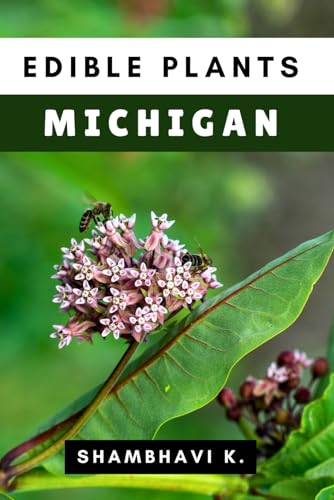
Wild Harvest: A Guide to Edible Plants in Michigan is a comprehensive book offering detailed information on native edible plants specific to Michigan’s landscape. It helps readers identify and utilize local plant species safely and effectively, making it a valuable resource for landscape enthusiasts and foragers alike.
Using this guide is straightforward and educational, allowing you to gain confidence in selecting plants that thrive in Michigan’s environment. It supports a more informed and sustainable approach to landscaping and foraging, reducing uncertainty and enhancing your connection to local nature.
Key Benefits for Landscape Enthusiasts
- Focused on edible plants native to Michigan for regional relevance
- Provides practical identification to avoid confusion with toxic species
- Compact size for easy reference in the field
- Published independently, offering unique local insights
- Supports sustainable and edible landscaping choices
Considerations Before Buying
- No photographic features or illustrations included
- Lacks detailed gardening or cultivation instructions
- Primarily a reference guide, not a comprehensive plant encyclopedia
Who This Guide Works For
This guide is ideal for Michigan gardeners and foragers who want to incorporate edible native plants into their landscapes without guesswork. It removes the stress of plant misidentification and adds confidence to your outdoor projects. A quick tip: cross-reference plants with local regulations to ensure safe foraging.
It offers peace of mind by focusing exclusively on regional flora, minimizing surprises when applying the information outdoors. If you enjoy connecting with nature and practical learning, this guide fits well with your style.
| Best for | Why |
|---|---|
| Michigan native plant enthusiasts | Focuses exclusively on edible species found in Michigan’s landscape |
| Beginner foragers | Helps identify safe edible plants, reducing risk of mistakes |
| Sustainable landscapers | Supports use of local edible plants in landscaping for ecological benefits |
| Educational reference users | Compact and straightforward guide for quick plant identification |
Michigan Gardening Guide
For those seeking the Best Landscape Plants for Michigan, this guide offers trusted regional gardening insight from a reputable source.
This book is a comprehensive regional guide published by the University of Michigan Press, covering flower gardening tailored to Michigan’s unique climate and conditions. It helps gardeners select plants that thrive locally, reducing trial and error in landscape planning.
Using this guide makes gardening feel more manageable and confident, as it offers detailed, illustrated advice on plant choices and care. It saves time and frustration by focusing on plants suited specifically to Michigan landscapes.
Key Benefits for Michigan Gardeners
- Region-specific gardening advice from a trusted university publisher
- Illustrated edition with clear, visual guidance
- Comprehensive coverage of flower gardening in Michigan
- Helps select plants that are proven to thrive locally
- Reduces guesswork in landscape planning
- Compact and easy to handle with practical dimensions
Considerations Before Buying
- Focuses on flower gardening, not a broad plant encyclopedia
- Published in 1998, may not include the newest plant varieties
- No direct customer reviews available to gauge user feedback
When This Guide Makes Sense
This guide is ideal for Michigan gardeners who want reliable, region-specific advice without wading through generic gardening books. It removes the stress of plant selection by focusing on what grows well locally.
To get the most from it, use the illustrations to compare plants directly and plan your landscape with confidence. The detailed insights reduce surprises and help ensure a flourishing garden season after season.
| Best for | Why |
|---|---|
| Beginner Michigan Gardeners | Provides clear, region-specific plant recommendations for local success |
| Flower Garden Enthusiasts | Focuses on flower gardening tailored to Michigan’s climate |
| Gardeners Seeking Illustrated References | Includes visual guides that simplify plant identification and care |
| Those Planning Landscapes in Michigan | Helps reduce guesswork by recommending plants adapted to local conditions |
Understanding Your Gardening And Plant Reference Needs
Choosing the right gardening or plant guide depends on your specific goals. Are you looking to identify native plants, plan a garden suited to Michigan’s climate, or learn about edible plants? Each book serves a unique purpose, from detailed plant identification to practical landscaping advice.
Consider whether you prefer a comprehensive guide or a focused atlas. Some books emphasize ornamental gardening, while others focus on botany or wildflowers. Knowing your main interest will help narrow down your options.
Key Factors To Consider Before Buying
Scope of Content
Look for guides that match your level of expertise and interest. Beginners may benefit from books with clear illustrations and practical tips, while more experienced gardeners might prefer detailed botanical information or native plant landscaping insights.
Book Format and Size
Check the dimensions and weight if you plan to carry the book outdoors. Compact guides are easier to use in the field, while larger books may offer more detailed images and information but can be less portable.
Condition and Edition
Used books can be cost-effective but consider the edition and publication date to ensure the information is current and relevant for Michigan’s environment.
Common Challenges When Using Gardening And Plant Guides
One frequent difficulty is matching plant descriptions with real-life specimens, especially if photos or illustrations are limited. Some guides focus more on text, which may require additional research for identification.
Another challenge is understanding regional variations in plant growth and climate. Ensure the guide specifically covers Michigan or similar climates to avoid confusion.
Faqs About Gardening And Plant Reference Books For Michigan
What makes a good plant guide for Michigan gardeners?
A good guide includes clear illustrations or photos, region-specific plant information, and practical advice for planting and care suited to Michigan’s climate.
Are older editions still useful?
Older editions can provide valuable information, but some details like plant availability or landscape practices might be outdated. Cross-reference with recent sources if possible.
Should I choose a book focused on native plants or ornamental gardening?
Choose native plant guides if you want to support local ecosystems. Ornamental gardening books are better for designing visually appealing landscapes.
How important is portability in a plant guide?
Portability matters if you plan to use the book outdoors frequently. Smaller, lighter books are easier to carry and handle in the field.
Can these books help with edible plant identification?
Some guides specifically cover edible plants and offer safety advice. Make sure to select one that clearly identifies edible species and provides reliable information.
Final Considerations
When selecting a gardening or plant reference book for Michigan, focus on how well the content aligns with your personal gardening goals. Consider your comfort with the book’s format and depth of information. Reliable, region-specific guides can enhance your gardening experience and confidence in plant identification. Taking time to reflect on these factors helps ensure your choice is a practical and lasting resource.