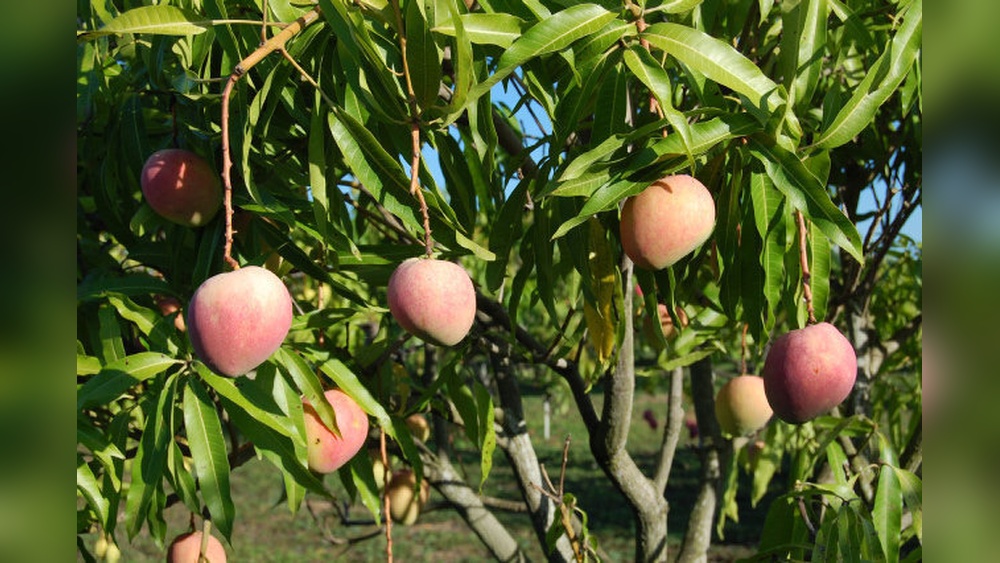
If you’ve ever dreamed of biting into a juicy, sweet mango fresh from your own backyard, South Florida is the perfect place to make that dream come true. But with so many mango tree varieties out there, how do you pick the best one for your home garden?
You want a tree that thrives in South Florida’s unique climate, resists common diseases, and delivers delicious fruit year after year. You’ll discover the top mango trees that fit these needs perfectly, making your choice easier and your harvest sweeter.
Keep reading to find out which mango tree is the best match for your space and taste buds!
Top Mango Varieties For South Florida
South Florida’s warm climate suits many mango varieties. Choosing the right type helps ensure healthy growth and tasty fruit. Some mango trees resist diseases better and handle humidity well. The following are top mango varieties for South Florida gardens.
Fairchild
Fairchild mangoes grow well in South Florida’s climate. They have medium-sized fruit with sweet, rich flavor. The trees stay manageable in size. Fairchild ripens in mid-summer, offering fresh mangoes early in the season.
Rosigold
Rosigold mango trees produce small to medium fruit. Their flesh is juicy and sweet with a low fiber texture. Rosigold trees are disease resistant and fast growers. They bear fruit in late spring to early summer.
Glenn
Glenn mangoes have bright yellow skin with a red blush. The taste is sweet, mild, and less fibrous. Glenn trees handle South Florida heat well. They produce fruit in early summer, adding variety to your harvest.
Angie
Angie mangoes offer large, golden fruit with a smooth texture. The flavor is rich and buttery, perfect for fresh eating. Angie trees grow steadily and resist common mango diseases. They mature in mid to late summer.
Orange Sherbet
Orange Sherbet mangoes are known for their colorful orange-red skin. Their flesh is creamy and sweet with low fiber. These trees thrive in South Florida’s environment. Orange Sherbet fruits in mid-summer, providing a tasty treat.

Credit: www.youtube.com
Best Disease-resistant Mango Trees
Mango trees can face many diseases in South Florida’s warm climate. Choosing disease-resistant varieties helps keep trees healthy. These types need less treatment and care. They also produce better fruit in tough conditions.
Planting disease-resistant mango trees protects your garden investment. These trees resist common problems like anthracnose and powdery mildew. They thrive with less chemical use. This makes growing mangoes easier and safer for families.
Pickering
Pickering mango trees are known for their strong disease resistance. They handle Florida’s humidity well. This variety resists anthracnose, a common fungal disease. Pickering trees grow vigorously and bear sweet, fiberless fruit. Their harvest season is early to mid-summer. This makes them a favorite for home growers in South Florida.
Other Resistant Varieties
Several other mango varieties also show good disease resistance. ‘Glenn’ is one example, producing smooth, fiberless fruit with less disease risk. ‘Fairchild’ is another, with a strong defense against fungal infections. ‘Carrie’ offers excellent taste and resists leaf spot diseases. These varieties suit South Florida’s climate and soil. They offer reliable yields with minimal disease problems.
Climate And Soil Needs
Growing a mango tree in South Florida requires attention to climate and soil conditions. Mango trees thrive best where warmth and humidity are steady. Understanding these needs helps ensure healthy growth and bountiful fruit. Proper soil and protection from cold spells are key factors to consider for successful planting.
Ideal Planting Zones
South Florida’s tropical climate suits mango trees well. USDA zones 10 through 11 provide the warmth mangoes need. These zones offer long, hot summers and mild winters. Planting in these areas increases chances of strong growth and fruit production. Avoid colder regions that risk frost damage.
Soil Requirements
Mango trees prefer well-draining soil to prevent root rot. Sandy or loamy soils work best in South Florida. The soil should be slightly acidic to neutral, with a pH of 5.5 to 7.5. Rich organic matter supports healthy roots and improves water retention. Avoid heavy clay soils that hold too much water.
Protection From Cold
Cold weather can harm mango trees, especially young ones. Protect trees from temperatures below 40°F. Use frost cloths or blankets during cold snaps. Plant trees near walls or buildings to reduce cold exposure. Mulching around the base helps keep roots warm and moist.
Credit: yardorchard.com
Tree Size And Growth Rate
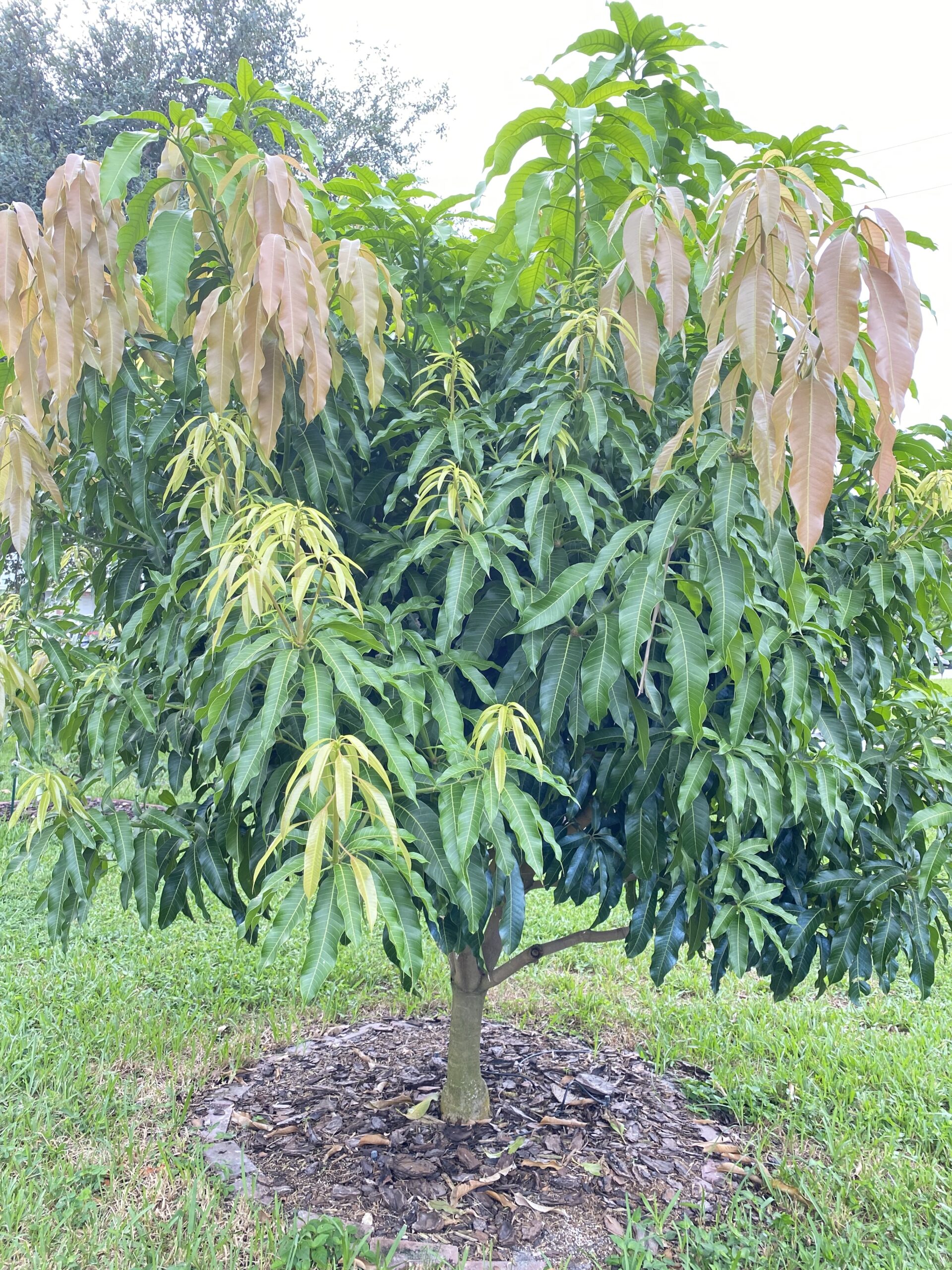
Mango trees vary in size and growth speed, which affects space and care needs. Choosing the right tree size helps manage your garden well. Growth rate determines how soon you enjoy fresh fruit. South Florida’s climate supports many mango varieties with different sizes and growth habits.
Compact Varieties
Compact mango trees stay small, perfect for limited spaces. They grow 8 to 12 feet tall. These trees fit well in yards or containers. Compact types need less pruning and care. Varieties like ‘Carrie’ and ‘Pickering’ offer sweet fruit in small forms. These trees start producing fruit sooner due to their size. They suit home gardens or patios best.
Fast-growing Trees
Fast-growing mango trees reach full size quickly. Some can grow over 30 feet tall in a few years. These trees produce large crops of fruit once mature. Varieties such as ‘Haden’ and ‘Tommy Atkins’ grow fast and strong. They need more space and regular pruning. Fast growers are great for bigger gardens. They provide abundant fruit but require more care.
Fruit Quality And Harvest Time
Choosing the best mango tree for South Florida involves understanding fruit quality and harvest time. These factors affect how enjoyable and productive your tree will be. Mango varieties differ in taste and when their fruit is ready. Knowing these details helps pick the right tree for your garden or farm.
Flavor Profiles
Mangoes vary widely in flavor. Some are sweet with a hint of citrus, while others have a rich, creamy taste. Varieties like ‘Glenn’ offer a smooth, almost peach-like flavor. ‘Fairchild’ mangoes have a sweet and tangy balance that many enjoy. ‘Rosigold’ is known for its very sweet and juicy fruit. Each variety provides a unique eating experience. Choose a flavor that suits your preference and local climate.
Ripening Seasons
Harvest time differs among mango types. Some mangoes ripen early in the season, while others mature later. ‘Fairchild’ mangoes often ripen in May or June. ‘Glenn’ mangoes usually come ready around June or July. ‘Angie’ and ‘Rosigold’ tend to ripen later in the summer. Knowing the ripening season helps plan your harvest and enjoy fresh fruit for a longer period. It also aids in managing your garden’s workflow.
Credit: fairchildgarden.org
Planting And Care Tips
Growing mango trees in South Florida requires attention to specific planting and care practices. These trees thrive well with the right water, nutrients, and pruning methods. Proper care helps mango trees produce juicy and tasty fruits year after year. Below are key tips to keep your mango tree healthy and productive.
Watering And Fertilizing
Mango trees need regular watering during their first two years. Water deeply once or twice a week to encourage strong roots. Mature trees can tolerate dry spells but benefit from watering in dry seasons. Use a balanced fertilizer with nitrogen, phosphorus, and potassium. Apply fertilizer three times a year: early spring, summer, and fall. Avoid over-fertilizing, as it can harm the tree and reduce fruit quality.
Pruning Strategies
Prune mango trees to shape them and remove dead branches. Do this after harvesting the fruit to avoid cutting flower buds. Focus on opening the canopy to allow sunlight and air circulation. Remove any crossing or weak branches to reduce disease risk. Keep the tree height manageable for easier fruit picking. Regular pruning improves fruit size and overall tree health.
Pest And Disease Management
Watch for common pests like scale insects, mealybugs, and mango weevils. Use insecticidal soap or neem oil to control infestations early. Check leaves and fruit for signs of disease such as anthracnose or powdery mildew. Remove affected parts promptly to stop spread. Keep the area around the tree clean and free of fallen fruit. Healthy trees resist pests and diseases better.
Other Tropical Fruit Trees For South Florida
South Florida’s warm climate suits many tropical fruit trees beyond mangoes. These trees add variety and fresh flavors to any garden. They also grow well in local soils and weather.
Choosing the right tropical fruit tree can bring delicious, homegrown fruits to your table. Here are some popular options that thrive in South Florida.
Avocado
Avocado trees flourish in South Florida’s well-drained soil. They offer creamy, nutritious fruits perfect for salads and sandwiches. Varieties like ‘Choquette’ and ‘Brooks’ grow well here. Avocado trees prefer full sun and regular watering. They also resist many common pests and diseases.
Lychee
Lychee trees love South Florida’s warm, humid climate. They produce sweet, juicy fruits with a unique flavor. These trees grow best in protected areas with good air circulation. Lychee fruits usually ripen in early summer. They need regular watering but dislike waterlogged soil.
Starfruit
Starfruit trees are compact and easy to manage in small spaces. Their fruits have a crisp texture and a sweet-tart taste. Starfruit trees bear fruit multiple times a year in South Florida. They tolerate heat and humidity well. These trees also attract pollinators like bees and butterflies.
Jackfruit
Jackfruit trees grow large but dwarf varieties suit smaller gardens. The fruits are huge, with sweet, fibrous flesh inside. Jackfruit trees need full sun and regular watering to thrive. They are strong and can handle South Florida’s tropical storms. The tree also provides ample shade once mature.
Conclusion
Choosing the best mango tree for South Florida ensures a fruitful, enjoyable garden. Varieties like Fairchild, Glenn, and Rosigold grow well in the warm climate. These trees handle local soil and weather conditions with ease. Planting the right mango tree brings sweet, fresh fruit to your home.
Start small and care for your tree regularly. Watch your mango tree grow strong and healthy each year. Enjoy the taste of home-grown mangoes in sunny South Florida.