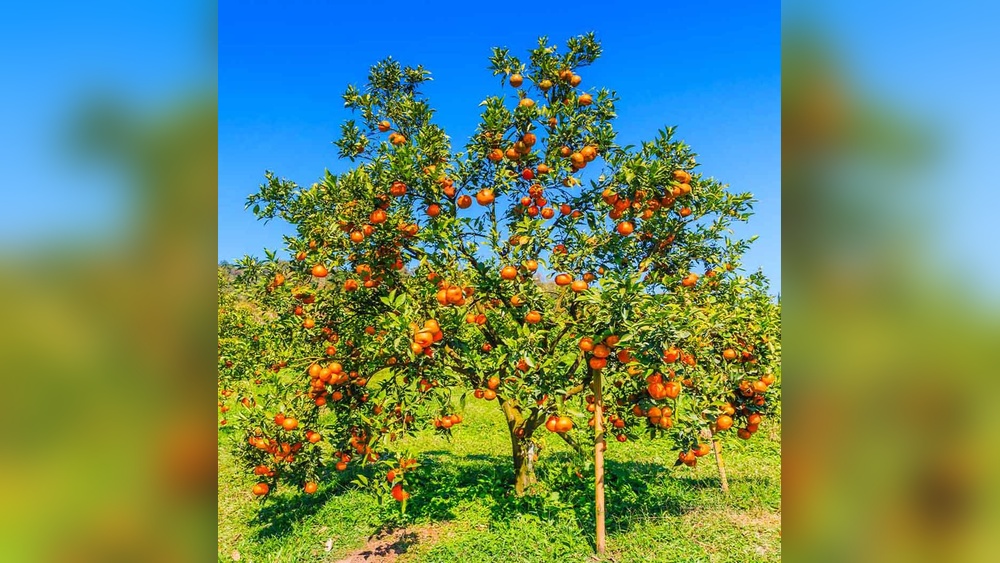
If you live in South Florida and dream of picking fresh, juicy oranges right from your backyard, choosing the best orange tree is the first step. But with so many varieties available, how do you know which one will thrive in your climate and soil?
You want a tree that not only grows well but also produces sweet, flavorful fruit you’ll love. You’ll discover the top orange tree varieties perfect for South Florida, along with simple tips to help your tree flourish. Keep reading to find out how to bring home the sunshine in every bite!
Top Orange Varieties
Choosing the right orange variety is essential for a thriving South Florida garden. Each type offers unique flavors, harvest times, and growing needs. Understanding these differences helps gardeners pick the best tree for their space and taste. Below are some top orange varieties suited for South Florida’s climate and soil conditions.
Navel Oranges
Navel oranges are popular for their sweet taste and easy-to-peel skin. They are seedless, making them perfect for fresh eating. These oranges ripen in winter and early spring. Navel trees grow well in South Florida and handle heat and humidity.
Valencia Oranges
Valencia oranges are famous for juicing. Their bright, juicy flavor makes excellent orange juice. Valencia oranges ripen later, from spring to early summer. These trees are heat-tolerant and produce fruit for a long season. They do well in South Florida’s warm climate.
Hamlin Oranges
Hamlin oranges are sweet and juicy with a thin skin. They ripen early in the season, usually by late fall or early winter. Hamlin trees grow fast and resist cold better than other varieties. These oranges are good for eating fresh or juicing.
Specialty Varieties
Specialty oranges include unique types like Blood Oranges and Cara Cara. Blood Oranges have a red flesh and a tangy-sweet taste. Cara Cara oranges are pink-fleshed and very sweet. These varieties add color and flavor variety to your garden.
Hybrid Citrus Types
Hybrid citrus types mix traits from different citrus fruits. Examples include tangelos and tangors. Tangelos combine tangerines and pomelos or grapefruits. They are juicy and easy to peel. Hybrids often have unique flavors and resist diseases well.
Planting Seasons
Choosing the right planting season is crucial for growing healthy orange trees in South Florida. The climate here allows for two main planting windows: fall and spring. Each season offers unique benefits that help young trees establish strong roots and thrive. Understanding these seasons helps ensure your orange tree grows well and produces delicious fruit.
Fall Planting Benefits
Planting orange trees in fall, from July to October, gives roots time to grow in warm soil. The cooler months after planting reduce stress on the tree. It also prepares the tree for the hot summer ahead. Trees planted in fall develop a strong root system. This helps them absorb water and nutrients better. Avoid planting before severe frost risk has passed to protect young trees.
Spring Planting Tips
Spring planting works best after the last frost date in South Florida. This timing helps the tree adjust to warmer weather gradually. Planting in spring allows the tree to grow during the rainy season. Water is more available, which supports growth. Use well-drained soil and avoid heavy watering to prevent root rot. Choose a sunny spot to maximize fruit production.
Avoiding Frost Damage
Frost can harm young orange trees in South Florida, especially during winter. Protect new trees by planting after frost risk ends. Use frost cloths or blankets to shield trees during cold nights. Mulching around the base helps keep roots warm. Avoid planting in low areas where cold air settles. Monitoring weather forecasts helps take timely action to prevent frost damage.
Growing Conditions
Growing orange trees in South Florida requires understanding key conditions. The climate is warm and humid. These factors affect tree health and fruit quality. Proper care helps trees thrive and produce sweet oranges. Focus on sunlight, soil, watering, and location for best results.
Sunlight And Soil Needs
Orange trees need full sunlight to grow strong. They require at least six hours of direct sun daily. Soil should drain well to avoid root problems. Sandy loam soils with good organic matter work best. Avoid heavy clay soils that hold water too long. A slightly acidic to neutral pH between 6.0 and 7.0 is ideal.
Watering Practices
Keep soil moist but not soggy. Water deeply once or twice a week, depending on rainfall. Use drip irrigation to avoid wetting leaves. Too much water can cause root rot. Too little water leads to small or bitter fruit. Mulch around the base to retain moisture and reduce weeds.
Location Selection
Choose a sunny spot with good air circulation. Avoid low areas where water collects after rain. Plant trees away from strong winds or salt spray near the coast. Space trees at least 12 feet apart for proper growth. A well-chosen location helps reduce disease and boosts fruit production.
Care And Maintenance
Growing orange trees in South Florida is rewarding with proper care and maintenance. Healthy trees produce abundant, sweet fruit year after year. Regular attention ensures trees stay strong and disease-free. Follow simple steps to keep your orange tree thriving in the Florida climate.
Pruning Guidelines
Prune orange trees lightly each year to shape the canopy. Remove dead or damaged branches to improve air flow. Cut branches that cross or grow inward to prevent crowding. Use clean, sharp tools to avoid harming the tree. Late winter or early spring is the best time to prune before new growth starts.
Pest And Disease Control
Watch for common pests like aphids, scale insects, and citrus leaf miners. Use insecticidal soap or neem oil to treat infestations early. Inspect leaves and fruit regularly for signs of disease such as citrus canker or greening. Remove affected leaves and fruit to stop spread. Healthy soil and proper watering reduce disease risks.
Fertilizing Schedule
Feed orange trees three times per year: early spring, early summer, and late fall. Use a balanced citrus fertilizer with nitrogen, phosphorus, and potassium. Follow package instructions for amounts based on tree size and age. Water the tree after fertilizing to help nutrients reach the roots. Avoid over-fertilizing, which can harm the tree and fruit quality.
Harvesting Tips
Harvesting oranges at the right time and handling them properly ensures the best taste and quality. Knowing when to pick and how to store oranges helps keep them fresh longer. Follow these simple tips to enjoy your South Florida orange tree’s full bounty.
Identifying Ripeness
Look for bright, vibrant orange color on the skin. Avoid green patches, which show the fruit is not ready. The orange should feel firm but slightly soft when gently squeezed. A sweet, citrusy aroma near the stem is a good sign of ripeness. Taste test one fruit to confirm sweetness before harvesting the whole batch.
Best Harvest Times
South Florida oranges usually ripen between late fall and early spring. Check your specific orange variety for its peak season. Harvest oranges during dry weather to prevent mold and disease. Pick fruit in the morning when temperatures are cooler. Avoid leaving ripe oranges on the tree too long to reduce pest damage.
Handling And Storage
Use clean, sharp clippers or scissors to cut oranges from the tree. Handle fruit gently to avoid bruising. Store oranges in a cool, dry place with good air circulation. Keep them away from direct sunlight and moisture. For longer storage, refrigerate oranges in the crisper drawer to maintain freshness up to two weeks.
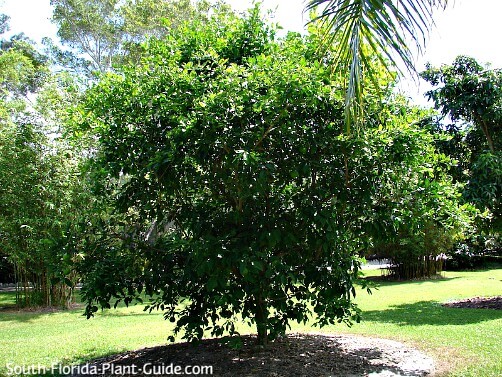
Credit: www.south-florida-plant-guide.com
Dwarf And Container Varieties
Dwarf and container orange trees offer a practical solution for South Florida gardeners with limited space. These smaller trees fit well on patios, balconies, and small yards. They provide fresh fruit without needing a large garden area.
Container varieties bring flexibility. You can move them to catch the sun or avoid storms. They also add greenery and fragrance to outdoor living spaces. Their manageable size makes care and harvesting easier.
Benefits Of Dwarf Trees
Dwarf orange trees grow between 6 to 10 feet tall. They produce fruit just like full-sized trees. Their compact size saves space and fits well in urban gardens. These trees bear fruit faster than larger varieties. They need less pruning and maintenance. Ideal for beginners or those with small yards.
Choosing Container-friendly Types
Select orange varieties known for thriving in pots. Varieties like ‘Calamondin’ and ‘Improved Dwarf Valencia’ work well. Look for trees with manageable root systems. Choose healthy young trees from trusted nurseries. A pot with good drainage and enough space helps growth. Use lightweight containers for easier moving.
Care For Potted Orange Trees
Water your container orange tree regularly but avoid waterlogging. Use well-draining soil rich in organic matter. Feed monthly with citrus-specific fertilizer. Place the tree where it gets full sun, at least 6 hours daily. Protect from strong winds and cold snaps. Repot every 2 to 3 years to refresh soil and promote healthy roots.
Common Challenges
Growing orange trees in South Florida can be rewarding but comes with challenges. The warm climate suits citrus well, yet certain problems can affect tree health and fruit quality. Understanding these common challenges helps maintain strong, fruitful trees in your garden.
Dealing With Citrus Greening
Citrus greening is a serious disease affecting orange trees. It spreads through tiny insects called psyllids. Infected trees show yellow leaves and misshapen fruits. The disease weakens trees and reduces harvests. Removing infected trees and controlling psyllids can slow the spread.
Managing Weather Extremes
South Florida faces heat waves and occasional cold snaps. Extreme heat can stress orange trees, causing leaf drop and poor fruit growth. Cold weather may damage buds and young branches. Providing shade during heat and protecting trees from frost helps keep them healthy.
Preventing Nutrient Deficiencies
Orange trees need balanced nutrients for strong growth. Lack of nitrogen, magnesium, or iron can cause yellow leaves and weak fruit. Regular soil testing guides proper fertilization. Using the right fertilizer on schedule supports vibrant trees and good harvests.
Credit: www.south-florida-plant-guide.com
Credit: floridafruitgeek.com
Frequently Asked Questions
What Are The Best Orange Trees In South Florida?
The best orange trees for South Florida are Valencia, Hamlin, and Navel varieties. Honeybell tangelos also thrive and offer sweet fruit. Choose disease-resistant, heat-tolerant trees for optimal growth and fruit production.
What Is The Best Tasting Florida Orange?
The best tasting Florida orange is the Honeybell variety. It has a sweet, juicy flavor and a unique bell shape. Honeybells are seasonal, available mainly in January. Navel and Valencia oranges are also popular but less sweet than Honeybells. Indian River offers top-quality Florida oranges.
When Should You Plant An Orange Tree In Florida?
Plant orange trees in Florida from July to October for best root growth before winter. Alternatively, plant after the last frost in spring. Choose sunny, well-drained spots and water regularly.
What Kind Of Oranges Grow In Florida?
Florida grows several orange varieties, including Navel, Valencia, and Hamlin. Honeybell tangelos and Satsuma mandarins also thrive there. These types suit Florida’s warm climate and are popular for fresh eating and juicing.
Conclusion
Choosing the best orange tree for South Florida is rewarding. Navel, Valencia, and Honeybell thrive well here. Plant your tree during warm months, from July to October. Give it plenty of sunlight and well-drained soil. Water regularly, especially when young.
With the right care, your orange tree will grow strong and produce sweet fruit. Enjoy the taste of fresh, homegrown oranges in your own garden. Happy planting!