If you’re an agriculture worker looking to grow juicy, sweet watermelons in Florida, choosing the right spot to plant is the key to your success. Watermelons need plenty of sunlight, well-drained soil, and enough space to spread their vines.
But where exactly in Florida can you find the perfect conditions to maximize your yield and quality? You’ll discover the best places and tips to plant watermelons, helping you make smart decisions that boost your harvest and profits. Keep reading to unlock the secrets of growing top-notch watermelons in the Sunshine State!
Watermelon Growth Needs
Watermelon growth needs are simple but specific. Meeting these needs helps workers grow healthy, juicy melons. Florida’s climate suits watermelon well, but careful planning is key. Understanding sunlight, soil, drainage, and space is important for success.
Sunlight Requirements
Watermelons need full sunlight for at least six to eight hours daily. Sunlight fuels photosynthesis, helping vines produce sweet, ripe fruit. Choose open fields or garden spots without shade. Bright, direct sun encourages strong growth and higher yields.
Soil Conditions
Watermelons grow best in sandy loam soils rich in organic matter. The soil should be loose and fertile to allow roots to spread easily. Adding compost or manure improves soil quality and nutrient content. Avoid heavy clay soils that can restrict root growth.
Drainage Importance
Good drainage prevents water from pooling around roots. Standing water can cause root rot and reduce plant health. Plant watermelon on raised beds or slopes if soil drains slowly. Well-drained soil keeps roots healthy and supports steady growth.
Space For Vines
Watermelon vines spread wide and need plenty of room to grow. Space plants 3 to 6 feet apart in rows 6 to 8 feet apart. Crowded vines compete for sunlight and nutrients, lowering fruit quality. Proper spacing allows air flow, reducing disease risks.
Top Florida Locations
Florida offers many great spots for planting watermelon. The climate is warm and sunny, perfect for growing sweet, juicy melons. Soil quality varies across the state but many areas have well-drained soil ideal for watermelon roots.
Agriculture workers can find suitable land in different parts of Florida. Each region has unique benefits for watermelon farming. Understanding these areas helps choose the best place to plant and harvest.
Northern Florida Regions
In northern Florida, the soil is sandy and drains well. This prevents waterlogging, which watermelon plants dislike. The cooler spring season here allows seedlings to grow strong before the hot summer. Counties like Suwannee and Columbia are popular for watermelon farms. These regions get full sun and moderate rainfall, which watermelon needs to thrive.
Central Florida Areas
Central Florida features flat lands with rich, loamy soil. This soil holds moisture but also drains well. It supports healthy root development for watermelon plants. Areas such as Lake and Marion counties provide ample sunlight and warm weather. Central Florida’s long growing season helps melons reach peak sweetness. The combination of soil and climate makes it a top choice for growers.
Southern Florida Spots
Southern Florida has a tropical climate with hot temperatures and high humidity. The sandy soil here warms quickly, speeding up growth. Regions like Miami-Dade and Palm Beach have farms that produce early-season watermelons. Irrigation is important in this area to maintain soil moisture. Southern Florida’s sunlight and heat help melons develop rich flavor and color.
Soil Preparation Tips
Preparing the soil is key to growing healthy watermelons in Florida. Well-prepared soil helps plants take root and access nutrients easily. Good soil improves water retention and drainage, which watermelon plants need. Follow these tips to ready your soil before planting.
Improving Drainage
Watermelon plants do not like wet feet. Poor drainage can cause root rot and disease. To improve drainage, choose a site with sandy or loamy soil. Avoid areas where water stands after rain. You can raise beds to help water drain away. Mixing sand or small gravel into the soil also helps water flow better.
Adding Organic Matter
Organic matter boosts soil health and structure. Compost, aged manure, or leaf mold are good choices. Work these into the top 8 to 12 inches of soil. This improves moisture retention and feeds beneficial microbes. Organic matter makes the soil softer and easier for roots to grow. Add it a few weeks before planting for best results.
Soil Fertility Boosters
Watermelons need nutrients like nitrogen, phosphorus, and potassium. Test your soil to know what it lacks. Use balanced fertilizers or natural amendments like bone meal or rock phosphate. Apply fertilizer before planting and follow up during growth. Avoid over-fertilizing, which can harm plants or reduce fruit quality.

Credit: en.wikipedia.org
Planting Techniques
Planting techniques play a vital role in growing healthy watermelons in Florida. Proper methods help plants thrive and yield sweet, juicy fruits. Understanding how to space seeds, prepare soil, and use containers can improve crop success. These simple steps save time and effort during growth.
Seed Spacing Guidelines
Watermelon seeds need enough room to grow strong vines. Space seeds about 36 to 42 inches apart in rows. Keep rows 6 feet apart to allow air circulation. Crowded plants may cause poor fruit development and disease. Follow seed packet instructions for best results.
Using Raised Mounds
Raised mounds improve drainage in Florida’s often wet soil. Form mounds 6 to 8 inches high and 18 inches wide. Plant two to three seeds per mound and thin to the strongest seedling. Mounds warm faster in spring, helping seedlings grow faster. This method reduces root rot risks.
Container Planting Options
Containers suit small farms or limited space. Use large pots at least 18 inches wide and deep. Fill containers with rich, well-draining soil mixed with compost. Water regularly to keep soil moist but not soggy. Containers also protect plants from pests and weeds.
Watermelon Varieties For Florida
Choosing the right watermelon varieties is essential for successful planting in Florida. The state’s warm climate suits many types of watermelons. Each variety offers unique benefits for growers. Understanding these varieties helps agriculture workers select the best option.
Watermelon plants need heat and sunlight to grow well. Florida’s long growing season supports a wide range of types. Some varieties thrive better in Florida’s soil and weather than others. Knowing which types perform well can improve yield and fruit quality.
Seedless Types
Seedless watermelons are popular with consumers. These types produce sweet, crunchy fruit without hard seeds. They need special care during planting, including cross-pollination with seeded varieties. Seedless watermelons often have a longer growing period. Florida’s warm climate supports their growth, making them a good choice for farmers.
Heirloom Varieties
Heirloom watermelons have been grown for generations. They offer rich flavors and unique colors. These varieties often have seeds and thicker rinds. Heirloom types can adapt well to Florida’s soil. Many growers appreciate their natural taste and traditional qualities. They may require more care to avoid pests and diseases.
Disease-resistant Options
Disease-resistant watermelon varieties reduce crop losses. They can withstand common issues like fusarium wilt and gummy stem blight. Choosing these types lowers the need for pesticides. Disease resistance is vital in Florida’s humid climate. These varieties help workers maintain healthy plants and stable harvests.
Harvesting And Ripeness
Harvesting watermelon at the right time is key to a sweet and juicy fruit. Knowing when a watermelon is ripe helps agriculture workers avoid picking unripe or overripe melons. This section covers simple methods to check ripeness for the best harvest.
Two Finger Rule
The two finger rule helps tell if a watermelon is ripe. Look at the dark green area between the two white stripes on the watermelon. If you can fit two fingers side-by-side in that space, the watermelon is usually ripe. This method is easy and quick for field workers.
Color And Texture Indicators
Ripe watermelons have a deep green color on the rind. The skin should look dull, not shiny. Check the ground spot where the melon rested on the soil. It should be creamy yellow, not white or green. The texture feels firm but not hard. Soft spots may mean overripeness or damage.
Timing For Picking
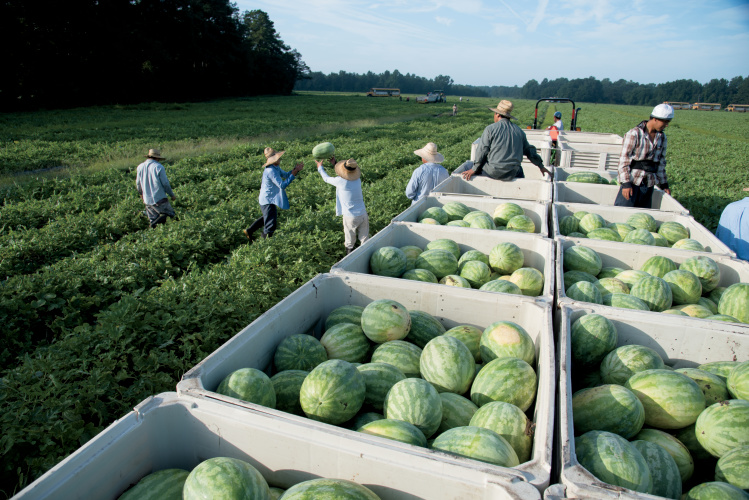
Pick watermelons in the morning for best freshness. The fruit is ripe about 75 to 90 days after planting. Watch for the tendril closest to the fruit stem. If it turns brown and dries up, the melon is ready to harvest. Cut the stem with a sharp tool to avoid damage.
Market And Profit Potential
The market and profit potential for watermelon farming in Florida offers promising opportunities for agriculture workers. Understanding demand trends, seasonal peaks, and competition factors helps farmers make informed decisions. These insights guide where and when to plant for maximum returns. Watermelon is popular, especially in warm climates, making Florida a suitable location.
Farmers can benefit from the steady demand and profit margins if they plan carefully. The local and regional markets show varying levels of interest throughout the year. Knowing these patterns allows growers to target the best times to sell. Profit potential depends on managing costs and meeting market needs efficiently.
Demand Trends
Watermelon demand grows steadily in Florida and nearby states. Consumers prefer fresh, sweet, and seedless varieties. Health trends increase interest in fresh fruits, including watermelon. Demand rises during holidays and summer months. Local markets and grocery stores seek reliable watermelon supplies. Export opportunities also add to demand, especially for quality fruit.
Seasonal Peaks
Watermelon sales peak mainly in late spring and summer. Warm weather drives higher consumption as people look for refreshing fruits. Planting schedules should align with these peaks for best sales. Early or late-season crops can capture niche markets. Farmers must adjust planting times to avoid missing peak demand. Off-season sales may fetch higher prices but need more care.
Competition Factors
Competition in Florida’s watermelon market varies by region and season. Many growers plant in similar periods, increasing supply. Larger farms may dominate local markets with volume and price advantages. Niche markets, like organic or seedless watermelon, face less competition. Small farmers can compete by focusing on quality and freshness. Understanding local competitors helps farmers find profitable gaps.

Credit: www.hillsboroughswcd.com
Credit: ncfieldfamily.org
Frequently Asked Questions
Where To Plant Watermelon In Florida?
Plant watermelon in Florida where soil drains well and the area receives full sun. Provide ample space for vines to spread.
How Much Is 1 Acre Of Watermelon Worth?
One acre of watermelon can yield $5,000 to $15,000, depending on yield, quality, and market prices.
What Is The 2 Finger Rule For Watermelon?
The 2 finger rule helps pick ripe watermelons. If two fingers fit between dark green areas and white stripes, it’s ripe and sweet.
Where’s The Best Place To Plant A Watermelon?
Plant watermelons in a sunny spot with well-drained, fertile soil. Provide plenty of space for vines to spread.
Conclusion
Choosing the right spot in Florida makes watermelon growing easier and more successful. Full sun and well-drained soil are key for strong plants. Avoid heavy, wet soils to prevent root problems. Adding compost improves soil health and watermelon taste. Give each plant enough space to spread out and grow healthy fruits.
With these simple steps, agriculture workers can enjoy better yields and sweeter watermelons. Plant smart, care well, and watch your crop thrive under Florida’s warm sun.