
If you want your roses to thrive in Florida’s unique climate, choosing the right spot to plant them is key. You might think any sunny patch will do, but the best place to plant roses in Florida requires more than just sunlight.
You need well-drained soil, good air circulation, and enough space to keep your roses healthy and vibrant. You’ll discover exactly where and how to plant your roses so they flourish year after year, turning your garden into a stunning floral haven.
Keep reading to unlock the secrets to growing beautiful roses right in your own Florida backyard!
Sunlight Needs
Choosing the right spot for roses in Florida starts with understanding their sunlight needs. Roses thrive best with plenty of sunlight. Without enough sun, they may grow weak and produce fewer blooms. Florida’s bright sun can help roses develop strong stems and vibrant flowers. Proper sunlight also helps reduce disease problems common in humid climates.
Full Sun Benefits
Roses grow healthiest in full sun. This means they need direct sunlight for most of the day. Full sun helps roses make food through photosynthesis. It also encourages more flowers and stronger plants. In Florida, full sun can protect roses from fungal diseases by drying leaves quickly after rain.
Ideal Sun Hours
Roses need about six to eight hours of sunlight daily. Morning sun is best because it warms the plants early. This reduces moisture on leaves, lowering disease risk. Afternoon sun helps roses stay dry and strong. Too little sun can cause weak growth and fewer blooms.
Avoiding Shade
Shade blocks sunlight and slows rose growth. Planting roses near tall trees or buildings can create too much shade. This makes roses more prone to pests and diseases. Shade also leads to fewer flowers and leggy stems. Choose spots away from large shadows for best results.
Soil Requirements
Choosing the right soil is key for planting roses in Florida. Roses need soil that supports healthy growth and strong roots. Florida’s natural soil varies, so preparing it correctly helps roses thrive. Understanding soil requirements improves your chances of growing beautiful roses.
Well-drained Soil
Roses do not like waterlogged soil. Well-drained soil prevents root rot and other diseases. In Florida, sandy soil often drains well but may dry out fast. Adding organic matter helps keep moisture without flooding roots. Avoid heavy clay areas or improve drainage before planting roses.
Soil Preparation Tips
Start by removing weeds and debris from the planting area. Loosen the soil to allow roots to spread easily. Mix compost or aged manure into the soil to add nutrients. This improves texture and encourages healthy root growth. Preparing soil before planting sets the stage for strong roses.
Ph Levels
Roses prefer slightly acidic to neutral soil with a pH of 6.0 to 7.0. Florida soils can be more acidic or alkaline in some places. Test your soil pH with a simple kit before planting. Adjust pH by adding lime to raise it or sulfur to lower it. Balanced pH helps roses absorb nutrients effectively.
Air Circulation
Air circulation plays a vital role in growing healthy roses in Florida. Proper airflow reduces moisture around the plants. It helps roses dry faster after rain or watering. Good air movement lowers the risk of fungal diseases, which thrive in humid and still air. Ensuring your roses have enough space and are placed in the right spot will improve air circulation and plant health.
Spacing Between Plants
Leave enough space between rose plants. Space allows air to flow freely around each bush. Avoid crowding roses close together. Proper spacing helps leaves dry quickly and reduces humidity. In Florida’s warm climate, give roses at least two to three feet apart. This distance prevents leaves from touching and spreading disease.
Preventing Disease
Good air circulation helps prevent common rose diseases like black spot and powdery mildew. These diseases grow in moist, stagnant air. When air moves well, water evaporates from leaves faster. Keeping plants dry limits fungal growth. Regular pruning also improves airflow by opening the plant’s center. Healthy roses are less likely to get sick.
Location Selection
Pick a spot with natural wind flow and no obstacles blocking air. Avoid planting roses near tall bushes or fences that block breeze. A sunny location with open space works best. Morning sun helps dry dew and rain quickly. Choosing the right location ensures roses get fresh air daily. This keeps plants strong and vibrant.
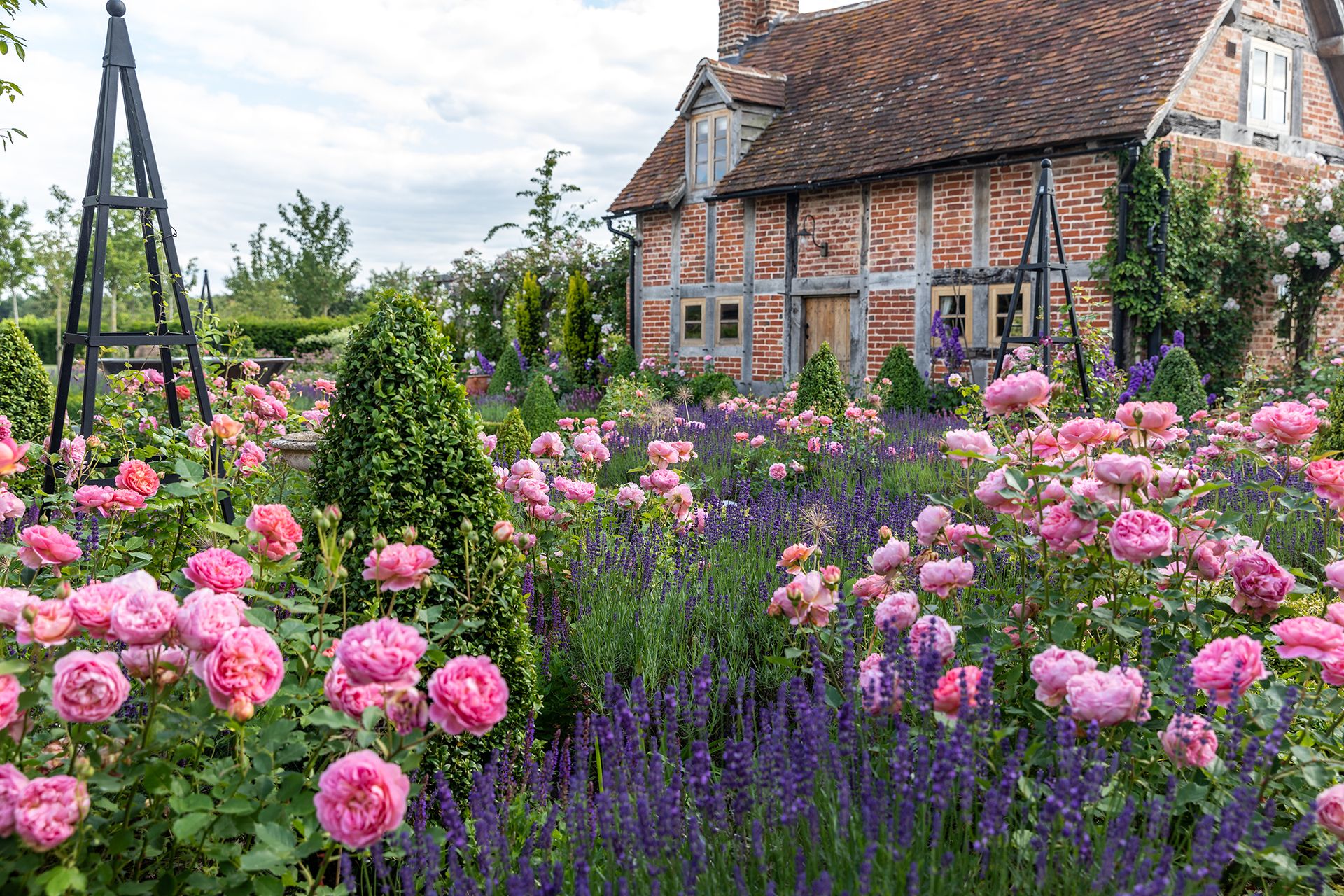
Credit: www.homesandgardens.com
Best Florida Regions
Choosing the right region in Florida can improve your rose garden’s health. Different areas offer unique climates and soil conditions. Understanding these helps you pick the best spot for planting roses.
Florida’s diverse regions have distinct weather patterns. These patterns affect how well roses grow and bloom. Knowing the advantages and challenges of each region guides your planting decisions.
Central Florida Advantages
Central Florida has warm days and cooler nights. This temperature balance helps roses develop strong blooms. The soil here is often sandy but fertile, ideal for many rose varieties. Good air movement reduces disease risks. Central Florida gardeners find success with regular watering and mulching.
South Florida Conditions
South Florida is hot and humid most of the year. High humidity can cause fungal diseases on roses. Choosing disease-resistant rose types is important. The soil tends to be sandy and drains quickly, needing frequent watering. Shade during the hottest afternoon hours protects roses from sunburn.
Northeast Florida Spots
Northeast Florida offers moderate temperatures and more rainfall. The climate is less humid than the south, lowering disease problems. Soil is often a mix of sand and clay, which holds moisture well. Roses here benefit from morning sun and afternoon shade. Good air flow helps keep plants healthy.
Planting Tips
Planting roses in Florida requires some special care. The climate is warm and often humid. Choosing the right spot and method helps roses grow strong and healthy. Proper planting improves bloom and reduces disease. Follow these tips for the best results in Florida gardens.
Ground Vs. Container
Planting roses in the ground offers stability. Roots spread deeply and absorb nutrients well. Ground planting suits larger gardens with good soil. Container roses need more frequent watering and care. Containers limit root growth but allow mobility. Choose containers with drainage holes to avoid waterlogging. Ground roses usually live longer and bloom better in Florida.
Timing For Planting
Plant roses in Florida during the cooler months. Late fall to early spring is best. This timing avoids the hottest summer heat. Cooler weather helps roots establish before warm weather. Avoid planting in the peak of summer to reduce stress. Water newly planted roses regularly to support growth. Proper timing leads to stronger plants and more blooms.
Rootstock Choices
Select rootstocks that tolerate Florida’s heat and humidity. Common rootstocks include Dr. Huey and Fortuniana. These rootstocks resist diseases common in Florida gardens. Fortuniana is preferred for sandy soils. Dr. Huey works well in heavier soils. Using the right rootstock improves rose survival and growth. Ask local nurseries for the best rootstock for your area.

Credit: www.backyardboss.net
Companion Planting
Companion planting helps roses grow healthier and stronger in Florida’s warm climate. It means planting roses near plants that support their growth. The right neighbors can improve soil, deter pests, and boost rose blooms. Choosing companions carefully avoids problems like disease and competition for nutrients.
Avoiding Woody Shrubs
Woody shrubs often have shallow roots that compete with roses. They take moisture and nutrients that roses need. Planting roses close to woody shrubs can stunt rose growth. Shrubs also block air flow, increasing disease risk. Keep roses away from boxwoods and similar bushes. Give roses space to spread roots and breathe.
Compatible Neighboring Plants
Some plants help roses by attracting pollinators and beneficial insects. Lavender, marigolds, and garlic work well near roses in Florida. These plants repel pests and reduce fungal diseases. Herbs like basil and chives also improve rose health. Use low-growing companions to avoid shading roses. Choose plants with similar sunlight and water needs.
Top Rose Varieties
Choosing the right rose variety is key to success in Florida’s warm climate. Roses must handle heat, humidity, and pests well. Some types thrive better than others in these conditions. This section highlights the best rose types for Florida gardens. Each type offers unique benefits for gardeners.
Heat-tolerant Types
Florida summers are hot and long. Heat-tolerant roses keep blooming even in strong sun. They resist wilting and sunburn better than other types. Examples include hybrid teas and floribundas bred for warmth. These roses stay vibrant and healthy without extra shade. Plant them in full sun for best results.
Disease-resistant Roses
High humidity invites fungal diseases in Florida. Disease-resistant roses reduce the need for sprays and treatments. These roses resist black spot, powdery mildew, and rust. Look for varieties labeled resistant or hardy against disease. They save time and keep gardens looking fresh and clean. Good air flow and spacing also help prevent disease.
Recommended Cultivars
Some rose cultivars perform well in Florida’s climate. ‘Knock Out®’ is popular for its strong disease resistance. ‘Mrs. B. R. Cant’ and ‘Louis Philippe’ handle heat and humidity well. ‘Spice’ offers fragrant blooms with good resilience. Choose these cultivars for easy care and long-lasting beauty. They adapt well to Florida’s soil and weather.

Credit: www.whitetrailjupiter.com
Frequently Asked Questions
Where Is The Best Place To Plant Roses In Florida?
Plant roses in Florida where they receive at least six hours of full sun daily. Choose well-drained soil with good air circulation. Avoid planting near woody shrubs to prevent root competition. Central Florida offers ideal conditions for growing healthy roses successfully.
Are Roses Better In Pots Or The Ground?
Roses thrive better in the ground due to stronger root establishment and longevity. Pots suit small spaces but limit growth. Choose well-drained soil and full sun for ground planting to maximize health and blooms.
What Is The Easiest Rose To Grow In Florida?
The easiest roses to grow in Florida are Knock Out®, Mrs. B. R. Cant, Spice, and Louis Philippe. These varieties tolerate heat, humidity, and resist diseases. Plant them in full sun with well-drained soil and good air circulation for best results.
Where Not To Plant Roses?
Avoid planting roses near woody shrubs with shallow roots, in shaded areas, poorly drained soil, or spots with poor air circulation.
Conclusion
Plant roses where they get at least six hours of sun daily. Choose well-drained soil to keep roots healthy and strong. Space plants to allow good air flow and reduce disease risk. Avoid planting near woody shrubs that compete for nutrients.
Roses thrive best in open, sunny spots with good air circulation. Follow these simple tips to enjoy beautiful roses in Florida gardens. Growing roses here can be rewarding with the right location and care. Start with these basics, and your roses will bloom well.