
If you’re looking to create a beautiful, natural barrier around your Florida home, choosing the right plant for your hedge is key. You want something that not only looks great but also thrives in Florida’s unique climate and requires minimal care.
Imagine a hedge that offers privacy, enhances your curb appeal, and stands strong through the heat and humidity—all without constant fuss. In this guide, you’ll discover the best plants for hedges in Florida that check all these boxes. Whether you want a formal, neatly trimmed look or a lush, flowering screen, you’ll find the perfect match to fit your style and needs.
Keep reading to find out which plants will transform your outdoor space effortlessly.
Evergreen Hedge Options
Evergreen plants make excellent hedge options in Florida’s warm climate. They keep their leaves all year and provide constant privacy and color. Choosing the right evergreen hedge depends on the look you want and the care you can give. Several popular plants thrive in Florida and suit different hedge styles.
Boxwood For Formal Hedges
Boxwood is a classic choice for neat, formal hedges. Its small, dense leaves create a smooth, even look. Boxwoods grow slowly but respond well to trimming and shaping. They work well along walkways and garden borders. This plant handles Florida’s heat if planted in partial shade.
Arborvitae For Privacy Screens
Arborvitae grows tall and thick, perfect for blocking views and noise. It forms a natural wall of green that stays full year-round. This fast-growing plant is ideal for privacy screens in yards and near patios. Arborvitae prefers full sun and well-drained soil to thrive in Florida.
Holly’s Year-round Appeal
Holly offers glossy green leaves and bright red berries in winter. It adds color and texture to any hedge. Holly grows dense and can be trimmed to shape. Birds enjoy the berries, making it a wildlife-friendly choice. It adapts well to Florida’s climate and soil.
Laurel’s Lush Barrier
Laurel is a robust evergreen with large, shiny leaves. It creates a thick, lush hedge that blocks wind and noise. This plant grows quickly and handles pruning well. Laurel thrives in Florida’s heat and humidity. It is a popular choice for a strong, green barrier.
Low-maintenance Privet
Privet is easy to grow and needs little care. It forms a dense hedge with small green leaves. Privet grows fast and tolerates pruning well. It works in sun or shade and handles Florida’s weather. This plant suits gardeners who want a simple, reliable hedge.
Mountain Laurel’s Blossoms
Mountain Laurel is an evergreen shrub with beautiful flowers in spring. Its dark green leaves stay fresh year-round. This plant adds color and charm to any hedge line. It prefers partial shade and moist soil in Florida gardens. Mountain Laurel combines beauty with privacy.

Credit: hortzone.com
Deciduous Hedge Picks
Deciduous hedges add charm and function to Florida gardens. These plants lose leaves in winter but reveal strong branches. They create privacy and soft seasonal colors. Deciduous choices fit many landscape styles. They offer a natural look and let light through in colder months.
Beech For Winter Screening
Beech hedges hold dry leaves through winter. This feature offers privacy even without green foliage. Their smooth bark and golden fall color brighten the yard. Beech plants grow dense and tall, blocking views effectively. They need space to spread well.
Hornbeam’s Fast Growth
Hornbeam grows quickly, making it ideal for fast hedges. It adapts well to Florida’s soil and climate. The leaves turn yellow and orange in fall. Hornbeam forms a thick barrier that blocks wind and noise. It handles pruning easily for neat shapes.
Hawthorn’s Natural Beauty
Hawthorn is a native plant with attractive flowers and berries. Its thorny branches add security to the hedge. Birds love the berries and visit often. Hawthorn’s white blooms brighten springtime landscapes. This plant creates a lively, colorful hedge throughout the year.
Flowering And Fragrant Hedges
Flowering and fragrant hedges bring beauty and delightful scents to Florida gardens. They attract butterflies and bees, boosting local wildlife. These plants offer colorful blooms and pleasant aromas, enhancing outdoor spaces. Choose flowering hedges to add charm and natural fragrance to your landscape.
Korean Lilac’s Scent
Korean Lilac produces sweet, strong fragrance that fills the air. Its lilac-colored flowers bloom in spring, creating a stunning display. This shrub grows well in Florida’s warm climate. It also tolerates pruning, making it perfect for neat hedges. Korean Lilac adds a refreshing scent and visual appeal to any garden.
Hydrangea’s Colorful Blooms
Hydrangeas offer large, vibrant flower clusters in shades of pink, blue, and white. They bloom from summer to fall, providing long-lasting color. These shrubs thrive in Florida’s partial shade and moist soil. Hydrangeas create soft, eye-catching hedges that brighten outdoor spaces. Their blooms attract pollinators like butterflies and bees.
Barberry’s Wildlife Benefits
Barberry shrubs have small, fragrant flowers and bright berries that attract birds. Their thorny branches provide shelter and protection for wildlife. This hardy plant grows well in Florida’s climate and tolerates drought. Barberry hedges add texture and color with their red or purple leaves. They support local ecosystems by offering food and habitat.
Choosing Plants For Florida Climate
Choosing the right plants for hedges in Florida requires understanding the local climate. Florida’s weather is hot and humid most of the year. Plants need to survive high temperatures and moisture. They must also grow well in Florida’s soil types. Selecting species that resist pests and diseases common to Florida is important. Healthy plants reduce maintenance and keep hedges looking good.
Heat And Humidity Tolerance
Florida’s heat can stress many plants. Choose hedges that thrive in hot weather. Look for plants that handle humidity without rotting or wilting. Evergreens like holly and laurel tolerate heat and moisture well. Avoid plants sensitive to Florida’s intense sun and humidity. Heat-tolerant plants stay green and lush all year.
Soil Preferences
Florida soils vary from sandy to clayey and often lack nutrients. Select plants suited for local soil conditions. Some plants grow best in sandy, well-drained soil. Others prefer rich, moist soil. Test your soil before planting. Amend soil with compost or sand to improve drainage. Matching plants to soil type helps roots grow strong.
Pest And Disease Resistance
Florida’s warm climate invites many pests and diseases. Choose plants naturally resistant to insects and fungi. Resistant plants need fewer chemicals and less care. Holly and boxwood show good resistance to common pests. Avoid plants prone to leaf spot or root rot. Healthy, resistant plants keep hedges thick and beautiful.
Hedge Maintenance Tips
Maintaining hedges in Florida requires consistent care to keep them healthy and attractive. Proper maintenance encourages dense growth and helps prevent diseases. Knowing the right pruning, watering, and fertilizing practices can make a big difference. Here are essential tips to maintain your Florida hedges effectively.
Pruning Techniques
Prune hedges regularly to shape and control growth. Use sharp tools to make clean cuts. Trim back new shoots to encourage bushier growth. Avoid cutting into old wood, as it may not regrow. The best time to prune is late winter or early spring before new growth starts.
Watering Needs
Water hedges deeply but infrequently for strong roots. Check soil moisture before watering to avoid overwatering. Young plants need more water until established. Mulching around the base helps retain moisture and reduce weeds. During dry spells, increase watering frequency to prevent stress.
Fertilizing Guidelines
Use a balanced fertilizer to support healthy hedge growth. Apply fertilizer in early spring and mid-summer for best results. Follow package instructions to avoid overfeeding, which can harm plants. Organic options like compost improve soil quality over time. Regular feeding promotes lush, green foliage throughout the year.
Credit: m.yelp.com
Design Ideas For Florida Hedges
Designing hedges in Florida requires choices that suit the climate and style preferences. Hedges can shape your garden’s look and feel. They define spaces, add texture, and create privacy. Choosing the right style and plants enhances both beauty and function.
Explore different ways to design hedges that thrive in Florida’s heat and humidity. Use these ideas to craft a green space that fits your home perfectly.
Formal Vs Informal Styles
Formal hedges have clean, sharp lines and symmetrical shapes. Plants like Boxwood or Podocarpus work well here. They tolerate trimming and keep neat edges.
Informal hedges are looser and more natural. Use mixed heights and shapes for a relaxed look. Plants like Viburnum or Loropetalum add color and texture without strict shaping.
Choose a style that matches your home’s architecture and personal taste. Both formal and informal hedges can suit Florida’s climate with proper care.
Mixed Plant Hedges
Combining different plants creates interest and diversity in your hedge. Use a mix of evergreens and flowering shrubs for year-round appeal.
For example, mix Holly with Gardenia or Ligustrum for varied leaf shapes and colors. This blend attracts birds and pollinators too.
Mixed plant hedges offer resilience against pests and diseases. They also reduce the risk of losing the entire hedge to one problem.
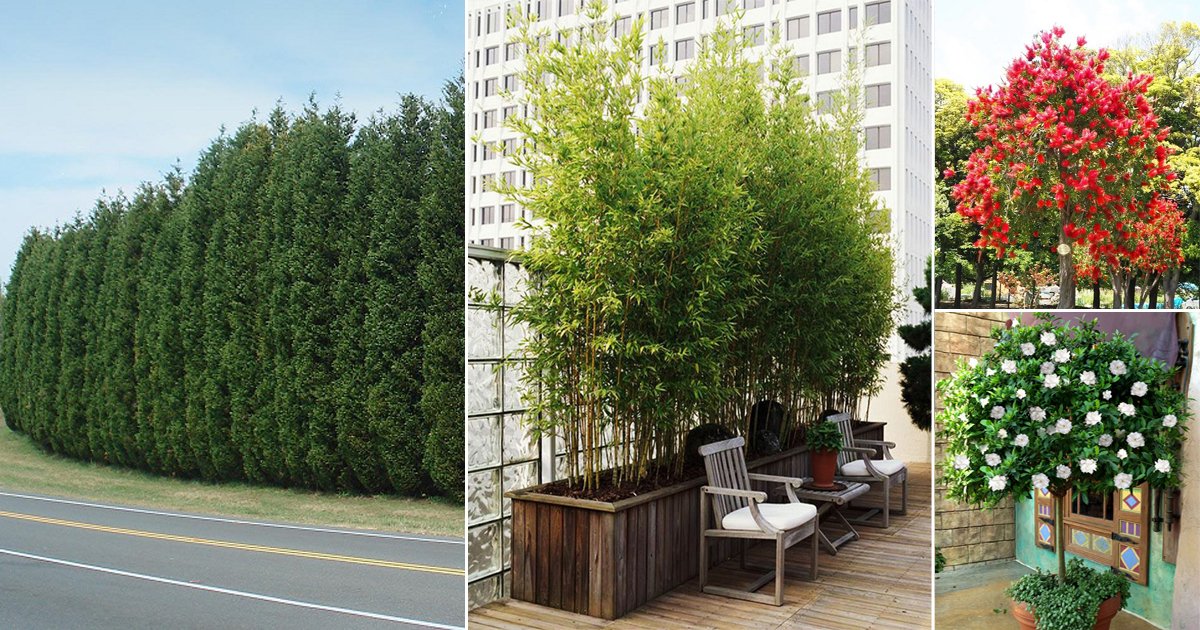
Creating Privacy And Beauty
Hedges provide a natural screen from neighbors and street noise. Tall plants like Arborvitae or Southern Magnolia create dense privacy barriers.
Choose plants with thick foliage to block views and soften hard lines. Flowering hedges add color and fragrance, enhancing the space’s beauty.
Regular pruning keeps your hedge healthy and attractive. Layer plants for depth and fullness, ensuring privacy without sacrificing style.
Credit: balconygardenweb.com
Frequently Asked Questions
What Plant Makes The Perfect Hedge?
Boxwood suits formal, low hedges with dense foliage. Arborvitae and Holly offer fast, tall privacy screens. Laurel creates lush barriers. Beech and Hornbeam provide seasonal color and winter screening. Choose based on climate, style, and maintenance needs for the perfect hedge.
What Is The Quickest Growing Hedge Plant?
The quickest growing hedge plant is Privet (Ligustrum). It grows rapidly, requires low maintenance, and creates a dense, attractive privacy screen.
What Are The Best Low Maintenance Hedge Plants?
Best low maintenance hedge plants include Boxwood, Arborvitae, Holly, Laurel, and Privet. These evergreens grow dense, require minimal care, and provide year-round privacy. Deciduous options like Beech and Hornbeam add seasonal interest while needing little upkeep. Choose based on climate and desired hedge height.
What Is The Best Month To Plant A Hedge?
The best month to plant a hedge is early spring or fall. These seasons offer mild temperatures and moist soil, helping roots establish quickly. Avoid extreme heat or frost for optimal growth and survival of your hedge plants.
Conclusion
Choosing the right hedge plant helps create a beautiful Florida landscape. Evergreens like boxwood and holly offer year-round greenery and privacy. Fast-growing options such as arborvitae and laurel provide quick coverage. Deciduous plants add seasonal color and texture. Consider soil type, sunlight, and maintenance needs before planting.
Healthy hedges protect your home and add curb appeal. Simple care ensures your hedge thrives in Florida’s climate. Start planting today for lasting beauty and shade.