If you want to bring more life and color to your North Florida garden, attracting butterflies is a fantastic way to do it. But not just any plants will do—choosing the best plants for butterflies in North Florida can make all the difference.
You’ll discover which native flowers and shrubs provide the perfect food and shelter for butterflies at every stage of their life. Whether you want vibrant blooms that attract adult butterflies or host plants that caterpillars need to thrive, this guide has you covered.
Keep reading to find out how to create a butterfly-friendly haven right in your own backyard!
Top Nectar Plants
Butterflies need nectar-rich plants to thrive. North Florida gardens offer many great options. Choosing the right nectar plants helps attract and support local butterfly species. These plants provide the food butterflies need to grow and reproduce. Planting a variety of nectar sources ensures butterflies visit all season. Below are some top nectar plants to consider for your garden.
Lantana Varieties
Lantanas bloom in bright colors like red, orange, and yellow. They attract many butterflies with their sweet nectar. These plants are hardy and grow well in North Florida’s warm climate. Lantanas bloom from spring to fall, providing a long nectar supply. They also tolerate dry conditions, making them low-maintenance. Butterfly species such as Monarchs and Swallowtails love lantanas.
Pentas And Zinnias
Pentas have star-shaped flowers that bloom in pink, red, and white. They attract a wide range of butterflies and hummingbirds. Zinnias offer bold colors and a flat flower top, perfect for butterfly landing. Both plants bloom throughout summer and fall. They thrive in full sun and well-drained soil. Pentas and zinnias are excellent choices for vibrant, butterfly-friendly gardens.
Blue Porterweed And Firespike
Blue porterweed produces small blue flowers in clusters. It blooms nearly all year in North Florida. Firespike shows bright red tubular flowers that butterflies find irresistible. Both plants prefer sunny spots and moist soil. They add color and height to butterfly gardens. These nectar plants attract butterflies like Gulf Fritillaries and Long-tailed Skippers.

Credit: www.yahoo.com
Host Plants For Caterpillars
Caterpillars need specific plants to grow and develop into butterflies. These plants are called host plants. They provide food and shelter for the young caterpillars. Choosing the right host plants in North Florida helps support local butterfly species. Planting these hosts encourages butterflies to visit and stay in your garden.
Milkweed Species
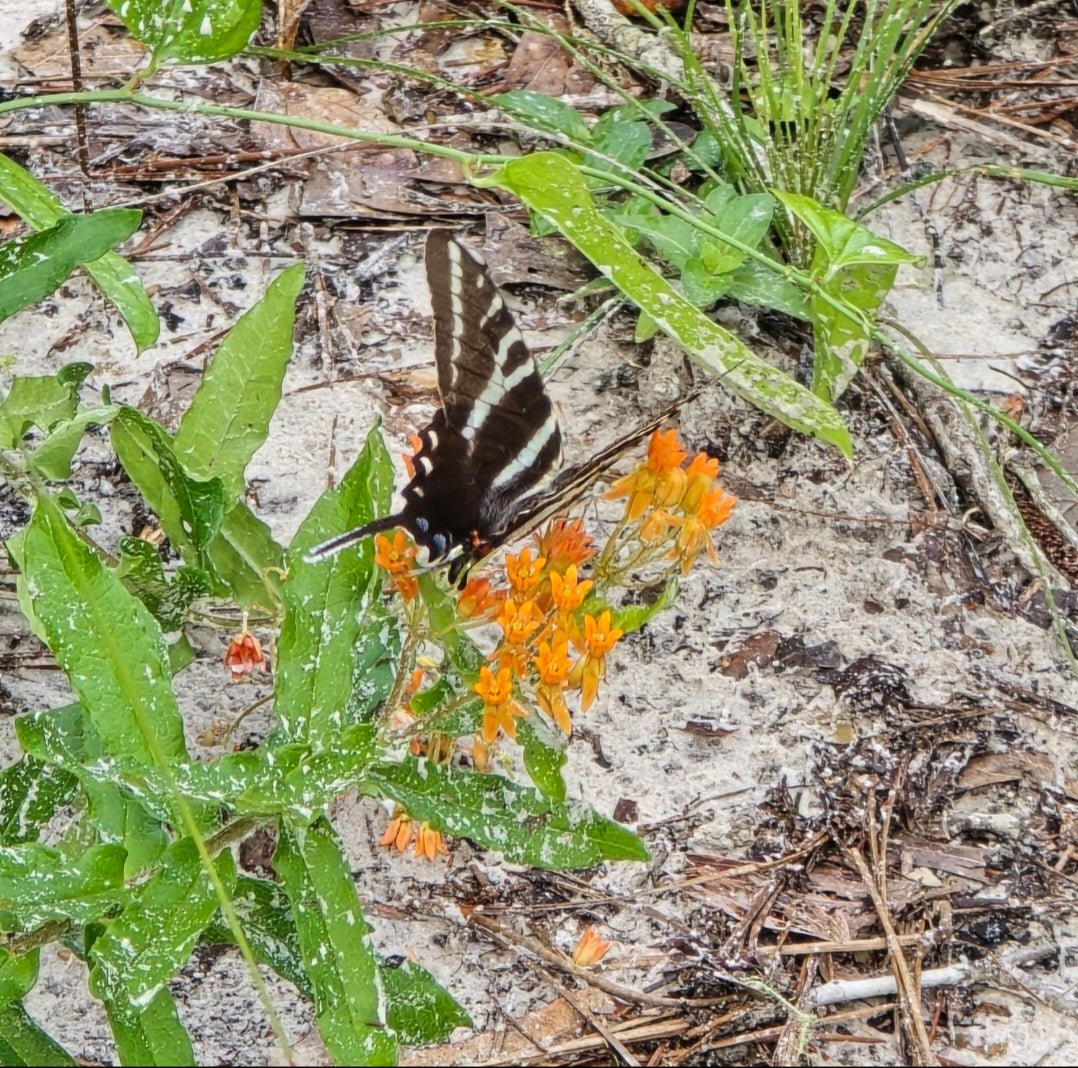
Milkweed is essential for Monarch caterpillars. It is their main food source. Several milkweed species thrive in North Florida. Common milkweed, butterfly weed, and tropical milkweed grow well here. These plants have rich leaves that caterpillars eat. Milkweed also offers nectar for adult butterflies. Planting milkweed supports the entire Monarch lifecycle.
Passionflower Varieties
Passionflower plants serve as host plants for Gulf Fritillary and Zebra Longwing caterpillars. These flowering vines grow easily in North Florida’s warm climate. Their leaves provide a perfect food source for caterpillars. Passionflower vines also produce vibrant flowers that attract adult butterflies. Adding passionflower varieties increases butterfly diversity in your garden.
Buttonbush Benefits
Buttonbush is a useful host plant for several butterfly species. It grows well in wet areas common in North Florida. Caterpillars feed on its leaves while adults enjoy its nectar-rich flowers. Buttonbush also supports birds and other wildlife. Including buttonbush in your garden creates a healthy environment for butterflies and nature alike.
Native Vs Non-native Plants
Choosing the right plants for a butterfly garden in North Florida means deciding between native and non-native species. Both types of plants can attract butterflies, but they offer different benefits and challenges. Understanding these differences helps create a garden that supports local butterfly populations and thrives in the local climate.
Advantages Of Native Plants
Native plants grow naturally in North Florida’s environment. They need less water and care because they are adapted to local soil and weather. Butterflies recognize native plants as food and host plants for their larvae. This helps support butterfly life cycles and increases their chances of survival. Native plants also provide nectar at the right times of year. They support other local wildlife, including bees and birds. Using native plants helps preserve the natural ecosystem and biodiversity.
Non-native Plant Considerations
Non-native plants come from other regions or countries. Some non-native plants can attract butterflies with bright flowers and nectar. Yet, they may require more water, fertilizer, and pesticides to grow well. Certain non-native plants can become invasive, crowding out native species. Invasive plants reduce food and shelter for native butterflies. Not all non-native plants serve as host plants for butterfly larvae. They might not bloom at the best times for local butterfly feeding. Careful research is needed before adding non-native plants to your garden.
Seasonal Planting Tips
Planting for butterflies in North Florida requires attention to the seasons. Different plants bloom at various times. This keeps your garden attractive to butterflies all year. Understanding when to plant and care for your flowers helps you maintain a lively butterfly habitat. Seasonal planting makes your garden a safe haven for these beautiful insects.
Year-round Blooming Options
Choose plants that bloom in different seasons to attract butterflies continuously. Spring favorites include milkweed and coreopsis. Summer brings in lantana and butterfly bush. For fall, consider goldenrod and aster. Some plants like pentas bloom from spring through fall. Mixing these plants ensures nectar is available year-round. This variety supports many butterfly species in North Florida.
Plant Care For Different Seasons
Spring requires fresh planting and light watering to start growth. Summer plants need more water due to heat and dry spells. Mulching helps keep soil moist and cool. Fall calls for cutting back dead stems and adding compost. Winter in North Florida is mild but watch for frost. Protect tender plants with covers if frost is expected. Adjust care to the season for healthy, blooming plants that butterflies love.
Designing A Butterfly Garden
Designing a butterfly garden in North Florida invites vibrant colors and lively visits from butterflies. It creates a peaceful space full of nature’s beauty. The garden must offer food, shelter, and water for butterflies to thrive. Thoughtful design helps attract many butterfly species and keeps them around longer.
Start with a plan that includes the right plants and layout. Consider the needs of butterflies throughout their life cycle. Plant choices should support caterpillars and adult butterflies alike. The garden’s structure affects butterfly comfort and activity.
Plant Arrangement Strategies
Group plants with similar water and sunlight needs together. Place nectar-rich flowers in sunny spots for easy butterfly access. Use layers of plants at different heights to create depth. Taller plants can shield smaller ones and provide resting spots. Plant clusters rather than single flowers to attract more butterflies. Include a variety of bloom times to offer nectar all season.
Creating Shelter And Water Sources
Butterflies need shelter from wind and predators. Use shrubs and tall grasses to provide safe hiding places. Small trees or garden structures can offer shade and resting spots. Place flat stones in sunny areas for butterflies to warm themselves. Provide shallow water sources like a birdbath with stones inside. Keep water fresh and clean for butterflies to drink safely.

Credit: acookandherbooks.com
Maintenance For Butterfly Gardens
Maintaining a butterfly garden in North Florida keeps plants healthy and butterflies returning. Regular care helps flowers bloom longer and supports butterfly life cycles. Proper maintenance makes your garden a vibrant, inviting space for pollinators.
Pruning And Deadheading
Pruning butterfly plants encourages new growth and more blooms. Cut back old stems in early spring to shape plants. Deadhead spent flowers to extend blooming periods. Remove wilted blooms carefully to avoid harming new buds. Regular trimming prevents plants from becoming too crowded.
Pest And Disease Management
Monitor plants for pests like aphids and caterpillars that can harm leaves. Use natural remedies such as neem oil or insecticidal soap. Avoid harsh chemicals that may hurt butterflies. Check for signs of disease like spots or wilting. Remove infected leaves quickly to stop spread. Healthy plants attract more butterflies and pollinators.
Attracting Specific Butterfly Species
Attracting specific butterfly species enhances your garden’s beauty and supports local wildlife. Each butterfly prefers certain plants for food and reproduction. Choosing the right plants helps these butterflies thrive in North Florida’s climate. Focus on native and well-adapted plants to invite your favorite species.
Monarch Butterflies
Monarchs depend on milkweed plants. Common milkweed and butterfly weed are great choices. These plants provide food for caterpillars and nectar for adults. Plant them in sunny spots with well-drained soil. Monarchs also enjoy nectar from lantana and coneflowers. Include these to keep monarchs visiting your garden.
Gulf Fritillaries
Gulf fritillaries love passionflower vines. These vines serve as host plants for their caterpillars. The bright orange butterflies also feed on nectar from lantana and verbena. Plant passionflower near sunny areas with some shade. This mix creates a perfect habitat for Gulf fritillaries.
Zebra Longwings
Zebra longwings prefer passionflower vines too. They use these plants for laying eggs and feeding caterpillars. Adults sip nectar from shepherd’s needle and wild coffee plants. Planting these species encourages zebra longwings to stay in your garden. They add a unique charm with their striped wings.
Credit: whitwamorganics.com
Frequently Asked Questions
What Is The Best Plant For A Butterfly Garden In Florida?
The best plant for a Florida butterfly garden is native Milkweed, supporting monarch larvae and providing nectar for adults. Include Lantana and Passionflower for diverse butterfly species.
What Plants Attract Monarch Butterflies In Florida?
Milkweed, Lantana, Passionflower, Buttonbush, Pentas, Zinnias, Blue Porterweed, and Firespike attract monarch butterflies in Florida. Milkweed serves as the primary host plant for monarch larvae.
Can Butterfly Bushes Be Planted In Fl?
Butterfly bushes can grow in Florida but prefer well-drained soil and full sun. Choose cold-hardy varieties for best results.
How To Build A Butterfly Garden In Florida?
Choose native plants like Milkweed, Lantana, and Passionflower for nectar and larvae. Plant in sunny, sheltered spots. Provide water sources and avoid pesticides. Maintain diverse flowers blooming year-round to attract various butterfly species in Florida.
Conclusion
Choosing the right plants helps butterflies thrive in North Florida gardens. Native flowers like milkweed and butterfly bush attract many species. Bright colors and nectar-rich blooms keep butterflies visiting. Planting these creates a lively and beautiful outdoor space. Small efforts bring big rewards for nature and your garden.
Start planting today to enjoy fluttering friends all season long.