Attract beautiful butterflies to your Florida garden with the right butterfly garden plants. This comprehensive guide explores the best Florida-friendly flowers, shrubs, and trees to create a vibrant butterfly haven. Learn about their unique features, planting tips, and how to maintain a thriving butterfly garden year-round in the Sunshine State.
Florida’s warm, sunny climate and diverse ecosystem make it a paradise for butterflies. Creating a butterfly garden not only adds beauty to your landscape but also contributes to the conservation of these vital pollinators. Choosing the right plants is crucial for attracting butterflies and providing them with nectar sources and host plants for their larvae. This guide helps you select the perfect butterfly garden plants for your Florida garden, covering everything from vibrant nectar-rich blooms to essential host plants for caterpillars.
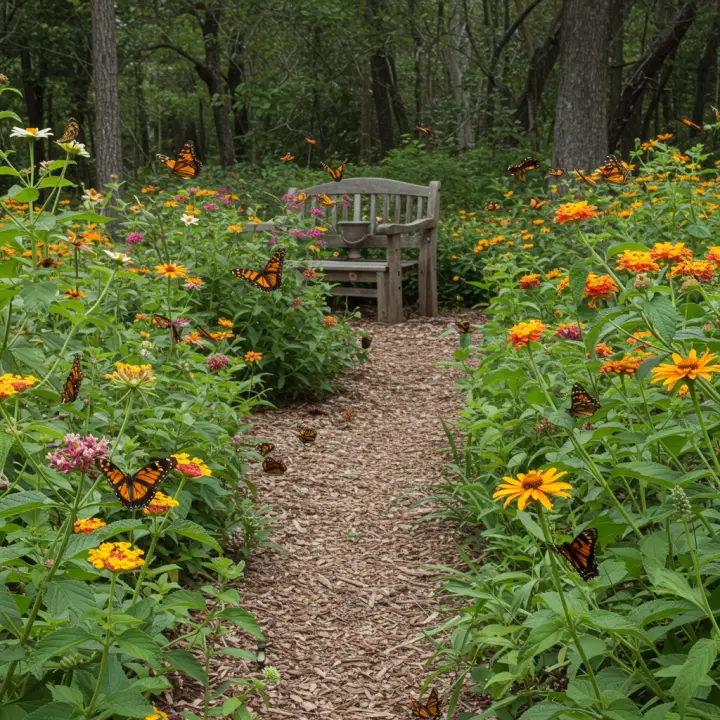
Choosing the Right Butterfly Garden Plants
Nectar Plants: Fueling the Butterflies
Nectar plants are essential for providing butterflies with the energy they need to fly, mate, and reproduce. These plants produce flowers rich in nectar, attracting butterflies with their vibrant colors and sweet scents. Some excellent nectar plants for Florida butterfly gardens include:
Milkweed (Asclepias spp.): While primarily known as a host plant for Monarch butterflies, Milkweed also produces nectar that attracts a wide range of butterfly species. Different varieties thrive in various Florida regions, from the tropical Butterfly Milkweed (Asclepias tuberosa) to the swamp-loving Aquatic Milkweed (Asclepias perennis).
Firebush (Hamelia patens): This Florida native shrub attracts butterflies and hummingbirds with its vibrant red-orange tubular flowers. It is low-maintenance and tolerates both sun and partial shade.
Porterweed (Stachytarpheta jamaicensis): A hardy, drought-tolerant plant with long blooming periods. Its purple flower spikes are a magnet for butterflies and other pollinators.
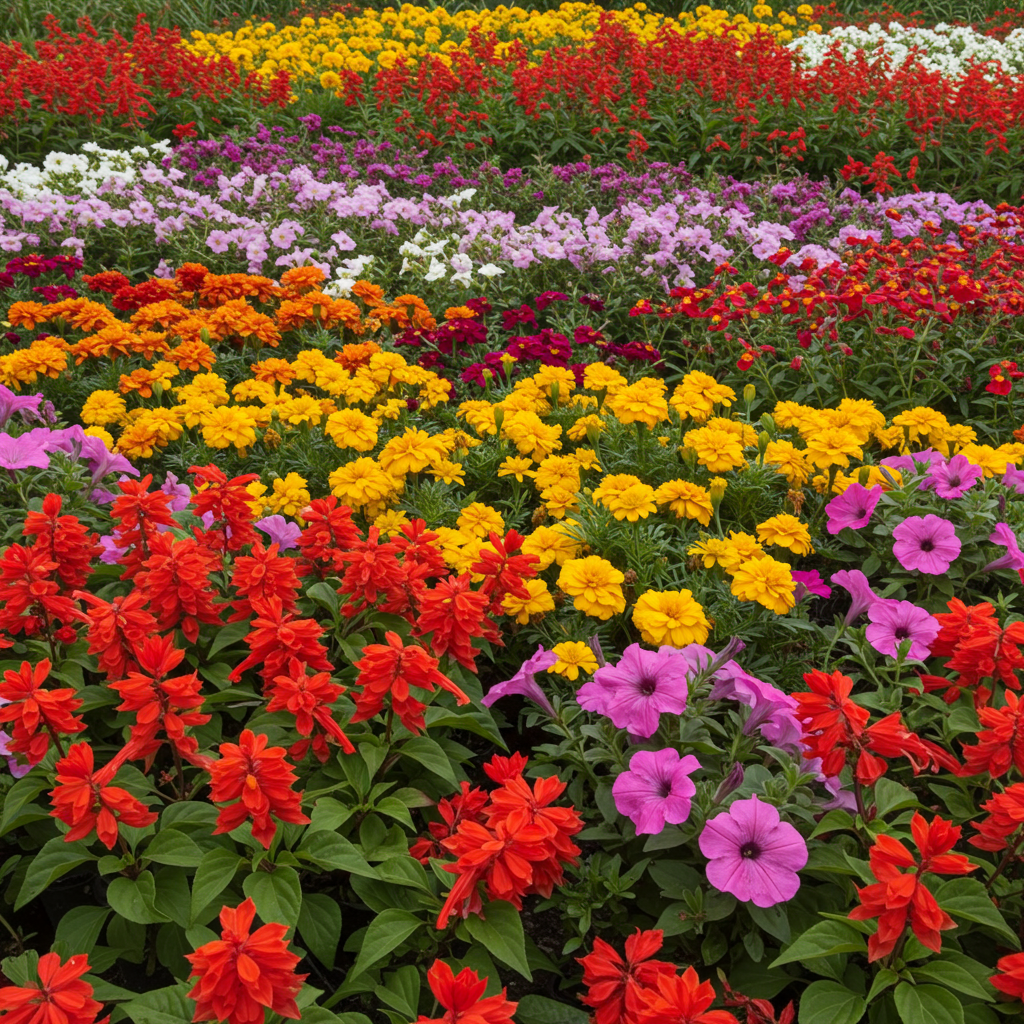
Pentas (Pentas lanceolata): Available in various colors, including pink, red, white, and lavender, Pentas are a reliable nectar source throughout the year. They are easy to grow and attract a wide range of butterflies.
Blanket Flower (Gaillardia pulchella): This cheerful annual boasts brightly colored daisy-like flowers in shades of red, orange, and yellow. It’s a low-maintenance option that attracts various butterfly species.
Host Plants: Nurturing the Next Generation
Host plants are specific plants that butterflies choose to lay their eggs on. Caterpillars hatch and feed exclusively on these plants before transforming into butterflies. Incorporating host plants is crucial for supporting the entire butterfly life cycle. Some essential host plants for Florida butterflies include:
Passionflower (Passiflora spp.): Host plant for the Gulf Fritillary and Zebra Longwing butterflies. The intricate and beautiful flowers also provide nectar for other butterfly species.
Rue (Ruta graveolens): The host plant for the Giant Swallowtail butterfly. This herb has a distinctive aroma and delicate, feathery foliage.
Fennel (Foeniculum vulgare): Attracts the Black Swallowtail butterfly. This herb also offers a subtle anise flavor that can be used in cooking.
Parsley (Petroselinum crispum): A readily available herb that serves as a host plant for Black Swallowtails. Easy to grow in pots or directly in the garden.
Citrus Trees (Citrus spp.): Host plants for the Giant Swallowtail butterfly. These trees offer the benefit of delicious fruit and beautiful blossoms, in addition to attracting butterflies.
Creating and Maintaining Your Florida Butterfly Garden
Site Selection and Preparation:
Choose a sunny location that receives at least six hours of direct sunlight daily.
Ensure the area is sheltered from strong winds.
Prepare the soil by removing weeds and adding compost or other organic matter to improve drainage and fertility.
Planting and Maintenance:
Plant in groups to create a more attractive display for butterflies.
Water regularly, especially during dry periods.
Deadhead spent flowers to encourage continuous blooming.
Fertilize sparingly, as too much fertilizer can discourage flowering.
Avoid using pesticides, as they can harm butterflies and other beneficial insects.
Providing Additional Resources:
Place a shallow dish of water with rocks or marbles for butterflies to land on and drink.
Consider adding a butterfly house to provide shelter and a place for them to rest.
Overripe fruit, such as bananas or oranges, can also be placed in the garden to attract butterflies.
FAQs:
Q: What are the best months to plant a butterfly garden in Florida?
A: Spring and fall are ideal times for planting a butterfly garden in Florida. The milder temperatures and rainfall help plants establish themselves quickly.
Q: How can I attract Monarch butterflies to my garden?
A: Planting various Milkweed species is crucial for attracting Monarch butterflies. They use Milkweed exclusively as a host plant for their caterpillars.
Q: Do I need a large space for a butterfly garden?
A: Not at all! Even a small balcony or patio can be transformed into a butterfly garden. Choose container-friendly plants and focus on vertical gardening techniques.
Q: How can I protect my butterfly garden from pests without harming the butterflies?
A: Encourage natural predators like ladybugs and lacewings, and practice companion planting to deter pests. Avoid using broad-spectrum pesticides.
Q: What are some other benefits of having a butterfly garden?
A: Butterfly gardens support pollination, increase biodiversity, enhance the beauty of your landscape, and provide educational opportunities to observe the butterfly life cycle.
Beyond Butterflies: Attracting Other Pollinators
While butterflies are the stars of the show, your butterfly garden can also become a haven for other beneficial pollinators, such as bees, hummingbirds, and beneficial insects. Consider incorporating plants that attract these pollinators to create a thriving and biodiverse ecosystem. Some excellent choices include:
Bee Balm (Monarda spp.): Known for its vibrant flower heads that attract bees and hummingbirds.
Salvia (Salvia spp.): A diverse genus with numerous species that offer colorful blooms attractive to pollinators.
Goldenrod (Solidago spp.): A late-season bloomer that provides essential nectar for pollinators before winter.
Conclusion:
Creating a butterfly garden in Florida is a rewarding experience. By carefully selecting a variety of nectar-rich plants and essential host plants, you can create a beautiful and vibrant habitat that supports the entire butterfly lifecycle. With proper planning, planting, and maintenance, your butterfly garden will become a flourishing oasis for these beautiful creatures, contributing to their conservation and adding a touch of natural magic to your Florida landscape. Enjoy the vibrant colors and graceful flight of butterflies as they flutter through your garden, a testament to the power of thoughtful planting and the interconnectedness of nature.