
If you want a beautiful garden that thrives in California’s unique climate, choosing the right plants is key. You don’t have to struggle with plants that need constant watering or special care.
Instead, you can pick hardy, stunning plants that not only survive but flourish all year round. Imagine your outdoor space bursting with vibrant colors and textures, while saving water and time. Ready to discover the best plants for California landscaping that make your yard both gorgeous and easy to maintain?
Keep reading, because we’ve gathered expert tips and top plant choices just for you.
California Climate And Soil
California offers a unique blend of climate and soil types. These factors shape the success of any landscaping project. Understanding them helps choose the right plants. This knowledge ensures a garden that thrives and looks beautiful year-round.
Key Climate Zones
California has diverse climate zones. Coastal areas enjoy mild temperatures and fog. Inland valleys face hot, dry summers and cool winters. Mountain regions have colder temperatures and snowfall. Desert areas experience extreme heat and little rain. Each zone supports different plant types. This variety influences landscaping choices significantly.
Soil Types In California
Soil varies widely across California. Coastal soils tend to be sandy and well-drained. Inland soils often contain more clay and can hold water longer. Mountain soils are rocky and less fertile. Desert soils are sandy with low organic content. Knowing soil type helps select plants that grow well. It also guides soil improvement techniques for better results.
Impact On Plant Selection
Climate and soil determine plant health and growth. Plants must tolerate local weather and soil conditions. Drought-tolerant plants suit dry inland and desert zones. Coastal plants prefer mild, moist environments. Some plants thrive in sandy soils, while others need clay or loam. Matching plants to the environment reduces maintenance. It also creates a sustainable, attractive landscape.
Native Plants For Vibrant Gardens
Native plants are the heart of vibrant California gardens. They thrive in local soil and weather. These plants need less water and care. They attract birds, bees, and butterflies. Using native plants helps keep the garden natural and healthy.
Choosing native plants makes your garden lively and colorful all year. They fit perfectly with California’s climate. Let’s explore the key benefits and some popular options.
Benefits Of Native Plants
Native plants save water and reduce garden maintenance. They resist pests better than non-native species. These plants create habitats for local wildlife. Using natives supports the natural ecosystem. They also improve soil health and prevent erosion. Native plants adapt well to California’s climate. This means fewer chemicals and fertilizers are needed.
Popular California Natives
Many native plants offer beauty and hardiness. Manzanita has lovely red bark and white flowers. California poppy adds bright orange to any space. Ceanothus, or California lilac, blooms with blue flowers. Toyon, known as California holly, shows red berries in winter. These plants create a natural look with strong colors. They are easy to grow and maintain.
Year-round Color Options
Native plants provide color in every season. California lilac blooms in spring and early summer. Manzanita flowers in winter and early spring. Toyon keeps green leaves year-round and shows berries in winter. California fuchsia blooms in summer and fall. Mixing these plants ensures garden color all year. This variety keeps your garden attractive and lively.
Drought-tolerant Choices
Drought-tolerant plants are essential for California landscaping. They survive with little water and stay healthy under dry conditions. These plants reduce water use, saving money and protecting the environment.
Choosing drought-tolerant plants creates a beautiful garden that needs less care. They also support local wildlife and fit well with California’s climate.
Why Drought Tolerance Matters
California faces long dry seasons and water shortages. Plants that need less water help conserve this precious resource. They reduce the need for frequent watering and lower water bills.
Drought-tolerant plants survive heat and dry soil better than others. They keep your garden green and lively even in dry times.
Top Drought-resistant Plants
Succulents like agave and aloe store water in their leaves. These plants look great and need very little water. Lavender adds color and scent, plus it attracts bees and butterflies.
California poppy blooms bright orange flowers with minimal water. Manzanita is a hardy shrub with red bark and small leaves. It grows well on hillsides and rocky soil.
Water Conservation Tips
Use mulch around plants to keep soil moist longer. Water early in the morning or late at night to reduce evaporation. Group plants with similar water needs together for efficient watering.
Install drip irrigation to deliver water directly to roots. Check your soil regularly and water only when it feels dry. These habits keep your garden healthy and save water.

Credit: www.thegoldhive.com
Flowering Plants For Color
Flowering plants bring vibrant color to California landscapes. They brighten yards and create inviting outdoor spaces. Choosing the right flowers ensures lasting beauty and easy care. This section highlights top flowering plants for rich color in your garden.
Long-blooming Flowers
California’s climate favors flowers that bloom for many months. Plants like California poppies and lantanas offer bright colors through spring and summer. These flowers keep gardens lively without frequent replanting. Their long bloom times save time and effort.
Easy-to-grow Varieties
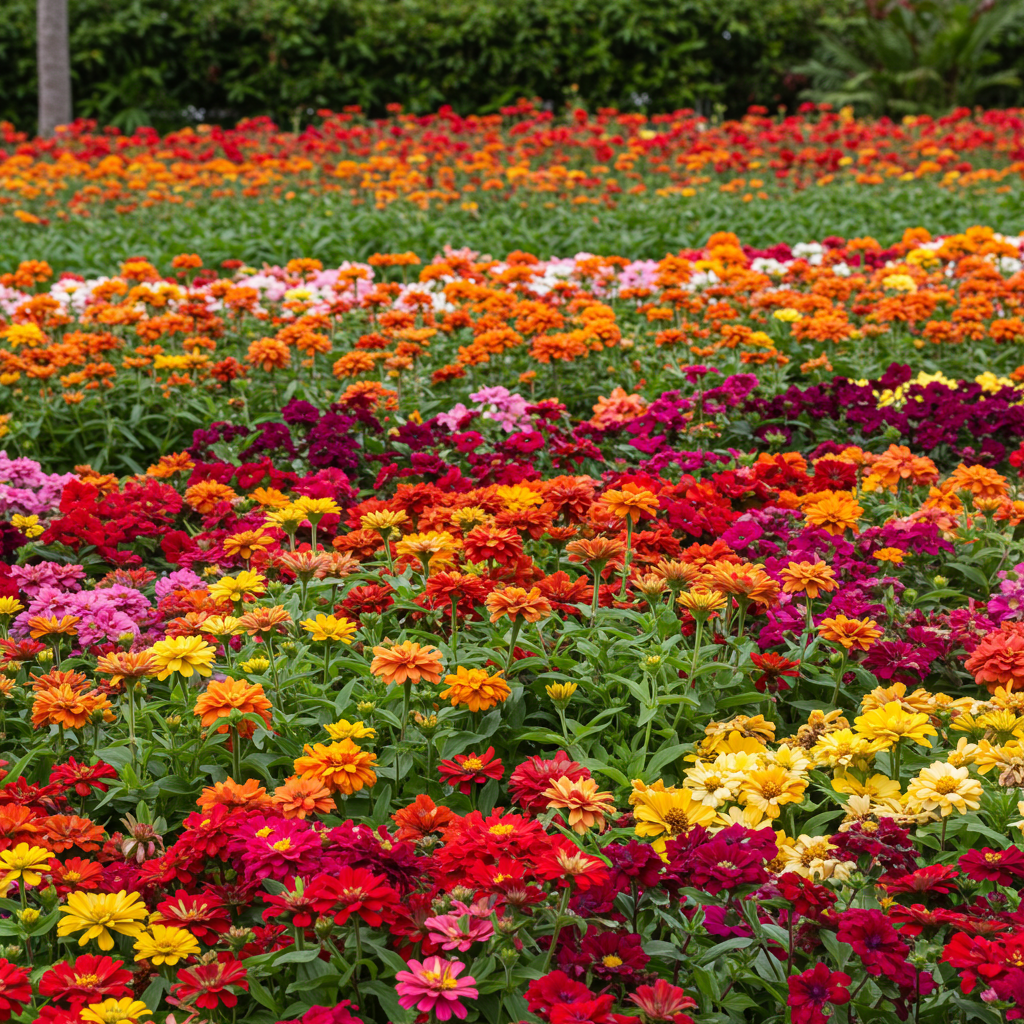
Some flowers thrive with little care in California’s soil. Marigolds and zinnias grow well in most garden types. They resist drought and pests, making them perfect for beginners. These easy plants add cheerful color with minimal work.
Seasonal Flower Options
Seasonal flowers add new color with each season’s change. Spring brings tulips and snapdragons, while summer offers sunflowers and cosmos. Fall welcomes chrysanthemums and ornamental kale. Seasonal choices keep your landscape fresh and exciting year-round.
Succulents And Cacti
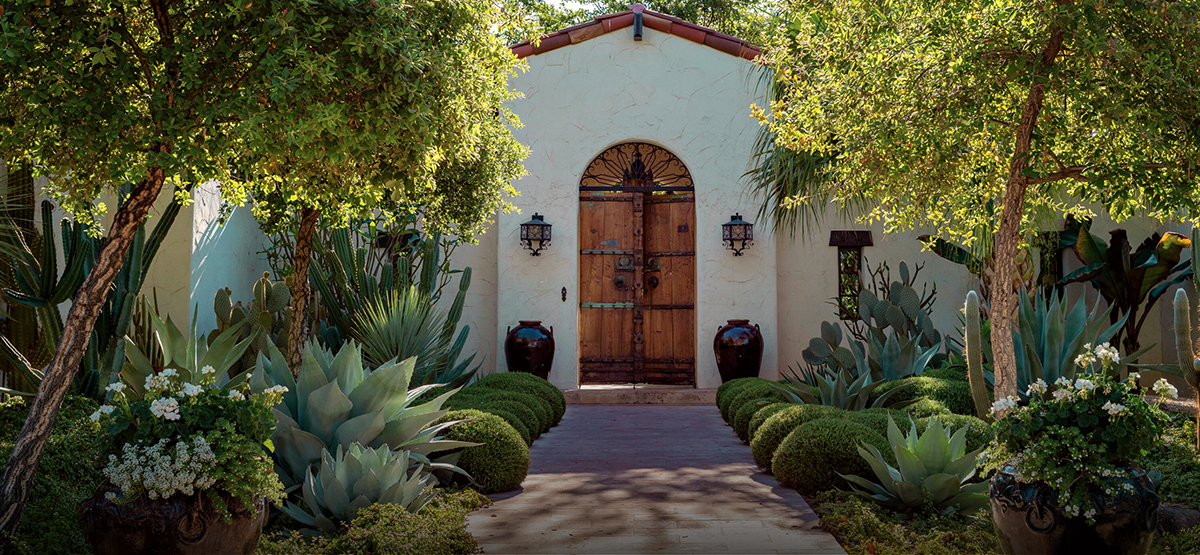
Succulents and cacti are perfect for California landscaping. They thrive in dry, sunny climates with little water. These plants store water in their leaves and stems. This makes them drought-resistant and low-maintenance. Their unique shapes and colors add beauty and texture to any garden. They suit modern, desert, and even traditional garden styles.
Best Succulent Picks
Aloe vera is popular for its healing gel and striking look. Agave offers bold shapes and grows well in full sun. Echeveria has rosette-shaped leaves in many colors. Sedum is a great ground cover with tiny star-shaped flowers. Crassula, known as jade plant, is easy to grow and shapes well. These choices handle heat and need minimal watering.
Care And Maintenance
Plant succulents and cacti in well-draining soil. Avoid overwatering; water only when soil is dry. Use pots with drainage holes for container plants. Place them in areas with plenty of sunlight. Remove dead leaves to prevent pests and diseases. Fertilize lightly in spring and summer to boost growth. Watch for signs of rot or pests.
Creative Arrangements
Group succulents and cacti by size and color for a striking look. Mix tall agaves with low-growing sedums for contrast. Use colorful pots or stones to highlight their shapes. Create patterns using different species to add texture. Combine with native California plants to support local wildlife. Layer plants in raised beds or rock gardens for dimension.
Credit: blog.moonvalleynurseries.com
Trees And Shrubs
Trees and shrubs form the backbone of California landscaping. They provide shade, structure, and beauty throughout the year. Choosing the right types ensures your garden thrives in the local climate. These plants also help conserve water and support wildlife. Below are some key points to consider when selecting trees and shrubs for your California garden.
Shade And Structure
Trees offer essential shade that cools your outdoor space. They create a comfortable area to relax under during hot days. Shrubs add layers and depth, defining garden borders and pathways. Together, they build a natural framework for your landscape. Use taller trees for overhead cover and shrubs to fill gaps at ground level.
Evergreen Vs Deciduous
Evergreen trees and shrubs keep their leaves all year. They provide constant greenery and privacy. Deciduous plants lose their leaves in winter but return with fresh growth in spring. This cycle adds seasonal interest and lets more sunlight reach your garden during cooler months. Mix both types for a balanced, dynamic landscape.
Flowering Shrubs
Flowering shrubs bring color and life to any garden. Popular options include California lilac, manzanita, and ceanothus. These plants bloom at different times, extending your garden’s floral display. They attract pollinators like bees and butterflies, supporting local ecosystems. Choose varieties suited for drought tolerance and soil type to ensure success.
Design Tips For California Gardens
Designing a California garden requires creativity and planning. The dry climate and unique soil demand smart choices. Using simple design tips helps create beautiful, sustainable gardens. These tips improve the look and health of your plants. They make your outdoor space inviting and easy to maintain.
Using The Rule Of Three
The rule of three is a classic garden design technique. Group plants or elements in threes for balance. Odd numbers create natural, pleasing arrangements. Place three plants in a triangle shape instead of a straight line. This adds movement and interest to your garden. Using three different plants enhances texture and color contrast. It also guides the eye through the landscape smoothly.
Combining Textures And Heights
Mixing plant textures and heights adds depth to your garden. Pair soft, fine leaves with bold, coarse foliage. Use tall plants behind shorter ones to create layers. This technique prevents flat, dull designs. It also helps plants receive enough sunlight. Choose drought-tolerant plants with varied shapes for best results. The contrast makes your garden lively all year round.
Creating Focal Points
A focal point draws attention and anchors your garden design. Use a striking plant, sculpture, or water feature. Place it where visitors naturally look first. Surround the focal point with simpler plants to highlight it. Focal points help organize space and make gardens feel complete. They give your California garden a unique personality.
Sustainable Landscaping Practices
Sustainable landscaping in California focuses on saving water and supporting nature. Using native and drought-tolerant plants reduces the need for extra watering. Caring for soil and using smart watering methods help plants grow strong and healthy. Attracting helpful wildlife keeps the garden balanced and lively. These practices protect the environment and make gardens beautiful and easy to maintain.
Mulching And Soil Health
Mulching keeps soil moist and cool during hot days. It stops weeds from growing and lowers the need for water. Organic mulch breaks down and adds nutrients to the soil. Healthy soil holds water better and supports strong roots. Adding compost improves soil texture and feeds plants naturally. Good soil helps plants survive dry seasons and grow well.
Efficient Irrigation Methods
Drip irrigation sends water directly to plant roots. This saves water by reducing evaporation and runoff. Timers control watering schedules to avoid overwatering. Watering early in the morning limits water loss. Using rain sensors stops irrigation during rain. Efficient watering keeps plants healthy and lowers water bills.
Attracting Beneficial Wildlife
Birds, bees, and butterflies help pollinate plants and control pests. Planting flowers rich in nectar draws these helpful insects. Providing birdhouses and water sources invites birds to stay. Avoiding pesticides protects wildlife and the garden’s balance. Beneficial animals reduce the need for chemicals and help plants thrive naturally.

Credit: www.amazon.com
Frequently Asked Questions
What Is The Easiest Flower To Grow In California?
Dianthus is one of the easiest flowers to grow in California. It thrives in various conditions and blooms from spring to autumn.
What Is The 70/30 Rule In Gardening?
The 70/30 rule in gardening means planting 70% native or drought-tolerant plants and 30% other species. This conserves water and supports local ecosystems.
What Is The Rule Of 3 In Gardening?
The rule of three in gardening groups plants or elements in threes to create balance, visual interest, and natural flow. Arrange items in triangles for dynamic design. Use varied plant heights, textures, or colors to enhance appeal and guide the viewer’s eye through the garden.
What Is The Most Heat Tolerant Plant?
The most heat tolerant plant is the date palm. It thrives in extreme heat and drought conditions.
Conclusion
Choosing the right plants shapes your California garden’s beauty and health. Native and drought-tolerant plants save water and thrive easily. Mixing different heights and colors creates a balanced, lively space. Group plants in threes for a natural, pleasing look. Your garden can bloom with less work and more charm.
Start planting today to enjoy a vibrant, eco-friendly landscape.