
Are you looking to bring timeless charm to your colonial house in Florida? Choosing the right plants can transform your home’s exterior, highlighting its classic architecture while thriving in Florida’s unique climate.
But with so many options, how do you pick plants that complement your colonial style and stay healthy year-round? You’ll discover the best plants that not only enhance your colonial house’s beauty but also suit Florida’s warm weather and soil conditions.
Keep reading to find simple, stunning plant choices that will make your home stand out in the neighborhood.
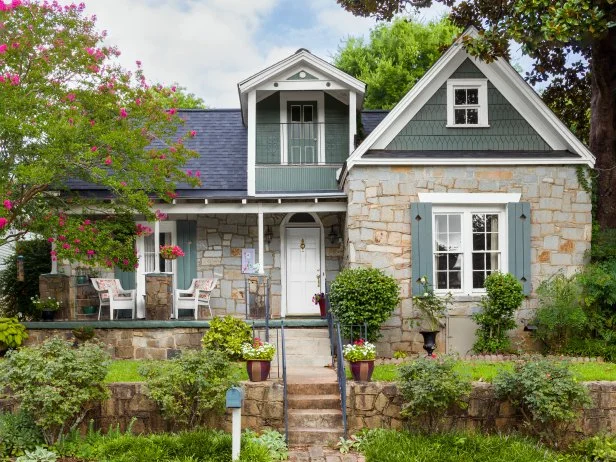
Credit: www.hgtv.com
Colonial House Styles In Florida
Colonial house styles in Florida carry a rich history and unique charm. These homes reflect early American architecture adapted to Florida’s climate. Their design blends traditional elements with features suited for warm weather and coastal influences. Understanding these styles helps in choosing the right plants that complement the architecture and environment.
Key Architectural Features
Colonial houses in Florida often have symmetrical fronts and steep roofs. Large windows and shutters are common to allow airflow. Wide porches provide shade and outdoor living space. The materials used include wood and brick, which age beautifully over time. These features create a balanced and inviting look.
Landscape Compatibility
The landscape around colonial homes should enhance their classic style. Plants with clean lines and simple shapes work best. Native Florida plants thrive in this setting and require less water. Palms, ferns, and flowering shrubs match the tropical climate. Grouping plants in odd numbers adds natural appeal. The right plants highlight the home’s beauty without overpowering it.
Climate And Soil Conditions
Understanding the climate and soil conditions is essential for growing the best plants around colonial houses in Florida. The state’s weather and soil types influence plant health and growth. Choosing plants that fit these conditions ensures a thriving garden. Native and well-adapted plants will need less care and survive better in Florida’s environment.
Florida’s Growing Zones
Florida has several growing zones, ranging from 8a to 11a. These zones show the average minimum winter temperatures. Colonial houses often sit in zones 9a to 10b. Plants that tolerate heat and humidity perform well here. Frost is rare but can happen in the northern parts. Select plants suited for these zones to avoid winter damage.
Soil Types And Preparation
Florida’s soil varies widely across the state. Sandy soils dominate the coastal areas near colonial houses. These soils drain quickly but hold fewer nutrients. Clay soils appear in some inland regions and hold water longer. Preparing the soil is vital. Adding organic matter improves nutrient content and water retention. Testing soil pH helps choose plants that will thrive. Most Florida soils are slightly acidic to neutral, ideal for many native plants.
Low-maintenance Native Plants
Choosing low-maintenance native plants for colonial houses in Florida offers many advantages. These plants thrive naturally in the local climate and soil. They need less water, fertilizer, and care. This helps save time and money. Native plants also support local wildlife and add authentic charm to your landscape. They blend well with the historic style of colonial homes, enhancing curb appeal without extra work.
Benefits Of Native Species
Native plants adapt well to Florida’s hot and humid weather. They resist pests and diseases better than non-native species. This reduces the need for chemicals and treatments. Native plants also attract butterflies, birds, and beneficial insects. Their deep roots improve soil health and prevent erosion. Using native species lowers maintenance and helps preserve the environment. They create a natural, balanced garden that lasts for years.
Top Native Shrubs And Trees
Some native shrubs and trees suit colonial homes perfectly. The Florida Anise tree offers fragrant leaves and white flowers. It grows well in sun or shade and needs little water. The Simpson’s Stopper shrub has bright red berries that attract birds. It forms a neat, dense hedge with minimal pruning. The Saw Palmetto is a tough palm that adds a tropical feel. It survives drought and poor soil easily. These plants bring beauty and durability to any Florida colonial garden.
Flowering Plants For Color
Flowering plants bring vibrant color and charm to colonial houses in Florida. They brighten gardens and create a welcoming feel. Choosing the right flowers can enhance the classic look of these homes. Both perennials and annuals offer unique benefits for lasting beauty and seasonal change.
Perennials That Thrive
Perennials return year after year, offering steady color and low maintenance. In Florida’s warm climate, plants like Hibiscus and Lantana bloom brightly. They resist heat and tolerate humidity well. Gardenias add a sweet fragrance and lovely white flowers. These plants fit the colonial style with their timeless appeal. Plant them in groups for a fuller look. Their long life saves time and effort in replanting.
Annuals For Seasonal Interest
Annuals provide bursts of color that change with the seasons. Marigolds and Zinnias grow quickly and bloom in rich hues. They fill gaps and refresh gardens yearly. Petunias and Impatiens brighten shady spots with cheerful flowers. Using annuals lets you try new colors each year. They create eye-catching displays that highlight colonial architecture. Plant them in borders or containers for flexible design options.
Evergreens And Foliage Plants
Evergreens and foliage plants offer lasting charm to colonial houses in Florida. Their consistent greenery enhances the classic architecture. These plants stay vibrant through all seasons. They bring life and color without needing constant care. Ideal for Florida’s warm climate, they thrive with minimal effort.
Year-round Greenery
Evergreens keep your garden lush throughout the year. Their leaves do not shed in winter. This ensures your colonial home looks fresh and inviting always. Plants like Southern Magnolia and Holly are perfect choices. They provide a steady backdrop of green. This makes other garden elements stand out more.
Textural Variety
Foliage plants add different textures to your landscape. Their leaves can be smooth, spiky, or feathery. This variety creates visual interest and depth. Palms, ferns, and ornamental grasses work well in Florida. Mixing textures complements colonial architecture’s clean lines. It also enhances curb appeal naturally and subtly.

Credit: www.veranda.com
Succulents And Drought-tolerant Choices
Succulents and drought-tolerant plants suit Florida’s colonial houses well. These plants thrive in hot, dry conditions and need little water. Their unique shapes and colors add charm and texture to traditional home landscapes. They also require less maintenance, perfect for busy homeowners. Choosing the right varieties can boost curb appeal and keep your garden healthy year-round.
Popular Succulent Varieties
Aloe Vera stands out for its thick, spiky leaves and healing gel. Agave features bold, architectural rosettes that grow large and striking. Jade Plant offers small, rounded leaves and a tree-like form. Echeveria shows off rosettes in soft pastel colors, perfect for borders or pots. Sedum varieties are low-growing and spread easily, ideal for ground cover. These succulents add diversity and fit well with colonial style gardens.
Care Tips For Hot Climates
Place succulents where they get bright, indirect sunlight. Water deeply but infrequently, allowing soil to dry out between watering. Use well-draining soil to prevent root rot. Mulch around plants to retain moisture and reduce weeds. Protect young plants from intense afternoon sun to avoid leaf burn. Prune dead leaves to encourage new growth and keep plants tidy. Regular care helps succulents survive Florida’s heat and drought.
Applying The Rule Of Three In Planting
The rule of three is a simple yet powerful planting technique. It helps create natural and balanced garden arrangements. Using groups of three plants or elements brings harmony and interest to your colonial house garden in Florida. This method avoids the stiffness of even numbers and adds a relaxed, organic feel.
Applying the rule of three guides the eye smoothly across the garden. It also enhances the charm of traditional colonial architecture. This style pairs well with thoughtful plant groupings that highlight the home’s classic lines and colors. Keep the groupings close but varied for the best visual impact.
Creating Visual Balance
Planting in threes creates a pleasing visual rhythm. Three plants together balance each other without appearing forced. This balance helps the garden look full but not crowded. Place the trio near entryways or windows to frame architectural features. This draws attention to the house’s colonial charm.
Use matching or complementary plants for harmony. Repeat the trio pattern in multiple spots to unify the landscape. This repetition links different garden areas while maintaining interest. Visual balance is key to making the garden feel inviting and well-planned.
Combining Heights And Textures
Mixing plant heights in groups of three adds depth. Tall, medium, and low plants create a natural flow and prevent flatness. This layering echoes the classic colonial style with its elegant proportions. Textures also matter: pair smooth leaves with rough or feathery foliage.
Contrast in texture and height keeps the planting lively and engaging. Choose native Florida plants that thrive in your climate and fit this style. Examples include bold-leafed shrubs, delicate ferns, and flowering perennials. This mix gives the garden a timeless look that complements colonial homes beautifully.
Plant Groupings For Colonial Curb Appeal
Plant groupings enhance the curb appeal of colonial houses in Florida. Using clusters of plants creates balance and interest. Grouping plants in odd numbers, like threes or fives, looks natural and pleasing. This method adds depth and guides the eye through the landscape. Mixing different textures and colors within these groups boosts visual charm. Choose plants that thrive in Florida’s climate for lasting beauty.
Front Yard Arrangements
Place three to five plants near the entrance to create a welcoming feel. Use classic choices like gardenias, azaleas, and camellias. These plants offer vibrant colors and sweet scents. Mix low shrubs with taller flowering plants to add layers. Arrange plants so taller ones sit at the back. Keep pathways clear with small ground covers like liriope or mondo grass. This setup highlights the home’s colonial style and charm.
Side And Backyard Ideas
Group plants in clusters along fences or walkways to soften hard edges. Palms, crotons, and hibiscus work well in Florida’s heat. Add ferns and caladiums for shade and texture variety. Use three or five similar plants spaced evenly for a neat look. Create small garden beds with mixed heights and colors. This layered approach adds depth and keeps the garden lively year-round. Keep maintenance easy by choosing native or drought-tolerant species.
Maintenance Tips For Florida Gardens
Maintaining a garden in Florida’s climate takes care and attention. High heat and humidity can stress plants if not managed well. Following practical maintenance tips helps keep your colonial house garden vibrant and healthy year-round.
Simple routines tailored to Florida’s weather improve plant growth and reduce problems. Consistent care protects your investment in beautiful landscaping. Focus on key tasks like watering and pest control for best results.
Watering Strategies
Water early in the morning to reduce evaporation. This lets plants absorb moisture before the heat rises. Avoid watering late in the day to prevent fungal diseases.
Use drip irrigation or soaker hoses for efficient watering. They deliver water directly to roots, saving water and preventing leaf wetness. Check soil moisture regularly to avoid overwatering or drought stress.
Pest And Disease Management
Inspect plants regularly for pests and signs of disease. Early detection prevents serious damage. Use natural predators like ladybugs to control harmful insects.
Remove dead or infected leaves quickly to stop spread. Choose disease-resistant plants suited for Florida’s environment. Apply organic treatments only when needed to protect beneficial insects and the ecosystem.
Incorporating Hardscape Elements
Incorporating hardscape elements enhances the charm of colonial houses in Florida. These features create structure and contrast with lush plants. Hardscape elements also improve outdoor functionality and curb appeal.
Careful placement of paths, borders, and containers shapes the garden’s flow. Hardscape materials should complement the house’s classic style. Natural stone, brick, and wood work well with colonial architecture.
Pathways And Borders
Pathways guide visitors through the garden with style and ease. Brick or flagstone paths suit colonial house gardens perfectly. These materials offer durability in Florida’s climate and add timeless beauty.
Border plants soften hard edges and define garden spaces. Use low shrubs or flowering plants along walkways for color and texture. Boxwood hedges create neat, formal borders that match colonial design.
Curved paths add a gentle, inviting feel. Straight lines highlight the symmetry typical of colonial homes. Combining both can balance tradition and natural flow.
Decorative Containers
Decorative containers bring flexibility and interest to outdoor spaces. Large terracotta pots or classic urns fit colonial aesthetics well. Containers allow seasonal plant changes and easy maintenance.
Place containers near entryways or on porches for a welcoming touch. Fill them with ferns, palms, or flowering plants that thrive in Florida. Mixing textures and colors in containers adds visual appeal.
Elevated containers draw attention to specific garden areas. Grouping containers in odd numbers keeps the design natural and engaging. Containers also help control plant growth and soil quality.

Credit: www.veranda.com
Frequently Asked Questions
What House Plants Grow Well In Florida?
African Violets, Bromeliads, Begonias, Caladiums, and Amaryllis thrive as houseplants in Florida’s warm, humid climate.
What Is The Rule Of 3 In Landscaping?
The rule of three in landscaping groups elements like plants or features in threes. This creates natural, balanced, and visually appealing designs that guide the viewer’s eye and add depth.
What Is The Best Low-maintenance Landscape In Florida?
The best low-maintenance landscape in Florida uses native plants like palmettos, coontie, and muhly grass. These thrive with minimal water and care. Incorporate mulch and drought-tolerant shrubs to reduce upkeep. This approach saves time and enhances natural beauty year-round.
What Flower Blooms All Year Round In Florida?
The Bougainvillea flower blooms all year round in Florida. It thrives in warm climates and offers vibrant colors continuously.
Conclusion
Choosing the right plants brings charm to colonial houses in Florida. These plants handle Florida’s heat and humidity well. They add color, texture, and life to your home’s exterior. Group plants in threes for a natural, balanced look. Simple choices create a welcoming and lasting garden.
Your colonial house will shine with these perfect plant picks. Start planting today for beauty year-round.