
Are you ready to transform your Florida garden into a vibrant, thriving oasis? Choosing the right plants is key to making your outdoor space flourish without constant hassle.
Florida’s unique climate demands plants that can handle heat, humidity, and occasional droughts while adding beauty all year long. In this guide, you’ll discover the best plants that not only survive but truly shine in Florida’s gardens. Whether you want bright flowers that attract butterflies or low-maintenance greenery that stays lush through every season, we’ve got you covered.
Keep reading to find the perfect plants that will make your garden the envy of the neighborhood.
Credit: costafarms.com
Climate And Soil In Florida
Florida’s climate and soil create a unique environment for gardening. The state has hot summers and mild winters. The air is often humid, which affects plant growth. Understanding these conditions helps choose the best plants for your garden.
Heat And Humidity Effects
Florida’s heat can be intense, with summer temperatures often above 90°F. High humidity adds to the challenge by increasing moisture in the air. Many plants may struggle with these conditions. Choose heat-tolerant plants that also resist fungal diseases caused by humidity. Proper watering schedules help prevent root rot and leaf damage. Some plants thrive in this environment, producing vibrant flowers and lush foliage all year.
Soil Types And Preparation
Florida’s soil varies from sandy near the coasts to clay in inland areas. Sandy soil drains quickly but holds fewer nutrients. Clay soil retains water but can become compacted. Gardeners should test soil pH and nutrient levels. Amending soil with organic matter improves texture and fertility. Raised beds or adding compost can boost soil quality. Preparing the soil well gives plants a strong start and better growth potential in Florida’s diverse conditions.
Native Plants For Florida Gardens
Native plants are ideal for Florida gardens. They thrive in the local climate and soil. These plants require less water and care than non-native types. They support local wildlife like birds, butterflies, and bees. Using native plants helps keep your garden healthy and vibrant all year.
Benefits Of Native Species
Native plants save water because they adapt well to Florida’s weather. They need little or no fertilizer and fewer pesticides. This reduces garden maintenance and protects the environment. Native plants also improve soil health by preventing erosion. They provide food and shelter for native animals, creating a balanced ecosystem. Choosing native species means a garden that grows strong and looks natural.
Popular Native Choices
Florida offers many native plants perfect for gardens. The Saw Palmetto is a tough plant that grows well in sandy soil. Coontie is a low-growing shrub that attracts butterflies. Firebush produces bright red flowers loved by hummingbirds. Muhly Grass adds soft texture with pinkish-purple blooms in fall. These plants bring color and life to any garden space.
Year-round Bloomers
Year-round bloomers keep Florida gardens vibrant and colorful every season. These plants thrive in the state’s warm climate and produce flowers continuously. They require little care yet add beauty and attract pollinators like butterflies and hummingbirds. Choosing the right year-round bloomers ensures your garden never loses its charm.
Lantana
Lantana is a tough plant that grows well in Florida heat. It resists drought and blooms nonstop. Bright flowers attract butterflies and birds. Lantana adapts easily to many garden styles. It needs full sun and well-drained soil.
Hibiscus
Hibiscus thrives in Florida’s humid weather. Large, colorful flowers bloom all year long. This tropical plant prefers full sun and rich soil. It adds a lush, exotic look to any garden space. Hibiscus flowers attract hummingbirds and bees.
Pentas
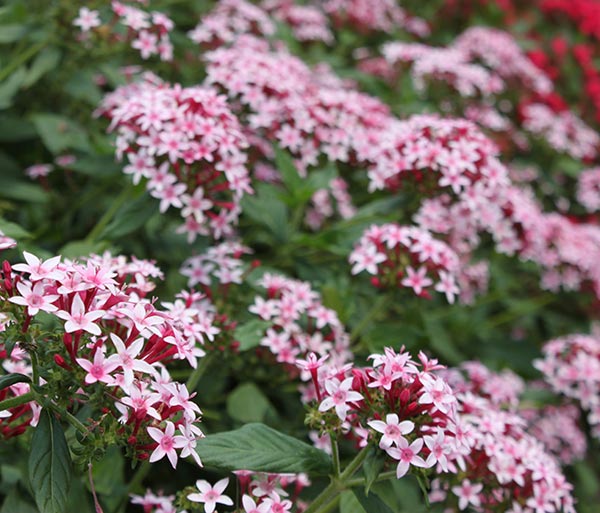
Pentas produce clusters of star-shaped flowers. They bloom continuously in warm climates like Florida. Hummingbirds and butterflies love pentas. These plants are low-maintenance and grow well in containers or beds. Pentas need regular watering and full sun.
Salvia
Salvia offers a range of colors from blue to purple. It blooms all year with enough sunlight. This plant attracts pollinators and adds vertical interest. Salvia prefers well-drained soil and moderate watering. It is a reliable choice for sunny Florida gardens.
Plumbago
Plumbago produces clusters of pale blue flowers. It blooms nearly year-round in Florida’s climate. This shrub tolerates heat and drought well. Plumbago works great as a hedge or ground cover. It prefers full sun and needs occasional pruning.
Blue Daze
Blue Daze is a low-growing plant with small blue flowers. It blooms nonstop in warm weather. This plant spreads quickly and covers ground nicely. Blue Daze thrives in full sun and well-drained soil. It is perfect for adding color to borders or containers.
Low-maintenance Plants
Low-maintenance plants simplify gardening in Florida’s hot and humid climate. They require less water, fertilizer, and pruning. These plants thrive with minimal care, saving time and effort. Choosing the right low-maintenance varieties helps create a beautiful garden that lasts.
Drought-tolerant Varieties
Drought-tolerant plants survive long dry spells with little water. They reduce water use and keep your garden green. Examples include agave, yucca, and lantana. These plants have thick leaves or deep roots to store water. They also resist pests and diseases, making them easy to grow.
Rain Garden Plants
Rain gardens capture and absorb rainwater naturally. They prevent flooding and improve soil health. Plants like goldenrod, swamp sunflower, and milkweed thrive here. These plants tolerate wet roots and dry periods. Rain gardens add color and attract butterflies and birds.
Wildflowers And Grasses
Wildflowers and native grasses bring natural beauty to Florida gardens. They grow well in poor soil and need little care. Examples include coreopsis, muhly grass, and blanket flower. These plants support local wildlife and add texture. Their bright blooms brighten any garden space.
Vibrant Flowering Vines
Vibrant flowering vines bring color and life to any Florida garden. These plants climb fences, trellises, and walls, creating stunning vertical displays. They thrive in Florida’s warm climate and add charm all year. Many vines attract hummingbirds and butterflies, enhancing the garden’s natural beauty.
Coral Honeysuckle
Coral honeysuckle is a native vine with bright red tubular flowers. It blooms from spring through fall, attracting hummingbirds and bees. This vine grows quickly and can cover large areas. Coral honeysuckle tolerates heat and humidity well. It prefers full sun to partial shade and well-drained soil. Its vibrant flowers add a tropical feel to gardens.
Other Climbing Options
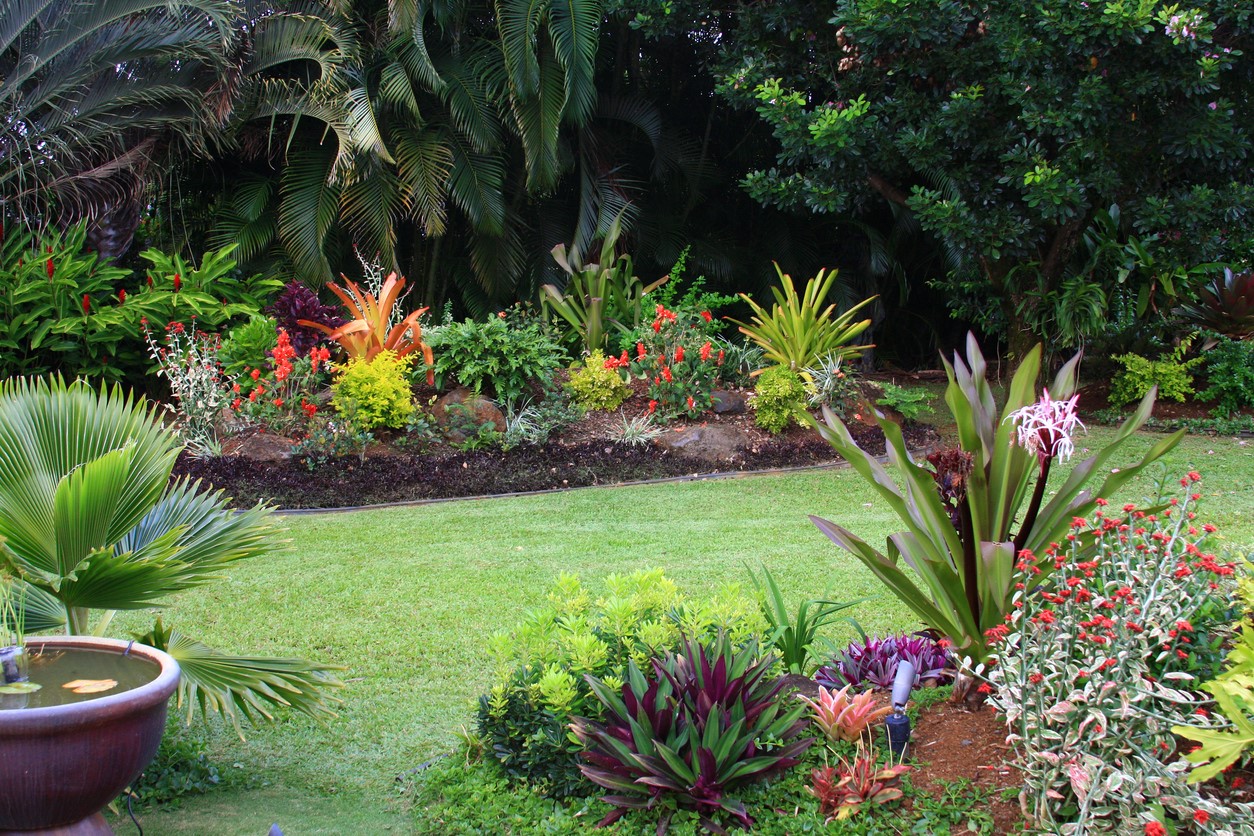
Passionflower vines offer unique, intricate flowers in purple, white, or pink shades. They grow fast and produce edible fruit. Confederate jasmine is a fragrant vine with white star-shaped flowers. It works well as ground cover or on fences. Bougainvillea provides bright pink, purple, or orange bracts. It thrives in full sun and needs little water once established. These vines are perfect for colorful vertical gardens in Florida.
Credit: www.stanleyhomesinc.com
Vegetables Suited For Florida Gardens
Growing vegetables in Florida gardens requires choosing plants that handle the heat and humidity well. Florida’s climate challenges many common vegetables, but some thrive despite the warmth. Selecting the right vegetables ensures a healthy, productive garden throughout the year.
Heat-tolerant Vegetables
Heat-tolerant vegetables grow well during Florida’s hot seasons. Okra is a top choice; it loves the sun and heat. Southern peas, such as black-eyed peas, also thrive in warm weather. Sweet potatoes flourish in Florida’s soil and heat, providing nutritious tubers. Cherry tomatoes produce fruit even in hot conditions. Peppers and eggplants can continue to bear fruit into summer months if cared for properly. These vegetables withstand heat and keep your garden productive.
Tropical And Lesser-known Crops
Some tropical vegetables suit Florida’s warm climate perfectly. Malabar spinach is a fast-growing vine with edible leaves, perfect for salads or cooking. Cassava is a starchy root crop that grows well in Florida’s heat and humidity. Taro, another tropical root, adapts easily to wet soil and hot weather. These crops add variety and nutrition to your garden. Exploring lesser-known plants helps create a unique and thriving garden space.
Attracting Pollinators
Pollinators play a key role in a healthy garden. They help plants produce fruits and seeds. Attracting pollinators boosts your garden’s life and beauty.
Florida’s warm climate supports many pollinators like bees, butterflies, and hummingbirds. Choosing the right plants can invite these helpful visitors. Plants with bright colors and sweet nectar are top choices.
Butterfly-friendly Plants
Butterflies love colorful flowers with flat tops. Milkweed is a top choice. It feeds monarch butterfly caterpillars and provides nectar for adults. Lantana is another favorite. It blooms all year and attracts many butterfly species.
Other good options include pentas and coneflowers. These plants offer plenty of nectar. They also bloom in warm weather. A garden full of butterfly-friendly plants brings constant movement and color.
Hummingbird Favorites
Hummingbirds seek tubular flowers with bright red or orange hues. Hibiscus fits this need well. It thrives in Florida’s heat and blooms often. Trumpet vine is another excellent choice. Its long, trumpet-shaped flowers attract hummingbirds easily.
Salvia and coral honeysuckle also draw hummingbirds. These plants offer rich nectar. Planting them close to seating areas creates a lively garden space. Watching hummingbirds dance from flower to flower is pure joy.
Credit: www.youtube.com
Seasonal Planting Tips
Seasonal planting helps your Florida garden thrive all year. Choosing the right plants for each season avoids stress from heat or cold. It also keeps your garden colorful and healthy. Understanding the seasons guides your plant selection and care routines.
Florida’s warm climate allows for many options, but timing is key. Planting at the right time boosts growth and reduces disease risk. Follow simple seasonal tips to make your garden flourish.
Spring And Summer Choices
Spring and summer bring heat and humidity. Choose heat-loving plants that handle sun well. Hibiscus and lantana bloom brightly under strong sunlight. They attract butterflies and hummingbirds, adding life to your garden.
Vegetables like okra, sweet potatoes, and southern peas grow well in summer heat. These plants resist heat and need less water. Mulching helps keep soil cool and moist.
Plant eggplants and peppers in early spring for a longer harvest. Water regularly but avoid overwatering to prevent root rot. Use light, sandy soil to improve drainage.
Fall And Winter Options
Fall and winter are cooler but still mild in Florida. Use this time to plant cool-season flowers and vegetables. Pansies and snapdragons add color during the cooler months. They grow well in partial sun and cooler temperatures.
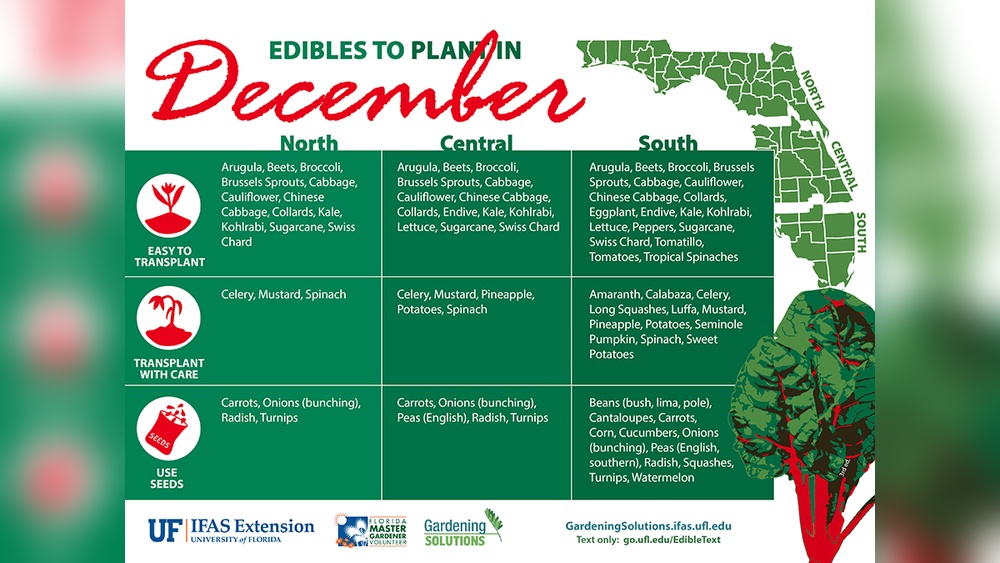
Vegetables like broccoli, kale, and carrots thrive in fall and winter gardens. These crops need less water and fewer pests. Prepare soil with compost to boost nutrients before planting.
Protect young plants from occasional frost by using covers or planting near walls. This helps them stay healthy through the season. Fall planting sets the stage for a vibrant spring garden.
Designing For Lush Growth
Designing a Florida garden for lush growth requires careful planning and smart choices. The warm climate and unique soil conditions mean plants need special care. Creating a thriving garden means grouping plants well and managing soil and water properly. These steps help plants grow strong and healthy, making your garden a beautiful space year-round.
Use techniques that support natural growth and reduce stress on plants. Choose plants that match Florida’s weather and your garden’s conditions. This approach saves time and helps your garden flourish with less effort.
Plant Grouping Strategies
Group plants with similar water and sunlight needs together. This method ensures all plants get the right care. For example, place drought-tolerant plants like lantana and hibiscus in one area. Moisture-loving plants like ferns and swamp sunflowers do better in wetter spots. Grouping helps you water efficiently and avoid over or underwatering. It also creates a natural look and supports healthy growth by reducing competition between plants.
Soil And Water Management
Florida soil often lacks nutrients and drains quickly. Improving soil with organic matter boosts its ability to hold water and nutrients. Use compost or mulch to enrich the soil and keep it moist. Mulching also controls weeds and keeps roots cool. Water plants deeply but less often to encourage strong roots. Avoid shallow, frequent watering as it weakens roots. Proper soil and water care ensures plants stay green and grow lush all year.
Frequently Asked Questions
What Grows Well In A Garden In Florida?
Sweet potatoes, southern peas, cherry tomatoes, okra, peppers, and eggplant grow well in Florida gardens. Tropical options include cassava and Malabar spinach.
What Is The 70/30 Rule In Gardening?
The 70/30 rule in gardening means planting 70% edible plants and 30% flowers or decorative plants to balance beauty and productivity.
What Is The Best Low Maintenance Landscape In Florida?
The best low maintenance landscape in Florida features native plants like goldenrod, swamp sunflower, muhly grass, and milkweed. Rain gardens using these plants control water naturally, require minimal care, and thrive in Florida’s climate, making them ideal for sustainable, easy-to-maintain landscaping.
What Flower Blooms All Year Round In Florida?
Lantana, hibiscus, pentas, salvia, plumbago, and blue daze bloom year-round in Florida’s warm climate. They attract pollinators and thrive in full sun.
Conclusion
Choosing the best plants helps your Florida garden thrive. Select species that handle heat and humidity well. Native and tropical plants often need less care. Bright flowers attract butterflies and hummingbirds to your space. Keep soil moist but avoid overwatering for healthy growth.
Plant variety adds color and life all year round. Enjoy gardening with plants suited to Florida’s unique climate. Your garden will reward you with beauty and ease.