

Looking to create a stunning landscape that thrives in Florida’s unique climate? Choosing the right plants can make all the difference between a garden that dazzles and one that struggles.
You want greenery that not only survives but flourishes with minimal effort, adding beauty and value to your outdoor space. In this guide, you’ll discover the best plants for Florida landscaping—easy to grow, low maintenance, and perfectly suited to the Sunshine State.
Whether you’re a seasoned gardener or just starting out, these plant choices will help you craft a vibrant, inviting yard you’ll love coming home to. Keep reading to find out which plants will make your Florida landscape shine year-round.
Native Plants For Florida Gardens
Native plants thrive in Florida’s unique climate and soil. They require less water and care than non-native species. These plants also support local wildlife, including birds and pollinators. Choosing native plants helps create a natural, sustainable garden that fits perfectly into the Florida landscape.
Firebush And American Beautyberry
Firebush offers bright red-orange flowers that attract hummingbirds and butterflies. It grows well in sunny spots and tolerates dry soil. American Beautyberry shows off clusters of bright purple berries in fall. Birds love these berries, making it a great choice for wildlife gardens. Both plants add color and life year-round.
Goldenrod And Swamp Sunflower
Goldenrod blooms with tall spikes of yellow flowers in late summer. It brings color when many other plants fade. Swamp Sunflower thrives in wet areas and produces large, bright yellow flowers. These plants support bees and butterflies. They brighten up damp or sunny spots with their cheerful blooms.
Milkweed And Muhly Grass
Milkweed is vital for monarch butterflies, providing food for caterpillars. It has soft leaves and clusters of pink or orange flowers. Muhly Grass features airy pink-purple plumes in fall. It adds texture and movement to any garden. Both plants are drought-tolerant and easy to grow in Florida soils.
Heat-tolerant And Sun-loving Plants
Florida’s sun shines bright and temperatures often soar high. Plants that thrive here must handle heat and direct sunlight well. Heat-tolerant and sun-loving plants stay healthy and vibrant in tough conditions. They add color and life to Florida landscapes without much fuss. Choosing the right plants means your garden looks great all year long.
Lantana Varieties
Lantanas are popular for their bright, cheerful flowers. They bloom in many colors like yellow, orange, pink, and red. These plants love full sun and heat. Lantanas attract butterflies and hummingbirds, making your garden lively. They are drought-tolerant and need little water once established. Lantanas grow well as ground cover or shrubs. Their tough nature suits Florida’s hot climate perfectly.
Pentas For Vibrant Color
Pentas produce clusters of star-shaped flowers in red, pink, white, and purple. They bloom nearly all year in sunny spots. These plants prefer warm weather and full sun. Pentas attract pollinators such as butterflies and bees. They handle heat without wilting and need moderate watering. Pentas add bright splashes of color to any Florida garden. Their easy care makes them a favorite for landscapers.
Crape Myrtles And Azaleas
Crape myrtles offer stunning summer blooms in colors like pink, purple, and white. They thrive in full sun and heat. These trees also have attractive bark and fall color. Azaleas bloom in spring with vibrant flowers in many shades. They prefer some afternoon shade but can tolerate sun in Florida. Both plants are hardy and fit well into Florida’s landscape styles. Crape myrtles and azaleas bring beauty and texture to outdoor spaces.
Popular Palm Varieties
Palms are iconic plants for Florida landscaping. They bring a tropical vibe and add height and texture. Many palm types thrive in Florida’s warm climate. They suit both large yards and small gardens. Choosing the right palm can enhance your landscape’s beauty and value.
Some palms have slender trunks, while others grow thick and sturdy. Leaf shapes range from fan-like to feather-like fronds. Colors vary from deep green to silvery blue. Popular palms include the Sabal Palm, Queen Palm, and Pygmy Date Palm. Each has unique features that fit different garden styles.
Choosing The Right Palm
Consider your space size before picking a palm. Tall palms suit open areas with room to grow. Smaller palms fit well in tight spaces or containers. Check soil type and sun exposure in your yard. Some palms prefer full sun, others shade or partial sun. Think about cold tolerance, especially in northern Florida zones. Select palms that match your climate and soil for best growth.
Maintenance Tips For Palms
Palms need regular watering, especially when young. Deep watering helps roots grow strong. Mulch around the base keeps soil moist and cool. Fertilize palms three to four times a year with palm-specific food. Remove dead or yellow leaves to keep palms healthy. Watch for pests like scale and spider mites. Prune carefully to avoid damaging the trunk or fronds.
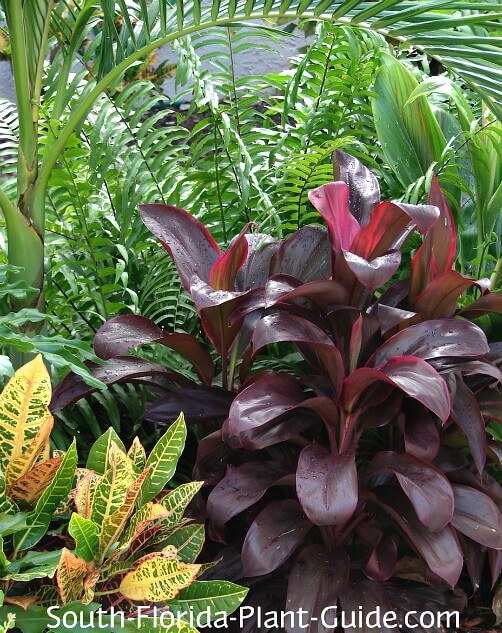
Credit: www.south-florida-plant-guide.com
Groundcovers For Florida Landscapes
Groundcovers play a vital role in Florida landscaping. They help prevent soil erosion, reduce weeds, and add visual appeal. Choosing the right groundcover ensures a healthy and attractive garden. Many groundcovers thrive in Florida’s warm climate and sandy soil. They require less water and care than grass lawns. These plants create a lush, green carpet that is both functional and beautiful.
Beach Sunflower Benefits
Beach sunflower is a native groundcover perfect for Florida landscapes. It grows well in sandy, salty soils near the coast. This plant produces bright yellow flowers that attract butterflies and bees. Its deep roots hold soil in place, reducing erosion. Beach sunflower handles drought and heat with ease. It needs little watering once established. This low-maintenance plant adds color and texture to any garden space.
Low-maintenance Groundcover Options
Several low-maintenance groundcovers thrive in Florida’s climate. Asiatic jasmine is a popular choice that spreads quickly and covers large areas. It stays green year-round and tolerates shade and sun. Another option is creeping thyme, which offers tiny flowers and a pleasant scent. It resists drought and requires minimal care. Periwinkle is also common, with glossy leaves and small blue or white flowers. These plants reduce lawn upkeep and create a neat, green look.
Plants For Privacy And Screening
Creating privacy in Florida landscapes requires plants that thrive in the heat and humidity. Selecting the right species can block unwanted views and reduce noise. These plants also add beauty and texture to outdoor spaces. Choosing durable and fast-growing plants saves time and effort in the long run.
Using Shrubs And Bushes
Shrubs and bushes are excellent for privacy screens. They grow dense and tall, creating natural barriers. In Florida, species like Viburnum, Ligustrum, and Clusia perform well. These plants tolerate heat, humidity, and occasional drought. They need little care once established. Plant shrubs close together for a thick screen. Trimming keeps the plants neat and healthy. Flowering shrubs add color and attract pollinators. Their lush foliage blocks views from neighbors and streets.
Natural Privacy Solutions
Natural privacy uses plants that blend into the environment. Tall grasses such as Muhly grass and Bamboo offer flexible screening. They sway in the breeze and soften hard edges. Trees like Southern Magnolia and Wax Myrtle create shade and privacy. These plants also support local wildlife. Using native plants reduces water and fertilizer needs. Layering different plant types builds a more effective barrier. Natural solutions improve the look and feel of your yard. They create peaceful, private spaces without fences or walls.

Credit: plantologyusa.com
Low-maintenance Plant Choices
Choosing low-maintenance plants can save time and effort in Florida gardens. These plants thrive with little care, resist pests, and handle Florida’s heat well. They suit homeowners who want beautiful yards without constant upkeep.
Low-maintenance plants also reduce water use and soil erosion. Selecting the right species helps create sustainable, attractive landscapes. Below are two categories ideal for Florida’s climate and lifestyle.
Drought-tolerant Species
Drought-tolerant plants survive long dry spells with minimal watering. They are perfect for Florida’s hot summers and occasional dry periods. These plants store water or have small leaves to reduce moisture loss.
Examples include:
- Agave – sharp leaves and slow growth
- Yucca – sword-shaped leaves, very hardy
- Coontie – native palm-like plant, low water needs
- Oleander – colorful flowers, tolerates heat
These species thrive in sandy soils and full sun. They require little fertilizer or pruning. Drought-tolerant plants keep landscapes green and lively year-round.
Rain Garden Friendly Plants
Rain garden plants absorb and filter rainwater, reducing runoff and flooding. They grow well in areas that get wet after storms. These plants tolerate occasional standing water but dry out between rains.
Good choices include:
- Swamp sunflower – bright yellow flowers, attracts butterflies
- Goldenrod – tall, with clusters of small yellow flowers
- Muhly grass – fine pinkish-purple plumes, adds texture
- Milkweed – supports pollinators, with orange flowers
Rain garden plants improve soil health and support wildlife. They add color and interest to low spots or drainage areas in yards. These plants create eco-friendly Florida landscapes.
Applying The Rule Of Three In Planting
The rule of three is a simple yet powerful design trick for Florida landscaping. It involves grouping plants in sets of three or other odd numbers like five or seven. This method makes your garden look natural and balanced. Odd numbers avoid the stiffness seen with even groups. The eye moves smoothly through the space, enjoying the variety without confusion. This rule works well with plants, colors, and hardscape elements like stones or pots.
Grouping Plants For Visual Appeal
Planting three of the same species creates a strong visual impact. It forms a small cluster that stands out without crowding. Different heights and shapes within the group add depth. Repeating these groups across your yard ties the space together. In Florida, use native plants like muhly grass or swamp sunflower in threes. This approach highlights their natural beauty and makes your garden inviting.
Balancing Colors And Textures
Choose three main colors to keep the landscape cohesive. Mix soft greens with bright blooms for contrast. Textures also matter; combine smooth leaves with rough or feathery ones. This balance adds interest and prevents monotony. Florida plants like pentas or milkweed offer vibrant colors and varied leaf shapes. Use the rule of three to place these colors and textures evenly around your garden.
Creating Dynamic Focal Points
Groups of three plants draw attention and create natural focal points. Place these groups near entrances or seating areas for impact. A trio of flowering shrubs or palms can anchor a garden corner. The eye naturally pauses on these clusters, making your landscape feel planned and lively. Use this technique to highlight favorite plants or special garden features.
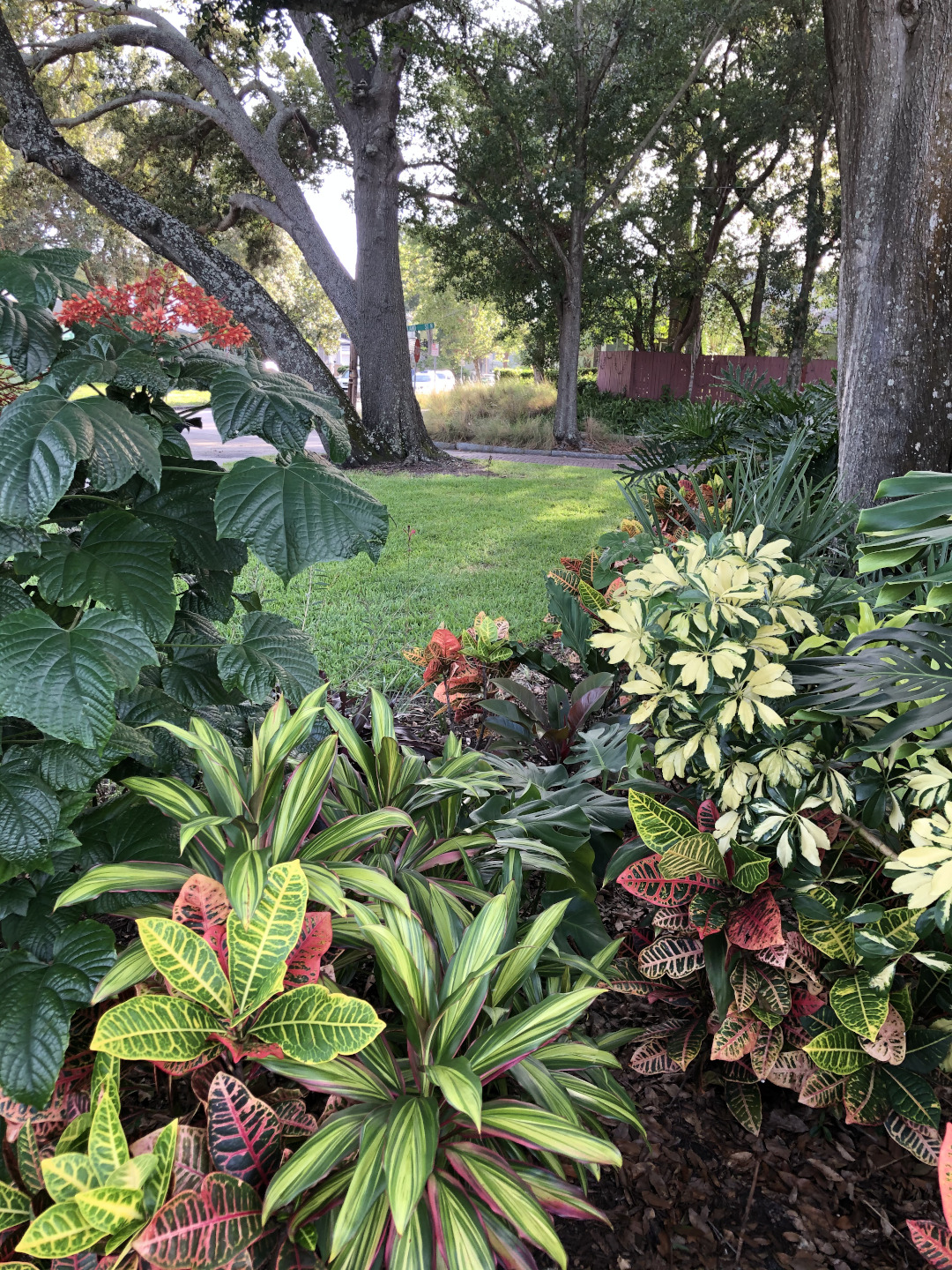
Credit: www.finegardening.com
Frequently Asked Questions
What Is The Best Low-maintenance Landscape In Florida?
The best low-maintenance landscape in Florida uses native plants like goldenrod, swamp sunflower, muhly grass, and milkweed. A rain garden controls water naturally and reduces upkeep. This Florida-friendly design thrives with minimal watering and care, fitting the state’s climate perfectly.
What Is The Easiest Plant To Grow In Florida?
Pentas is the easiest plant to grow in Florida. It blooms nonstop with red, pink, lavender, or white flowers. It requires low maintenance and thrives in Florida’s climate.
What Is The Rule Of 3 In Landscaping?
The rule of three in landscaping groups plants or elements in threes to create balance, natural flow, and visual appeal. It enhances cohesion and depth, making outdoor spaces more dynamic and harmonious. This odd-numbered design technique avoids rigid symmetry for a pleasing look.
What Is The 70/30 Rule In Gardening?
The 70/30 rule in gardening means planting 70% edible plants and 30% ornamental plants for a balanced, productive garden.
Conclusion
Choosing the best plants for Florida landscaping makes your garden thrive. Native and low-maintenance plants save water and reduce work. Grouping plants in threes adds natural balance and beauty. Bright flowers and lush greens bring color and life. Healthy plants attract birds and butterflies to your yard.
Simple choices create a welcoming and lasting outdoor space. Start with these tips to enjoy Florida’s unique climate. Your garden will grow strong and look great all year.


