Are you ready to transform your outdoor space into a vibrant, thriving garden that can handle South Florida’s unique climate? Choosing the right plants is the key to creating a beautiful landscape that stays healthy and colorful year-round.
But with so many options, it’s easy to feel overwhelmed. Don’t worry—this guide will help you discover the best plants for South Florida, ones that love the heat, humidity, and occasional storms just as much as you do. Keep reading to find out which plants will make your garden stand out, require less work, and bring lasting beauty to your home.
Your perfect South Florida garden starts here!
Credit: costafarms.com
Climate And Soil In South Florida
South Florida offers a unique environment for growing plants. The climate is warm and humid most of the year. This helps many tropical and subtropical plants thrive. Understanding the climate and soil is key to choosing the right plants for this region.
Weather Patterns
South Florida has a tropical climate. Summers are hot and rainy, with temperatures often above 90°F. Winters are mild and dry, with temperatures rarely dropping below 60°F. The rainy season lasts from May to October, bringing heavy showers and storms. This creates ideal conditions for plants that love warmth and moisture.
Strong sunlight is common throughout the year. Plants that tolerate intense sun and heat grow well here. Frost is rare but possible in some northern parts, so frost-sensitive plants need protection.
Soil Types And Preparation
South Florida’s soil varies from sandy to clayey types. Coastal areas tend to have sandy soil that drains quickly. Inland areas may have heavier clay soils that hold water longer. Many soils have low natural nutrients.
Improving soil before planting helps plants grow strong. Adding organic matter like compost boosts nutrient levels and water retention. Testing soil pH is important, as most plants prefer slightly acidic to neutral soil (pH 6.0 to 7.0). Proper soil preparation ensures healthy roots and better plant growth in South Florida’s diverse soils.
Native Plants For South Florida
Native plants play a vital role in South Florida gardens. These plants evolved naturally in the region. They thrive in local soil, heat, and rainfall. Native plants support wildlife like birds, butterflies, and bees. They need less water and care than exotic plants. Choosing native plants creates a healthy, balanced garden.
Benefits Of Native Plants
Native plants use less water, saving you time and money. They resist local pests and diseases well. These plants provide food and shelter for native animals. Their deep roots help prevent soil erosion. Native plants improve air quality and reduce pollution. They adapt easily to South Florida’s climate and weather.
Popular Native Shrubs
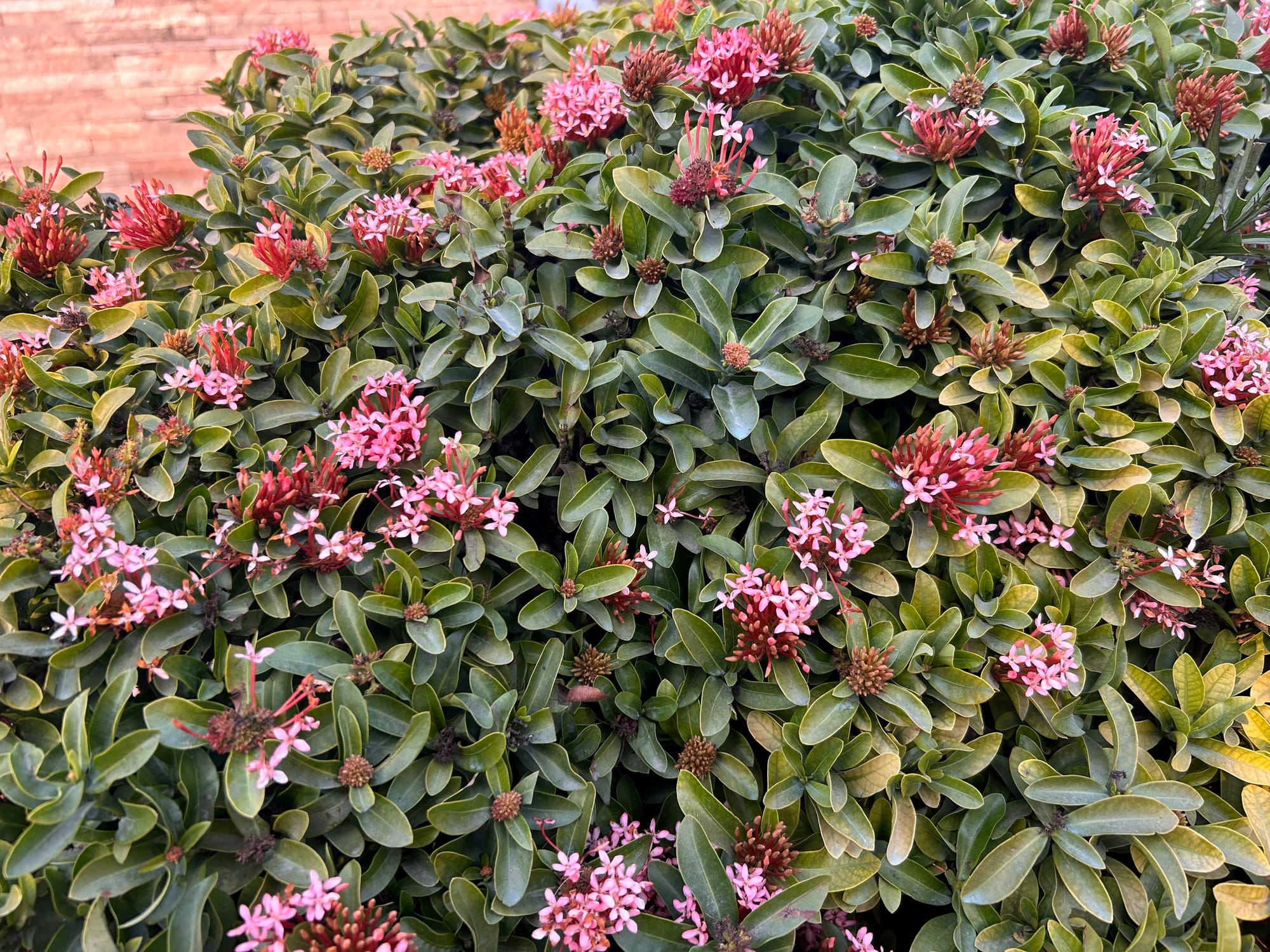
Firebush is a bright shrub with red-orange flowers. It attracts hummingbirds and butterflies. Beautyberry has purple berries that feed birds in winter. Simpson’s stopper shows white flowers and red fruit. It grows dense and offers great privacy. Saw palmetto is a low shrub with fan-shaped leaves. It is drought-tolerant and deer-resistant.
Native Trees And Palms
Live oak is a large tree with spreading branches. It provides shade and homes for wildlife. Sabal palm is Florida’s state tree with sturdy fan leaves. It fits well in many landscape styles. Redbay offers aromatic leaves and white flowers. It supports the endangered Palamedes swallowtail butterfly. Sea grape grows along coasts with round leaves and clusters of fruit.
Heat-tolerant Plants
South Florida’s hot climate demands plants that thrive under intense sun and heat. Heat-tolerant plants survive long dry spells and strong sunlight without losing their vigor. These plants bring color, texture, and life to gardens despite the harsh weather. Choosing the right heat-loving plants ensures a vibrant landscape year-round.
Flowering Perennials
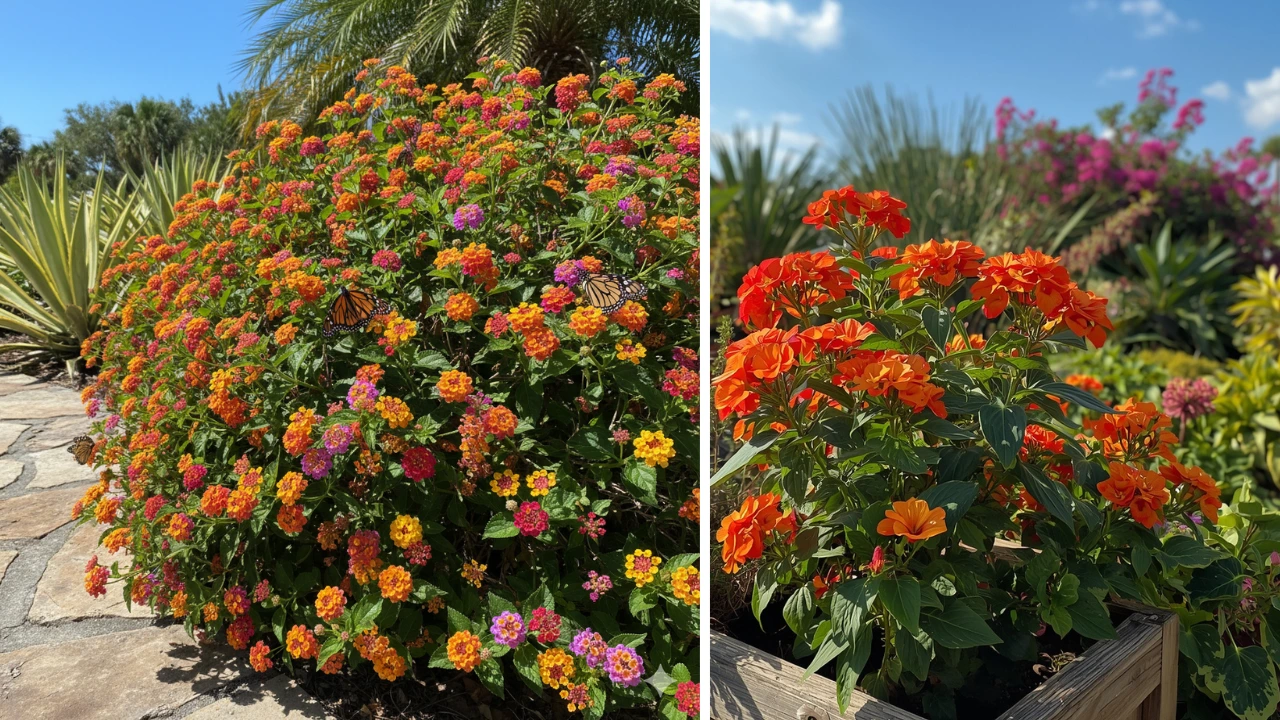
Flowering perennials brighten gardens with repeated blooms each year. Lantana is a popular choice, attracting butterflies and tolerating heat well. Hibiscus offers large, colorful flowers that stand out in sunny spots. Daylilies adapt easily and bloom in many colors. These perennials need minimal water once established, making them perfect for hot South Florida gardens.
Edible Heat-loving Crops
Edible crops that love heat provide fresh produce in warm weather. Okra grows quickly and produces abundant pods under full sun. Roselle, a tropical hibiscus, offers edible calyces used in teas and jams. Sweet potatoes thrive in hot soil and produce nutritious tubers. Planting these crops supports a garden that feeds and flourishes in heat.
Tropical And Exotic Options
Tropical plants add lush beauty to South Florida gardens. Bougainvillea shows vibrant bracts in bright sun and resists drought. Areca palms create a tropical feel with graceful fronds and heat tolerance. Coralbean produces striking red flowers that attract hummingbirds. These exotic species bring island charm and survive the hottest days with ease.
Credit: gardenvive.com
Low-maintenance Landscaping
Low-maintenance landscaping suits South Florida’s warm climate and busy lifestyles. Choosing plants that thrive with little care saves time and water. It also reduces the need for fertilizers and pesticides. This approach keeps your garden healthy and eco-friendly.
Focus on plants that handle heat, drought, and rain well. Native plants fit perfectly because they adapt naturally. They require less pruning and watering. Your garden stays beautiful with less effort.
Drought-resistant Choices
Drought-resistant plants survive long dry spells. They need little water once established. Examples include agave, yucca, and desert rosemary. These plants store water in their leaves or stems. They have deep roots to reach underground moisture. Their tough leaves reduce water loss. Drought-resistant plants add texture and color to any garden.
Rain Garden Plants
Rain garden plants help manage heavy rain and flooding. They absorb excess water and improve drainage. Native plants like swamp sunflower, goldenrod, and muhly grass work well. These plants tolerate wet conditions and dry periods. They support local wildlife like butterflies and birds. Rain gardens protect your property and create a peaceful, natural space.
Ground Covers And Mulches
Ground covers reduce weeds and soil erosion. They keep soil cool and moist. Low-growing plants like Asiatic jasmine and creeping thyme spread quickly. Mulches, such as pine bark or wood chips, protect roots and retain moisture. Together, they lower garden maintenance. Ground covers and mulches give a neat, green look all year.
Plants For Privacy And Hedges
Creating privacy and defining spaces in South Florida gardens is simple with the right plants. Choosing plants that thrive in the warm, humid climate ensures your hedge stays healthy and dense. Privacy hedges block unwanted views and reduce noise. They also add beauty and structure to outdoor areas.
Selecting plants that suit your space and maintenance needs is key. South Florida offers many options from evergreen shrubs to colorful flowering hedges. These plants handle the heat and occasional storms well. They grow quickly and provide year-round coverage, keeping your garden private and lush.
Evergreen Shrubs
Evergreen shrubs keep their leaves all year. They offer constant privacy and a green backdrop. In South Florida, plants like Podocarpus and Viburnum work well. These shrubs tolerate heat and resist pests. They grow dense, making excellent natural fences. Plus, they need little trimming once established.
Fast-growing Screeners
Fast-growing plants create privacy quickly. Bamboo and Clusia are popular choices in South Florida. Bamboo shoots up fast and blocks views with tall stalks. Clusia grows thick leaves that form a solid wall. Both plants need space to spread. They fill gaps and protect your yard from wind and noise.
Flowering Hedge Options
Flowering hedges add color while providing privacy. Hibiscus and Bougainvillea are favorites in South Florida gardens. Hibiscus blooms bright flowers and grows well in sun. Bougainvillea offers vibrant colors and thorny branches for security. These plants attract butterflies and birds, enhancing your garden’s life. They need regular pruning to keep a neat shape.
Credit: www.youtube.com
Seasonal Planting Tips
Gardening in South Florida means understanding the seasons well. Plant choices must match the changing weather. Seasonal planting helps plants grow strong and healthy. Knowing the best plants for each season makes gardening easier and more rewarding. This guide shares tips for summer, winter, and year-round planting in South Florida.
Best Plants For Summer
Summer in South Florida is hot and humid. Choose plants that love heat and sun. Hibiscus and bougainvillea bring bright colors all summer long. Lantana attracts butterflies and stands up well to dry spells. Okra and roselle are great edible options for summer gardens. These plants handle heat without wilting. Water them regularly to keep leaves fresh.
Winter-resistant Varieties
South Florida winters are mild but can be dry. Pick plants that survive cooler temperatures and less rain. Crossandra and daylilies bloom even in winter’s cooler days. Milkweed supports local butterflies and stays green through winter. Green buttonwood and coralbean shrubs add texture and color in cold months. Mulch around plants to protect roots from any chill.
Year-round Garden Planning
Plan your garden to look good all year long. Mix summer-loving plants with winter-resistant varieties. Use palms and native grasses for steady greenery. Change flower colors by planting new blooms each season. This keeps your garden lively and fresh. Rotate crops in vegetable beds to maintain soil health. A balanced garden grows strong through every season.
Pest And Disease Management
Managing pests and diseases is vital for a healthy South Florida garden. The warm and humid climate creates a perfect environment for many pests and diseases to thrive. Protecting your plants ensures they grow strong and look beautiful throughout the year.
Effective pest and disease management starts with knowing the common threats. Using natural methods helps keep your garden safe without harmful chemicals. Preventing diseases with simple strategies also improves plant health and reduces damage.
Common Pests In South Florida
South Florida gardens often face pests like aphids, whiteflies, and spider mites. These tiny insects feed on plant sap and weaken growth. Caterpillars and scale insects also cause damage by eating leaves and stems. Snails and slugs are a problem in damp areas, leaving holes in foliage. Regularly checking plants helps catch pest problems early.
Natural Pest Control Methods
Encourage beneficial insects such as ladybugs and lacewings, which eat harmful pests. Planting herbs like basil and mint can repel insects naturally. Use neem oil or insecticidal soap to control pests safely. Hand-picking larger pests like caterpillars reduces their numbers. Keeping the garden clean by removing debris lowers hiding places for pests.
Disease Prevention Strategies
Choose disease-resistant plant varieties suited for South Florida. Water plants early in the day to allow leaves to dry quickly. Avoid overhead watering to reduce fungal infections. Maintain good air circulation by spacing plants properly. Remove and discard infected leaves or plants promptly to stop disease spread. Regular soil testing helps keep plants healthy and strong.
Watering And Fertilizing
Proper watering and fertilizing help South Florida plants thrive in the warm climate. These two care steps keep plants healthy and support steady growth. Watering needs vary by plant type and season. Fertilizing supplies essential nutrients plants often lack in sandy soils.
Efficient Irrigation Practices
Use drip irrigation to deliver water directly to roots. This method saves water and reduces evaporation. Water early in the morning to limit moisture loss. Avoid watering in the heat of the day. Check soil moisture before watering to prevent overwatering. Group plants with similar water needs together for easier irrigation.
Fertilizer Recommendations
Choose a balanced fertilizer with nitrogen, phosphorus, and potassium. Apply fertilizer during the growing season for best results. Use slow-release formulas to feed plants steadily. Follow package instructions carefully to avoid burning roots. Organic options like compost or fish emulsion improve soil naturally. Fertilize native plants less often as they adapt well to local soil.
Soil Health Maintenance
Improve soil with organic matter to boost nutrient retention. Mulch around plants to keep soil moist and cool. Avoid compacting soil to maintain good root growth. Test soil every few years to check nutrient levels. Amend soil based on test results for better plant health. Healthy soil supports strong plants and reduces watering needs.
Popular Flowering Plants
South Florida’s warm climate supports a wide variety of flowering plants. These plants bring vibrant colors and life to gardens throughout the year. Many popular flowers thrive well in the heat and humidity, creating beautiful landscapes. They also attract pollinators, helping the local ecosystem flourish.
Lantana And Hibiscus
Lantana is a tough, colorful plant that blooms almost all year. It produces clusters of small flowers in yellow, orange, pink, and red. This flower attracts butterflies and bees. Lantana grows well in sunny spots and needs little water once established.
Hibiscus is famous for its large, showy flowers. Its blooms come in red, pink, yellow, and white. Hibiscus loves full sun and moist soil. It adds a tropical feel to any garden and is perfect for South Florida’s climate.
Bougainvillea And Gerbera
Bougainvillea is a climbing plant with bright, papery bracts that look like flowers. It grows fast and covers fences or walls with red, purple, or magenta colors. This plant is drought-tolerant and enjoys full sun.
Gerbera daisies offer bold, cheerful blooms in many colors. They thrive in warm weather and prefer well-drained soil. Gerberas are great for containers and garden beds, adding a splash of color.
Butterfly-attracting Species
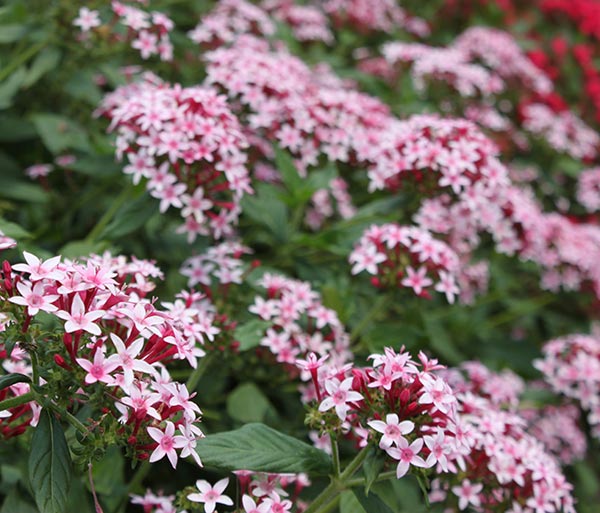
Plants that attract butterflies add movement and charm to gardens. Lantana, milkweed, and pentas are top choices. These plants provide nectar and a habitat for butterflies. They also help support local wildlife and promote biodiversity in South Florida gardens.
Palms And Tropical Trees
South Florida’s warm climate creates a perfect home for palms and tropical trees. These plants add beauty and shade to gardens and yards. They thrive in the heat and humidity. Many palms and tropical trees are native to the region. Others adapt well to the environment. Choosing the right palms and tropical trees helps create a lush, green space.
Sabal Palmetto And Cabbage Palm
The Sabal Palmetto, also called the Cabbage Palm, is Florida’s state tree. It grows tall and sturdy with fan-shaped leaves. This palm is very tough and can handle strong winds and salty air. It fits well in many landscape styles. It provides good shade and a tropical feel. The Cabbage Palm needs little care and grows slowly. It is a favorite for South Florida gardens.
Ornamental Palms
Ornamental palms add style and color to outdoor spaces. Popular choices include the Areca Palm, Pygmy Date Palm, and Foxtail Palm. These palms have different shapes and leaf patterns. They stay green year-round and fit well near patios or pools. Ornamental palms grow best in well-drained soil and full sun. They bring a tropical vibe without requiring much maintenance.
Fruit-bearing Tropical Trees
Fruit-bearing tropical trees offer beauty and fresh fruit. Mango, avocado, and papaya trees grow well in South Florida. These trees need warm weather and regular watering. They attract birds and butterflies, adding life to gardens. Fruit trees can provide shade and a source of healthy snacks. They are a practical and attractive choice for home landscapes.
Frequently Asked Questions
What Plants Are Best For South Florida?
Best plants for South Florida include lantana, hibiscus, bougainvillea, coralbean, and milkweed. These thrive in heat and humidity.
What Is The Best Low-maintenance Landscape In Florida?
The best low-maintenance landscape in Florida uses native plants like goldenrod, swamp sunflower, muhly grass, and milkweed. Rain gardens control water naturally, reducing upkeep. Choose drought-tolerant, heat-resistant species for sustainable, easy-care Florida-friendly landscaping that thrives year-round.
What Is The 70/30 Rule In Gardening?
The 70/30 rule in gardening means planting 70% edible plants and 30% ornamental plants for a balanced garden.
What Grows Well In Florida Heat?
Okra, hibiscus, bougainvillea, lantana, rosemary, and tropical fruits thrive in Florida’s heat. These plants handle sun and humidity well.
Conclusion
Choosing the right plants helps your South Florida garden thrive. Native and heat-tolerant plants save water and need less care. Colorful flowers like hibiscus and lantana attract birds and butterflies. Palms and shrubs add structure and beauty all year round.
Start small and enjoy watching your garden grow strong. With patience, your yard becomes a vibrant, natural space. Gardening in South Florida can be simple and rewarding. Happy planting!