Are you ready to transform your South Florida garden into a thriving vegetable paradise? Growing vegetables in South Florida can be both rewarding and surprisingly easy when you know which plants thrive in the heat and humidity.
Whether you have a small backyard or a spacious garden, choosing the best vegetables suited for this unique climate will help you enjoy fresh, homegrown produce all year round. In this guide, you’ll discover the top vegetables that flourish in South Florida’s warm weather, along with simple tips to keep your garden healthy and productive.
Keep reading to find out how you can make your garden the envy of the neighborhood with vibrant, tasty vegetables that love the Florida sun!
Top Vegetables For South Florida
South Florida’s warm climate offers a unique chance to grow many vegetables year-round. Choosing the right vegetables ensures a healthy and productive garden. Some vegetables handle heat well, while others prefer cooler times. Understanding which plants thrive in this region helps gardeners enjoy fresh, homegrown produce.
Heat-tolerant Choices
South Florida’s high temperatures challenge many vegetables. Sweet potatoes are excellent for hot weather. They grow quickly and resist drought. Peppers also love the heat, making colorful and spicy additions. Okra thrives in warmth and produces abundant pods. These plants remain strong even during the hottest months.
Leafy Greens That Thrive
Leafy greens often struggle with heat but some do well here. Kale grows best in cooler months but tolerates some warmth. Collard greens remain healthy with proper watering. Mustard greens grow fast and add peppery flavor. Swiss chard is another tough green that handles sun and heat. Plant these in fall or winter for best results.
Root Vegetables To Plant
Root vegetables need loose soil and steady moisture. Radishes grow quickly and mature in about a month. Carrots prefer cooler weather but can grow in South Florida’s fall and winter. Beets produce both roots and edible leaves. Sweet potatoes are root vegetables that flourish in heat. These options add variety and nutrition to any garden.
Nightshades And Others
Nightshades like tomatoes and eggplants do well in South Florida’s climate. Tomatoes grow best in fall and winter to avoid summer heat stress. Eggplants love warmth and produce glossy fruits. Other good choices include cucumbers and beans. These plants benefit from regular watering and some shade during the hottest hours.
Best Planting Seasons
Choosing the right planting season is key for growing healthy vegetables in South Florida gardens. The climate here allows for multiple planting windows. Understanding these seasons helps you get the best yield. Each season offers unique benefits and challenges for vegetable growth.
Timing your planting correctly also helps avoid pests and diseases. It ensures plants receive the right amount of sunlight and water. South Florida’s warm climate supports diverse crops year-round. Let’s explore the best planting seasons and how to manage your garden through them.
Fall Planting Benefits
Fall is the best season to start many vegetables in South Florida. Cooler temperatures reduce heat stress on plants. Soil remains warm, promoting strong root growth. This season also lowers pest pressure compared to summer months. Vegetables like tomatoes, peppers, and leafy greens thrive in fall. Fall planting leads to higher quality and better-tasting produce. It also allows plants to mature before the hot, dry season begins.
Year-round Gardening Tips
Gardening is possible throughout the year in South Florida. Choose heat-tolerant vegetables for summer planting, like sweet potatoes and peppers. Use shade cloths to protect young plants from intense sun. Rotate crops to keep soil healthy and reduce pests. Water plants early in the morning to reduce evaporation. Mulching helps keep soil moist and cool during hot months. Planning your garden with seasonal crops ensures steady harvests all year.
Managing Rain And Humidity
South Florida’s high humidity and frequent rains can cause garden problems. Good drainage is essential to prevent root rot and fungal diseases. Plant vegetables on raised beds or mounds to improve water flow. Space plants properly to increase air circulation. Remove dead leaves and debris that trap moisture. Use organic fungicides if needed to protect crops. Managing moisture helps keep plants healthy and productive in this humid climate.
Soil And Climate Tips
Gardening in South Florida offers unique challenges due to its soil and climate. Understanding these factors helps grow healthy vegetables. The following tips focus on soil quality and climate management to boost your garden’s success.
Improving Soil Quality
South Florida soil tends to be sandy and low in nutrients. Adding organic matter like compost enriches the soil. This improves water retention and provides essential nutrients. Regularly testing soil pH keeps it balanced for vegetable growth. Aim for a slightly acidic to neutral pH (6.0 to 7.0). Mulching helps retain moisture and keeps weeds down. Good soil supports strong roots and healthy plants.
Dealing With Salt And Sandy Soil
Salt buildup is common near coastal areas and harms plants. Flush the soil with fresh water to reduce salt levels. Choose salt-tolerant vegetables such as tomatoes and peppers. Sandy soil drains quickly, causing water loss. Add organic materials like peat moss to hold moisture. Raised beds improve drainage and soil structure. Proper soil care prevents stress on plants from salt and sand.
Managing Heat And Sun Exposure
South Florida’s heat and strong sun can stress vegetables. Provide shade during the hottest part of the day using shade cloths or garden structures. Water plants early morning or late evening to reduce evaporation. Mulch around plants to keep roots cool and moist. Select heat-tolerant vegetables like sweet potatoes and peppers. Managing heat protects plants and encourages steady growth.

Credit: floridafruitgeek.com
Watering And Fertilizing
Watering and fertilizing are essential for healthy vegetable gardens in South Florida. Proper watering keeps plants hydrated without wasting water. Fertilizing supplies nutrients that vegetables need to grow strong and produce well. Both practices help plants handle the region’s heat and humidity.
Efficient Watering Practices
Water vegetables deeply but less often. This encourages roots to grow strong. Use drip irrigation or soaker hoses to deliver water directly to the soil. Avoid watering leaves to reduce disease risk. Water early in the morning to minimize evaporation. Check soil moisture regularly to prevent overwatering or drought stress.
Choosing Fertilizers For Vegetables
Select fertilizers based on vegetable type and soil needs. Balanced fertilizers with nitrogen, phosphorus, and potassium work well. Follow package instructions for amounts and timing. Too much fertilizer can burn plants or reduce yield. Test soil to understand nutrient levels before applying fertilizers.
Organic Nutrient Options
Organic fertilizers improve soil health and feed plants slowly. Compost, manure, and worm castings add nutrients and improve texture. Fish emulsion and seaweed extracts provide trace minerals. Organic options reduce chemical buildup and support beneficial soil microbes. Use organic matter regularly for best results.
Pest And Disease Control
Controlling pests and diseases is essential for a healthy South Florida vegetable garden. The warm, humid climate encourages many pests and fungal problems. Gardeners must stay alert and use effective methods to protect their plants. Proper care helps vegetables grow strong and yields improve.
Common Pests In South Florida
South Florida gardens face several common pests. Aphids suck plant sap and weaken vegetables. Whiteflies spread plant viruses and cause yellowing leaves. Spider mites create tiny webs and damage leaves by feeding on them. Caterpillars chew holes in leaves and fruits. Slugs and snails thrive in damp conditions and eat tender plants.
Natural Pest Control Methods
Natural pest control keeps the garden safe and eco-friendly. Introducing ladybugs and lacewings helps reduce aphids and whiteflies. Neem oil sprays act as a natural insect repellent. Insecticidal soap removes soft-bodied pests like mites and aphids. Handpicking caterpillars and slugs is an easy way to lower their numbers. Crop rotation confuses pests and stops their buildup.
Preventing Fungal Diseases
Fungal diseases grow easily in South Florida’s humid weather. Proper watering helps prevent fungal growth. Water plants early in the day to let leaves dry. Use mulch to reduce soil splashing on plants. Avoid overcrowding plants for good air circulation. Remove infected leaves quickly to stop disease spread. Fungicide sprays can protect plants if applied early.
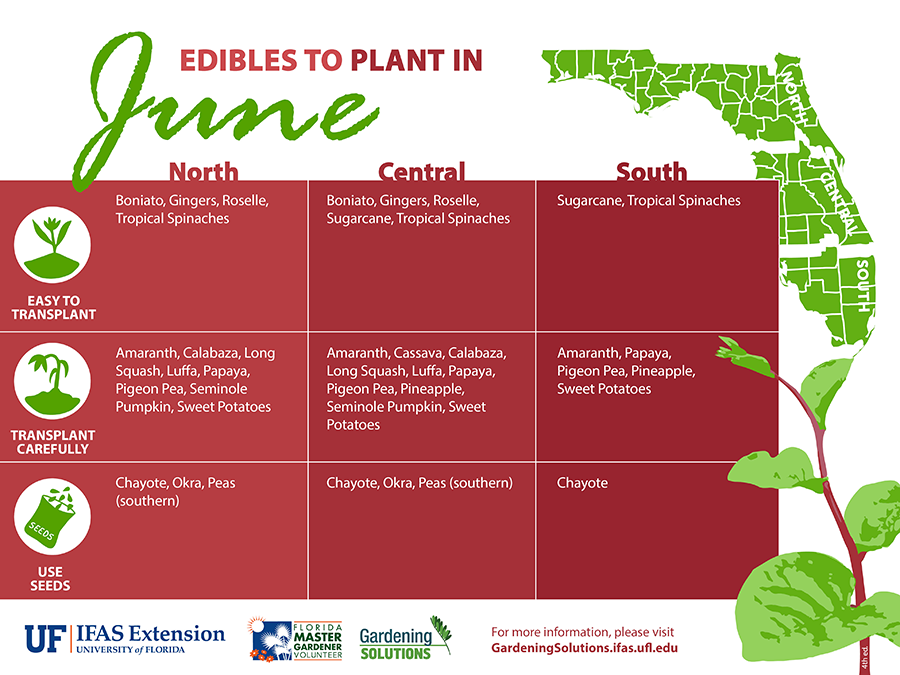
Credit: gardeningsolutions.ifas.ufl.edu
Local Nurseries And Resources
South Florida offers a rich environment for growing vegetables. Local nurseries and gardening resources support gardeners with plants suited for the climate. Finding the right plants is easier with nearby experts and community centers. These places provide healthy seedlings and valuable advice. They help gardeners succeed with vegetables that thrive in South Florida.
Where To Buy Plants
Local nurseries offer a wide variety of vegetable plants. They carry heat-tolerant varieties perfect for South Florida gardens. Nurseries like Flamingo Road Nursery and Tree Amigos Growers have strong reputations. Their staff can guide you to the best plants for your space. Buying plants locally ensures freshness and regional suitability.
Community Gardening Centers
Community gardening centers provide more than plants. They offer workshops and advice for all skill levels. These centers encourage sharing knowledge about vegetable growing. They often host events to promote sustainable gardening. Visiting a community garden helps build connections with other local gardeners.
Online Gardening Support
Online forums and websites offer valuable tips for South Florida gardeners. Local extension services share guides specific to the climate. You can find planting calendars and pest management advice online. Social media groups connect gardeners to share experiences. Online support complements hands-on help from nurseries and centers.
Success Tips For Gardeners
Gardening in South Florida offers a unique set of challenges and rewards. Success depends on smart planning and care. Understanding local conditions helps gardeners grow healthy vegetables. Follow these tips to improve your garden’s productivity and health.
Companion Planting Ideas
Companion planting means growing certain plants together. Some plants protect others from pests naturally. For example, planting basil near tomatoes improves flavor and keeps bugs away. Marigolds repel nematodes and attract beneficial insects. Beans add nitrogen to the soil, helping leafy greens grow better. Use companion plants to reduce pests and boost growth without chemicals.
Crop Rotation Benefits
Crop rotation means changing plant families in garden beds each season. It prevents soil nutrient depletion and reduces disease build-up. Growing tomatoes followed by beans adds nutrients back to soil. Rotate root vegetables with leafy plants to avoid pests. This practice keeps soil healthy and plants strong. Crop rotation also improves yield and reduces the need for fertilizers.
Harvesting And Storage Tips
Harvest vegetables at their peak for best taste and nutrition. Pick leafy greens early in the morning when cool. Use sharp tools to avoid damaging plants during harvest. Store vegetables properly to extend freshness. Leafy greens keep well in damp paper towels inside the fridge. Root vegetables last longer in cool, dark places. Proper harvesting and storage reduce waste and keep your garden productive.
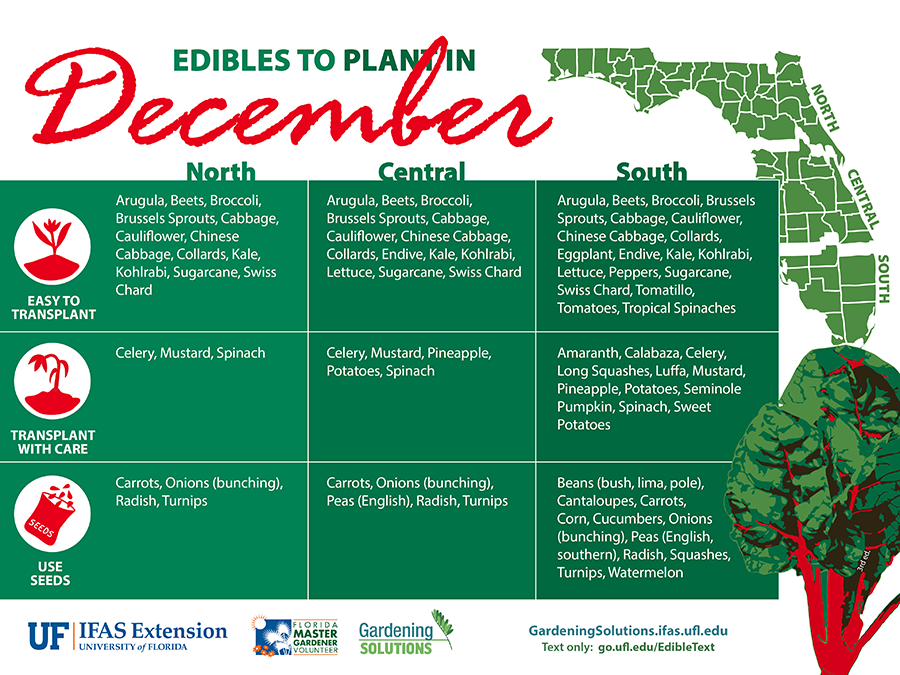
Credit: gardeningsolutions.ifas.ufl.edu
Frequently Asked Questions
What Is The Easiest Vegetable To Grow In South Florida?
Kale, lettuce, green onions, peppers, radishes, spinach, sweet potatoes, and tomatoes grow easily in South Florida’s warm climate.
When Should I Start A Vegetable Garden In South Florida?
Start a vegetable garden in South Florida anytime, but fall offers ideal cooler temperatures and reduced pests. Plant heat-tolerant vegetables like peppers and sweet potatoes year-round.
What Are The Best Heat Tolerant Plants In Florida?
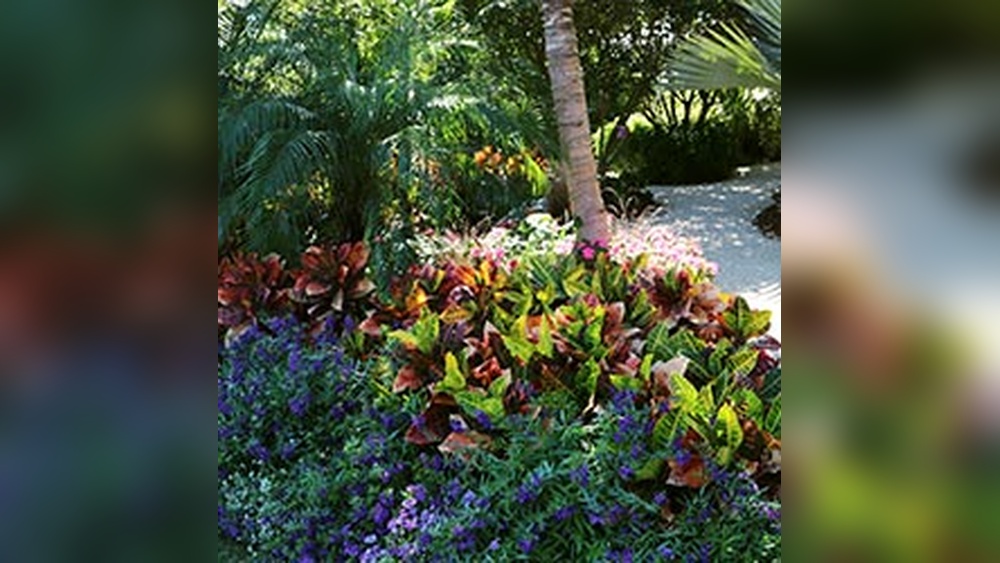
Best heat-tolerant plants in Florida include firebush, hibiscus, crotons, succulents, palms, plumbago, calliandra, and euphorbia. These thrive in Florida’s intense sun and heat.
What Are The Most Heat Tolerant Vegetables?
Sweet potatoes, peppers, okra, eggplant, and Swiss chard tolerate heat well. These vegetables thrive in hot climates and resist heat stress effectively.
Conclusion
Choosing the best vegetables for South Florida gardens boosts your harvest. Plants like sweet potatoes, peppers, and kale thrive in the heat. Start planting in fall for the best growth and yield. Healthy soil and regular watering keep plants strong and productive.
Growing your own vegetables brings fresh flavors and saves money. Enjoy the process and watch your garden flourish all year round.