If you want to bring more color and life to your garden in Central Florida, attracting butterflies is a fantastic way to do it. Butterflies not only add beauty but also play a vital role in pollination.
But how do you make your outdoor space a butterfly magnet? The secret lies in choosing the right plants. By planting specific flowers and host plants suited for Central Florida’s climate, you can create a welcoming haven for these delicate creatures.
You’ll discover the best plants that attract butterflies, how to care for them, and easy tips to turn your garden into a fluttering paradise. Ready to see your garden come alive with wings? Keep reading!
Nectar Plants For Butterflies
Butterflies need nectar plants for food and energy. These plants produce sweet nectar that adult butterflies love. Planting nectar-rich flowers helps attract many butterfly species to your garden. In Central Florida, certain plants thrive and offer great nectar sources.
Choosing the right nectar plants supports local butterflies throughout the year. These plants also add color and life to your garden. Below are some of the best nectar plants to grow in Central Florida for butterflies.
Blue Porterweed
Blue Porterweed has small, bright blue flowers that bloom in clusters. It is a favorite of many butterflies and attracts them easily. This plant grows well in sunny spots and handles Florida’s heat. It blooms for a long time, providing nectar all season.
Firespike
Firespike features tall spikes of red tubular flowers. Butterflies are drawn to its bright color and rich nectar. It prefers partial shade and moist soil, making it perfect for shaded garden areas. Firespike blooms from spring to fall, giving butterflies a steady food source.
Lantana
Lantana is a hardy, colorful plant with clusters of small flowers in various shades. Butterflies love the sweet nectar it produces. It tolerates heat and dry conditions well, ideal for Central Florida gardens. Lantana blooms almost all year, attracting butterflies continuously.
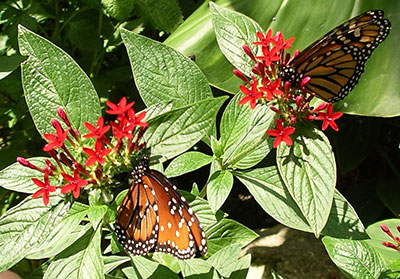
Pentas
Pentas has star-shaped flowers that bloom in pink, red, or white. This plant is known to attract many butterfly species. It grows best in full sun and well-drained soil. Pentas provides nectar from spring through fall, making it a reliable butterfly magnet.
Butterfly Bush
Butterfly Bush is a classic nectar plant with long flower spikes in purple, pink, or white. It draws butterflies with its strong scent and abundant nectar. In Florida, it needs good care to avoid pests. Plant it in sunny spots for the best bloom and butterfly visits.
Credit: environmentamerica.org
Host Plants For Caterpillars
Host plants play a crucial role in the life cycle of butterflies. Female butterflies lay their eggs on these plants. The caterpillars then feed on the leaves. Without host plants, caterpillars cannot grow into butterflies. Choosing the right host plants helps support local butterfly populations. In Central Florida, certain plants work best as host plants for caterpillars.
Milkweed Varieties
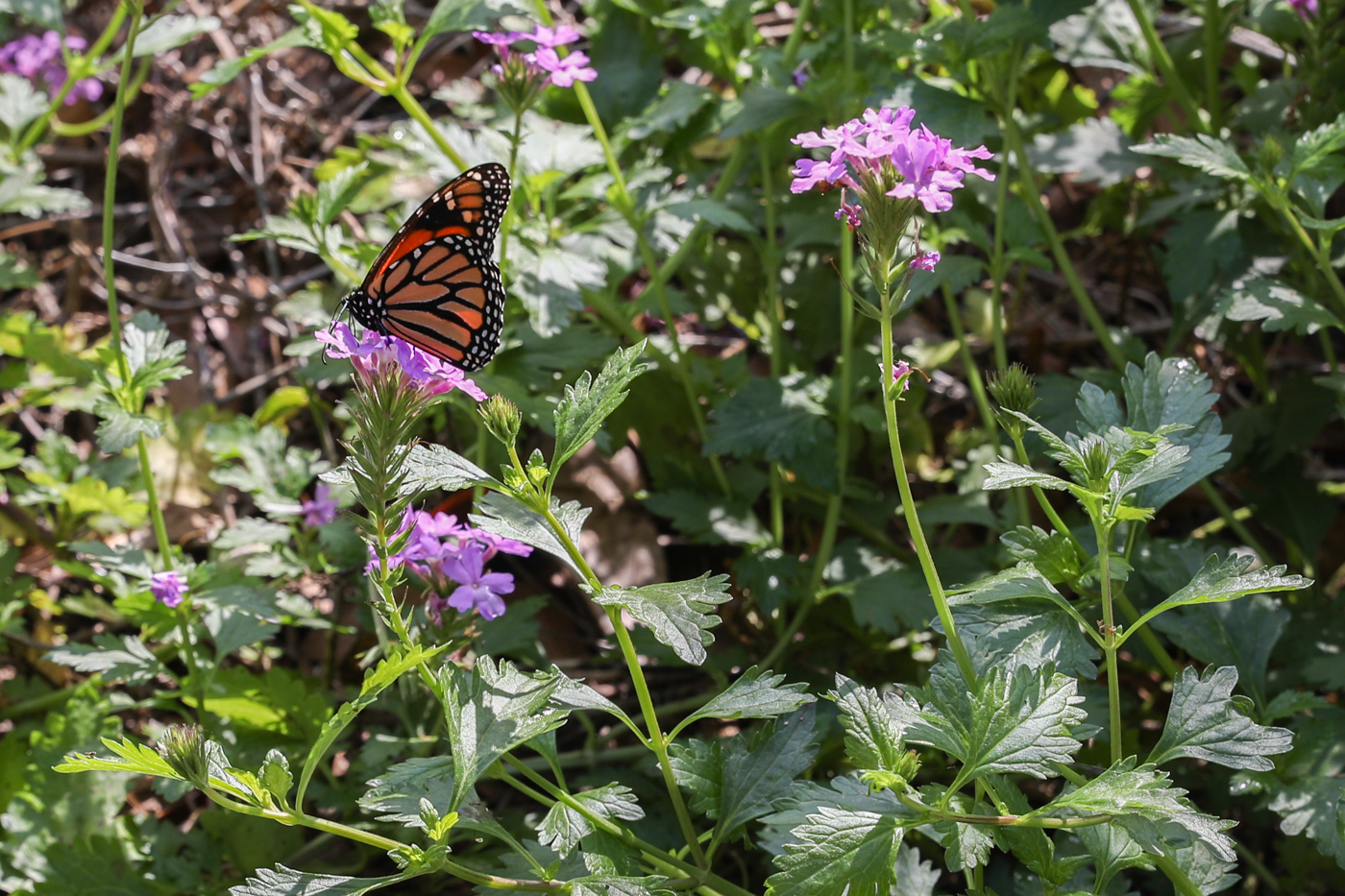
Milkweed is the primary host plant for Monarch butterfly caterpillars. It provides essential nutrients for their growth. Native milkweed varieties like Swamp Milkweed thrive well in Central Florida’s climate. Tropical Milkweed also attracts Monarchs but needs cutting back in cooler months. This helps maintain the natural migration cycle. Planting milkweed supports Monarch populations and adds beauty to your garden.
Passionflower
Passionflower is a favorite host plant for Gulf Fritillary caterpillars. These vines produce bright flowers that attract butterflies. The leaves serve as food for the caterpillars. Passionflower grows well in warm, sunny spots common in Central Florida. Adding passionflower to your garden encourages Gulf Fritillary butterflies to lay eggs. This creates a lively, colorful butterfly habitat.
Planting Tips For Butterfly Gardens
Creating a butterfly garden in Central Florida requires careful planting. Proper planning helps butterflies find food and shelter easily. Follow these tips to build a garden that attracts many butterflies.
Grouping Plants
Plant the same species in clusters of three or more. Groups create a strong visual signal for butterflies. They also make feeding easier for butterflies flying by. Clusters hold more nectar and provide better shelter.
Variety And Bloom Times
Choose flowers that bloom at different times. This ensures nectar is available all year. Include plants that bloom in spring, summer, and fall. A steady supply of flowers keeps butterflies visiting your garden regularly.
Choosing Native Species
Pick native plants suited to Central Florida’s climate. Native plants support local butterfly species better than non-natives. They require less care and attract more butterflies. Examples include Swamp Milkweed and Passionflower.
Supporting Monarch Butterflies
Monarch butterflies need special care to thrive in Central Florida. Their survival depends on the availability of certain plants. Supporting these butterflies means planting the right host and nectar plants. Milkweed plays a key role in their life cycle. It provides food for caterpillars and helps adult butterflies lay eggs. Gardeners can help Monarchs by planting native milkweed and understanding their migration patterns.
Milkweed Care
Milkweed is the main food source for Monarch caterpillars. Plant native types like Swamp Milkweed for best results. Choose a sunny spot with well-drained soil. Water young plants regularly until established. Avoid pesticides, as they harm Monarchs and other pollinators. Cut back Tropical Milkweed in late fall to prevent disease and support migration. Milkweed blooms attract adult butterflies with nectar. Keep plants healthy by removing dead leaves and flowers.
Migration Considerations
Monarchs travel thousands of miles during migration. They need reliable food sources along the way. Planting milkweed helps provide safe stops for egg laying. Avoid planting non-native milkweed that stays green year-round. It can confuse butterflies and stop migration. Remove old milkweed in winter to encourage natural cycles. Provide nectar plants that bloom during migration seasons. This support helps Monarchs complete their journey safely.
Common Challenges In Florida Gardens
Gardening in Central Florida offers unique joys and challenges. The warm climate supports many plants but also brings pests and weather stress. Butterfly gardens must face these issues to thrive.
Understanding common problems helps gardeners choose the right plants. This knowledge protects the butterflies and keeps the garden healthy. Two key challenges are pests on popular butterfly plants and adapting to Florida’s climate.
Pests On Butterfly Bush
The Butterfly Bush attracts many butterflies but also pests. Aphids are common and can damage leaves and flowers. These small insects suck plant juices and weaken growth. Spider mites also attack during hot, dry periods. They create tiny webs and cause leaf spots. Regular checks and natural predators help control these pests. Using insecticidal soap is a safe option to protect butterflies.
Climate Adaptations
Central Florida’s climate is hot and humid most of the year. Plants must tolerate heat, heavy rain, and occasional drought. Butterfly plants that adapt well include Lantana and Pentas. These plants survive heat and provide nectar for butterflies. Choosing native species improves success as they are used to local conditions. Mulching helps retain soil moisture and reduces stress. Watering deeply but less often encourages strong roots.
Credit: www.flawildflowers.org
Credit: gardeningsolutions.ifas.ufl.edu
Frequently Asked Questions
What Is The Best Plant For Butterflies In Florida?
The best butterfly plants in Florida include Milkweed, Passionflower, Blue Porterweed, Lantana, Pentas, and Firespike. These provide nectar and host support for various butterfly species. Plant native varieties in groups to attract and sustain butterflies effectively throughout the seasons.
How To Create A Butterfly Garden In Central Florida?
Plant native nectar flowers like Blue Porterweed, Lantana, and Pentas in groups. Include host plants such as Milkweed and Passionflower for caterpillars. Provide diverse blooms that flower from spring to fall. Maintain sunlight, water, and avoid pesticides to support butterflies year-round in Central Florida.
Will Butterfly Bush Grow In Central Florida?
Butterfly bush can grow in central Florida but may face pest issues. It thrives best with well-drained soil and full sun. Consider planting native nectar plants like Lantana or Pentas for a healthier butterfly garden.
What Plant Attracts Butterflies The Most?
Milkweed attracts Monarch butterflies most, serving as a vital host plant. Lantana, Pentas, and Butterfly Bush also draw many butterfly species effectively.
Conclusion
Planting the best flowers brings butterflies close to your garden. Choose native plants like Milkweed and Passionflower for caterpillars. Group flowers in clusters to provide abundant nectar. Different colors and heights keep butterflies visiting longer. Healthy butterflies help pollinate and brighten your outdoor space.
A simple garden can turn into a lively butterfly haven. Start small and watch nature’s beauty unfold right outside. Your garden will become a peaceful spot full of fluttering wings. Enjoy the colorful visitors and the calm they bring.