
Are you struggling to keep your garden thriving near Florida’s salty coasts? Salt in the soil and air can be tough on many plants, leaving your outdoor space looking dry and lifeless.
But what if you could choose plants that not only survive but flourish despite salty conditions? Imagine a vibrant garden full of lush palms, colorful flowers, and sturdy shrubs that withstand Florida’s unique challenges. In this guide, you’ll discover the best salt tolerant plants perfectly suited for Florida’s climate.
Whether you want shade, color, or privacy, these plants will help you create a beautiful, resilient landscape that stands strong against salt’s harsh effects. Keep reading to find the perfect picks for your garden and turn your outdoor space into a coastal paradise.

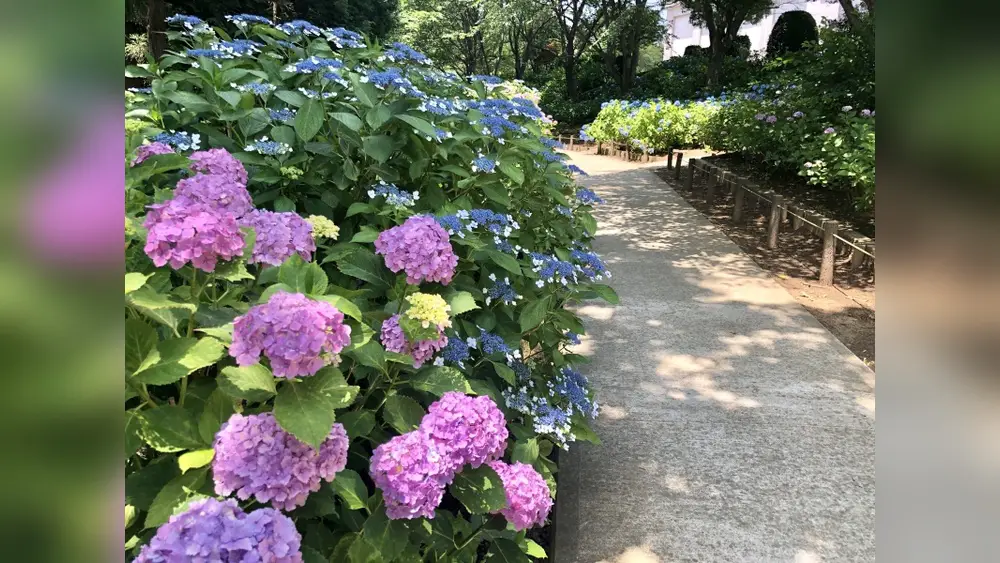
Credit: livingcolorgardencenter.net
Native Salt-tolerant Trees
Native salt-tolerant trees are essential for Florida’s coastal landscapes. These trees withstand salty air and soil. They help prevent erosion and provide shelter for wildlife. Selecting native species supports local ecosystems and reduces maintenance needs. Here are some of the best native salt-tolerant trees for Florida.
Cabbage Palm
The Cabbage Palm, or Sabal palmetto, is Florida’s state tree. It thrives in salty conditions and sandy soils. This palm grows tall and has a sturdy trunk. Its broad leaves create good shade. The Cabbage Palm requires little water once established.
Saw Palmetto
Saw Palmetto, known as Serenoa repens, grows low and wide. It tolerates salty winds and dry soil. This palm has spiky leaves that protect it from animals. Saw Palmetto produces small berries that attract birds. It works well in coastal gardens and natural areas.
Sea Grape
Sea Grape (Coccoloba uvifera) is a large shrub or small tree. It has thick, leathery leaves that resist salt damage. Sea Grape produces grape-like fruits that birds enjoy. This tree thrives on beaches and dunes. Its roots help stabilize sandy soil.
Buttonwood
Buttonwood, or Conocarpus erectus, grows as a shrub or tree. It tolerates salty air and wet soil. Buttonwood has glossy green leaves and small white flowers. It often grows in mangrove areas. This tree is useful for creating windbreaks along coasts.
Gumbo Limbo
Gumbo Limbo (Bursera simaruba) is known as the “tourist tree” for its peeling red bark. It grows well in salty and dry conditions. This fast-growing tree provides shade and habitat for wildlife. Gumbo Limbo adds color and texture to coastal landscapes.
Popular Coastal Palms
Coastal palms add a tropical and resilient touch to Florida’s salty landscapes. These palms thrive near the ocean where salt spray and sandy soils challenge most plants. Their ability to tolerate salt makes them perfect for beachside gardens and coastal properties. They also provide shade and enhance the natural beauty of the area. Below are two popular coastal palms favored by gardeners in Florida.
Washington Palm
The Washington Palm, also called Washingtonia, is a tall and graceful palm. It grows well in salty air and sandy soil. This palm has fan-shaped leaves that create a wide canopy. It can reach heights of up to 60 feet. Washington Palms are low-maintenance and withstand strong coastal winds. They add a classic palm look to Florida’s beaches and streets.
Black Olive Tree
The Black Olive Tree, or Bucida buceras, is a strong and fast-growing tree. It has dark green leaves and a broad shape. This tree tolerates salty soils and salty air very well. It also provides good shade with its dense foliage. Black Olive Trees are often used as windbreaks along the coast. Their hardiness makes them a reliable choice for salt-prone areas.
Flowering Shrubs For Salt Areas
Flowering shrubs that tolerate salty conditions thrive in Florida’s coastal areas. These plants brighten landscapes with vibrant blooms and resist salt spray and salty soil. They suit gardens near the ocean or in salty air zones. Choose shrubs that stay healthy and colorful despite salt exposure.
Many flowering shrubs adapt well to Florida’s salt-prone environments. They need minimal care and add beauty all year. Here are some of the best flowering shrubs for salt areas in Florida.
Hibiscus
Hibiscus plants produce large, colorful flowers that attract hummingbirds. They tolerate salty winds and coastal soil well. Hibiscus blooms in red, pink, yellow, and white shades. They add a tropical look to any garden space.
Lantana
Lantana is a hardy shrub with clusters of small, bright flowers. It handles salty soil and drought easily. Butterflies love lantana’s blooms, making it great for wildlife gardens. Its vibrant colors range from orange to purple.
Bougainvillea
Bougainvillea is known for its bright, papery bracts that look like flowers. This shrub thrives in salty and sunny conditions. It grows as a bush or vine and blooms in pink, purple, and red. It adds dramatic color to coastal yards.
Firebush
Firebush has fiery red-orange flowers that attract birds and butterflies. It tolerates salt spray and poor soils well. This shrub stays green year-round and grows quickly. Firebush brightens landscapes with its lively blooms.
Plumeria
Plumeria produces fragrant, waxy flowers in white, pink, and yellow. It resists salty air and coastal winds. Plumeria is popular for tropical and beach-style gardens. Its sweet scent adds a relaxing vibe.
Oleander
Oleander is a tough shrub that grows well in salty coastal areas. It blooms with clusters of pink, red, or white flowers. Oleander requires little water once established. It provides colorful privacy screens or hedges.
Seaside Rose
Seaside Rose is a salt-tolerant rose variety perfect for coastal gardens. It produces fragrant pink or white blossoms. This shrub withstands salty winds and sandy soils. It adds classic beauty and scent near the shore.
Credit: gardenvive.com
Sun-loving Salt-tolerant Plants
Sun-loving salt-tolerant plants thrive in Florida’s coastal and sandy areas. These plants handle intense sunlight and salty soil well. They add color and life to tough landscapes. Their resilience makes them perfect for gardens near the beach or salty winds.
Beach Sunflower
The Beach Sunflower brightens any sunny coastal garden. It grows well in sandy, salty soil. This plant blooms with cheerful yellow flowers. It attracts butterflies and bees, adding life to your garden. Beach Sunflower needs little water once established. It spreads easily, covering ground quickly. This plant resists salt spray and strong winds. It is a low-maintenance choice for sunny spots.
Pentas
Pentas are vibrant flowers that love the sun. Their clusters of star-shaped blooms come in red, pink, and white. Pentas thrive in salty air and hot sun. They attract hummingbirds and butterflies. These plants need well-drained soil and regular watering. Pentas bloom almost all year in Florida. They add bright color to coastal landscapes. Their salt tolerance makes them ideal for seaside gardens.
Grasses And Groundcovers
Grasses and groundcovers form the foundation of salt-tolerant landscapes in Florida. These plants handle salty air and soil with ease. They prevent erosion and add texture and color to coastal gardens. Their low maintenance needs make them ideal for beachside properties. Here are some of the best choices for salt-tolerant grasses and groundcovers.
Muhly Grass
Muhly grass is a beautiful ornamental grass with pinkish-purple blooms. It thrives in sandy, salty soils common near the coast. This grass grows in clumps and reaches up to four feet tall. Muhly grass is drought-resistant and requires little care once established. Its airy flowers sway with the breeze, adding movement to the landscape.
Sea Oats
Sea oats are iconic grasses seen on Florida beaches. They help stabilize sand dunes and protect shorelines from erosion. Sea oats grow tall, with golden seed heads that attract birds. They tolerate salt spray and poor soils well. Planting sea oats is a natural way to support coastal ecosystems and maintain beach health.
Creeping Fig
Creeping fig is a fast-growing groundcover that clings to walls and fences. It spreads quickly, covering bare spots and stabilizing soil. This plant tolerates salty winds and thrives in warm Florida climates. Creeping fig’s small, dense leaves create a lush green carpet. It’s perfect for shady areas needing erosion control.
Drought And Salt-resistant Plants
Drought and salt-resistant plants thrive in tough Florida environments. These plants save water and handle salty soil with ease. They offer beauty and strength to coastal and dry gardens. Choosing the right plants helps create a lasting landscape.
Many drought and salt-tolerant plants have thick leaves or waxy coatings. These features help them hold water and resist salt damage. Their deep roots reach water far below the surface. Such plants need less care and survive harsh weather.
Agave
Agave is a strong succulent perfect for dry, salty spots. It stores water in its thick leaves. Agave plants have sharp, pointed leaves that grow in a rosette pattern. They need little water and sun to grow well. Agave also adds a unique, architectural look to gardens.
Its tough nature helps it resist salt spray and drought. Agave requires minimal maintenance, making it ideal for busy gardeners. This plant attracts pollinators like bats and hummingbirds when it blooms. It thrives in sandy, well-drained soils common in Florida.
Rosemary
Rosemary is a fragrant herb that tolerates heat and salt well. It grows as a shrub with needle-like leaves. Rosemary needs full sun and well-drained soil to flourish. It survives dry spells due to its drought resistance. This herb adds flavor to food and beauty to gardens.
Rosemary’s strong scent helps repel some pests naturally. It blooms with small blue flowers, attracting bees. Its salt tolerance makes it suitable for coastal Florida gardens. Rosemary is easy to grow and can be used fresh or dried in cooking.
Benefits Of Salt-tolerant Plants In Florida Gardens
Salt-tolerant plants bring many benefits to Florida gardens. They survive harsh coastal conditions and salty soil. These plants help create beautiful, strong landscapes that last. Their unique traits support the environment and reduce garden care.
Choosing salt-tolerant plants means less worry about salt damage. Gardeners can enjoy vibrant plants without constant replacement. These plants also play a role in protecting the natural habitat and wildlife.
Coastal Resilience
Salt-tolerant plants withstand salty wind and soil near the ocean. They help prevent erosion by holding soil in place. Their deep roots stabilize sandy beaches and shorelines. These plants act as natural barriers during storms and high tides. Their presence supports the health of coastal ecosystems.
Low Maintenance
These plants require less watering and fertilizing. They thrive in poor, salty soils where other plants fail. Gardeners save time and money on plant care. Salt-tolerant plants resist pests and diseases better in coastal areas. Their hardiness makes them ideal for beginners and busy gardeners.
Wildlife Support
Salt-tolerant plants provide food and shelter for birds, bees, and butterflies. Flowers attract pollinators that help the entire garden grow. Fruits and seeds feed local wildlife throughout the year. These plants create a balanced environment for native animals. Supporting wildlife enriches Florida’s natural beauty and biodiversity.

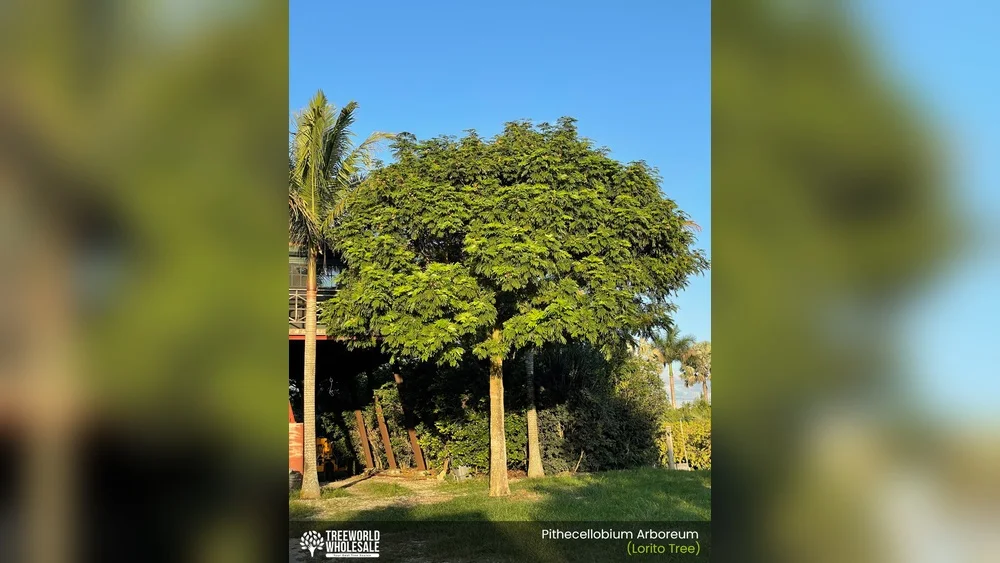
Credit: treeworldwholesale.com
Tips For Growing Salt-tolerant Plants
Growing salt-tolerant plants in Florida can be rewarding and sustainable. These plants survive harsh coastal conditions with salty soil and strong winds. Understanding how to prepare soil, water properly, and place plants correctly helps them thrive. Follow these simple tips for healthy, vibrant growth in your garden.
Soil Preparation
Start by testing your soil’s salt level. Flush the soil with fresh water if salt is high. Add organic matter like compost to improve soil texture and drainage. This helps reduce salt buildup and supports root health. Avoid heavy clay soils that hold salt near the roots.
Watering Practices
Use fresh water to rinse salt from leaves and soil surface. Water deeply but less often to encourage strong roots. Avoid overwatering, which can increase salt concentration near roots. Morning watering reduces evaporation and salt stress on plants.
Plant Placement
Place salt-tolerant plants away from direct ocean spray if possible. Use natural barriers like fences or hedges to block salty winds. Group plants with similar salt needs together for easier care. Choose sunny spots since many salt-tolerant plants require full sun.
Frequently Asked Questions
What Plants Are Salt Resistant In Florida?
Salt-resistant plants in Florida include cabbage palm, saw palmetto, sea grape, hibiscus, lantana, bougainvillea, sea oats, buttonwood, and gumbo limbo. These natives and popular choices thrive in salty coastal environments and tolerate salt spray and sandy soils effectively.
Which Plant Is The Most Tolerant To Salty Conditions?
The cabbage palm (Sabal palmetto) is the most tolerant plant to salty conditions. It thrives in coastal environments. Saw palmetto and Washington palm also show high salt tolerance. These native plants resist salt spray and salty soils effectively, making them ideal for salty landscapes.
What Plants Can Survive In The Heat In Florida?
Florida heat-tolerant plants include cabbage palm, saw palmetto, sea grape, hibiscus, lantana, bougainvillea, and sea oats. These natives thrive in hot, salty conditions.
What Is The Best Low-maintenance Landscape In Florida?
The best low-maintenance landscape in Florida features native, salt-tolerant plants like cabbage palm, saw palmetto, sea grape, and bougainvillea. These plants thrive in heat, salty soil, and require minimal watering and care, ensuring a resilient, beautiful, and easy-to-manage garden.
Conclusion
Choosing salt-tolerant plants helps your Florida garden thrive near the coast. These plants survive salty soil and strong winds well. Palms, shrubs, and grasses each add beauty and strength. Native species like cabbage palms and sea grapes fit perfectly. Bright flowers like hibiscus and lantana bring color.
You can create a healthy, vibrant landscape with ease. Salt-tolerant plants need less care and resist harsh conditions. Start planting these hardy species for lasting coastal charm. Your garden will stay green and lively year-round.