

If you’re ready to start planting in Gainesville, Florida, knowing the best seeds to choose can make all the difference. Gainesville’s long, subtropical growing season means you have plenty of options—but picking the right seeds ensures your garden thrives year-round.
Whether you want vibrant flowers, fresh vegetables, or fragrant herbs, planting the right seeds tailored to Gainesville’s unique climate will give your garden a strong start. Keep reading to discover which seeds will grow best in your area and how to arrange them for a beautiful, balanced garden that you’ll love coming back to.
Gainesville Climate And Zones
Understanding Gainesville’s climate and planting zones is essential for selecting the best seeds. Gainesville features a unique subtropical climate. This climate supports a wide range of plants and vegetables. Knowing the growing season and hardiness zones helps gardeners plan successful planting schedules. It also ensures plants thrive year-round.
Subtropical Growing Season
Gainesville has a long growing season due to its subtropical climate. Winters are mild and short, allowing early planting of many crops. Summers are hot and humid, supporting warm-season vegetables and flowers. The frost-free period lasts about 10 months. This extended season gives gardeners a chance to grow multiple crops annually. Plants like tomatoes, peppers, and beans flourish during this time. Cold-sensitive plants can grow without much risk of frost damage.
Usda Hardiness Zone Details
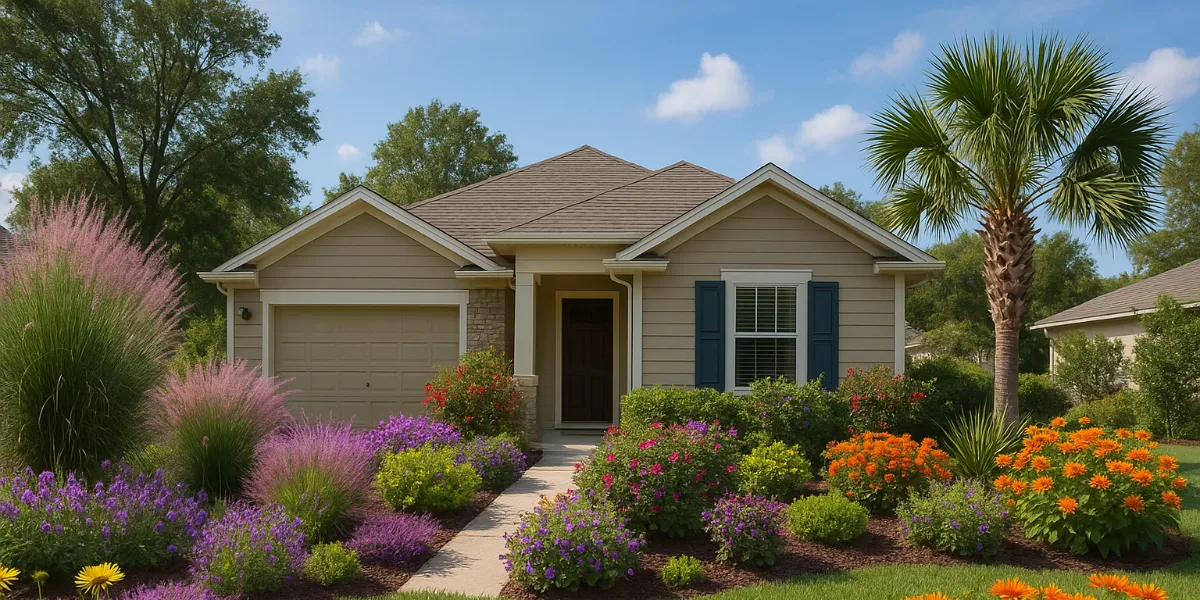
Gainesville lies mainly in USDA Hardiness Zone 8b. This zone means the average minimum winter temperature ranges from 15 to 20 degrees Fahrenheit. Some areas may be closer to Zone 9a, with slightly warmer winters. Plants must tolerate occasional brief cold spells but not severe freezes. Zone 8b allows growing many subtropical and temperate plants. Choosing seeds rated for this zone improves survival and growth rates. Understanding your zone guides plant selection and care routines.
Credit: www.lawnscapeofcentralfl.com
Top Seeds For Vegetables
Choosing the right vegetable seeds is key for a successful garden in Gainesville, Florida. The area’s subtropical climate offers a long growing season. This allows a variety of vegetables to grow well throughout the year.
Some vegetables handle cooler weather better, while others need warmth to thrive. Selecting seeds that match Gainesville’s climate ensures better growth and harvest. Here are the top seeds for vegetables suitable for this region.
Frost-hardy Varieties
Frost-hardy vegetables survive Gainesville’s mild winters. These include kale, spinach, and broccoli. They grow well in cooler months and provide fresh greens when other plants rest. Peas and carrots also do well in early spring or late fall. Plant these seeds in late fall or early spring for best results.
Frost-tender Varieties
Frost-tender vegetables need warm soil and air to grow. Tomatoes, peppers, and cucumbers fit this group. These plants thrive in Gainesville’s hot summer months. Plant their seeds after the last frost date, usually in March or April. Beans and squash also belong here and grow fast during warm weather.
Best Planting Times
Plant frost-hardy seeds from October to February. This timing uses cooler temperatures for strong growth. Start frost-tender seeds indoors in late winter. Move them outside after the danger of frost passes. This is usually by mid-March. For a year-round garden, rotate these planting times.
Ideal Seeds For Herbs
Herbs add fresh flavors and aromas to any garden or kitchen. Choosing the right seeds for Gainesville, Florida, ensures herbs thrive in the warm, humid climate. Select herbs that can handle the subtropical weather and long growing season. Both perennial and annual herbs suit different gardening needs and spaces. Planting the right type guarantees a steady supply of fresh herbs year-round or seasonally.
Perennial Herb Choices
Perennial herbs grow back every year, saving time and effort. Rosemary flourishes in Gainesville’s sunny, well-drained soil. Thyme is tough and drought-resistant, perfect for local conditions. Mint grows quickly but needs space or pots to prevent spreading. Oregano thrives in warm weather and adds flavor to many dishes. Sage prefers full sun and tolerates heat well. These herbs provide a lasting harvest with minimal care.
Annual Herb Options
Annual herbs complete their life cycle in one season, offering variety and quick growth. Basil is a favorite for fresh leaves and grows fast in Gainesville. Cilantro prefers cooler months and adds zest to many recipes. Dill grows well with plenty of sunlight and regular watering. Parsley takes a bit longer but rewards with a steady harvest. Plant annuals each season for fresh herbs and to complement perennials in the garden.
Credit: www.flawildflowers.org
Flower Seeds That Thrive
Choosing the right flower seeds is key for a beautiful garden in Gainesville, Florida. The warm climate and long growing season support many vibrant flowers. Selecting seeds that thrive here ensures healthy growth and bright blooms. Focus on native wildflowers and heat-tolerant annuals for best results.
Native Wildflowers
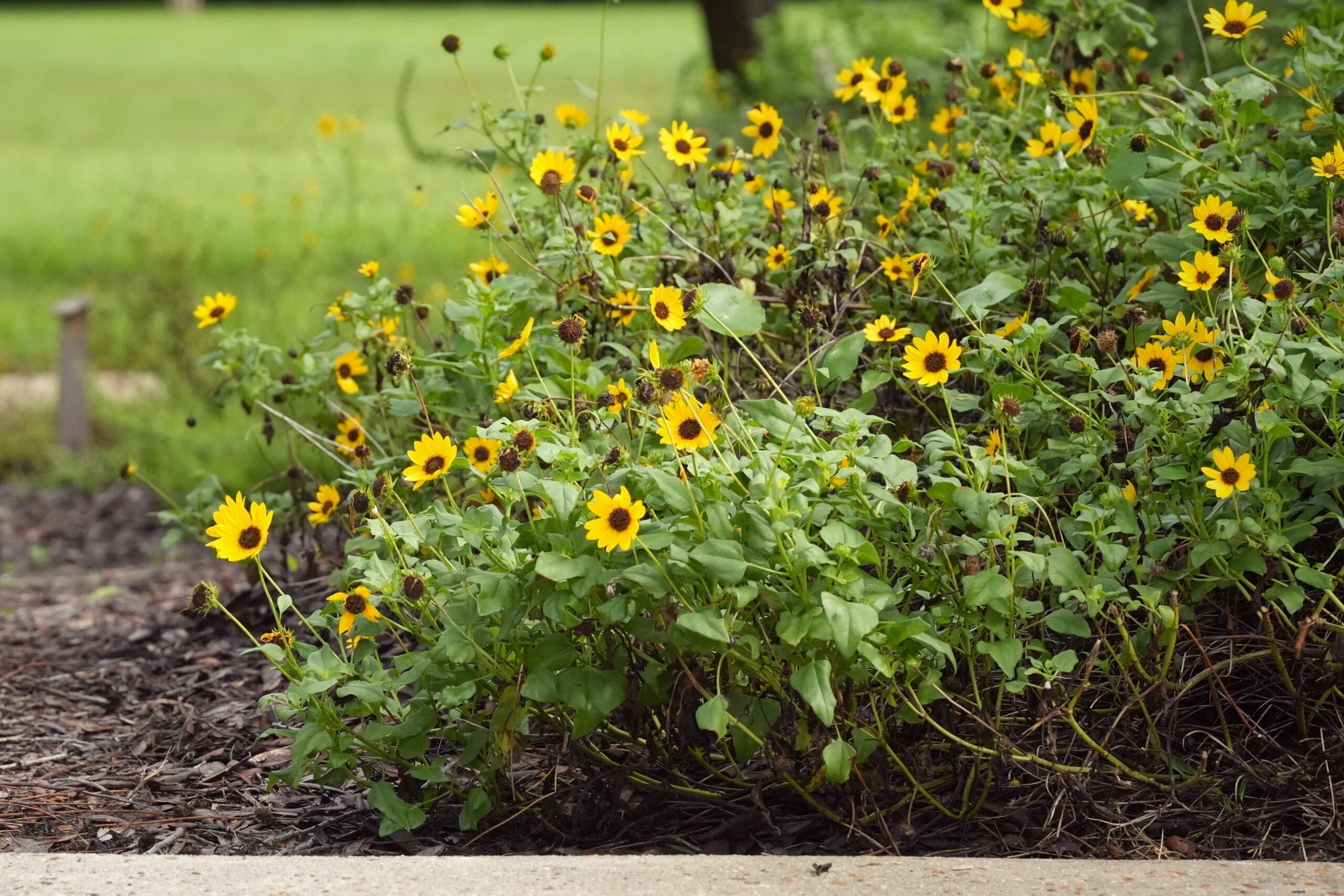
Native wildflowers grow well in Gainesville’s soil and weather. They need less water and care than non-natives. Examples include Black-eyed Susan, Coreopsis, and Blanket Flower. These plants attract pollinators like bees and butterflies. Their natural resilience makes them ideal for a low-maintenance garden. Planting native wildflowers helps support local wildlife and keeps your garden lively.
Heat-tolerant Annuals
Heat-tolerant annuals bloom all summer in Gainesville’s hot sun. Marigolds, Zinnias, and Sunflowers are excellent choices. They add bright colors and grow quickly from seeds. These flowers handle heat and occasional dry spells well. Regular watering helps them stay healthy during dry periods. Annuals provide vibrant color and fresh blooms year after year.
Fruit Seeds And Seedlings
Growing fruit from seeds and seedlings is a rewarding way to enjoy fresh produce in Gainesville, Florida. The subtropical climate allows many fruit varieties to thrive with proper care. Selecting the right fruit seeds and seedlings ensures healthy growth and a bountiful harvest.
Choosing seeds suited for the local climate helps plants resist pests and diseases. It also promotes faster growth and better fruit quality. Start with varieties known to perform well in Gainesville’s warm, humid environment.
Citrus Varieties
Citrus trees flourish in Gainesville’s climate. Popular types include oranges, lemons, limes, and grapefruit. These trees need well-drained soil and full sun to produce juicy fruits. Planting seedlings rather than seeds often gives quicker fruit production. Seedlings are easier to care for and more likely to grow strong.
Consider planting varieties like Valencia orange or Meyer lemon. They tolerate Gainesville’s heat and occasional cold snaps. Regular watering and fertilizing help these trees thrive. Citrus trees also add a lovely fragrance and color to your garden.
Berry Bush Options
Berry bushes are excellent for small spaces and containers. Blueberries, blackberries, and strawberries grow well in Gainesville. Blueberries need acidic soil, so amend the soil before planting. Blackberries are hardy and produce abundant fruit with minimal care.
Strawberries grow quickly and offer sweet, tasty berries. Plant berry seedlings for faster fruiting. These bushes attract birds and pollinators, boosting garden health. Mulch around the plants to retain moisture and reduce weeds.
Applying The Rule Of Three
The rule of three is a simple yet powerful design trick for gardens. It helps create balance and natural beauty by grouping plants in threes. This method avoids the stiffness of even numbers and adds visual interest. Using three plants together can highlight colors, shapes, and heights effectively. This rule works well in Gainesville’s subtropical climate, making your garden look more inviting and lively.
Plant Grouping Techniques
Group your plants in sets of three to mimic nature’s randomness. Choose three of the same species or mix different ones for variety. Planting in odd numbers feels more relaxed and organic. Place the three plants close but with enough space to grow. This helps each plant stand out without overcrowding.
Combining Colors And Heights
Use the rule of three to play with colors and plant heights. Pick three plants with contrasting or matching colors for a striking effect. Arrange them by height: tallest at the back, medium in the middle, and shortest in front. This layering creates depth and keeps the garden interesting from every angle. Color and height combos work well with Gainesville’s sunlight and long growing season.
Repeating Patterns For Impact
Repeat your groups of three throughout the garden for a unified look. Repetition helps guide the eye and ties different areas together. Use the same trio of plants or switch up colors and textures slightly. This technique creates rhythm and balance across your outdoor space. It makes your garden feel bigger and more connected.
Soil And Watering Tips
Successful seed planting in Gainesville, Florida depends greatly on soil quality and proper watering. These two factors work together to help seeds sprout and grow strong plants. Understanding how to prepare the soil and manage watering can improve your garden’s health and yield.
Soil Preparation For Seeds
Start by testing your soil to check its pH and nutrient levels. Gainesville soils often benefit from added organic matter like compost. This improves soil texture and drainage. Loosen the soil to a depth of about 6 inches to help roots spread easily. Remove rocks, weeds, and debris that can block seed growth. Mix in balanced fertilizer to supply essential nutrients. Well-prepared soil creates a healthy environment for seeds to germinate quickly.
Watering Best Practices
Water seeds gently and evenly after planting to keep the soil moist but not soaked. Use a fine spray or drip irrigation to avoid washing seeds away. During the first few weeks, water daily if the weather is hot and dry. Reduce watering once seedlings grow strong roots and leaves. Avoid overwatering as it can cause seed rot and fungal problems. Early morning watering is best to reduce evaporation and leaf diseases. Proper watering helps seeds grow into healthy plants.
Pest And Disease Resistance
Pest and disease resistance is key for healthy gardens in Gainesville, Florida. Plants that resist pests and diseases grow stronger and need less chemical help. This saves time and protects the environment. Choosing the right seeds helps gardeners avoid common problems in the subtropical climate. This section covers how to pick resistant varieties and natural ways to control pests.
Selecting Resistant Varieties
Choose seeds labeled as pest or disease resistant. These plants have natural defenses. They handle Gainesville’s warm, humid weather better. Resistant varieties reduce the chance of damage and loss. Look for local seed suppliers who know the area’s common pests. Popular resistant seeds include certain tomatoes, beans, and squash types. Planting these saves effort and increases garden success.
Natural Pest Control Methods
Use natural methods to protect plants from pests. Encourage beneficial insects like ladybugs and lacewings. They eat harmful bugs and keep the garden balanced. Plant flowers such as marigolds to repel pests naturally. Regularly remove damaged leaves and weeds to stop disease spread. Mulch helps keep soil healthy and pests away. These simple steps reduce the need for harsh chemicals and keep your garden safe.
Credit: goodgrow.com
Frequently Asked Questions
What Planting Zone Is Gainesville, Florida?
Gainesville, Florida is in USDA Plant Hardiness Zone 8b. It features a long, subtropical growing season ideal for diverse plants.
What Is The Rule Of 3 In Gardening?
The rule of three in gardening means grouping plants or elements in odd sets of three. It creates natural, balanced, and visually appealing designs. Use different plant varieties with varied heights and repeat trios throughout the garden for cohesion and depth.
When Should You Start Seeds In Florida?
Start seeds indoors in Florida 6-8 weeks before the last frost date, usually from January to March. Direct sow warm-season seeds after March.
What Seeds To Plant In Florida In September?
Plant warm-season crops like okra, southern peas, sweet potatoes, and elephant garlic in Florida this September. Start fall greens such as kale, collards, mustard, and spinach. Herbs like cilantro and parsley also thrive now. Choose disease-resistant varieties for best results in Florida’s subtropical climate.
Conclusion
Choosing the best seeds for Gainesville, Florida, helps your garden thrive. Select plants that suit the subtropical climate and long growing season. Grouping seeds in sets of three adds balance and interest. Use a mix of colors, heights, and textures for a lively garden.
Plant regularly and watch your garden grow healthy and strong. With the right seeds and care, your Gainesville garden will flourish beautifully. Start planting today and enjoy nature’s gifts all year round.