Are you thinking about planting hedges in Florida but unsure when to start? Choosing the right time can make all the difference between healthy, thriving hedges and struggling plants.
Florida’s unique climate means you need to be strategic about when you plant to give your hedges the best chance to grow strong and full. You’ll discover the best seasons to plant hedges, what types of hedges work well in Florida, and simple tips to ensure your green barriers flourish year-round.
Keep reading to find out how to get the timing just right for your perfect hedge!
Planting Seasons In Florida
Florida’s warm climate allows for flexible hedge planting throughout the year. Choosing the right season helps your plants grow strong and healthy. Understanding each planting season’s benefits guides you to success.
Different seasons offer unique advantages. Knowing these can save time and effort. Let’s explore the best times to plant hedges in Florida.
Fall Planting Benefits
Fall is ideal for planting many hedge types in Florida. The soil stays warm while the air cools down. This combination helps roots grow deeply and quickly. Plants get a full winter to establish before summer heat arrives. Fall planting reduces watering needs in the hot months. It is best for evergreen and bare-root plants. Planting from mid-autumn to early winter works well.
Spring Planting Advantages
Spring offers another good window for planting hedges. The cooler weather and spring rains support root growth. Early spring planting lets roots develop before the heat of summer. This timing helps plants focus energy on new leaves and shoots. Spring planting suits container-grown hedges and bare-root plants. Start before new growth appears for best results.
Year-round Container Planting
Container-grown hedges can be planted any time in Florida. They are flexible but need careful watering, especially in summer. Containers protect roots and allow easy transplanting. Year-round planting suits gardeners who want constant green privacy. Watch soil moisture closely to avoid stress. Regular watering helps plants thrive in all seasons.

Credit: jungleplants.com
Choosing The Right Hedge
Choosing the right hedge is key to a beautiful and lasting landscape in Florida. The state’s warm climate offers many planting options. Selecting plants that fit your space and lifestyle saves time and effort. Consider factors like growth rate, maintenance needs, and appearance. This ensures your hedge thrives throughout the year.
Best Low-maintenance Hedges
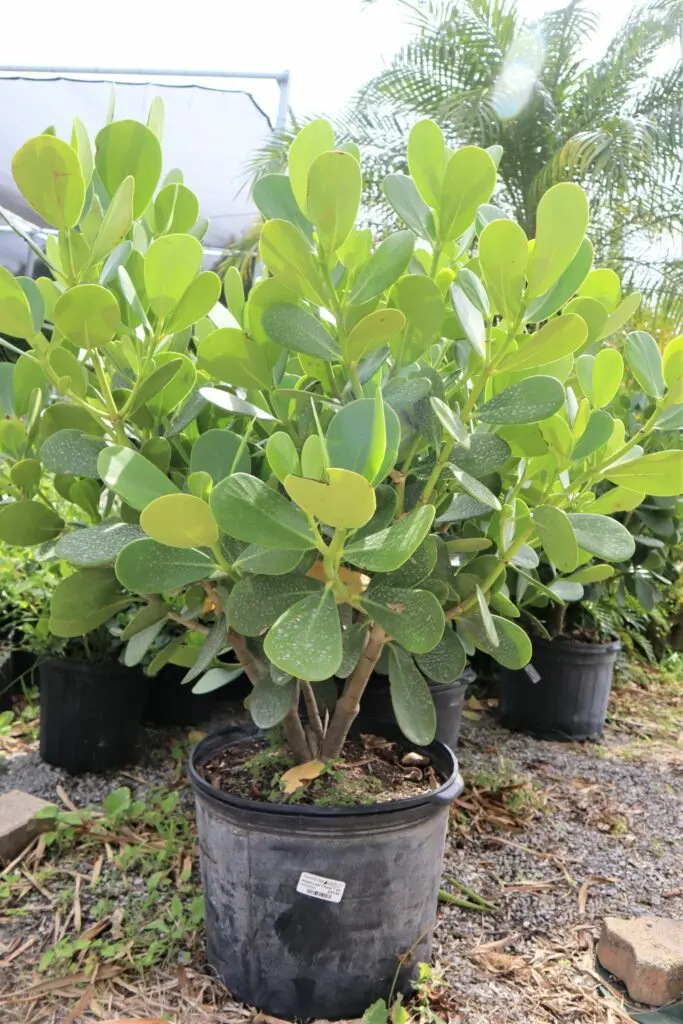
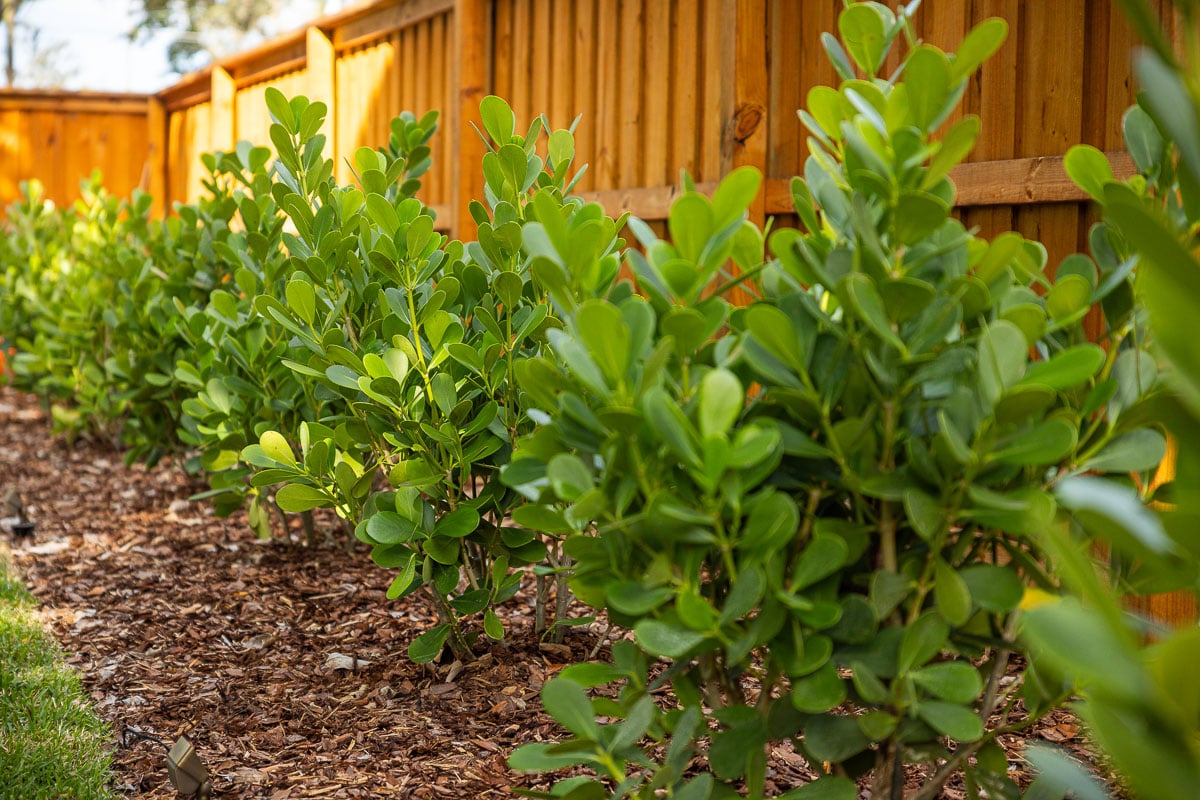
Low-maintenance hedges suit busy gardeners well. Plants like Clusia and Podocarpus grow thick and strong with little care. These hedges tolerate heat, drought, and occasional pruning. They keep your yard neat without much work. Choosing such plants means fewer worries about watering or trimming.
Evergreen Vs Deciduous Options
Evergreen hedges keep their leaves year-round, providing constant privacy. Examples include boxwood and holly. Deciduous hedges lose leaves in winter but often flower in spring. Crepe myrtle is a popular deciduous choice. Decide if you want year-round coverage or seasonal changes to guide your selection.
Native Vs Non-native Plants
Native plants adapt well to Florida’s soil and climate. They require less water and resist local pests. Examples are wax myrtle and Simpson’s stopper. Non-native plants can add variety but may need more care. Select natives for sustainability and non-natives for unique looks. Balance both for a healthy, beautiful hedge.
Soil And Climate Factors
Soil and climate greatly influence the success of planting hedges in Florida. Understanding these factors helps choose the best planting time. Soil quality affects root growth and plant health. Climate impacts how well hedges adapt and thrive. These elements guide gardeners to plant at the right moment for strong, healthy hedges.
Ideal Soil Conditions
Florida soils vary from sandy to clay types. Well-drained soil is best for most hedges. Loose, fertile soil encourages roots to spread. Avoid heavy clay that holds water and drowns roots. Testing soil pH helps select suitable plants. Most hedges prefer slightly acidic to neutral soil. Adding organic matter improves soil texture and nutrients.
Climate Zones In Florida
Florida has different climate zones from north to south. Northern Florida has mild winters and hot summers. Central Florida experiences warmer temperatures year-round. Southern Florida is tropical with little temperature change. Knowing your zone helps pick plants that survive local weather. Some hedges handle heat better, while others tolerate cooler spells. Match plants to your climate zone for best results.
Frost And Waterlogging Considerations
Frost can damage young hedge plants in northern parts. Plant after the last frost date to avoid cold damage. Southern Florida rarely sees frost, allowing year-round planting. Waterlogging harms roots by limiting oxygen. Avoid planting in low spots or after heavy rains. Good drainage prevents root rot and disease. Proper site selection ensures hedge health and growth.
Credit: rockledgegardens.com
Planting Techniques
Planting hedges in Florida requires careful techniques to ensure healthy growth. Proper methods help plants develop strong roots and thrive in the warm climate. Follow these steps for successful hedge planting.
Preparing The Planting Site
Clear the area of weeds, grass, and debris. Loosen the soil to a depth of about 12 inches. Mix in organic compost to improve soil quality. This helps retain moisture and provides nutrients for the plants. Make sure the site drains well to avoid waterlogging.
Proper Spacing And Depth
Space hedge plants according to their mature size. Crowding causes poor air circulation and weak growth. Dig holes twice as wide and just as deep as the root ball. Plant each hedge at the same soil level it grew in the container. Planting too deep or shallow can harm the roots.
Watering And Mulching Tips
Water hedges immediately after planting to settle the soil. Keep the soil moist but not soggy during the first few weeks. Apply a 2 to 3-inch layer of mulch around the base. Mulch retains moisture and controls weeds. Avoid piling mulch against the stems to prevent rot.
Maintenance Tips
Proper maintenance keeps your Florida hedges healthy and attractive year-round. Regular care helps hedges grow dense and strong. It also prevents common problems like pests and diseases. Follow these simple tips for pruning, pest control, and fertilizing to maintain your hedges.
Pruning And Shaping Hedges
Trim hedges at least twice a year to keep their shape. Early spring and late summer are good times for pruning. Use sharp tools to avoid damaging branches. Cut back new growth to encourage thick foliage. Remove dead or diseased branches promptly. Avoid heavy pruning during extreme heat to reduce stress.
Pest And Disease Management
Inspect hedges regularly for signs of pests or diseases. Look for discolored leaves, holes, or sticky residue. Use insecticidal soap or neem oil to treat infestations naturally. Remove infected leaves to stop spread. Keep the area around hedges clean to reduce pest hiding spots. Proper watering also helps prevent disease.
Fertilizing Schedules
Feed hedges with balanced fertilizer in early spring and mid-summer. Use slow-release formulas for steady nutrient supply. Avoid over-fertilizing, which can burn roots and cause weak growth. Water plants well after applying fertilizer to help absorption. Adjust feeding based on hedge type and soil quality. Healthy soil supports strong, green hedges.
Design Ideas For Hedges
Designing hedges in Florida offers many creative options. Hedges can shape your garden, add beauty, and create privacy. Choosing the right design enhances your outdoor space. Simple ideas can make a big impact. Consider plant placement, height, and style for best results.
Using The Rule Of Three
Planting hedges in groups of three creates a natural look. This odd number arrangement adds balance and depth. It avoids a stiff, uniform appearance. Use three plants of the same type or mix similar ones. This method draws the eye and adds rhythm to the garden.
Creating Privacy Screens
Hedges are perfect for blocking views and noise. Tall, dense plants form effective privacy screens. Choose fast-growing species that suit Florida’s climate. Regular trimming keeps the hedge neat and tight. Position screens near patios or windows for extra comfort.
Mixing Plant Types For Visual Interest
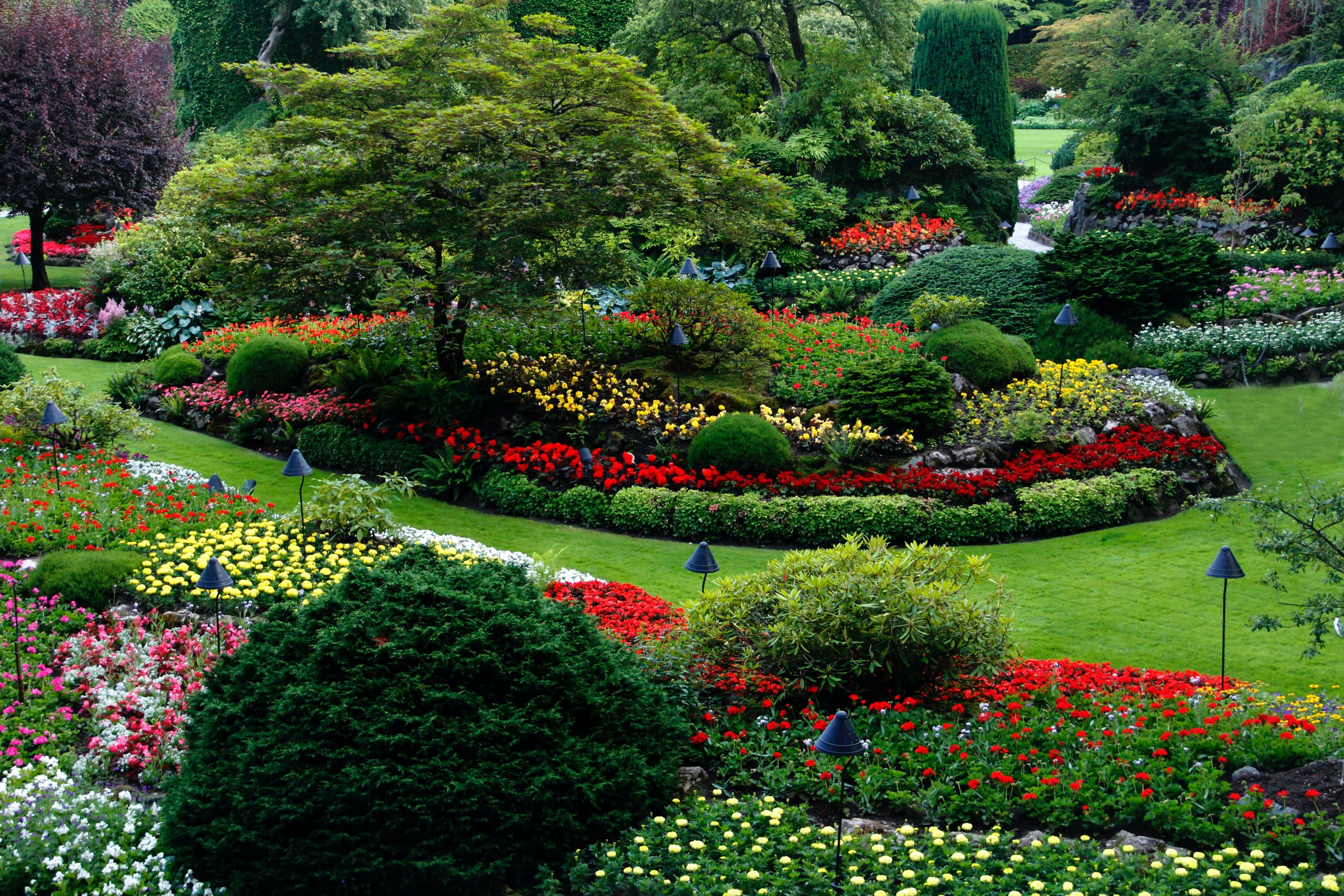
Combining different hedge plants adds color and texture. Use evergreens with flowering shrubs for year-round appeal. Vary leaf shapes and sizes to create contrast. Mixing plants also supports local wildlife and pollinators. This approach makes your hedge lively and unique.
Credit: www.groundsource.pro
Frequently Asked Questions
What Is The Easiest Hedge To Maintain In Florida?
Clusia is the easiest hedge to maintain in Florida. It grows fast, tolerates drought, and thrives in warm, sunny climates.
What Is The Best Month To Plant A Hedge?
The best month to plant a hedge is typically October or November. Cooler temperatures and moist soil help roots establish well. Early spring, before new growth appears, also works in colder climates. Avoid planting in frozen or waterlogged ground for best results.
What Is The Rule Of 3 In Landscaping?
The rule of 3 in landscaping uses odd-numbered groupings, especially sets of three, for balanced, natural visual appeal. It applies to plants, hardscaping, and colors, making outdoor spaces dynamic and harmonious.
Is October Too Late To Plant Shrubs?
October is not too late to plant shrubs. Cooler temperatures and moist soil help roots establish before winter. Avoid planting if the ground is frozen or waterlogged. Container-grown shrubs can be planted anytime with extra watering. Early fall is ideal for evergreens.
Conclusion
Planting hedges in Florida works best during cooler, moist months. Fall offers warm soil and cooler air, helping roots grow strong. Early spring also suits planting before new growth begins. Container plants can go in anytime but need extra water in summer.
Avoid planting in soggy or frozen soil. Choosing the right time boosts your hedge’s health and growth. Plan your planting carefully for a green, full hedge all year. This simple timing advice helps your Florida garden thrive.