
Are you thinking about adding a tree to your Central Florida yard? Knowing the best time to plant can make all the difference in helping your tree grow strong and healthy.
Planting at the right moment means your tree will have the ideal balance of warmth, rain, and sunshine to settle its roots and thrive. You’ll discover exactly when to plant your tree in Central Florida so you can enjoy a lush, vibrant landscape for years to come.
Ready to find out the perfect season to give your new tree the best start? Keep reading!
Climate And Soil In Central Florida
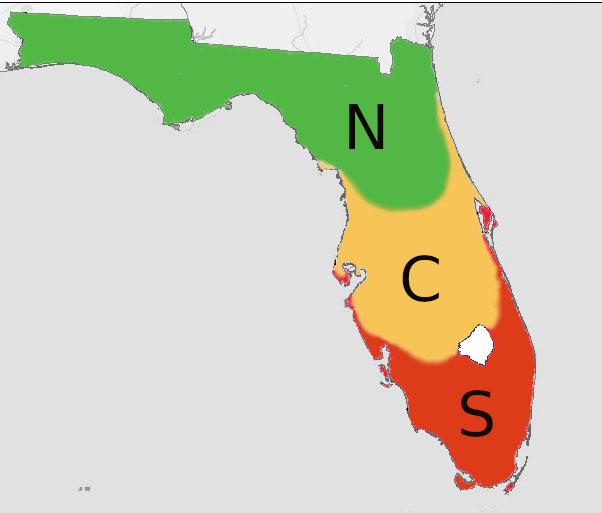
Central Florida’s climate and soil play a key role in deciding the best time to plant a tree. Understanding these conditions helps trees grow strong and healthy. The region has unique weather patterns and soil types that affect planting success. Knowing about temperature, rainfall, humidity, and soil will guide you in choosing the right planting time and care.
Temperature Patterns
Central Florida experiences warm temperatures most of the year. Winters are mild, with lows rarely below 40°F. Summers can be hot, often reaching above 90°F. Trees planted in cooler months avoid heat stress. The mild winter and spring months provide ideal conditions for root growth. Avoid planting during the hottest months to prevent shock and dehydration.
Rainfall And Humidity
Central Florida gets plenty of rain, especially from late spring to early fall. Humidity is high, which helps keep soil moist. Rainfall supports young trees by reducing the need for extra watering. The wet season encourages root establishment. Planting just before or during the rainy season ensures trees receive enough water naturally. Avoid dry months to prevent drought stress on new trees.
Soil Types And Preparation
Soil in Central Florida is mostly sandy with good drainage. Sandy soil warms quickly but drains water fast, which can dry out roots. Adding organic matter improves moisture retention and fertility. Testing soil pH helps determine if amendments are needed. Proper soil preparation boosts tree health and growth. Loosen soil around the planting site and mix in compost before planting.
Optimal Planting Seasons
Choosing the right season to plant a tree in Central Florida greatly affects its growth and health. The region’s climate offers several good windows for planting. Each season has unique benefits for young trees. Understanding these seasons helps you pick the best time to plant for strong roots and vibrant growth.
Planting at the optimal time reduces stress on the tree and improves survival rates. It also aligns with natural rainfall and temperature patterns. Below are the main seasons to consider for planting trees in Central Florida.
Spring Planting Window
Spring is a popular time to plant trees in Central Florida. The soil warms up, encouraging root growth. Young trees benefit from increasing daylight and moderate temperatures. Early spring planting helps trees establish before summer heat arrives. This timing gives them a chance to develop a strong root system.
Spring rains support new trees without overwhelming them. It is ideal for many native and ornamental trees. Avoid planting too late in spring to prevent heat stress on seedlings.
Summer Planting Benefits
Summer planting in Central Florida can work well with proper care. The frequent rains during summer help keep roots moist. Trees planted in early summer adapt quickly with enough water. This season suits species that tolerate heat and humidity.
Mulching and regular watering are crucial for summer-planted trees. Heat stress is a risk but manageable with attention. Summer planting can lead to faster growth due to warm soil temperatures.
Fall Planting Advantages
Fall is an excellent time to plant trees in Central Florida. Cooler temperatures reduce stress on new trees. Fall rains help roots grow deeply before winter. Trees planted in fall often have better survival rates.
This season allows trees to focus on root development rather than leaf growth. It prepares them for spring growth bursts. Fall planting is especially good for trees that prefer cooler starts.
Tree Species Suited For Central Florida
Choosing the right tree species is key to a thriving garden in Central Florida. The climate here is warm and humid, with sandy soil that drains well. Trees must tolerate heat, occasional drought, and storms. Selecting species suited for this region reduces maintenance and improves growth. Trees native to Central Florida, fruit-bearing types, and ornamental varieties all have unique benefits for this environment.
Native Trees
Native trees grow naturally in Central Florida. They need less water and care than non-native trees. Examples include the Southern Live Oak, Bald Cypress, and Sabal Palm. These trees support local wildlife and resist pests well. Planting native trees helps keep the local ecosystem balanced and healthy.
Fruit-bearing Trees
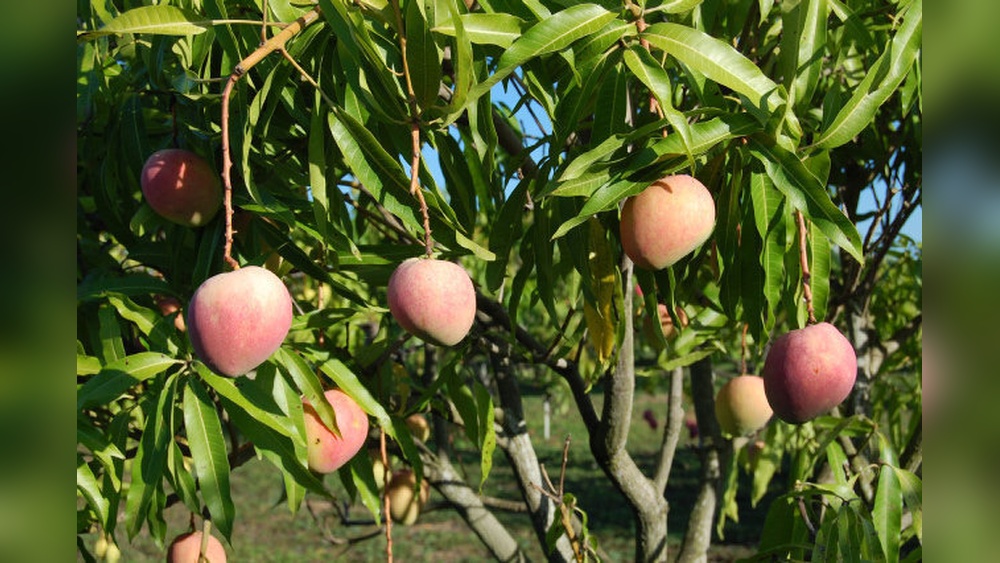
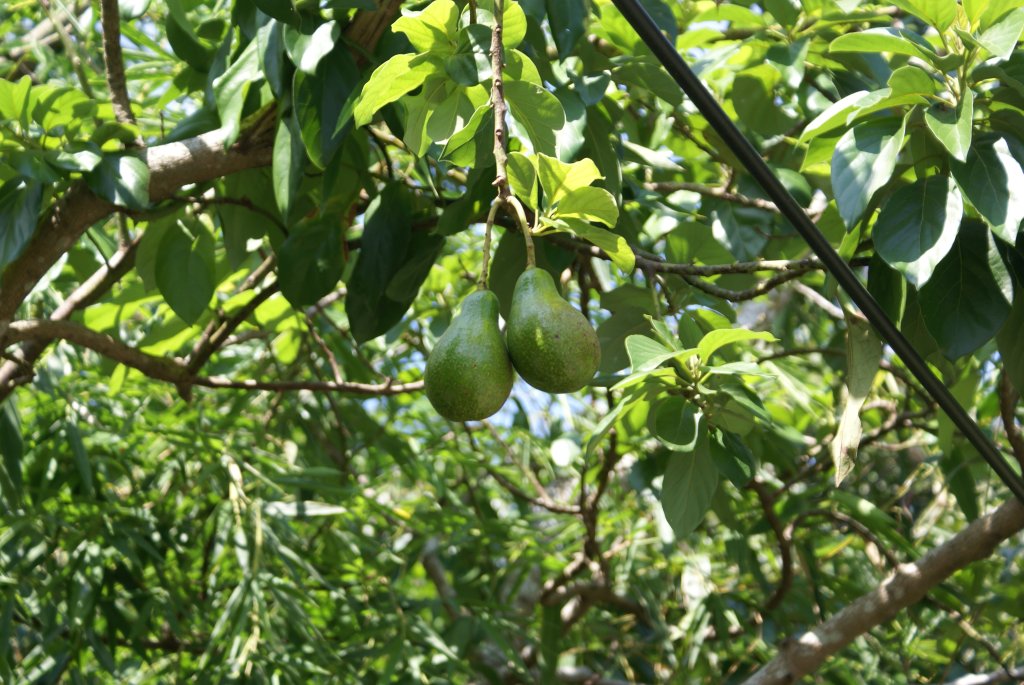
Fruit trees add beauty and food to your yard. Citrus trees like oranges, grapefruits, and lemons thrive here. Other good options are avocado, mango, and fig trees. These trees prefer full sun and well-drained soil. They need regular watering and protection from frost during winter months.
Ornamental Varieties
Ornamental trees enhance garden design with flowers and colors. Crepe Myrtle, Dogwood, and Redbud are popular choices. These trees bloom beautifully in spring or summer. They grow well in Central Florida’s climate and provide shade. Ornamental trees add charm and increase your property’s appeal.
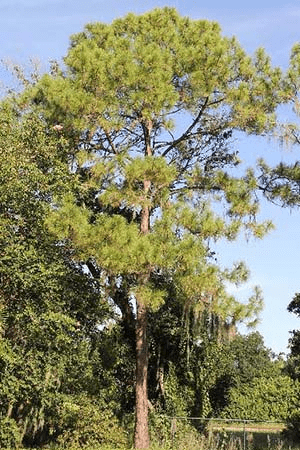
Credit: gardeningsolutions.ifas.ufl.edu
Planting Techniques For Success
Planting a tree in Central Florida requires careful techniques for the best results. The right methods ensure the tree grows strong and healthy. Each step, from choosing the site to watering, plays a key role. Follow these tips to help your tree thrive.
Site Selection Tips
Pick a spot with enough space for roots and branches. Avoid areas near buildings, sidewalks, or underground pipes. Trees need sunlight; choose a place that gets at least six hours of sun daily. Check soil drainage. Trees do best in well-drained soil that is not too wet or dry.
Proper Digging And Soil Amendments
Dig a hole twice as wide as the tree’s root ball but no deeper. This gives roots room to spread. Break up the soil around the hole’s edges to help roots grow. Mix organic matter like compost with the native soil to improve nutrients and texture. Avoid adding too much fertilizer at planting time.
Watering And Mulching Practices
Water the tree deeply right after planting. Keep the soil moist but not soaked during the first few months. Use mulch around the base to keep soil cool and moist. Spread mulch in a 2-3 inch layer, but keep it away from the trunk to prevent rot. Mulching also reduces weeds that compete for water.
Using The Rule Of Three In Tree Planting
The rule of three is a simple yet powerful guideline for planting trees in Central Florida. This rule suggests grouping trees in sets of three to create a natural and balanced look. Planting in threes helps avoid awkward symmetry and makes your landscape more inviting.
Using the rule of three encourages variety and interest. It brings harmony to your garden by arranging different species and sizes in thoughtful patterns. This approach works well for both small yards and larger spaces.
Grouping Trees For Visual Appeal
Planting trees in groups of three enhances the visual impact of your landscape. Odd numbers, especially three, look more natural than even numbers. A trio of trees creates a focal point that draws the eye.
Place the trees close enough to form a cluster, but allow space for growth. This arrangement mimics how trees grow in nature. It also adds depth and dimension to your yard.
Mixing Species And Heights
Combine different tree species to add texture and color variety. Choose trees with varying heights to create layers in your garden. For example, place a tall tree at the back, a medium one in the middle, and a shorter tree in front.
This mix provides visual interest throughout the year. It also supports local wildlife by offering diverse habitats. The contrasting shapes and colors keep your garden lively and appealing.
Repeating Patterns For Cohesion
Repeat your groups of three throughout the landscape for a unified look. This repetition creates rhythm and balance in your garden design. It helps tie different areas of your yard together.
Use similar tree combinations or styles to maintain cohesion. Repeating the pattern makes the space feel planned and harmonious. It also guides visitors smoothly through your garden.
Credit: floridafruitgeek.com
Common Planting Mistakes To Avoid
Planting a tree in Central Florida can bring beauty and shade to your home. Avoiding common mistakes helps your tree grow strong and healthy. Many new planters make errors that stunt growth or cause trees to fail. Understanding these pitfalls saves time and money. Here are key mistakes to watch out for.
Planting Too Early Or Late
Timing is crucial when planting trees. Planting too early in the dry season stresses roots. Planting too late, close to cold snaps, can shock the tree. In Central Florida, the best time is usually from late spring to early fall. This period offers warmth and rain, helping roots settle well.
Ignoring Soil Conditions
Soil quality affects tree health greatly. Many planters do not check if the soil drains well. Heavy clay or poor soil can drown roots or block nutrients. Testing soil pH and texture before planting helps choose the right tree. Adding compost or sand can improve soil for better growth.
Overwatering And Underwatering
Watering mistakes harm young trees often. Overwatering drowns roots and leads to disease. Underwatering causes roots to dry out and die. Newly planted trees need steady, moderate water to establish roots. Monitor soil moisture and adjust watering based on weather and soil type.
Post-planting Care
Planting a tree in Central Florida is just the start. Proper post-planting care ensures your tree grows healthy and strong. This care includes helping roots settle, protecting young trees, and regular pruning. Each step supports the tree’s growth in the Florida climate.
Establishing Strong Roots
Roots need time to spread and anchor the tree. Water deeply but avoid overwatering to prevent root rot. Mulching around the base keeps soil moist and cool. Avoid piling mulch against the trunk. Check soil regularly to maintain moisture but allow slight drying between waterings.
Protecting Young Trees
Young trees face threats like wind, animals, and lawn equipment. Use tree guards or fencing to protect trunks. Stake trees only if needed to prevent damage from strong winds. Remove stakes after one year. Keep grass and weeds away from the base to reduce competition for water and nutrients.
Pruning And Maintenance
Prune trees to remove dead or damaged branches. This helps the tree focus energy on growth. Use clean, sharp tools to avoid injury. Avoid heavy pruning in the first year. Regularly check for pests or diseases. Early detection helps keep trees healthy and strong.
Credit: www.myriverdistrict.com
Planning For Long-term Growth
Planning for long-term growth is essential when planting trees in Central Florida. Trees need space, nutrients, and protection to thrive over many years. Proper planning ensures healthy development and strong roots. This also helps trees withstand Florida’s climate challenges and pests. Focus on three key areas for best results.
Space And Growth Considerations
Choose a planting spot with enough room for tree growth. Consider the tree’s mature height and width. Avoid planting too close to buildings, power lines, or other trees. Crowded roots can harm tree health and nearby structures. Leave space for air circulation and sunlight. Plan ahead to prevent future trimming or removal.
Soil Nutrition Management
Healthy soil supports strong tree growth. Test the soil before planting to check nutrient levels and pH. Central Florida soils may need extra organic matter or fertilizers. Use slow-release fertilizers for steady nutrition. Mulch around the base to retain moisture and reduce weeds. Proper soil care helps trees establish deep roots and resist drought.
Dealing With Pests And Diseases
Trees in Central Florida face many pests and diseases. Monitor your tree regularly for signs of trouble. Early detection helps control problems before they spread. Use natural or chemical treatments carefully to protect beneficial insects. Keep the tree healthy to improve its resistance. Proper pruning and cleaning fallen debris also reduce disease risk.
Frequently Asked Questions
When To Plant Trees In Central Florida?
Plant trees in central Florida from May to October. This period offers optimal warmth, rainfall, and sunlight for healthy growth.
What Is The Rule Of 3 In Gardening?
The rule of three in gardening groups plants or elements in sets of three. This creates natural, balanced, and visually appealing designs. Use different plant varieties with varying heights and textures. Repeat trios throughout the garden to ensure cohesion and harmony in your landscape.
Is October Too Late To Plant Trees?
October can be a good time to plant trees in many regions. Cooler temperatures help reduce transplant shock. Ensure soil is moist and avoid early frost. Check local climate for the best planting window to ensure healthy root establishment.
How Much Does A 20 Ft Tree Cost?
A 20 ft tree typically costs between $150 and $500, depending on species, location, and nursery pricing.
Conclusion
Planting trees in Central Florida works best from May to October. This period offers warm temperatures and frequent rain, helping young trees grow strong. Choose the right tree species for your soil and climate. Water your trees regularly during the first months.
Planting at the right time saves effort and supports healthy growth. Start planning your tree planting now for a greener future. Watch your garden bloom with well-timed tree care and attention.