If you’ve tried growing spinach in Florida before, you know it’s not always easy. The heat and humidity can quickly turn your leafy greens bitter or cause them to bolt too soon.
But what if you could grow spinach that actually thrives in Florida’s unique climate? Imagine harvesting fresh, tender spinach right from your garden, even when the temperatures soar. You’ll discover the best types of spinach perfectly suited for Florida’s weather, along with simple tips to help your plants flourish.
Whether you’re a seasoned gardener or just starting out, this guide will help you grow spinach that’s tasty, healthy, and ready to enjoy all season long. Keep reading to find out how to make your spinach the star of your garden!
Spinach Varieties For Florida
Choosing the right spinach variety is key for success in Florida’s warm climate. Spinach grows best in cooler months, but some types handle Florida’s heat better than others. Understanding which varieties suit Florida helps gardeners enjoy fresh, healthy greens year-round.
Savoy Spinach Types
Savoy spinach has curly, crinkled leaves. These leaves hold water well, keeping the plant crisp and fresh. Popular savoy types include ‘Bloomsdale Long Standing’ and ‘Tyee.’ They grow well in Florida’s cooler seasons but may struggle in the hottest months. Savoy spinach offers a rich, classic flavor and sturdy texture.
Semi-savoy Options
Semi-savoy spinach has slightly curly leaves that are easier to clean than savoy types. Varieties like ‘Melody’ and ‘Space’ perform well in Florida. They resist diseases better and mature faster. Semi-savoy spinach balances leaf texture and ease of growth. It suits gardeners wanting a mix of flavor and convenience.
Heat-tolerant Tropical Spinaches
Tropical spinach varieties thrive in Florida’s heat. Malabar spinach and New Zealand spinach are popular choices. These plants grow well through summer and resist bolting. Their leaves are thicker and taste slightly different from common spinach. Tropical spinaches provide fresh greens when traditional spinach stops growing. They add variety to a Florida garden.
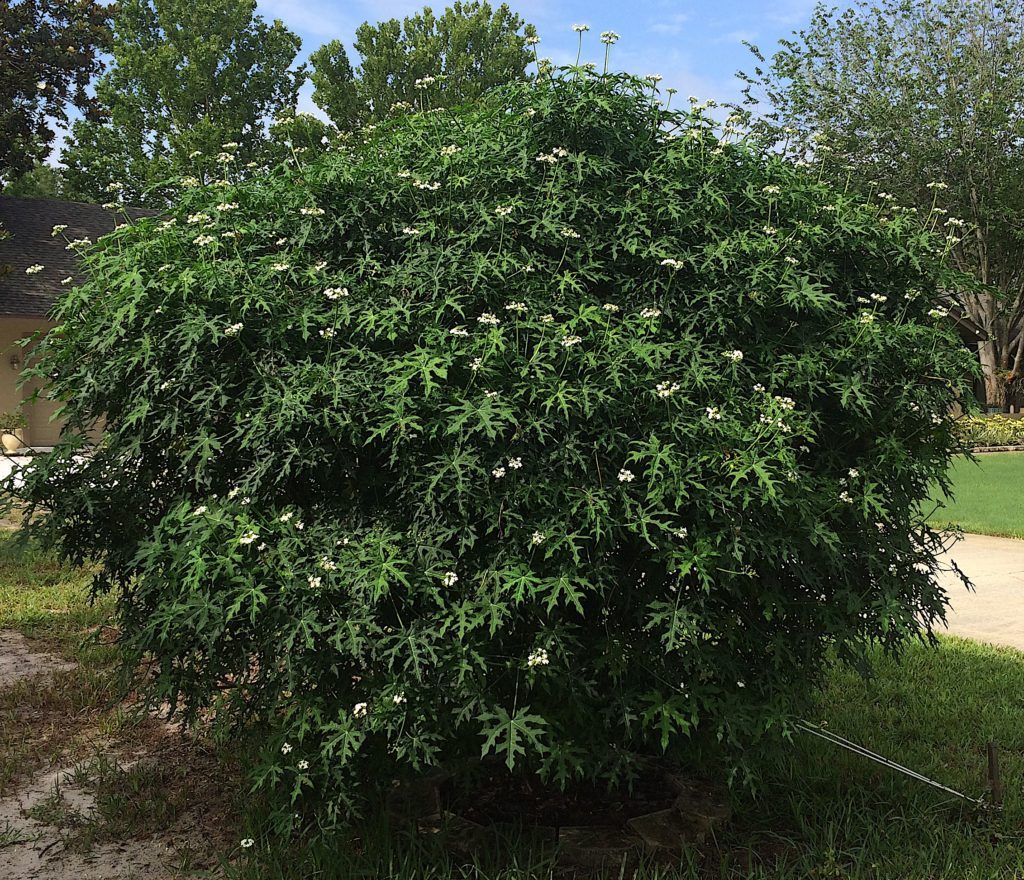
Credit: www.eattheweeds.com
Planting Seasons By Region
Spinach grows best in Florida’s cooler months. The planting season varies by region due to temperature differences. Knowing the right time to plant ensures healthy, tender leaves. Each region has a specific schedule that suits its climate. Follow these planting seasons for the best results.
North Florida Schedule
North Florida has cooler winters than the rest of the state. Plant spinach from September to March. The weather stays mild enough for spinach to grow well. Start seeds in early fall for a strong harvest. Avoid planting after March to prevent heat stress.
Central Florida Schedule
Central Florida is warmer than the north but cooler than the south. Plant spinach from October to February here. This window keeps spinach safe from the hot spring sun. Sow seeds in October for the best growth. Stop planting after February to avoid early heat.
South Florida Schedule
South Florida is the warmest region in the state. Plant spinach between October and January only. The heat arrives early, so the season is shorter. Start seeds in early October to take full advantage. Avoid planting after January to prevent poor growth.
Growing Conditions
Growing spinach in Florida demands attention to specific conditions. The warm climate challenges traditional spinach varieties. Choosing the right soil, sunlight, and watering methods boosts success. Proper care helps spinach thrive despite heat stress. Understanding these factors improves your harvest and plant health.
Soil Requirements
Spinach prefers well-drained, fertile soil. Loamy soil with organic matter works best. Keep soil pH between 6.0 and 7.0 for optimal growth. Avoid heavy clay soils that retain too much water. Adding compost enriches the soil and improves texture. Good soil helps roots grow strong and healthy.
Sunlight And Shade
Spinach grows well in full sun to partial shade. Florida’s intense sun can cause leaf damage. Provide shade during the hottest afternoon hours. Morning sun with afternoon shade works well. Shade prevents the plants from bolting too soon. Proper light balance keeps leaves tender and flavorful.
Watering Tips
Consistent moisture is key for spinach growth. Water regularly to keep soil evenly moist but not soggy. Deep watering encourages strong root development. Avoid overhead watering to reduce leaf diseases. Mulching helps retain soil moisture and controls weeds. Adjust watering based on rainfall and temperature changes.
Heat-tolerant Alternatives
Spinach usually prefers cool weather, but Florida’s heat can be tough. Many gardeners find traditional spinach struggles during the hot months. Heat-tolerant alternatives thrive in Florida’s warm climate. These options provide fresh, leafy greens all year long. They resist bolting and keep producing even in high temperatures.
Malabar Spinach
Malabar spinach is a vine that loves heat. It grows fast and climbs easily. Its thick, glossy leaves are perfect for salads or cooking. This plant stays green throughout Florida’s hot summer. It needs full sun and moist soil for best growth. Malabar spinach also resists pests well, making it low maintenance.
New Zealand Spinach
New Zealand spinach is not true spinach but tastes similar. It grows well in warm weather and sandy soils. The leaves are tender and cook quickly. This plant spreads wide and forms a ground cover. It handles Florida’s heat and humidity without trouble. New Zealand spinach needs regular watering to stay fresh.
Red Aztec Spinach
Red Aztec spinach has deep red stems and green leaves. It thrives in hot, sunny spots. This variety grows fast and produces many leaves. The taste is mild and slightly earthy. Red Aztec spinach also adds color to your garden. It tolerates heat better than common spinach and stays productive longer.
Pest And Disease Management
Managing pests and diseases is essential for growing healthy spinach in Florida. The warm, humid climate invites many pests and fungal problems. Careful monitoring and early action help protect your crop. Using natural methods reduces chemical use and keeps your garden safe.
Common Pests Affecting Spinach In Florida
Aphids often attack spinach leaves, sucking sap and spreading disease. Leafminers create tunnels in leaves, damaging the plant’s ability to photosynthesize. Spider mites cause yellow spots and webbing, weakening the spinach. Whiteflies also feed on leaves and spread viruses.
Effective Pest Control Methods
Handpicking pests can reduce their numbers early on. Introducing beneficial insects like ladybugs helps control aphids naturally. Spraying insecticidal soap or neem oil provides safe pest control. Crop rotation prevents pest buildup in the soil over time.
Common Diseases In Florida Spinach
Downy mildew is a fungal disease that causes yellow patches and fuzzy growth. Leaf spot fungi create small, dark lesions on leaves. Root rot occurs in poorly drained soils, killing the plant. Powdery mildew leaves a white powdery coating on leaves.
Preventing And Managing Diseases
Plant spinach in well-drained soil to avoid root rot. Water at the base to keep leaves dry and reduce fungal growth. Remove infected leaves promptly to stop disease spread. Use resistant spinach varieties when possible for better results.

Credit: www.revivalgardening.com
Harvesting And Storage
Harvesting and storing spinach properly ensures fresh, tasty leaves for longer. Timing the harvest right keeps the leaves tender and nutritious. Proper storage methods help maintain quality and prevent spoilage.
When To Harvest
Harvest spinach when leaves reach 4 to 6 inches long. Pick young, tender leaves for the best flavor. Cut outer leaves first, leaving the center to keep growing. Harvest in the morning for crisp, fresh leaves. Avoid harvesting after heavy rain to reduce the risk of disease.
Proper Storage Methods
Store spinach in a cool, moist place to keep it fresh. Use a plastic bag with small holes for ventilation. Wrap leaves in a damp paper towel before placing in the bag. Keep spinach in the refrigerator’s crisper drawer. Use spinach within 3 to 5 days for best taste. Avoid washing spinach before storage; wash just before use.
Common Challenges
Growing spinach in Florida presents unique challenges due to the state’s warm climate. Spinach prefers cooler temperatures, so gardeners must manage common issues to succeed. Understanding these challenges helps maintain healthy plants and a good harvest.
Bolting Prevention
Spinach tends to bolt quickly in warm weather. Bolting means the plant flowers and produces seeds early. This stops leaf growth and reduces harvest quality.
Plant spinach during the cooler months from October to March. Choose bolt-resistant varieties suited for Florida. Provide partial shade to reduce heat stress. Water consistently to keep soil moist but not soggy. These steps help slow down bolting and extend the harvest period.
Dealing With Heat Stress
Heat stress causes spinach leaves to wilt and turn bitter. High temperatures can stunt growth and invite pests. Protect spinach by planting in shaded areas or using shade cloth. Mulch around plants to keep soil cool and retain moisture. Water deeply in the early morning to reduce heat impact. Selecting heat-tolerant spinach types like Malabar or New Zealand spinach also helps in warmer months.
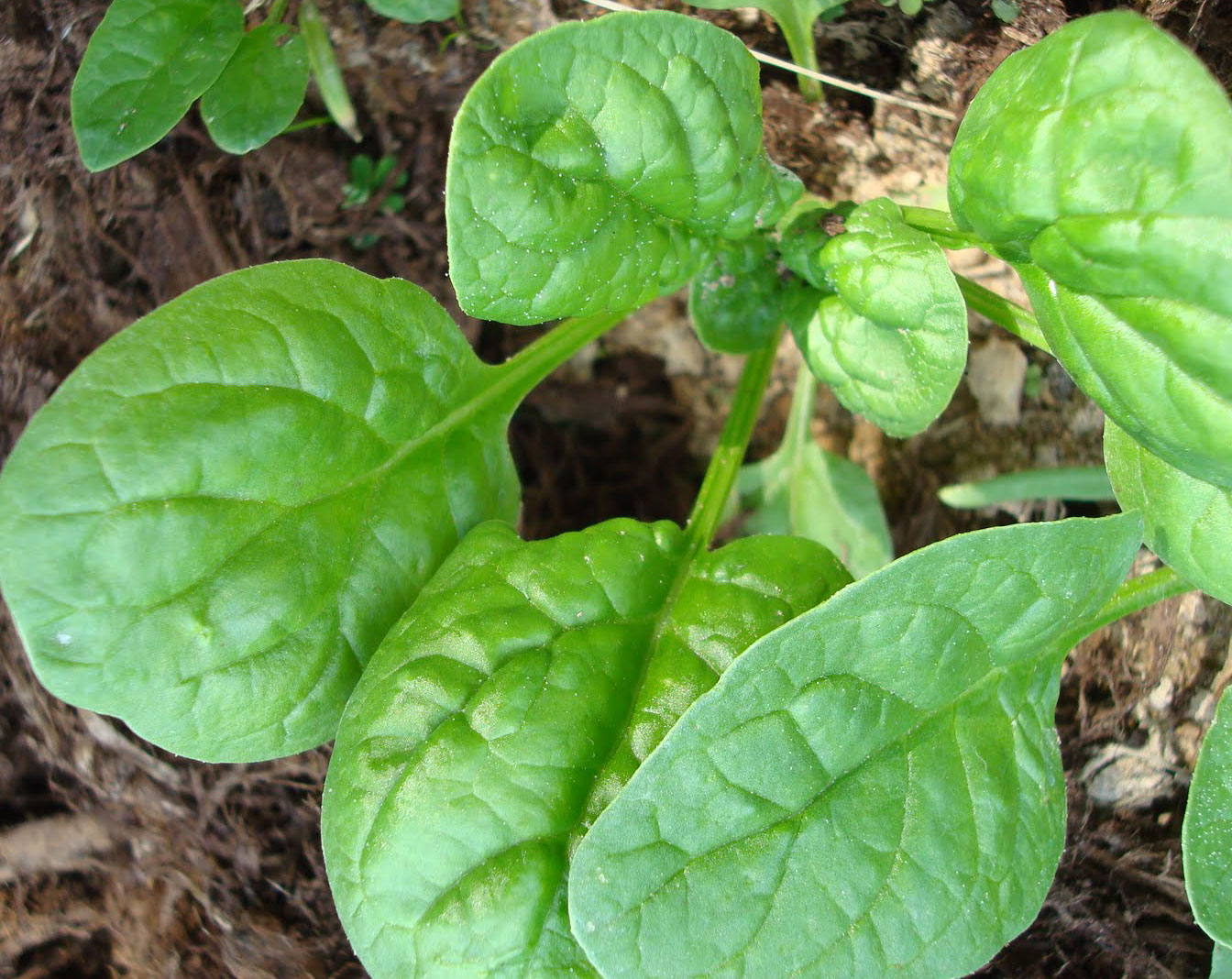
Credit: growincrazyacres.com
Frequently Asked Questions
What Is The Best Spinach For Florida?
Malabar spinach and New Zealand spinach thrive in Florida’s heat. They resist bolting and grow well in warm, humid climates. Choose these heat-tolerant varieties for summer planting. Traditional spinach grows best in cooler months from October to March across Florida regions.
What Is The Most Heat Tolerant Spinach?
Malabar spinach and New Zealand spinach are the most heat-tolerant varieties. They thrive in hot climates and resist bolting.
When Can You Grow Spinach In Florida?
Plant spinach in Florida from October to March. North Florida: September–March, Central: October–February, South: October–January. Spinach prefers cool seasons and avoids summer heat.
What Is The Best Tasting Spinach To Grow?
Savoy spinach varieties like ‘Bloomsdale’ offer the best taste with tender, flavorful leaves. They grow well in cooler seasons.
Conclusion
Choosing the right spinach for Florida gardens boosts your harvest success. Varieties like Malabar and New Zealand spinach handle heat well. Plant during cooler months to avoid wilting and bolting. Providing some shade helps leaves stay tender and fresh. With simple care, you can enjoy homegrown spinach almost year-round.
Try different types to see which grows best in your area. Growing spinach in Florida can be easy and rewarding. Start small, watch your plants grow, and enjoy fresh greens from your own garden.