

If you’ve ever dreamed of picking fresh, juicy strawberries right from your own garden in Central Florida, you’re in the right place. But here’s the catch: not all strawberry varieties thrive in Florida’s warm climate.
Choosing the best strawberries to grow is key to enjoying a bountiful harvest and sweet, flavorful berries all season long. You’ll discover which strawberry varieties are perfect for Central Florida’s unique weather, how to plant them, and tips to keep your strawberry patch healthy and productive.
Get ready to turn your garden into a strawberry paradise!
Strawberry Growth In Central Florida
Strawberries grow well in Central Florida with the right care. The region’s warm climate supports healthy strawberry plants. Success depends on understanding local weather and soil conditions. Timing the planting season also affects growth and fruit quality.
Choosing the best strawberry varieties helps ensure a good harvest. Short-day varieties are ideal for Central Florida. These strawberries thrive in the region’s unique environment.
Climate And Soil Conditions
Central Florida has mild winters and hot summers. This climate suits short-day strawberry varieties. These plants need cool temperatures to form fruit. Soil should be sandy and well-drained to prevent root problems. Adding organic matter improves soil quality and moisture retention. Strawberries prefer slightly acidic soil with a pH between 5.5 and 6.5. Proper soil preparation supports strong plant growth and fruit production.
Planting Seasons And Timing
Plant strawberries in Central Florida from late October to early December. This timing lets plants establish before cold weather. It also matches the natural fruiting cycle. Harvest usually starts in late December and lasts until May. Avoid planting during hot summer months to reduce stress. Regular watering and mulching protect plants and keep soil moist. Correct timing maximizes yield and fruit quality.
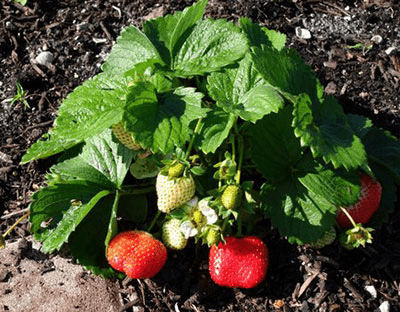
Credit: gardeningsolutions.ifas.ufl.edu
Top Strawberry Varieties
Choosing the right strawberry variety is key for a good harvest in Central Florida.
Short-day strawberries work best because of the local climate.
These varieties produce sweet, juicy berries from winter to spring.
Radiance
Radiance is the most popular variety in Central Florida. It adapts well to warm weather. The berries are large and bright red. Radiance has a sweet flavor and firm texture. It produces fruit early in the season.
Festival
Festival strawberries offer high yields and good disease resistance. The berries are medium-sized with a nice balance of sweet and tart. Festival plants grow vigorously and produce fruit over a long season. This variety suits home gardens and small farms.
Camarosa
Camarosa is known for its large, firm berries. The fruit has a rich, sweet taste. This variety thrives in sunny spots with well-drained soil. Camarosa plants have good heat tolerance. They start producing fruit in mid-season.
Sweet Charlie
Sweet Charlie is favored for its early harvest. The berries are medium-sized and very sweet. It performs well in Central Florida’s warm winters. The plants resist common diseases and pests. Sweet Charlie offers a reliable crop for fresh eating.
Sweet Sensation
Sweet Sensation produces large, bright red berries with excellent flavor. This variety is firm and holds well after picking. It grows best in sunny, protected areas. Sweet Sensation has good resistance to disease. It yields fruit from late winter to spring.
Choosing Short-day Varieties
Choosing the right strawberry variety is key to a successful harvest in Central Florida. Short-day varieties thrive here due to the region’s unique climate and daylight patterns. These varieties start flowering when day length is under 12 hours. This trait matches Central Florida’s winter and early spring seasons perfectly. Planting short-day strawberries ensures a fruitful crop with sweet, juicy berries.
These varieties adapt well to Florida’s mild winters and warm springs. They produce large, flavorful berries that are popular among gardeners and buyers. Selecting short-day types means you avoid heat stress problems common with other varieties. This choice leads to healthier plants and better yields.
Why Short-day Varieties Suit Central Florida
Short-day strawberries flower as daylight shortens in fall and winter. Central Florida’s day length fits this pattern well. These plants bloom and fruit during cooler months. They avoid Florida’s hot summer, which can harm strawberry plants. This timing helps the plants conserve energy and produce bigger berries. Gardeners enjoy fresh strawberries from late December to early May. This season matches short-day varieties’ natural cycle perfectly. Other types may struggle or fail to fruit here.
Heat Tolerance Of Varieties
Central Florida’s climate can be hot and humid. Short-day strawberry varieties show better heat tolerance. Varieties like ‘Festival’, ‘Camarosa’, and ‘Sweet Charlie’ handle high temperatures well. They resist common heat-related problems such as leaf scorch and poor fruit development. These strawberries remain productive despite warm days. This trait makes them reliable for Central Florida gardeners. Choosing heat-tolerant short-day varieties means fewer plant losses and more harvests. It also reduces the need for extra shade or cooling methods.
Planting Tips For Success
Planting strawberries in Central Florida requires careful attention to ensure a healthy, fruitful garden. Success depends on preparing the soil well, spacing plants correctly, and watering properly. Each step affects how well your strawberries grow and produce berries. Follow these simple tips for the best results.
Soil Preparation
Choose soil that drains well and is rich in organic matter. Mix compost or aged manure into the soil to boost nutrients. Test soil pH and aim for a level between 5.5 and 6.5. Remove any weeds or debris before planting. Well-prepared soil helps roots grow strong and healthy.
Spacing And Depth
Plant strawberries about 12 to 18 inches apart to give them room to spread. Space rows around 3 feet apart for good air circulation. Plant crowns at soil level, not too deep or too shallow. Crowns buried too deep may rot, too shallow may dry out. Proper spacing and depth reduce disease and encourage better fruit.
Watering Practices
Keep the soil evenly moist but not waterlogged. Water early in the day to allow leaves to dry and prevent fungus. Use drip irrigation or soaker hoses to keep water off leaves. Avoid overhead watering to reduce disease risk. Consistent watering helps plants grow strong and produce sweet berries.
Caring For Strawberry Plants
Caring for strawberry plants in Central Florida requires attention to their unique needs. Healthy care helps plants produce sweet, juicy berries. Follow simple steps to keep your strawberries thriving in the warm climate.
Fertilizing
Strawberries need balanced fertilizing for strong growth. Use a fertilizer with equal parts nitrogen, phosphorus, and potassium. Apply fertilizer at planting and again after the first harvest. Avoid over-fertilizing to prevent leaf burn. Water plants after applying fertilizer to help absorption.
Pest And Disease Management
Watch for pests like aphids, spider mites, and slugs. Remove pests by hand or use mild insecticidal soap. Keep plants spaced well to improve air flow and reduce disease risk. Inspect plants regularly for signs of fungal infections. Remove and destroy infected leaves to stop spread.
Mulching Benefits
Mulching helps keep soil moist and cool for strawberry roots. Use straw, pine needles, or wood chips as mulch. Mulch also reduces weed growth, which competes for nutrients. It keeps berries clean by preventing soil splash during rain. Replenish mulch each season to maintain protection.
Harvesting Strawberries
Harvesting strawberries in Central Florida is an exciting part of growing your own fruit. Proper harvesting ensures sweet, juicy berries with the best flavor. Knowing the right time to pick and how to handle strawberries can keep them fresh longer. Follow simple steps to enjoy fresh strawberries from your garden.
Harvest Timing
Pick strawberries when they are fully red and ripe. Strawberries do not continue to ripen after picking. Check your plants often during the season, from late December to May. Harvest in the morning for the best flavor and firmness. Avoid picking berries that look white or green. Use scissors or gently twist the berry to avoid damage.
Handling And Storage
Handle strawberries with care to prevent bruising. Do not wash berries before storing them. Place strawberries in a shallow container in a single layer. Store in the refrigerator to keep them fresh for up to five days. For longer storage, freeze strawberries by spreading them on a tray first. Proper handling keeps your harvest tasty and ready to enjoy.
Common Challenges
Growing strawberries in Central Florida offers great rewards but also comes with common challenges. The warm climate and unique environment require careful care. Understanding these challenges helps you grow healthy plants and get a good harvest.
Dealing With Heat Stress
Central Florida’s heat can stress strawberry plants quickly. High temperatures cause leaves to wilt and berries to dry out. Provide shade during peak sun hours to protect plants. Water regularly but avoid waterlogging the soil. Mulching helps keep roots cool and moist. Choose heat-tolerant strawberry varieties for better results.
Preventing Diseases
Strawberries in Florida face fungal diseases like powdery mildew and gray mold. These thrive in warm, humid conditions. Plant strawberries with good air circulation to reduce moisture buildup. Remove dead leaves and debris often to prevent spores from spreading. Use disease-resistant varieties to minimize problems. Apply fungicides only if needed and follow instructions carefully.
Pest Control Strategies
Common pests include spider mites, aphids, and slugs. These insects damage leaves and fruit. Inspect plants regularly to catch pests early. Use natural predators like ladybugs to control aphids. Handpick slugs or use barriers to keep them away. Insecticidal soaps can control many pests safely. Keep the garden clean to reduce hiding spots for pests.

Credit: www.reddit.com
Additional Berry Options For Central Florida Gardens
Central Florida gardens offer more than just strawberries. Gardeners can enjoy a variety of berries that thrive in this warm climate. These berries add color, flavor, and diversity to your garden. They also attract beneficial insects and birds. Consider adding blueberries, blackberries, and elderberries to your planting list. Each berry type has unique growing needs and benefits. Choose varieties suited for Central Florida to ensure success and great harvests.
Blueberries
Blueberries grow well in Central Florida’s acidic soils. They need well-drained soil and full sun to produce sweet fruit. Choose southern highbush varieties like ‘Misty’ or ‘Jewel’. These types handle Florida’s heat and humidity better than northern varieties. Blueberries also need consistent watering during fruiting. Mulching helps keep roots cool and moist. Blueberries provide antioxidants and add beautiful blue hues to your garden.
Blackberries
Blackberries are hardy and produce large, juicy berries. Thornless varieties, such as ‘Natchez’ or ‘Navaho’, work best for easy harvesting. They prefer full sun and well-drained soil. Blackberries grow on canes that need support or trellising. Pruning helps maintain healthy plants and improves fruit quality. These berries ripen in late spring to early summer. They are perfect for fresh eating, jams, and desserts.
Elderberries
Elderberries grow well in Central Florida’s climate. They need moist, fertile soil and partial to full sun. Elderberry bushes produce clusters of small, dark berries rich in vitamins. Use varieties like ‘Adams’ or ‘Johns’ for best results. These berries suit jams, syrups, and immune-boosting remedies. Elderberries attract pollinators and add beauty with their large flower clusters. Regular pruning encourages healthy growth and better fruit production.
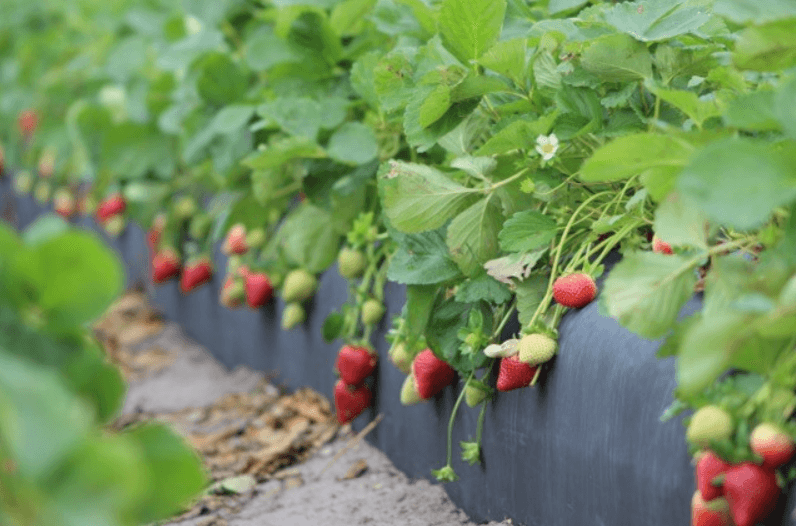
Credit: wishfarms.com
Frequently Asked Questions
What Are The Best Strawberries To Grow In Central Florida?
The best strawberries for Central Florida are short-day varieties like ‘Radiance’, ‘Festival’, ‘Camarosa’, and ‘Sweet Charlie’. They thrive in Florida’s climate and produce harvests from late December to May. These varieties offer good heat tolerance and high yields in local conditions.
When Should I Plant Strawberries In Central Florida?
Plant strawberries in central Florida from late October to early December. Use short-day varieties like ‘Festival’ or ‘Sweet Charlie’ for best results.
What Strawberries Grow Best In Hot Weather?
Short-day strawberry varieties like ‘Festival’, ‘Camarosa’, and ‘Sweet Charlie’ grow best in hot weather. They tolerate heat well and produce high yields.
What Berries Grow Well In Central Florida?
Strawberries, blueberries, blackberries, mulberries, and elderberries grow well in Central Florida. Choose heat-tolerant, short-day varieties like Radiance and Natchez.
Conclusion
Choosing the right strawberry variety makes all the difference in Central Florida. Short-day types like Radiance, Festival, and Camarosa thrive well here. Plant them in late fall for a sweet harvest from winter through spring. Pay attention to soil and water needs for healthy plants.
Growing strawberries can be simple and rewarding with the right approach. Enjoy fresh, homegrown berries that flourish in Florida’s warm climate. Start small, learn as you go, and watch your garden grow beautifully. Happy strawberry growing!