Knowing the best time to plant tomatoes in North Florida is crucial for a successful harvest. This guide provides a comprehensive overview of planting times, ideal varieties, and essential tips for thriving tomato plants in the North Florida climate.

Introduction: The Joy of Homegrown Tomatoes in North Florida
Few pleasures rival the taste of a sun-ripened tomato plucked straight from your garden. In North Florida, with its unique subtropical climate, growing tomatoes can be a rewarding experience, but understanding the specific timing and techniques is essential. This comprehensive guide will equip you with the knowledge you need to cultivate a thriving tomato patch and enjoy a bountiful harvest.
Understanding North Florida’s Climate and its Impact on Tomato Planting
North Florida experiences distinct seasons, transitioning from mild winters to hot, humid summers. This transitional climate requires careful planning when planting tomatoes. Unlike more temperate regions, North Florida gardeners need to consider both the threat of late frosts and the intense summer heat when choosing their planting window.
Best Times to Plant Tomatoes in North Florida
The optimal planting window for tomatoes in North Florida revolves around avoiding both frost and extreme heat.
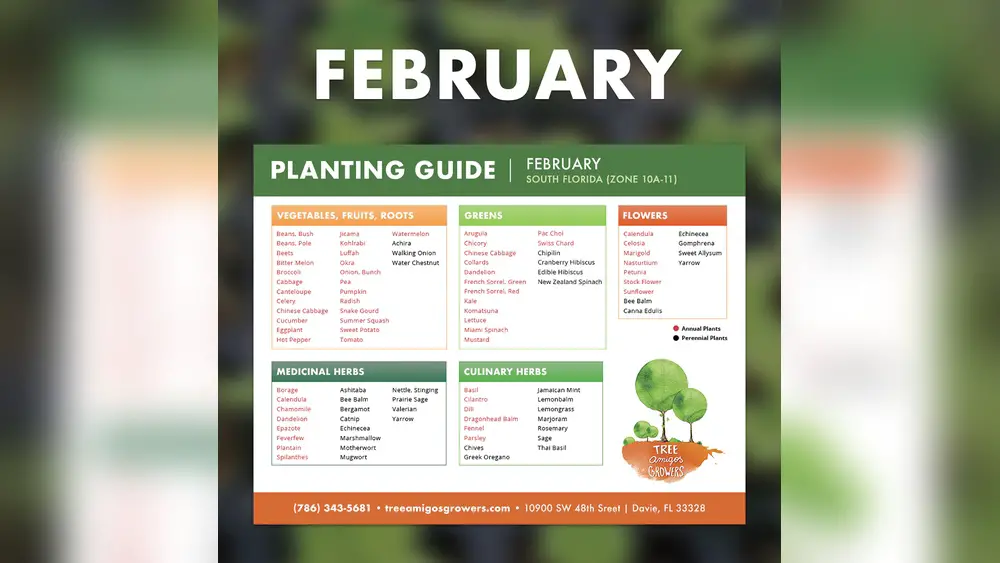
Spring Planting: The most common planting season is early spring. After the last expected frost, typically between late February and early March, you can safely plant your tomato seedlings. This allows the plants to establish themselves before the summer heat sets in.
Fall Planting: For a fall harvest, start your tomato seeds indoors in late July or August. Transplant seedlings into the garden in September or October, allowing enough time for fruit development before the first frost arrives.
Choosing the Right Tomato Varieties for North Florida
Selecting varieties that thrive in North Florida’s climate is crucial for success. Consider these factors:
Heat Tolerance: Opt for varieties like Heatwave II, Solar Fire, and Phoenix, which are specifically bred to withstand high temperatures and humidity.
Disease Resistance: Choose varieties resistant to common tomato diseases like Fusarium wilt and Verticillium wilt, prevalent in warm, humid conditions. Examples include Better Boy, Celebrity, and Roma.
Determinate vs. Indeterminate: Determinate varieties produce fruit all at once, while indeterminate varieties produce fruit throughout the growing season. For a continuous harvest, choose an indeterminate variety.
Step-by-Step Guide to Planting Tomatoes in North Florida
1. Seed Starting: Start seeds indoors 6-8 weeks before the last expected frost (spring planting) or the desired transplant date (fall planting).
2. Soil Preparation: Amend the soil with organic matter like compost or aged manure to improve drainage and fertility. Tomatoes prefer slightly acidic soil with a pH of 6.0-6.8.
3. Transplanting: Harden off seedlings before transplanting to avoid shock. Plant seedlings deeper than they were in their containers, burying the stem up to the first set of true leaves.
4. Spacing: Space plants 2-3 feet apart to allow for adequate airflow and growth.
5. Watering: Water deeply and regularly, especially during dry periods. Avoid overhead watering to prevent fungal diseases.
6. Fertilizing: Feed your tomato plants with a balanced fertilizer every 2-3 weeks.
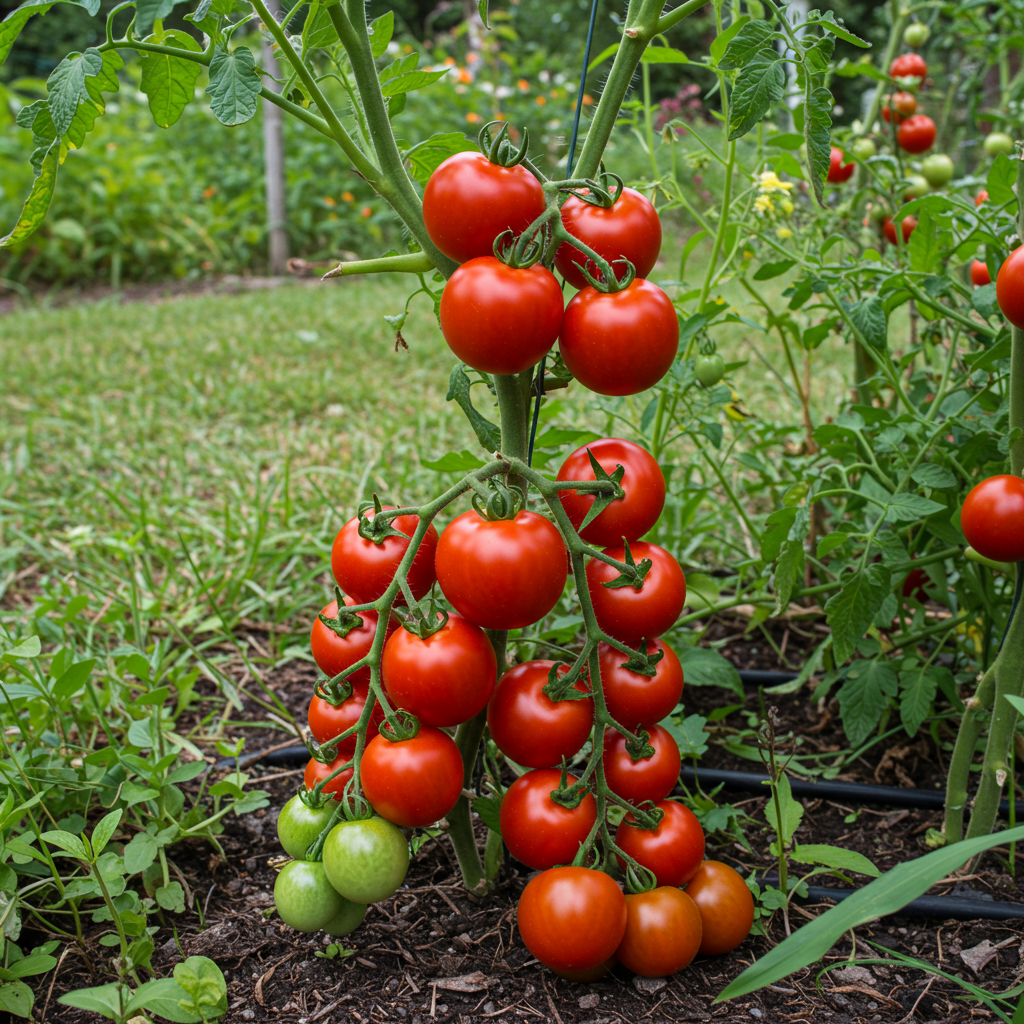
7. Staking or Caging: Support your tomato plants with stakes or cages to prevent them from sprawling on the ground.
8. Pest and Disease Control: Monitor for pests like aphids, whiteflies, and tomato hornworms. Implement appropriate control measures as needed.
Common Tomato Growing Problems in North Florida and their Solutions
Blossom-End Rot: Caused by calcium deficiency. Maintain consistent watering and add calcium to the soil.
Early Blight: A fungal disease characterized by brown spots on the leaves. Ensure good air circulation and apply a fungicide.
Tomato Hornworms: Large green caterpillars that devour leaves and fruit. Handpick them or use a biological control like Bt (Bacillus thuringiensis).
Harvesting and Enjoying Your North Florida Tomatoes
Once your tomatoes reach their mature color, gently twist or cut them from the vine. Enjoy them fresh, or preserve them by canning, freezing, or drying.
FAQs About Growing Tomatoes in North Florida
Q: Can I grow tomatoes year-round in North Florida?
A: While it’s challenging, you can potentially grow tomatoes year-round by utilizing different planting windows and choosing appropriate varieties. However, the hottest summer months and coldest winter months can pose challenges.
Q: What are the best fertilizer options for tomatoes?
A: A balanced fertilizer with an NPK ratio of 10-10-10 or 8-8-8 is generally recommended. You can also supplement with calcium and magnesium.
Q: When should I start seeds indoors for a fall tomato crop?
A: Start seeds indoors in late July or August for a fall planting in September or October.
Q: How do I prevent blossom-end rot in my tomatoes?
A: Consistent watering and adequate calcium in the soil are key to preventing blossom-end rot.
Q: What are some good companion plants for tomatoes?
A: Basil, marigolds, and chives are beneficial companion plants that can repel pests and improve tomato growth.
Conclusion: Reap the Rewards of Your Tomato-Growing Efforts
By following these guidelines and paying attention to the specifics of North Florida’s climate, you can successfully cultivate delicious homegrown tomatoes. Remember to select appropriate varieties, prepare your soil thoroughly, and provide consistent care throughout the growing season. With a little effort and knowledge, you’ll be enjoying the fruits (or rather, vegetables) of your labor in no time. From juicy slicing tomatoes to flavorful cherry tomatoes perfect for salads, your North Florida garden can be a bountiful source of this beloved fruit. So, get out there, get planting, and enjoy the taste of fresh, homegrown tomatoes!