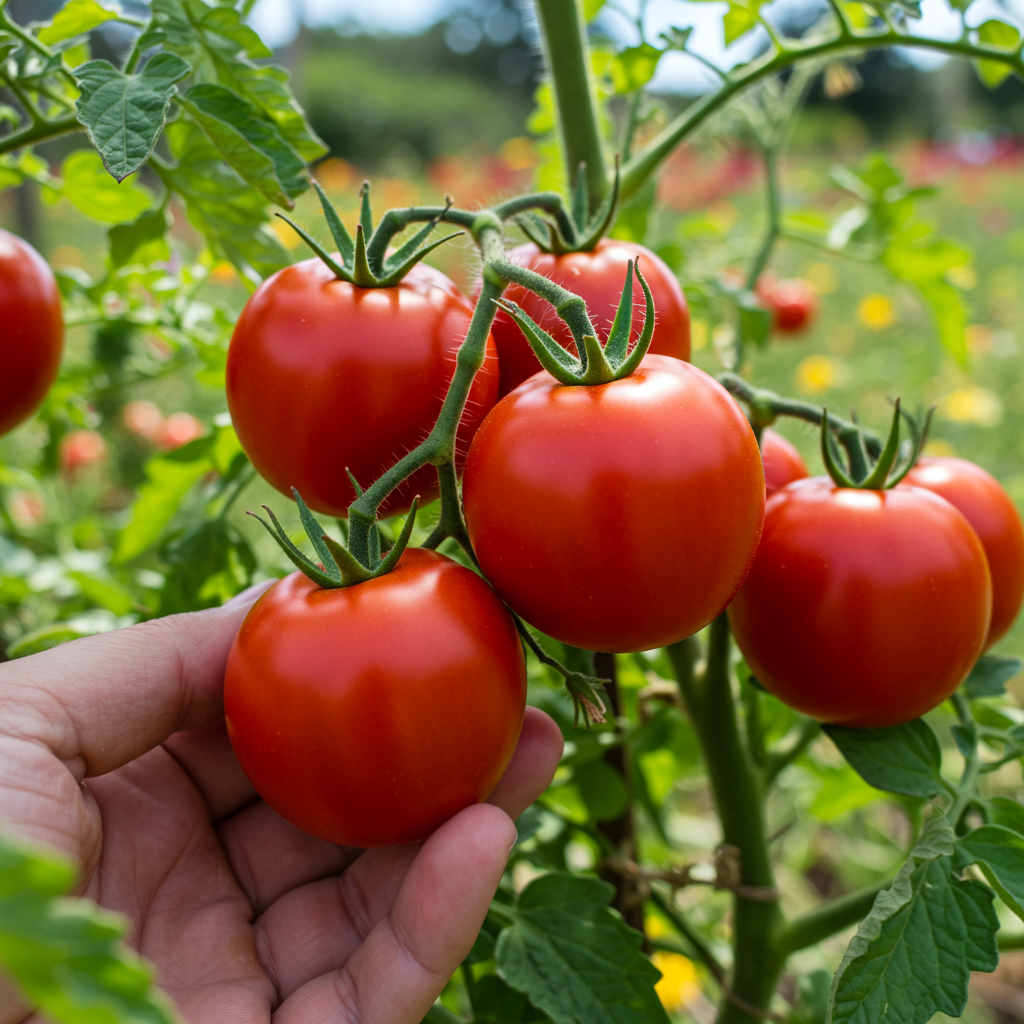
Knowing the best time to plant tomatoes in Central Florida is crucial for a successful harvest. This guide provides a comprehensive overview of planting seasons, ideal varieties, and essential tips for thriving tomato plants in the unique Central Florida climate.
Central Florida’s subtropical climate presents both opportunities and challenges for tomato gardeners. This guide helps you navigate the nuances of planting times, frost dates, and specific variety selection to ensure a bountiful tomato harvest.

Understanding Central Florida’s Climate and Its Impact on Tomatoes
Central Florida falls into USDA Plant Hardiness Zone 9b and 10a, characterized by hot, humid summers and mild winters. This means a longer growing season than northern climates, but it also necessitates careful planning, especially concerning heat and humidity. Tomatoes thrive in warm weather, but excessive heat can hinder fruit set. Understanding the specific climate conditions will help you determine the ideal planting window.
Frost Dates and Their Importance
While Central Florida rarely experiences hard freezes, frost can still occur, particularly in the northern parts of the zone. Knowing the average last and first frost dates is crucial for timing your tomato planting. Planting too early exposes seedlings to potentially damaging cold snaps, while planting too late limits the growing season before the intense summer heat sets in. Consult local resources for precise frost dates in your specific area.
The Two Tomato Seasons in Central Florida
Central Florida gardeners enjoy two distinct tomato growing seasons:
Fall/Winter Season: Planting occurs in late August through September, with harvests running from November through early spring. This is often considered the prime tomato season, offering cooler temperatures and lower pest pressure during the early growth stages.
Spring Season: Planting takes place in February through March after the danger of frost has passed, allowing for harvests in late spring and early summer. This season poses challenges from increasing heat and pest activity.
Choosing the Right Tomato Varieties for Central Florida
Selecting the right tomato variety is as important as planting at the right time. Consider these factors:
Heat Tolerance: Opt for varieties specifically bred for hot climates. Heat-tolerant tomatoes are less likely to suffer from blossom drop and fruit deformities during periods of high temperatures. Examples include ‘Solar Fire’, ‘Heatwave’, and ‘Phoenix’.
Disease Resistance: Choose varieties resistant to common tomato diseases such as Fusarium wilt and Verticillium wilt, which thrive in warm, humid conditions. Look for labels indicating disease resistance codes like “VFN” or “VFNASt.”
Days to Maturity: Factor in the length of your growing season when choosing varieties. For the fall/winter season, you can select varieties with longer maturity times. For the spring season, choose earlier-maturing varieties to ensure a harvest before the summer heat becomes too intense.
Determinate vs. Indeterminate: Determinate varieties grow to a specific size and produce fruit all at once, ideal for canning or preserving. Indeterminate varieties continue to grow and produce fruit throughout the season until frost or disease kills them.
Planting and Caring for Your Tomatoes
Site Selection and Soil Preparation:
Sunlight: Tomatoes need at least 6-8 hours of direct sunlight per day. Choose a sunny location in your garden.
Soil: Well-draining soil is crucial. Amend heavy clay soils with compost or other organic matter to improve drainage.
pH: Aim for a slightly acidic soil pH between 6.0 and 6.8.
Planting Techniques:
Seed Starting: Start seeds indoors 6-8 weeks before your intended planting date.
Transplanting: Bury seedlings deeply, up to the first set of true leaves, to encourage strong root development.
Spacing: Space plants appropriately based on the variety’s growth habit.
Ongoing Care:
Watering: Water deeply and consistently, especially during dry periods. Avoid overhead watering to prevent fungal diseases.
Fertilizing: Feed with a balanced fertilizer throughout the growing season.
Mulching: Apply mulch around the plants to retain moisture, suppress weeds, and regulate soil temperature.
Staking or Caging: Support indeterminate varieties with stakes or cages to prevent the plants from sprawling on the ground.
Pest and Disease Control: Monitor for pests and diseases and take appropriate action as needed.
Frequently Asked Questions (FAQs)
Q: Can I grow tomatoes year-round in Central Florida?
A: While you can attempt to grow tomatoes throughout the year, the extreme summer heat can make it challenging to achieve good yields. The fall/winter and spring seasons are generally more productive.
Q: What are some common tomato pests in Central Florida?
A: Common pests include whiteflies, aphids, tomato hornworms, and nematodes.
Q: My tomato plants are flowering but not producing fruit. What’s wrong?
A: Several factors can cause blossom drop, including temperature extremes (especially high heat), inconsistent watering, and nutrient deficiencies.
Q: When should I harvest my tomatoes?
* A: Harvest tomatoes when they reach their full color and are slightly soft to the touch.
Conclusion
Successfully growing tomatoes in Central Florida requires understanding the region’s unique climate and selecting the right varieties accordingly. By following the tips outlined in this guide regarding planting times, variety selection, and proper care, you can enjoy a bountiful harvest of delicious homegrown tomatoes. Remember to monitor your plants regularly for pests and diseases and adjust your care practices as needed throughout the growing season. Happy gardening!