If you want your Florida garden to thrive, knowing the best time to fertilize your plants is key. Fertilizing at the right moment helps your plants grow strong and healthy, while fertilizing at the wrong time can waste your effort and even harm the environment.
In Florida, with its unique climate and seasonal rules, timing is everything. Are you ready to learn when and how to feed your plants for the best results? Keep reading to discover expert tips on the ideal fertilizing schedule that suits Florida’s weather and local regulations—so your garden flourishes year-round without any setbacks.
Fertilizer Bans In Florida
Fertilizer bans in Florida aim to protect water quality and prevent pollution. These rules limit the use of certain fertilizers during specific times of the year. The main goal is to reduce nitrogen and phosphorus runoff that harms lakes and rivers. Knowing these bans helps gardeners fertilize responsibly.
Nitrogen And Phosphorus Restrictions
Florida restricts nitrogen and phosphorus use in fertilizers. These chemicals can wash into waterways during heavy rain. Excess nitrogen and phosphorus cause algae to grow fast. Algae blooms block sunlight and reduce oxygen for fish. Many areas ban fertilizers with these nutrients during rainy months.
Regional Variations
Fertilizer bans vary by region in Florida. Coastal counties often have stricter rules. For example, Miami-Dade and Pinellas counties follow different ban dates. Some areas ban fertilizer from June to September. Others may start or end the ban earlier or later. Check local rules to know the exact dates for your area.
Finding Local Rules
Check your city or county website for local fertilizer rules. Environmental or code enforcement departments post important details online. Local social media pages often share reminders about ban periods. Use keywords like “fertilizer ban” and your location for quick searches. Following local rules protects the environment and keeps your plants healthy.
Fertilizing Seasons
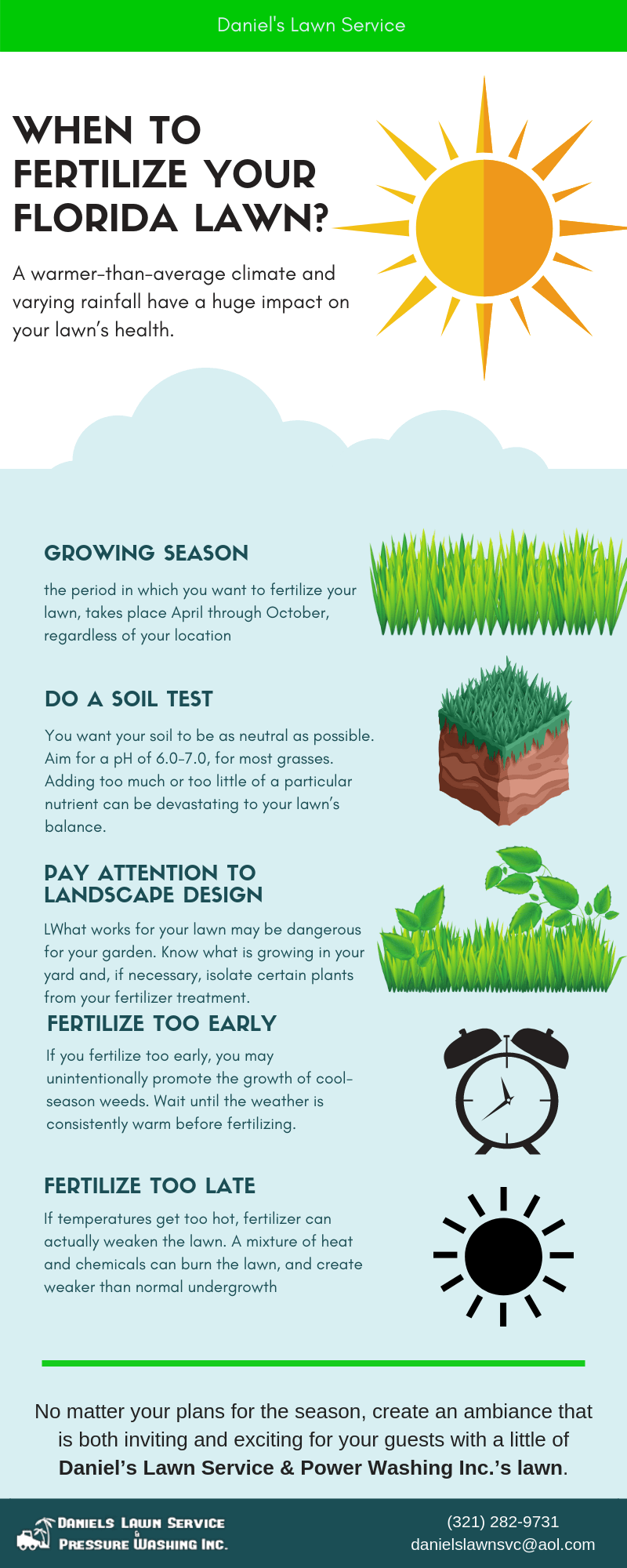
Understanding the fertilizing seasons in Florida helps plants grow strong and healthy. Plants need nutrients during certain times of the year. Fertilizing at the right season improves plant health and avoids waste. Florida’s warm climate means plants grow for many months, but timing matters.
Each season offers different benefits for fertilizing. Knowing when to fertilize supports plant growth and prevents damage. Follow seasonal guidelines to protect your garden and lawn.
Active Growth Period
The active growth period in Florida runs from March to October. During this time, plants grow quickly and need more nutrients. Fertilizing now helps roots, leaves, and flowers develop well. Avoid fertilizing when plants are dormant or stressed.
Spring Application
Spring is the best time to feed plants after winter. Apply fertilizer between February and April. This helps grass green up and plants start growing. Use a balanced fertilizer to support new growth and recover from winter.
Fall Application
Fall fertilizing in October prepares plants for the cooler months. This strengthens roots and stores energy for winter. Avoid heavy nitrogen fertilizers; use formulas that support root health. Fall feeding improves plant survival and spring performance.
Avoiding Winter Fertilization
Do not fertilize during late fall and winter. Plants enter dormancy and do not use nutrients well. Fertilizing in winter can cause new growth that cold weather will damage. Wait until spring to resume fertilizing for best results.
Best Practices For Fertilizing
Fertilizing plants in Florida requires careful attention to timing and technique. Proper fertilizing supports healthy growth and reduces waste. Following best practices ensures plants absorb nutrients effectively. It also helps protect Florida’s waterways from pollution. Understanding these methods can improve your garden’s health and sustainability.
Watering After Fertilizing
Always water plants right after applying fertilizer. Water helps dissolve the nutrients and moves them into the soil. This process prevents fertilizer from sitting on leaves, which can cause burns. It also reduces runoff into nearby water sources. Light, even watering is best to avoid washing away the fertilizer.
Using Slow-release Nitrogen
Choose slow-release nitrogen fertilizers for steady nutrient supply. These fertilizers release nutrients over time, matching plant needs. Slow-release types reduce the risk of nutrient loss from heavy rains. They promote steady growth and reduce frequent fertilizing. This method is especially useful in Florida’s rainy seasons.
Avoiding Fertilizing Dormant Plants
Do not fertilize when plants are dormant. Dormant plants are not actively growing and cannot use nutrients well. Fertilizing dormant plants wastes fertilizer and may harm the environment. In Florida, avoid fertilizing during winter or dry spells when plants rest. Focus on fertilizing during active growing seasons only.

Credit: www.lawnsandpalmsfl.com
Plant-specific Fertilizing
Fertilizing plants in Florida requires a tailored approach. Different plants have unique nutrient needs and growth cycles. Understanding these differences helps improve plant health and growth. The right timing and type of fertilizer matter for each plant type.
Turfgrass
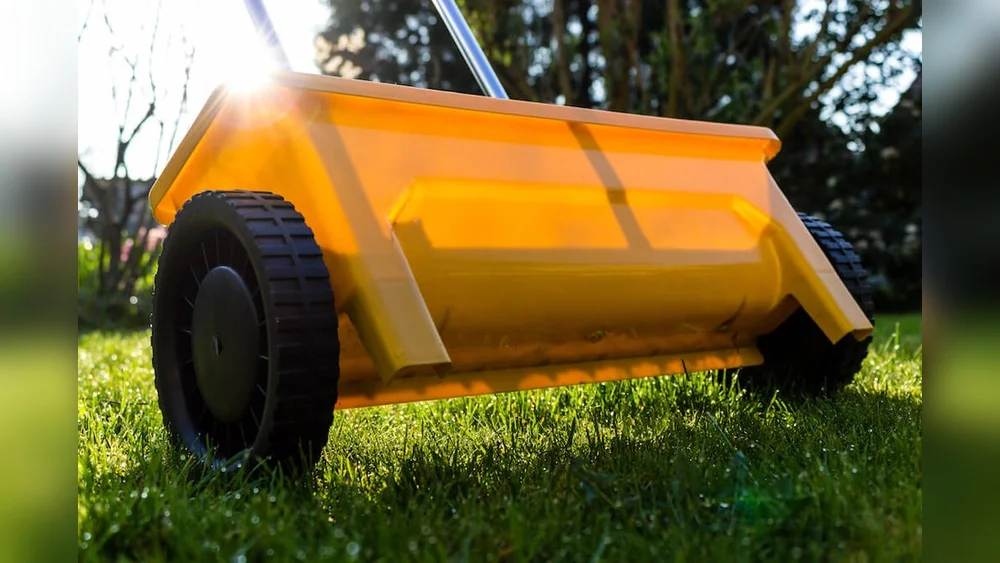
Turfgrass in Florida grows best with fertilizer applied in spring and fall. Apply fertilizer in early spring when grass starts to green. Use a slow-release nitrogen fertilizer to avoid burning the lawn. Fall fertilization helps prepare turfgrass for cooler months. Avoid fertilizing during the hot summer to prevent stress on the grass.
Landscape Plants
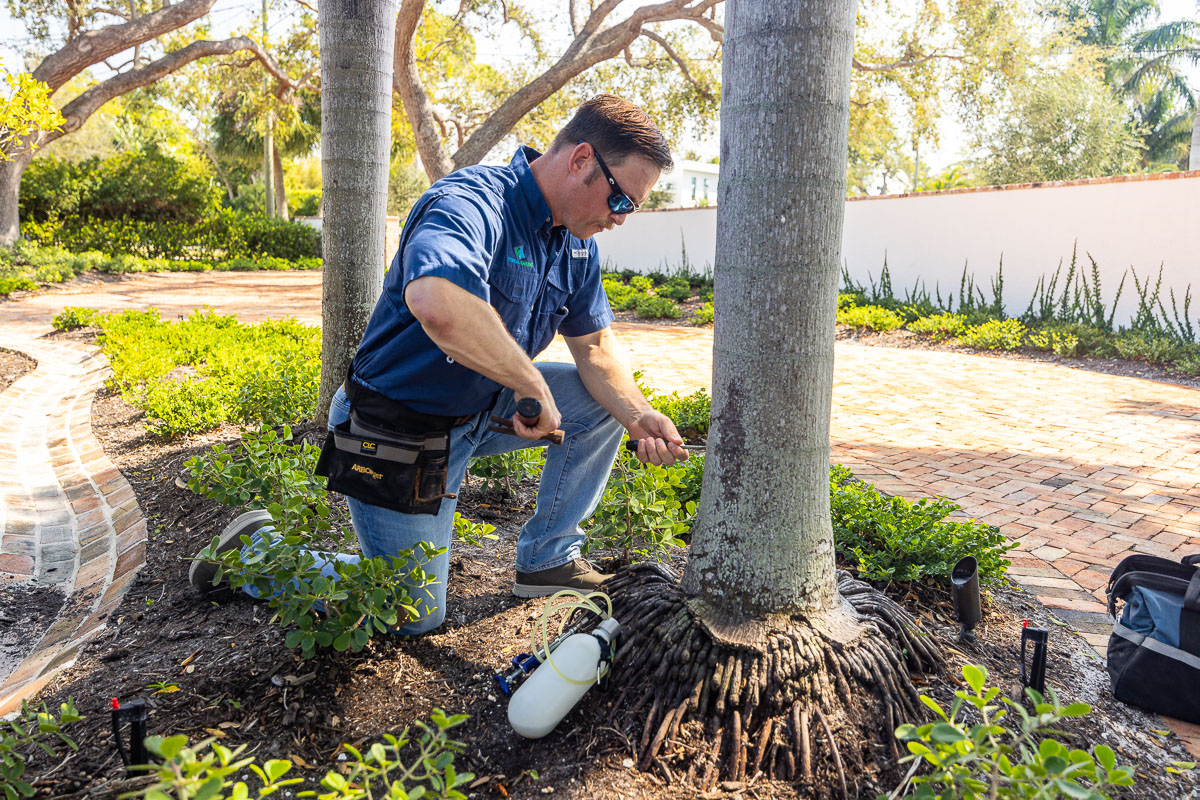
Landscape plants benefit from fertilization during their active growing season. Usually, this is from March through October in Florida. Use a balanced fertilizer with nitrogen, phosphorus, and potassium. Apply fertilizer every 6 to 8 weeks for steady growth. Avoid fertilizing when plants are dormant to reduce nutrient runoff.
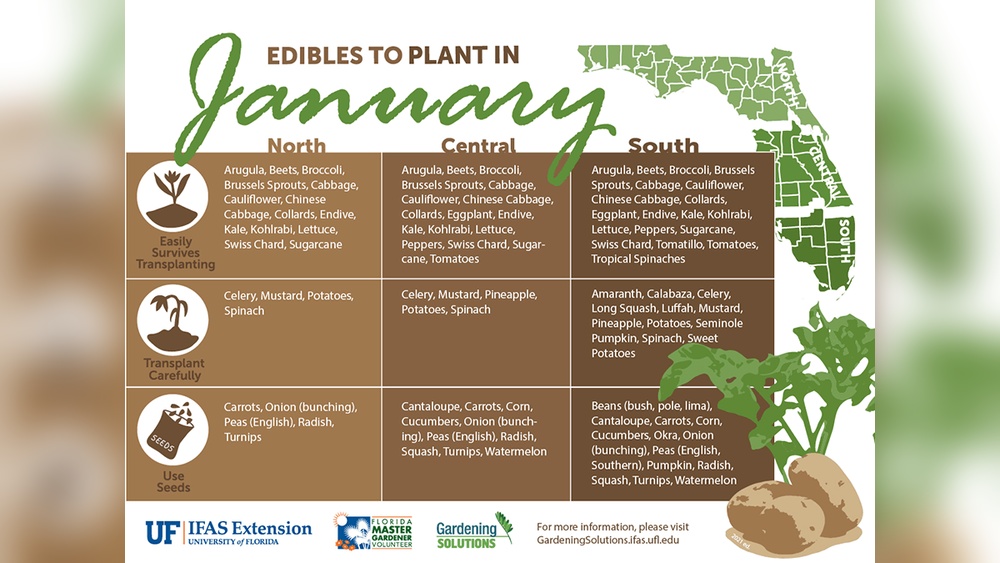
Vegetable Gardens
Vegetable gardens need nutrient-rich soil for healthy crops. Fertilize before planting and again during the growing season. Use organic or slow-release fertilizers to feed plants evenly. Apply fertilizer every 3 to 4 weeks for most vegetables. Water well after fertilizing to help nutrients reach the roots.
Checking Local Regulations
Before fertilizing your plants in Florida, always check local rules. These rules protect the environment and help you avoid fines. Fertilizing at the wrong time can harm waterways and plants. Different areas have different regulations. Knowing these rules helps you fertilize safely and legally.
County And City Ordinances
Many Florida counties and cities have their own fertilizer rules. These rules may include blackout periods when fertilizing is not allowed. Some areas limit the type or amount of fertilizer you can use. Check your local government website for specific ordinances. Following these laws keeps your neighborhood safe and clean.
State-mandated Blackout Periods
Florida has state-wide blackout periods to protect water quality. These times usually fall during the rainy season. Fertilizing during these months can cause chemicals to wash into rivers and lakes. The state bans fertilizer use from June through September in many regions. Respect these blackout periods to prevent pollution and support local wildlife.
Resources For Homeowners
Homeowners can find local fertilizer rules online. County or city websites often post detailed guides. Look for environmental or code enforcement pages. Social media pages of local governments also share updates and reminders. Use these resources to stay informed and fertilize your plants correctly.
Credit: danielslawnservice.net
Credit: tropicalgardenslandscape.com
Frequently Asked Questions
When Can You Not Fertilize In Florida?
Do not fertilize in Florida during the summer rainy blackout period, typically June to September. Avoid fertilizing dormant plants in late fall and winter. Always check local regulations, as some counties have specific bans to prevent nutrient runoff and water pollution.
When Should I Fertilize My Plants In Florida?
Fertilize plants in Florida from March to October during active growth. Apply in early spring and again in fall. Avoid fertilizing during the summer blackout period and winter dormancy. Always water fertilizer in and check local regulations before applying.
Should You Fertilize In September Or October?
Fertilize in September only if plants actively grow. Apply fertilizer in October to prepare plants for winter. Avoid fertilizing dormant plants to prevent waste and damage. Always check local regulations before fertilizing.
What Is The Best Fertilizer For Outdoor Plants In Florida?
The best fertilizer for outdoor plants in Florida is a slow-release, balanced N-P-K formula. Apply during active growth, March to October. Always water in fertilizer to prevent burning. Check local regulations for fertilizer bans and restrictions before application.
Conclusion
Fertilizing plants at the right time helps them grow strong and healthy. In Florida, fertilize mainly from early spring to fall. Avoid fertilizing during the blackout periods to protect the environment. Always water your plants after applying fertilizer for best results.
Use slow-release fertilizers to feed plants gradually. Check local rules before fertilizing, as some areas have specific restrictions. Following these simple tips keeps your garden vibrant and supports Florida’s natural waterways. Healthy plants, happy garden!