

If you live in Central Florida and want to grow your own fresh vegetables, knowing the best time to plant is key to a successful garden. Planting at the right moment means your vegetables will thrive, giving you a bountiful harvest and saving you time and effort.
You might wonder when to start planting cool-season crops like kale or warm-season favorites like tomatoes. This guide will help you understand the unique growing seasons in Central Florida, so you can plan your garden with confidence and enjoy fresh, homegrown veggies all year round.
Keep reading to discover exactly when and what to plant for a flourishing vegetable garden in your area!
Cool-season Planting
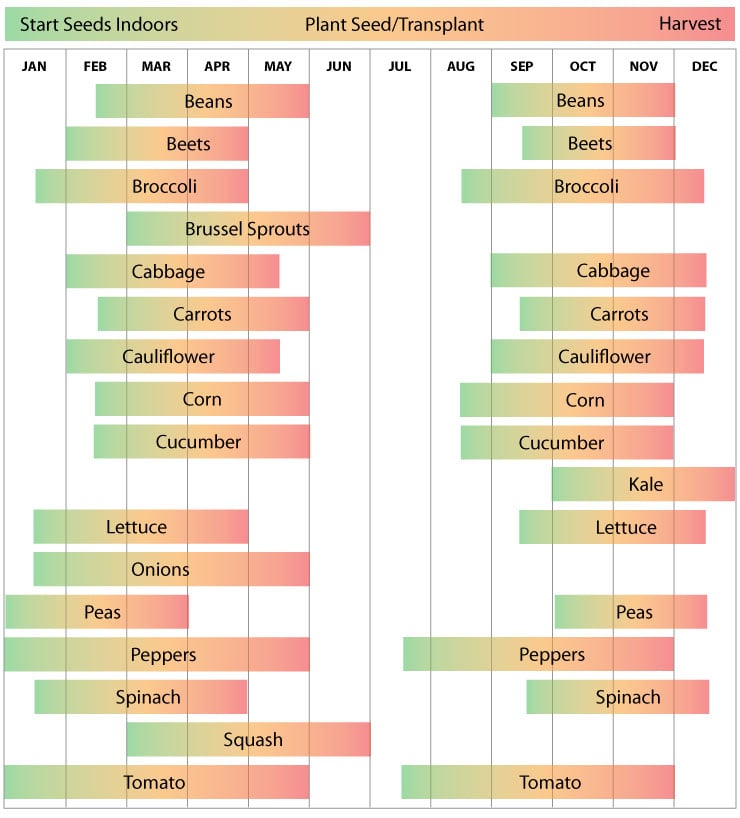
Warm-season planting in Central Florida is ideal for gardeners who want vibrant, productive vegetable gardens during the hotter months. This season spans from late February through August, offering a great chance to grow heat-loving crops. Understanding the best time and crops for this season helps maximize your garden’s success.
Optimal Planting Window
The best time to plant warm-season vegetables starts in late February. Planting too early risks frost damage, while planting late reduces harvest time. Aim to plant by mid-April to avoid the hottest summer peak. This window gives plants time to mature before extreme heat slows growth.
Suitable Crops
Choose vegetables that thrive in heat and humidity. Tomatoes, peppers, eggplants, beans, and cucumbers are excellent choices. Okra and sweet potatoes handle the heat well. These crops grow strong and produce abundantly during warm months in Central Florida.
Managing Heat And Humidity
Heat and humidity can stress plants. Use mulch to keep soil moist and cool. Water early in the morning to reduce evaporation. Provide shade during the hottest hours, especially for young plants. Good air circulation helps prevent fungal diseases common in humid weather.
Credit: www.ufseeds.com
Warm-season Planting
Central Florida enjoys a unique climate that supports two main growing seasons. Understanding these seasons helps gardeners choose the best time to plant vegetables. The region’s weather shifts between warm and cool periods, each favoring different crops. Proper timing improves plant growth and harvest success.
Gardeners must adapt to Central Florida’s seasonal changes. Planting cool-season vegetables in fall and winter yields the best results. Warm-season crops thrive in spring and early summer but struggle in the hottest months. Knowing the local seasons guides effective garden planning.
Distinct Seasons Explained
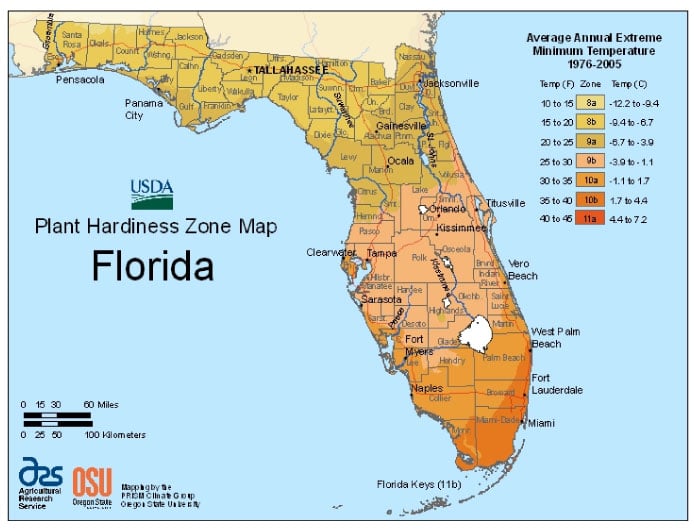
Central Florida has two clear growing seasons: warm and cool. The warm season runs from April to October. It brings high heat and humidity. The cool season lasts from November to March. Temperatures are milder, which suits many vegetables. Each season demands different planting choices.
Summer Challenges
Summer in Central Florida is very hot and humid. Most vegetables do not grow well in these conditions. Heat stress causes plants to slow growth or die. Pests and diseases increase during summer months. Gardeners often pause planting or choose heat-tolerant crops only.
Frost Protection Methods
Frosts are rare but possible in Central Florida winters. Tender plants need protection during cold snaps. Using row covers or frost blankets helps shield plants. Watering plants before frost can reduce damage. Moving potted plants indoors also offers safety. These methods keep gardens healthy through chilly nights.
Central Florida Growing Seasons
October is an ideal month to start planting vegetables in Central Florida. The weather begins to cool down, making it perfect for a variety of crops. Gardeners can take advantage of the transition period to grow both cool-weather and warm-weather vegetables. Planning your garden with the right crops ensures a healthy and productive harvest.
Cool-weather Crops
October is prime time for cool-weather vegetables. These plants thrive in mild temperatures and shorter daylight hours. Consider planting kale, broccoli, cabbage, and carrots. Lettuce and spinach also do well, providing fresh greens for your table. These crops grow best when the soil stays moist and cool. Start seeds indoors or buy young plants to transplant. These vegetables will mature during the cooler months, producing a steady harvest.
Transition To Warm-weather Crops
As October progresses, prepare for warm-weather vegetables. This time allows gardeners to plant heat-loving crops that will grow well into spring. Tomatoes, peppers, and eggplants can be started in protected spots. Beans and cucumbers also benefit from October planting. These crops enjoy the warm soil and will flourish as temperatures rise. Planning this transition helps extend your gardening season and maximize your yield.

Credit: www.revivalgardening.com
Vegetables For October Planting
Central Florida’s hot summers challenge many gardeners. Choosing heat-tolerant vegetable varieties ensures a thriving garden despite high temperatures. These plants can handle intense sun and humidity. They keep growing and producing even during warm months. Selecting these varieties helps maintain fresh vegetables year-round in your garden.
Summer-resilient Vegetables
Some vegetables naturally resist heat and thrive in Central Florida summers. Okra is a top choice, loving full sun and hot weather. Sweet potatoes grow well and provide nutritious leaves and roots. Eggplants tolerate heat and produce abundant fruit. Peppers, especially hot varieties, do well in warm conditions. Beans like cowpeas grow fast and withstand heat. Plant these vegetables late February through August for best results.
Herbs That Thrive
Many herbs love the heat and add flavor to meals. Basil grows quickly in warm weather and resists drought. Rosemary thrives in sunny, dry spots and needs little care. Thyme can handle heat and dry soil, perfect for Central Florida. Oregano grows well and spreads easily in summer. Mint prefers some shade but still grows fast. These herbs keep your garden fresh and aromatic all summer long.
Heat-tolerant Varieties
Gardening in Central Florida offers unique challenges and rewards. The climate is warm, with distinct wet and dry seasons. Successful vegetable gardening depends on understanding local conditions. Proper soil care, watering, and pest control are key. These tips help grow healthy, productive plants all year.
Soil Preparation
Start with rich, well-draining soil. Central Florida soils often need organic matter added. Mix compost or aged manure into the soil. This improves fertility and moisture retention. Test soil pH; aim for 6.0 to 6.8 for most vegetables. Loosen soil to a depth of 8-12 inches. This allows roots to grow deeply and access nutrients.
Watering Strategies
Water plants early in the morning for best results. This reduces evaporation and fungal problems. Use drip irrigation or soaker hoses to keep leaves dry. Consistent moisture is essential, especially during dry spells. Avoid overwatering to prevent root rot. Mulch around plants to conserve moisture and control weeds.
Pest And Disease Management
Inspect plants regularly for pests like aphids and caterpillars. Remove pests by hand or use insecticidal soap if needed. Rotate crops each season to reduce disease buildup in soil. Choose resistant vegetable varieties to lower disease risk. Keep garden clean by removing dead leaves and debris. Healthy plants resist pests and diseases better.
Credit: www.ufseeds.com
Frequently Asked Questions
When Should I Start A Vegetable Garden In Central Florida?
Start your vegetable garden in Central Florida from mid-September to March for cool-season crops. Plant warm-season vegetables from late February to August. Avoid planting during the hot summer months, as high heat can harm most vegetables. Align planting with Central Florida’s two growing seasons for best results.
What Can I Plant In October In Florida?
Plant cool-season vegetables like kale, broccoli, carrots, lettuce, onions, garlic, and spinach in Florida during October. Start seeds indoors for best results.
What Is The Easiest Vegetable To Grow In Central Florida?
The easiest vegetable to grow in Central Florida is the green bean. It thrives in warm seasons and requires minimal care.
Is September Too Late To Plant A Garden?
September is ideal for planting cool-season vegetables like kale, carrots, and broccoli. Start seeds indoors due to remaining heat. Align planting with your region’s growing seasons for best results.
Conclusion
Plant your vegetables according to Central Florida’s seasons. Cool-season crops grow best from September to March. Warm-season plants thrive from late February to August. Avoid planting during the hot summer months. Protect young plants from rare frost events. Following these simple steps will help your garden grow strong.
Enjoy fresh, homegrown vegetables all year round. Start planting at the right time for the best results. Gardening in Central Florida can be rewarding and fun.