

Are you dreaming of picking fresh, creamy avocados right from your own backyard? If you live in Florida, planting an avocado tree can be a rewarding experience—but timing is everything.
Knowing the best time to plant your avocado tree will give it the strongest start, helping you enjoy healthy growth and bountiful fruit for years to come. In this guide, you’ll discover exactly when to plant your tree in Florida’s unique climate, along with tips to set your avocado tree up for success.
Keep reading to turn your avocado-growing dreams into a delicious reality!
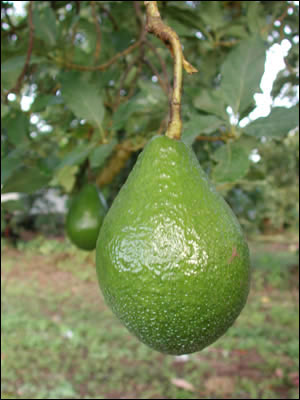
Credit: gardeningsolutions.ifas.ufl.edu
Best Planting Season
Choosing the best planting season for an avocado tree in Florida is crucial for healthy growth. Planting at the right time helps the tree establish strong roots and survive the local climate. Florida’s warm weather and unique seasonal changes influence when avocado trees thrive best.
Spring Advantages
Spring is the ideal time to plant avocado trees in Florida. The soil warms up, encouraging root growth. Mild temperatures reduce stress on young trees. Spring rains provide natural watering, helping the tree settle in. This season supports faster recovery from transplant shock.
Avoiding Frost Periods
Frost can damage avocado trees, especially young ones. Planting after the last frost date reduces risk. Florida’s frost season usually ends by late winter. Waiting until spring means the tree faces fewer cold snaps. Avoiding frost protects leaves and fruit buds from freezing.
Soil And Weather Conditions
Florida’s soil is sandy and drains well, perfect for avocados. Planting in spring takes advantage of balanced moisture levels. Weather is warm but not too hot, helping the tree grow steadily. Proper soil preparation in spring boosts nutrient uptake. Consistent weather conditions improve tree survival rates.

Credit: www.youtube.com
Choosing Avocado Varieties
Choosing the right avocado variety is key for a successful harvest in Florida. Different types suit various climates and seasons. Picking the best one depends on your location and taste preferences. Understanding the options helps ensure healthy trees and tasty fruit.
Early Season Types
Early season avocados mature quickly and bear fruit in spring or early summer. The Simmonds variety is a top choice. It has smooth green skin and a rich flavor. Simmonds handles Florida’s humid weather well. These trees start producing fruit earlier than most. They fit small spaces and beginner gardeners.
Mid To Late Season Choices
Mid to late-season varieties produce fruit in summer to fall. Florida Hass is popular here. It grows well in Florida’s heat and humidity. Monroe is another great option. It is known for large, tasty fruit and good cold tolerance. Lula ripens late and has a rich, nutty taste. It suits those who want fruit later in the year.
Cold-hardy Options
Cold-hardy avocado trees survive Florida’s occasional cold snaps. Monroe stands out as a frost-resistant variety. Lula also shows good cold tolerance. Choosing these types helps protect your crop from frost damage. They keep fruit production steady even in cooler weather.
Site Selection Tips
Choosing the right spot for your avocado tree is very important for its growth. A good site helps the tree get enough sunlight, space, and proper soil conditions. This section covers key tips on how to select the best site in Florida.
Sunlight Requirements
Avocado trees need full sun to grow strong and healthy. They should get at least six hours of direct sunlight each day. Avoid shady areas under tall trees or buildings. More sunlight means better fruit production and faster growth.
Spacing From Structures
Plant avocado trees away from buildings, fences, and power lines. Trees can grow large, up to 30-60 feet tall. Give them plenty of space to spread their roots and branches. A clear area helps air flow and reduces disease risk.
Soil Drainage Needs
Good soil drainage is essential for avocado trees. They do not like wet or soggy soil, which can cause root rot. Choose a site with sandy or loamy soil that drains water quickly. Avoid low spots where water collects after rain.
Planting Techniques
Planting an avocado tree properly is essential for healthy growth and good fruit production in Florida. Using the right techniques helps the tree establish strong roots and withstand Florida’s climate. This section covers key steps to plant your avocado tree correctly.
Preparing The Hole
Dig a hole twice as wide as the root ball of the tree. The hole should be about the same depth as the root ball. Loosen the soil around the hole to help roots grow easily. Remove rocks and debris from the hole. This creates a good environment for the tree to start growing.
Proper Planting Depth
Place the tree in the hole so the top of the root ball is level with the ground surface. Planting too deep can cause root rot. Planting too shallow can dry out the roots. Keep the graft union above soil level. This ensures the tree grows strong and healthy.
Watering Guidelines
Water the tree immediately after planting to settle the soil around roots. Keep the soil moist but not soggy during the first few months. Water deeply once or twice a week, depending on weather. Avoid overwatering as avocado trees dislike wet feet. Proper watering helps the tree adapt and grow well.
Care After Planting
Proper care after planting is key to growing a healthy avocado tree in Florida. The young tree needs support to establish strong roots. Regular attention helps it adapt to the Florida climate and soil. Simple steps will encourage growth and fruit production.
Mulching Benefits
Mulching keeps soil moist and cool around the tree roots. It prevents weeds that compete for nutrients and water. Organic mulch slowly breaks down, enriching the soil with nutrients. Spread mulch in a 3 to 4 inch layer, but keep it away from the trunk. Mulching reduces soil erosion during Florida’s heavy rains.
Fertilizing Schedule
Feed your avocado tree with a balanced fertilizer. Use one rich in nitrogen for leafy growth. Apply fertilizer three times a year: early spring, mid-summer, and fall. Follow package instructions to avoid over-fertilizing. Healthy soil helps the tree resist stress and produce better fruit.
Pest And Disease Control
Check your tree regularly for pests like mites, scales, and borers. Use insecticidal soap or horticultural oil to control infestations. Remove damaged leaves and fruit to stop diseases from spreading. Watch for root rot in poorly drained soil and improve drainage if needed. Early detection keeps your avocado tree strong and productive.
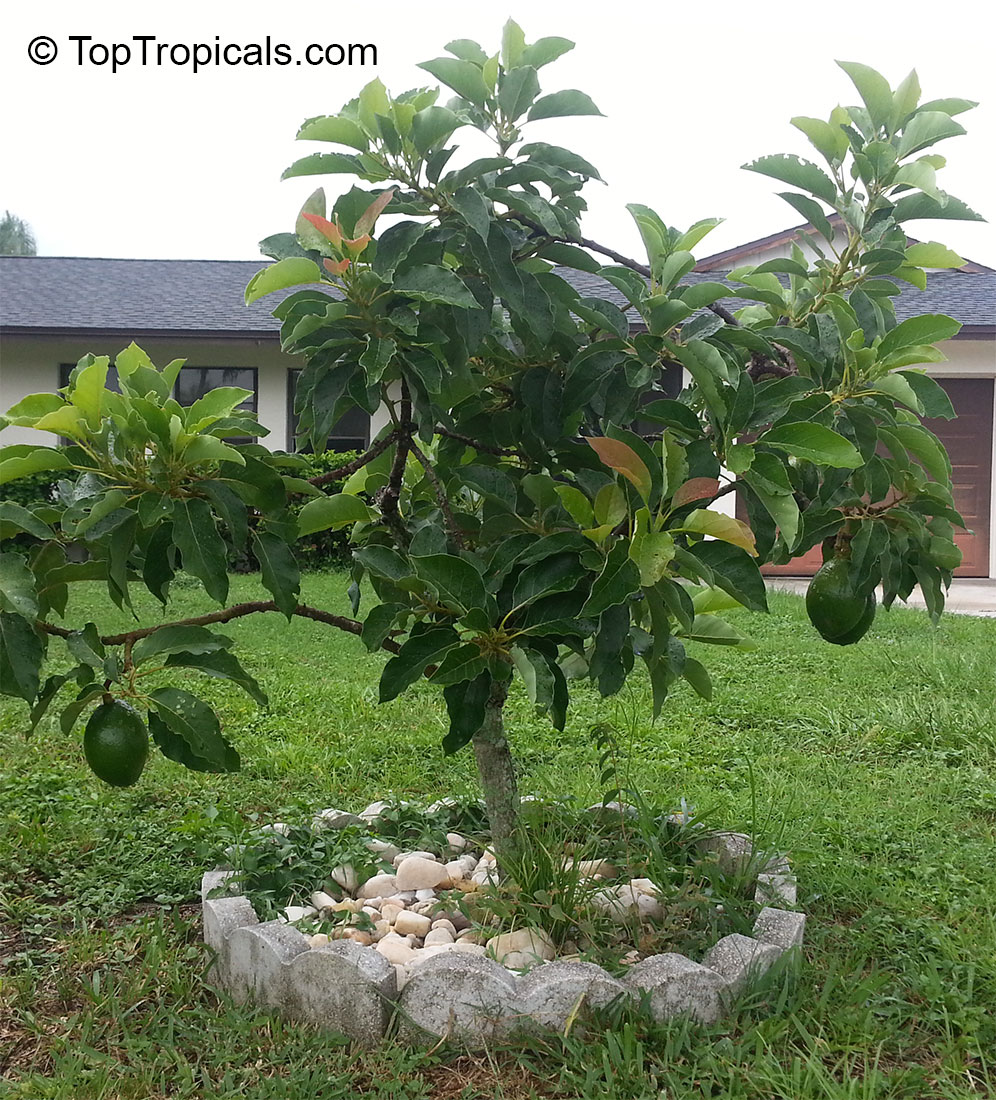
Credit: toptropicals.com
Harvest Timing
Harvest timing is crucial for a successful avocado yield in Florida. Knowing the right moment to pick ensures the best flavor and texture. Avocado trees can take months before their fruits mature. Understanding when avocados are ready helps prevent picking too early or late.
Signs Of Maturity
Avocados do not ripen on the tree. They mature and soften after harvest. Look for these signs:
- Fruit size reaches expected variety standard.
- Skin color changes slightly depending on type.
- Fruit feels firm but not rock hard.
- Stem may start to dry or loosen.
Testing a few fruits by picking and softening them indoors can confirm readiness.
Harvest Methods
Harvesting avocados gently prevents damage. Use these methods:
- Hand-pick fruits carefully to avoid bruises.
- Use pruning shears to cut fruit stems.
- Collect fruit in padded baskets or containers.
- Avoid dropping fruits to the ground.
Harvest in dry weather for cleaner fruit and easier handling.
Post-harvest Handling
Proper handling after harvest keeps avocados fresh longer. Follow these steps:
- Store fruits in a cool, shaded place immediately.
- Avoid stacking too many avocados to prevent bruises.
- Allow fruit to ripen at room temperature.
- Refrigerate ripe avocados to extend shelf life.
Handle avocados with care to maintain quality and taste.
Frequently Asked Questions
When To Plant An Avocado Tree In Florida?
Plant avocado trees in Florida during early spring. This timing ensures warm soil and optimal growth conditions. Choose a sunny, well-drained spot away from buildings. Planting in spring helps trees establish before summer heat and occasional frosts. Early spring planting promotes healthy root development and fruit production.
What Is The Best Avocado To Grow In Florida?
The best avocados to grow in Florida are Simmonds, Florida Hass, Monroe, Lula, and Choquette. These varieties suit Florida’s climate well.
How Long Does It Take For A Florida Avocado Tree To Produce Fruit?
A Florida avocado tree typically takes 3 to 4 years to produce fruit. Proper care and climate conditions speed growth.
What Is The Secret To Growing Avocado Trees?
The secret to growing avocado trees lies in planting in well-drained soil with full sun, regular watering, and protecting from frost. Choose climate-adapted varieties and prune for healthy growth.
Conclusion
Planting an avocado tree in Florida during spring gives it the best start. The warm weather helps young trees grow strong roots quickly. Choose a sunny spot with good drainage for healthy growth. Avoid planting near buildings or power lines to allow room to grow.
Selecting the right avocado variety also improves success. Trees planted at the right time produce better fruit and grow faster. Start early and watch your avocado tree thrive in Florida’s climate. Patience and care will reward you with delicious, homegrown avocados.