
Are you planning to add beautiful bushes to your Florida garden? Knowing the best time to plant bushes can make all the difference in how well they grow and thrive.
Florida’s unique climate means timing your planting right is key to giving your bushes a strong start. Whether you want to avoid heat stress or take advantage of the rainy season, this guide will help you choose the perfect season to plant.
Keep reading to discover the best months to plant, tips for each season, and how to ensure your bushes flourish year-round in the Sunshine State. Your garden’s success starts here!
Credit: canterburyfarmsnursery.com
Fall Planting Benefits
Planting bushes in Florida during fall brings many benefits. The weather and soil conditions help bushes grow strong roots. This prepares them for healthy growth in spring. Fall planting reduces plant stress and watering needs. It gives your bushes a better start than other seasons.
Cooler Air And Warm Soil
Fall in Florida has cooler air but still warm soil. This balance is perfect for bushes. Warm soil helps roots grow deeply. Cooler air reduces heat stress on the plants. Bushes can establish roots without battling harsh heat.
Root Development Advantages
Strong roots are key for healthy bushes. Fall allows roots to grow before winter. This gives bushes a head start for spring growth. Well-developed roots absorb nutrients better. They also help bushes survive dry spells and wind.
Watering And Stress Reduction
Fall rains in Florida lower the need for frequent watering. Cooler temperatures reduce water loss from plants. This means bushes use water more efficiently. Less stress from heat helps bushes focus on root growth. Watering is easier and less time-consuming.
Fertilizing Tips
Avoid heavy fertilizing right after planting in fall. Fertilizer can push leaf growth before roots develop. Use a slow-release fertilizer after roots are set. This supports steady growth without overloading the plant. Light feeding helps bushes grow strong and healthy.
Spring Planting Tips
Spring offers a great chance to plant bushes in Florida. The weather warms up, and the soil becomes easier to handle. Planting in spring helps bushes build strong roots before the hot summer arrives. Use these tips to prepare your bushes for a healthy start.
Soil Workability
Check if the soil is soft enough to dig. Squeeze a handful of soil. If it crumbles easily, the soil is ready. Avoid planting in soil that is too wet or too hard. Proper soil helps roots grow well.
Timing Before Heat
Plant bushes early in spring before temperatures rise. Cooler weather reduces stress on new plants. Early planting gives bushes time to adapt. This timing helps them survive Florida’s hot summer.
Soil Moisture Check
Make sure the soil is moist but not soggy. Moist soil supports root growth. Too much water can cause root rot. Water your bushes after planting if the soil feels dry. Keep soil moisture balanced for best results.
Summer Planting Challenges
Planting bushes in Florida during summer brings unique challenges. The intense heat and dry spells can stress young plants. Without proper care, bushes may struggle to establish strong roots. Understanding these challenges helps gardeners keep their plants healthy and thriving.
Year-round Planting In Florida
Florida’s warm climate allows planting almost any time. Unlike colder states, the soil rarely freezes here. This means bushes can be planted in summer, spring, fall, or winter. Each season has its benefits and challenges. Summer planting needs special care due to heat and water needs.
Watering Requirements
Summer heat increases water loss from soil and plants. Newly planted bushes need frequent watering to stay healthy. Water deeply and regularly, especially in the first few weeks. Early morning or late evening watering reduces evaporation. Keep soil moist but not soaked to avoid root rot.
Heat Stress Management
High temperatures cause heat stress in young bushes. Leaves may wilt or turn yellow under intense sun. Use mulch around plants to keep soil cool and moist. Shade cloths or temporary covers protect delicate bushes during peak heat. Proper care helps bushes survive and grow strong.
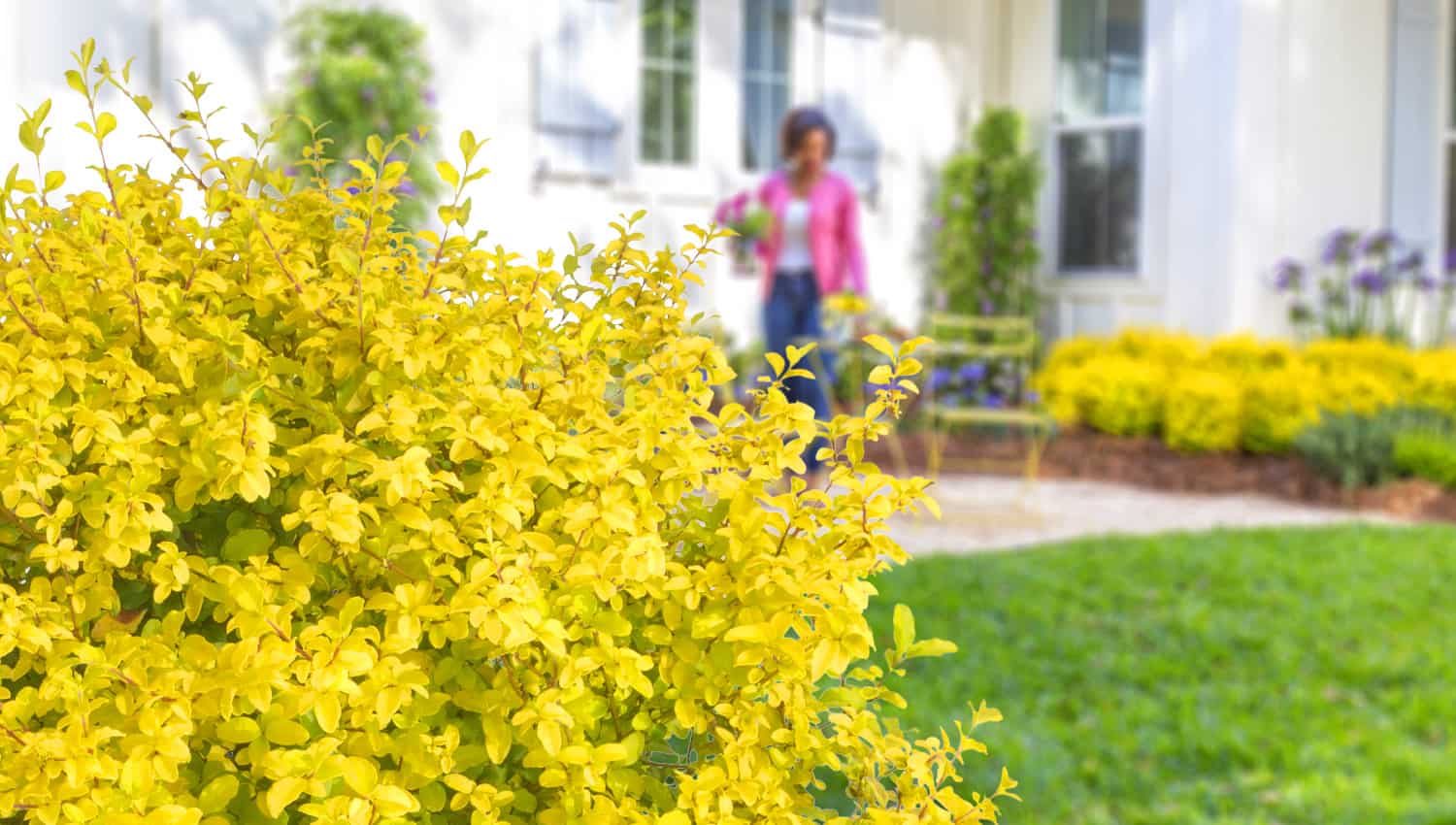
Credit: southernlivingplants.com
Winter Planting Insights
Planting bushes in Florida during winter has unique challenges and benefits. Understanding these can help your plants thrive despite cooler weather. Winter planting is possible, but growth slows down compared to other seasons. Preparing properly ensures your bushes survive and grow well in spring.
Slow Growth Conditions
Winter temperatures in Florida are cooler, causing slower plant growth. Soil stays cooler, reducing root activity. Bushes use less energy and grow at a slower rate. Expect less visible growth until warmer weather returns. Patience is key during this period.
Cold Protection Advice
Some parts of Florida may experience frost or cold snaps. Protect tender bushes with frost cloth or blankets at night. Mulch around the base to keep soil temperature stable. Avoid planting cold-sensitive bushes outdoors during harsh winter spells. Check local weather forecasts regularly.
Early Season Preparation
Use winter to prepare the planting site well in advance. Clear weeds and loosen soil for better root penetration. Add compost to improve soil nutrients and drainage. Planning now helps bushes establish quickly when spring arrives. Proper preparation leads to healthier, stronger plants.
Site Selection Factors
Choosing the right spot to plant bushes in Florida is key to their success. The site affects how well shrubs grow and stay healthy. Consider sunlight, soil, and nearby structures before planting. Matching the bush to its environment helps it thrive. Avoid areas that could cause problems later. Understanding these site selection factors makes planting easier and more effective.
Matching Shrub Needs
Each shrub has specific needs for water, space, and light. Select a location that fits these needs well. Some bushes prefer dry soil, while others need moist ground. Know the shrub’s requirements before planting. This match helps the plant grow strong and resist disease. Avoid planting shrubs in areas that do not meet their needs.
Avoiding Structural Conflicts
Keep bushes away from buildings, sidewalks, and pipes. Roots can damage foundations and underground lines. Branches may block walkways or windows as they grow. Leave enough space for the shrub to spread without hitting structures. Plan for the shrub’s mature size. This prevents costly repairs and keeps your landscape neat.
Sunlight And Soil Type
Sunlight is vital for bush growth. Some shrubs need full sun, while others grow better in shade. Observe your site to see how much sun it gets daily. Soil type also matters. Sandy, clay, or loamy soils hold water differently. Test your soil and choose bushes that suit its type. Good sunlight and soil improve growth and flowering.
Soil Preparation Essentials
Preparing the soil is a crucial step before planting bushes in Florida. Proper soil preparation helps bushes establish strong roots and grow healthy. Florida soils can vary, so improving soil quality ensures better water retention and nutrient availability. Follow these key steps for soil preparation essentials.
Improving Soil Structure
Florida soils often have sandy texture that drains quickly. Adding organic matter like compost or peat moss improves soil structure. It helps soil hold moisture and nutrients longer. Loosen the soil to a depth of 12-15 inches before planting. This allows roots to penetrate easily and spread well.
Drainage Considerations
Good drainage prevents waterlogging, which can harm bushes. Check if your planting area drains well after rain. If water pools, raise the planting bed or add sand to improve drainage. Avoid heavy clay soils or compacted areas that trap water. Proper drainage reduces root rot risk and supports healthy growth.
Nutrient Management
Soil nutrients must support new bush growth. Conduct a soil test to identify nutrient deficiencies. Add balanced fertilizers or organic amendments based on test results. Avoid over-fertilizing, which can damage roots. Use slow-release fertilizers to provide steady nutrients. Nutrient-rich soil promotes strong roots and vibrant bushes.
Watering Strategies
Proper watering is crucial for healthy bushes in Florida’s climate. Watering helps bushes establish strong roots and survive dry spells. Different seasons require different watering routines. Understanding these needs helps your bushes thrive year-round.
Frequency By Season
In fall, water bushes once or twice a week. Cooler weather means less water is needed. In spring, increase watering to two or three times weekly. This supports new growth after winter. Summer needs daily watering due to heat and evaporation. Winter requires less water, about once a week, depending on rainfall.
Signs Of Over Or Underwatering
Wilting leaves may mean underwatering. Dry soil confirms this problem. Yellowing leaves or soft stems often show overwatering. Overwatered soil feels soggy and smells musty. Watch your bushes closely to catch these signs early. Adjust watering amounts to keep bushes healthy.
Mulching Benefits
Mulch helps keep soil moist longer. It reduces evaporation and lowers watering needs. Mulch also controls weeds that compete for water. Organic mulches add nutrients as they break down. Apply mulch in a 2-3 inch layer around bushes. Keep mulch a few inches away from stems to avoid rot.
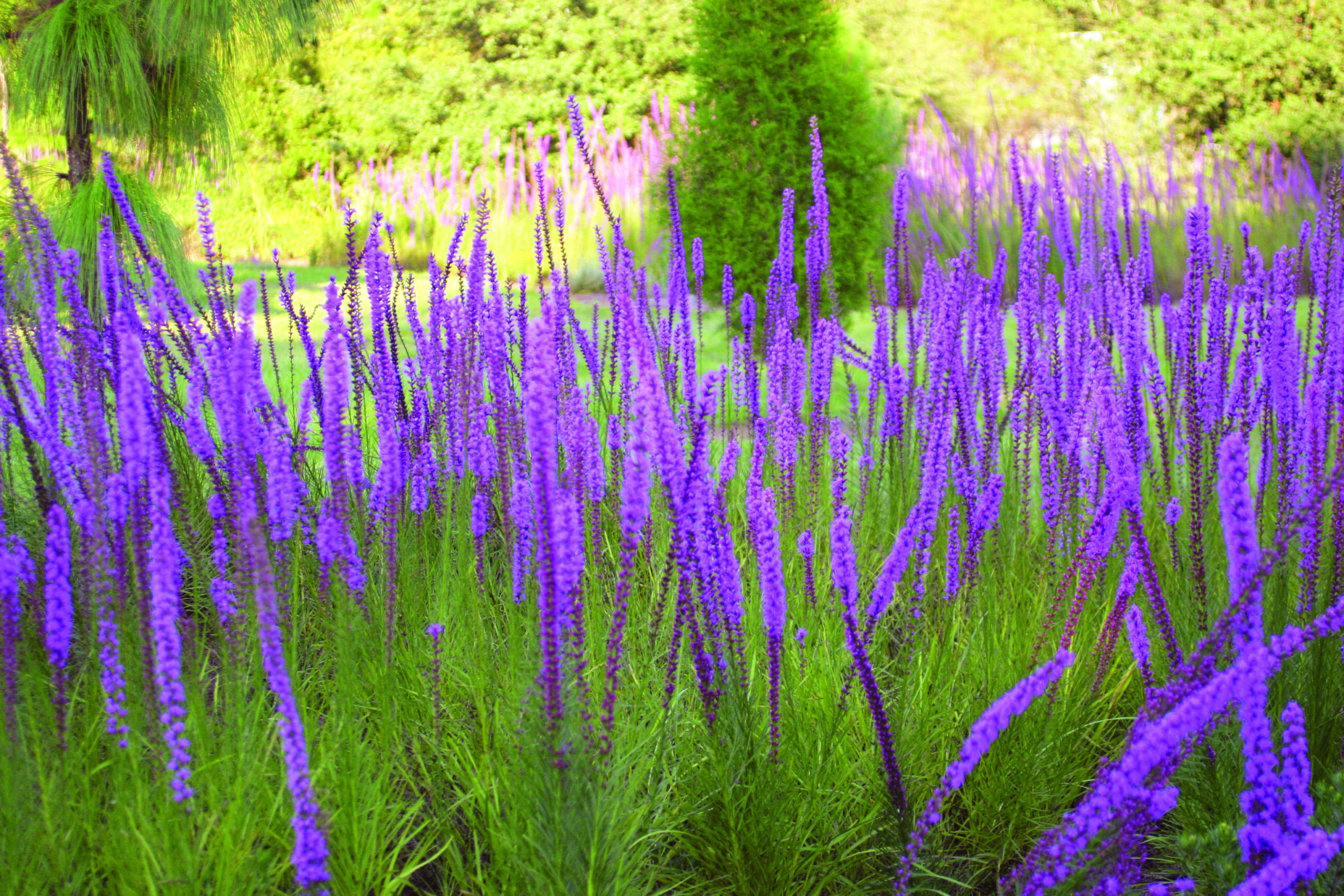
Credit: www.flawildflowers.org
Choosing The Right Shrubs
Choosing the right shrubs is key to a thriving garden in Florida. Not all bushes handle Florida’s heat and soil the same way. Selecting shrubs that fit your climate and care abilities helps your plants grow strong and healthy.
Think about the conditions your garden faces daily. Sunlight, water, and soil type influence which shrubs will do well. Choosing wisely saves time and effort later.
Heat Tolerance
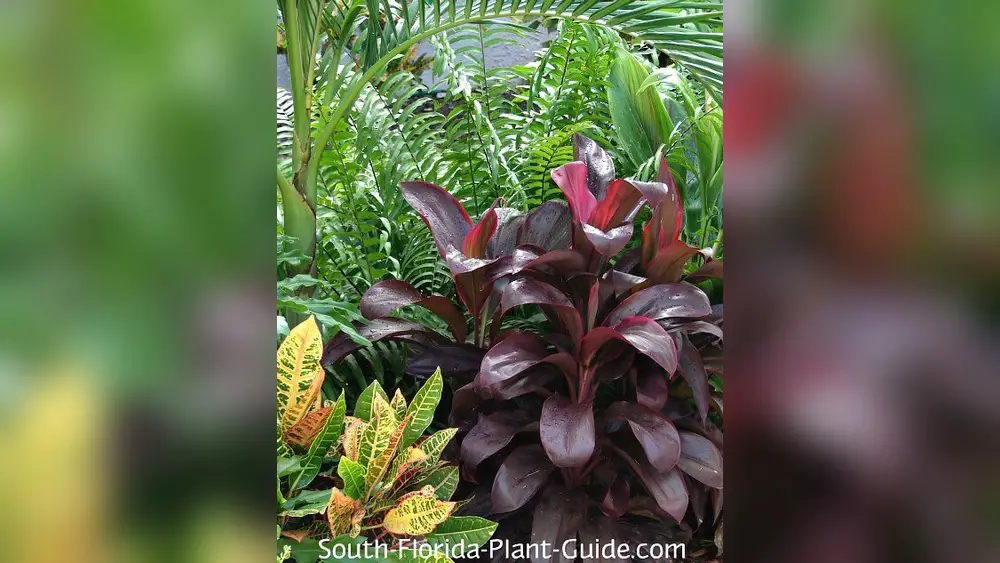
Florida’s heat can be tough on plants. Pick shrubs that stand up well to high temperatures. Heat-tolerant bushes stay green and vibrant without much extra care. They survive dry spells better than others. Examples include hibiscus and crotons.
Growth Rate
Some shrubs grow fast, others slow. Fast-growing bushes fill space quickly. They can create privacy or shade sooner. Slow growers often need less pruning and maintenance. Choose growth rates that match your garden plans and patience level.
Maintenance Needs
Every shrub needs some care. Some require frequent watering and pruning. Others thrive with little help. Select shrubs that fit your time and effort available. Low-maintenance bushes keep your garden neat with less work.
Frequently Asked Questions
What Is The Best Time To Plant Shrubs In Florida?
The best time to plant shrubs in Florida is fall. Cooler air and warm soil boost root growth. Planting then reduces heat stress and watering needs. Early spring also works if soil is workable. Summer planting requires frequent watering due to heat.
What Is The Best Month To Plant In Florida?
The best month to plant in Florida is fall. Cooler air and warm soil boost root growth and reduce plant stress. Early spring also works if soil is workable. Summer requires frequent watering due to heat. Winter planting suits South Florida but slows growth.
What Is The Rule Of 3 In Landscaping?
The rule of 3 in landscaping means grouping plants or elements in odd numbers, especially threes. This creates balance, visual interest, and natural flow in garden design. It helps avoid symmetry and promotes a more appealing, dynamic landscape layout.
What Month Is Best To Plant Shrubs?
The best month to plant shrubs is fall, as cooler air and warm soil boost root growth before spring. Early spring also works if soil is workable. Avoid summer due to heat stress, unless you can water regularly. Winter planting suits mild climates but slows growth.
Conclusion
Planting bushes in Florida works best in fall for strong root growth. Cooler air and warm soil help bushes settle well before spring. Spring also suits planting if soil feels crumbly and not wet. Summer needs more watering but still supports growth.
Winter planting suits South Florida, but protect plants from frost in the north. Match bushes to the right spot for best results. Remember, healthy roots mean healthier bushes all year long. Choose the right time, care well, and enjoy a thriving garden.