
The best time to plant fig seeds in Florida is typically in late spring or early summer. This timing allows the seeds to germinate and establish roots during the warmer months, benefiting from Florida’s extended growing season and ample sunlight. Ensure you choose a location with well-draining soil and plenty of sunshine.

Understanding Fig Seed Germination and Growth
Fig seeds are small and need specific conditions to sprout. They are not like planting a big tomato seedling. You can’t just pop them in the ground anytime.
Florida’s climate plays a big role in this.
Figs love warmth. They need consistent heat to get going. They also need good soil.
This soil should let water drain easily. If water sits too long, the seeds can rot. This is a common problem.
In Florida, we have hot summers. We also have mild winters. This climate offers a long growing season.
But it can also bring challenges like heavy rain or sudden cold snaps. Timing is key to avoid these issues.
When is the Ideal Time to Plant Fig Seeds in Florida?
For best results, aim for planting fig seeds in Florida around late spring or early summer. This is usually from May through July. This period offers several advantages for new fig plants.
The soil temperatures are warm enough. Seeds can sprout more reliably. The young plants get plenty of sunlight.
This is crucial for their early growth. They also have many weeks of warm weather ahead. This helps them grow strong before fall arrives.
Planting too early, like in March or April, can be risky. We might still get late frosts. These cold spells can damage tender new seedlings.
Planting too late, in August or September, means they won’t have enough time to grow well. They might not be strong enough for the cooler months.
A Personal Experience with Fig Seeds in Florida
I remember trying to plant fig seeds for the first time. It was a beautiful spring day in April. The sun was warm, and I felt so hopeful.
I had read that figs like warmth. So I thought spring was perfect.
I carefully sowed the tiny seeds in pots. I put them out on my patio. A few weeks later, nothing happened.
Then, a surprise cold snap hit. The pots got chilly. I was so disappointed.
My little seeds probably didn’t stand a chance.
The next year, I waited. I waited until late May. The air was hot and humid.
The soil felt warm to the touch. I used pots with good drainage. I kept them in a sunny spot.
This time, sprouts appeared quickly! They were tiny and green. But they were alive.
It was a huge relief. This taught me patience is a gardener’s best friend. Especially in Florida.
Why Early Summer is Great for Figs
Extended Warmth: Young plants get many months of heat. This helps them grow big and strong.
Plenty of Sun: Summer brings long, sunny days. Figs need sun to make food.
Reduced Frost Risk: You avoid late spring cold. This protects new growth.
Better Soil Moisture: Warmer soils help seeds sprout faster.
Choosing the Right Spot and Soil
Even with perfect timing, your fig seeds need the right home. Think about where you will plant them. Figs need sun.
Lots of sun. Aim for a spot that gets at least six to eight hours of direct sunlight each day. Morning sun is great.
It helps dry dew off the leaves.
The soil is just as important. Good drainage is a must. If you are planting in pots, use a potting mix made for containers.
You can add some perlite or sand to it. This makes it drain even better.
If planting in the ground, test your soil. Does it hold water for too long? You might need to improve it.
You can add compost. Compost helps improve soil structure. It also adds nutrients.
You can also build raised beds. Raised beds offer excellent drainage. They are a good choice for many Florida soils.
Understanding Florida’s Climate for Planting
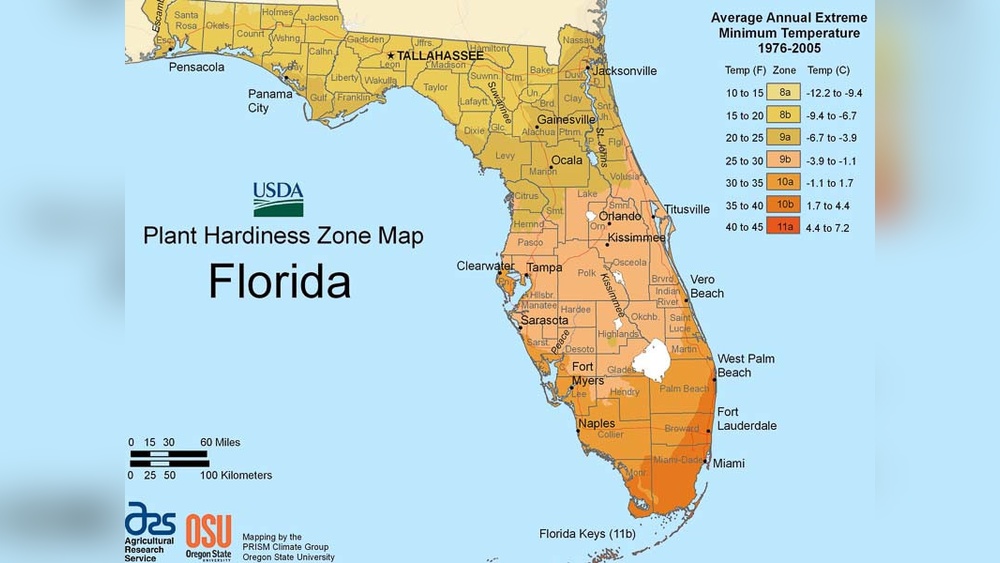
Florida has a unique climate. It’s generally warm and humid. We have two main seasons: wet and dry.
The planting season needs to align with these conditions.
The Wet Season: This is roughly from June to September. It’s very hot and humid. We get frequent thunderstorms.
This is the time when summer planting works well for figs. The warmth is ideal for germination and growth. However, you must ensure good drainage.
Too much rain can drown young plants. Or cause fungal issues.
The Dry Season: This is typically from October to May. Winters are mild. Freezing temperatures are rare in most of South Florida.
North Florida can get occasional frost. If you plant seeds in late summer or early fall, you need to protect them. This is because they won’t have enough time to establish.
They might struggle with cooler weather.
Fig Seed Planting Checklist for Florida
- Timing: Late spring to early summer (May-July).
- Location: Full sun (6-8+ hours daily).
- Soil: Well-draining potting mix or amended garden soil.
- Watering: Keep soil moist but not soggy.
- Protection: Shield from harsh winds and extreme heat if necessary.
What About Starting Figs from Cuttings?
Many people wonder if starting figs from seeds is the best way. It’s a valid question. Growing figs from cuttings is often easier.
It also guarantees you get the same fruit as the parent plant.
Fig seeds are often grown from hybrid varieties. The fruits might be different. Or they might not produce fruit at all.
This is common with many fruits grown from seed. The parent plant might not be true to seed.
If you want a specific type of fig, like the ‘Brown Turkey’ or ‘Black Mission,’ it’s better to get a cutting. Or buy a young tree from a nursery. Cuttings can be taken in late winter or early spring.
They root well in moist soil or water.
However, if you are an experimenter, growing from seed is fun! You might discover a new, amazing fig variety. Just be aware that it’s more of a gamble.
You need patience and a bit of luck.
Preparing Your Fig Seeds for Planting
Before you plant, you can help your fig seeds. Some gardeners scarify their seeds. This means gently scratching the seed coat.
It helps water get in. You can do this with a small file or sandpaper. Be very gentle.
Another method is stratification. This mimics winter conditions. Place seeds in a damp paper towel.
Put the towel in a plastic bag. Keep it in the refrigerator for a few weeks. This can trick the seeds into thinking it’s time to sprout.
After stratification, you can sow them. Use small pots or seed trays. Fill them with a sterile seed-starting mix.
This mix is light and helps prevent disease. Plant the seeds shallowly. Just a thin layer of mix on top is enough.
You can also use a spray bottle to moisten the soil. This prevents disturbing the tiny seeds.
Seed Preparation Steps
- Scarification: Gently scratch the seed coat to help water enter.
- Stratification: Refrigerate seeds in a damp paper towel for a few weeks.
- Sowing Medium: Use a light, sterile seed-starting mix.
- Planting Depth: Sow seeds shallowly, covering with a thin layer of mix.
- Moisture: Use a spray bottle to keep the medium moist.
Caring for Seedlings After Germination
Once your fig seeds sprout, they are very delicate. They need consistent care. Keep the soil moist.
But never waterlogged. Use a gentle watering can or a spray bottle. Avoid washing away the tiny seedlings.
Your seedlings need light. Place them in a bright spot. A sunny windowsill is good.
Or under grow lights. They need about 12-16 hours of light each day. If the light is too weak, the seedlings will become leggy.
They will stretch and be weak.
As the seedlings grow, they will develop their first true leaves. These look different from the initial sprout leaves. When they have a few sets of true leaves, you can start thinking about transplanting them.
This is usually when they are a few inches tall.
Handle them with care. Use a small trowel or spoon. Try to get as much of the root ball as possible.
Pot them up into slightly larger pots. Use a good potting mix. This gives them more space to grow strong roots.
When to Transplant Fig Seedlings Outdoors
Transplanting seedlings outdoors requires caution. Even in Florida, the weather can be unpredictable. Wait until all danger of frost has passed.
This is crucial. Even mild frost can kill young fig plants.
The seedlings should be robust. They should have several sets of true leaves. And they should be a decent size.
About 6 inches tall is a good starting point. You also want them to be “hardened off.”
Hardening off is a process. It slowly gets your seedlings used to outdoor conditions. Start by placing them outside for a few hours each day.
Pick a spot that is protected from direct sun and wind. Bring them in at night. Do this for about a week.
Gradually increase the time they spend outdoors.
After hardening off, you can plant them in their final spot. Whether it’s in the ground or a large container. Make sure the spot has full sun.
And the soil drains well. Water them well after planting. This helps settle the soil around the roots. Read Best Fig Seeds for Planting Indoors Review
Transplanting Outdoor Steps
Wait for Frost-Free Weather: Ensure all cold danger is gone.
Check Seedling Size: Seedlings should be at least 6 inches tall.
Harden Off: Gradually expose seedlings to outdoor conditions for a week.
Choose the Right Spot: Full sun and well-draining soil are essential.
Plant Carefully: Water thoroughly after transplanting to help roots settle.
Common Problems and How to Avoid Them
Growing figs, especially from seed, can present challenges. One common issue is damping-off. This is a fungal disease.
It affects seedlings. It causes them to rot at the soil line. Poor air circulation and overwatering contribute to this.
To prevent damping-off, use sterile potting mix. Avoid overwatering. Ensure good airflow around your seedlings.
If you see signs of it, remove the affected plants immediately. Try to improve air circulation. You can use a small fan.
Another problem is pests. Tiny seedlings can be attractive to small insects. Like aphids or fungus gnats.
Keep an eye out for them. You can often wash them off with a gentle spray of water. Or use insecticidal soap if needed.
Always follow product instructions carefully.
Sunburn can also be an issue. Young seedlings are not used to intense sun. If you transplant them too quickly, they might get scorched leaves.
This is why hardening off is so important. It prepares them gradually.
Troubleshooting Common Fig Seedling Issues
Damping-Off: Caused by fungus. Prevent with sterile soil, proper watering, and airflow. Remove infected plants.
Pests: Aphids and fungus gnats can appear. Wash off or use mild insecticidal soap.
Sunburn: Young plants can scorch in direct sun. Harden off gradually before transplanting outdoors.
Leggy Growth: Too little light. Ensure seedlings get adequate bright light.
Long-Term Care for Young Fig Plants
Once your fig plants are in their permanent spot, they will need ongoing care. They are relatively low-maintenance. But they still need attention.
Watering: Water deeply when the top inch of soil feels dry. Figs are fairly drought-tolerant once established. But they do best with consistent moisture.
Especially during dry periods. Avoid letting them sit in waterlogged soil.
Fertilizing: Young plants benefit from feeding. Use a balanced fertilizer. You can feed them every 4-6 weeks during the growing season.
Start with a lighter dose for young plants. As they get bigger, you can increase the amount.
Pruning: Pruning is important for shape and fruit production. You can prune young trees to encourage a strong structure. Remove any weak or crossing branches.
For many fig varieties, you can prune them in late winter. This is before new growth starts.
Mulching: Apply a layer of organic mulch around the base of your fig plant. Keep it a few inches away from the trunk. Mulch helps retain soil moisture.
It also suppresses weeds. And keeps the soil temperature more stable.
Ongoing Fig Plant Care
Watering: Water deeply when the soil surface is dry. Avoid overwatering.
Fertilizing: Use a balanced fertilizer every 4-6 weeks during the growing season.
Pruning: Shape young trees and remove dead or weak branches. Best done in late winter.
Mulching: Apply organic mulch around the base to retain moisture and control weeds.
What to Expect from Seed-Grown Figs
It’s important to have realistic expectations for figs grown from seed. They can take several years to mature. And to produce fruit.
This can be anywhere from 2 to 5 years. Sometimes longer.
The fruit might be different from the parent. As mentioned, seeds don’t always grow true to type. You might get delicious figs.
Or you might get figs that aren’t very tasty. This is part of the adventure of growing from seed.
The plant itself might also grow differently. It could be a smaller, bushier plant. Or a taller, more tree-like one.
Its disease resistance and cold tolerance could also vary.
If your goal is to get a specific type of fig fruit reliably, starting from cuttings or buying a grafted plant is a better route. But if you enjoy the process of discovery and the joy of nurturing something from a tiny seed, growing figs in Florida is a rewarding journey.
When Is It Too Late or Too Early to Plant?
Knowing when to plant is crucial. Planting too early in Florida means facing the risk of late frosts. If you plant in March or early April, a cold snap can set your young plants back.
Or even kill them. The soil might also still be too cool for good germination.
Planting too late in the season also presents problems. If you plant in late August or September, the plants might not have enough time to establish strong roots. They will enter the cooler months smaller and weaker.
This makes them more susceptible to winter damage. Especially in North Florida.
The sweet spot is really late spring into early summer. This gives the seeds a warm start. And allows the young plants to grow vigorously.
They build up good reserves. They get strong before the mild Florida winter arrives. This makes them more likely to survive and thrive.
Can You Plant Fig Seeds Any Other Time in Florida?
While early summer is ideal, there are other times you might try planting fig seeds in Florida. But they come with more risks. Or require more effort.
Fall Planting: You could try planting in early fall (September). If you do, you will likely need to protect the seedlings through the cooler months. This means covering them or bringing them indoors if frost threatens.
This is more work. It’s often better to wait until spring.
Indoor Starting: You can start seeds indoors at any time of year. This gives you more control over the environment. You can provide consistent warmth and light.
Once the seedlings are strong and the weather is right, you can transplant them outdoors. This is a good option if you want to get a head start.
The key is to observe your local weather. And understand the specific microclimate in your yard. Some areas in Florida are warmer than others.
This can affect your planting dates. Always err on the side of caution. Especially with young, tender plants.
Frequently Asked Questions About Planting Fig Seeds in Florida
What is the absolute earliest I can plant fig seeds outside in Florida?
The absolute earliest you might consider planting fig seeds outdoors in Florida is late spring, around May. This is after the last frost risk has passed. Even then, be prepared for potential fluctuations in temperature.
It’s safer to wait until early summer.
How long does it take for fig seeds to germinate?
Fig seeds can take anywhere from 10 days to several weeks to germinate. Some may take even longer. Factors like temperature, moisture, and seed viability play a big role.
Patience is key when waiting for fig seeds to sprout.
Can I plant fig seeds in pots in Florida?
Yes, planting fig seeds in pots is a great idea, especially for starting them. Use pots with good drainage holes. Fill them with a quality potting mix.
This allows you to control the environment. You can then transplant the seedlings to their final location once they are strong enough.
Do fig seeds need light to germinate?
Fig seeds do not need light to germinate. In fact, they are often planted shallowly. Covering them lightly with soil is usually recommended.
Once they sprout and begin to grow, they will need plenty of light.
What is the best soil for fig seeds in Florida?
The best soil for fig seeds, especially when starting them, is a light, well-draining seed-starting mix. For outdoor planting, amend your native soil with compost. Or use a potting mix designed for containers if planting in pots.
Good drainage is the most critical factor.
Will my fig tree produce fruit if I grow it from seed?
It is possible, but not guaranteed, that a fig tree grown from seed will produce fruit. Seeds often do not grow true to the parent plant. This means the fruit quality may vary significantly.
It can take several years for a seed-grown fig to mature and fruit.
The Journey of a Fig Seed in Florida
Starting figs from seed is a journey. It’s one filled with learning. And a bit of delightful uncertainty.
The best time to begin this adventure in Florida is when the warmth is reliable. When the sun is abundant. And when the risk of a cold shock is minimal.
By choosing late spring or early summer, you give your tiny seeds the best chance. You set them up for success. Remember to be patient.