Are you ready to transform your Florida lawn into a lush, green paradise? Knowing the best time to plant grass plugs is the key to success.
Plant too early or too late, and you risk slow growth or stressed grass. But when you get the timing right, your grass plugs will take root quickly and thrive, giving you a beautiful yard that stands out all year long.
You’ll discover exactly when to plant your grass plugs in Florida, how to prepare your soil, and tips to keep your new lawn healthy. Keep reading to unlock the secrets that will make your lawn the envy of the neighborhood!
Planting Seasons In Florida
Planting grass plugs in Florida requires choosing the right season. The climate varies, so timing affects growth and survival. Understanding the planting seasons helps you get the best results for your lawn. Each season has unique benefits and challenges for grass plug planting.
Spring Benefits
Spring offers mild temperatures ideal for grass plugs. The soil warms up, encouraging root growth. Plants have a long growing period before summer heat. This season reduces stress on new plugs. Spring suits most warm-season grasses well. Roots develop strong before hot weather arrives.
Fall Advantages
Fall is a good time for warm-season grasses. Cooler air slows growth, but roots keep growing. Plugs have time to establish before winter. Less heat means less water stress on new grass. Planting early in fall avoids frost damage. Fall can improve lawn health for next year.
Summer Challenges
Summer heat in Florida can stress new grass plugs. High temperatures dry out soil quickly. Frequent watering is necessary to keep plugs moist. Overwatering may cause root problems. Heat can slow root growth and plug survival. Extra care is needed to protect plugs in summer.

Credit: sodsolutions.com
Choosing Grass Types
Choosing the right grass type is key for a healthy lawn in Florida. The climate varies across the state, so some grasses do better than others. Understanding your options helps you pick grass that grows well with less effort. This section covers warm-season grasses, cool-season grasses, and native grass options.
Warm-season Grasses
Warm-season grasses thrive in Florida’s hot and humid weather. They grow fast and recover quickly from damage. Common types include Bermuda, St. Augustine, and Zoysia. These grasses need full sun and warm soil to establish strong roots. Plant warm-season grasses in late spring or early summer for best results. They stay green through summer and go dormant in cooler months.
Cool-season Grasses
Cool-season grasses prefer milder temperatures and do best in northern Florida. Examples include tall fescue and Kentucky bluegrass. These grasses grow slower in hot weather and may struggle in summer heat. Plant cool-season grasses in early fall or late winter. They stay green in cooler months but may brown during summer stress. Regular watering helps them survive Florida’s warm periods.
Native Grass Options
Native grasses adapt naturally to Florida’s environment. They require less water and care once established. Examples are Bahia grass and Carpet grass. These grasses resist pests and diseases well. Plant native grass plugs in spring or early fall for best growth. Choosing native types supports local wildlife and reduces lawn maintenance.
Preparing The Soil
Preparing the soil is a crucial step before planting grass plugs in Florida. Healthy soil supports strong root growth and helps grass establish quickly. Proper preparation improves water retention and nutrient availability. Follow these steps to create the best environment for your new grass plugs.
Clearing And Tilling
Start by removing all debris, rocks, and old grass from the planting area. This clears space for new grass plugs to grow without competition. Next, till the soil to a depth of 4 to 6 inches. Tilling loosens compacted soil and improves air circulation. It also allows roots to penetrate more easily and absorb nutrients better.
Soil Testing And Amendments
Test the soil pH and nutrient levels using a simple soil test kit. Florida soils often need adjustment for ideal grass growth. Most grasses prefer a pH between 6.0 and 7.0. Add lime to raise pH or sulfur to lower it as needed. Incorporate organic matter like compost or peat moss to enrich the soil. Fertilizers can also be added based on test results to provide essential nutrients.
Leveling And Drainage
Ensure the planting area is level to prevent water pooling. Uneven ground can cause some plugs to drown while others dry out. Use a rake to smooth the surface after tilling and amendments. Check for proper drainage by watering the soil and observing how quickly water soaks in. If drainage is poor, consider creating small mounds or installing drainage solutions. Good drainage helps roots breathe and prevents disease.
Planting Techniques
Proper planting techniques improve the success of grass plugs in Florida. Correct methods help plugs grow strong roots and spread evenly. Careful attention during planting saves time and effort later. Follow simple steps for the best results with your lawn.
Spacing And Placement
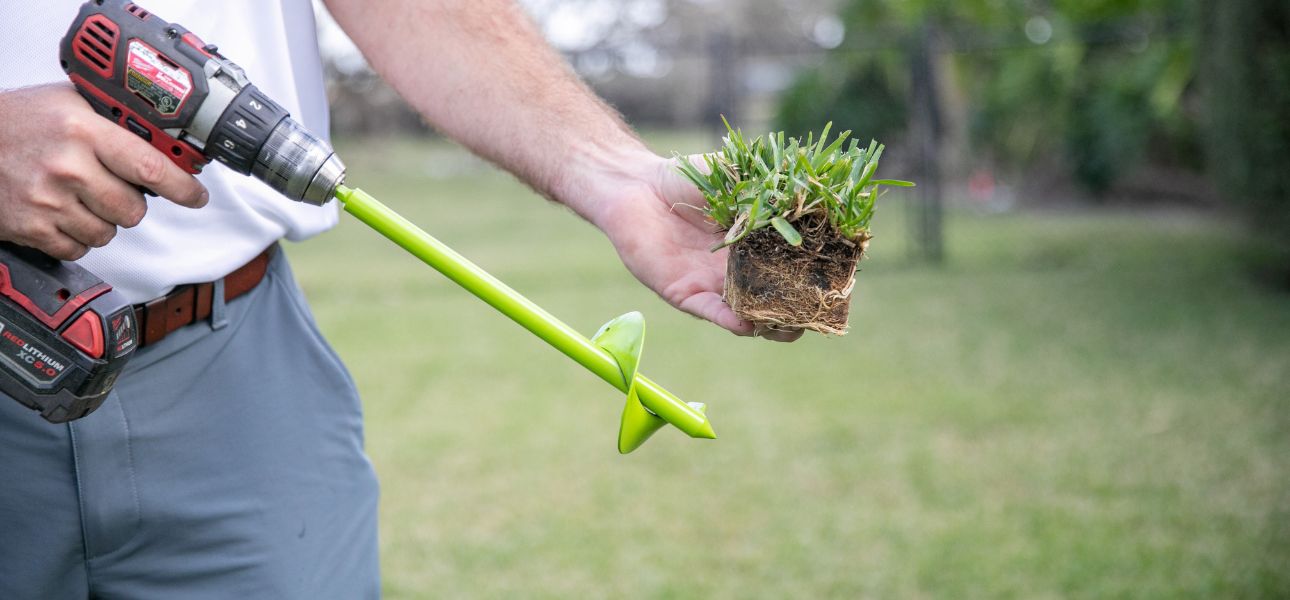
Space grass plugs about 6 to 12 inches apart. Closer spacing helps plugs fill in faster. Place plugs evenly in rows or a grid pattern. This arrangement allows roots to spread without crowding. Avoid planting too close, which can cause competition for nutrients.
Depth And Coverage
Plant each grass plug so the soil covers the roots completely. The top of the plug should be level with the ground surface. Planting too deep can suffocate the roots. Too shallow leaves roots exposed and dry. Firm the soil gently around each plug to remove air pockets.
Watering Right After Planting
Water the plugs immediately after planting to settle the soil. Keep the soil moist but not soaked. Water daily for the first two weeks to encourage root growth. Adjust watering based on weather and soil type. Proper moisture helps plugs establish quickly and reduces stress.
Watering And Maintenance
Proper watering and maintenance are crucial for healthy grass plugs in Florida. These young plants need steady care to grow strong roots. Watering correctly helps the grass establish quickly. Maintenance keeps the lawn lush and green over time.
Irrigation Schedules
Water grass plugs daily for the first two weeks. Keep the soil moist but not soggy. After two weeks, water every other day. Reduce watering as grass plugs start growing roots. In hot weather, increase watering frequency slightly. Early morning watering reduces water loss from evaporation. Avoid evening watering to prevent fungal diseases.
Avoiding Overwatering
Too much water can drown grass roots. Signs of overwatering include yellowing leaves and soggy soil. Check soil moisture before watering again. Allow soil to dry slightly between waterings. Use well-draining soil to prevent water buildup. Overwatering invites pests and fungus. Balanced watering promotes healthy root development and strong grass plugs.
Fertilizing Tips
Use a slow-release fertilizer designed for Florida lawns. Apply fertilizer four to six weeks after planting plugs. Avoid fertilizing too early to prevent root burn. Follow label instructions for proper dosage. Choose fertilizers rich in nitrogen for green growth. Water the lawn after fertilizing to help nutrients soak in. Regular feeding boosts grass strength and color.
Weed And Pest Control
Controlling weeds and pests is vital when planting grass plugs in Florida. Weeds compete for nutrients, water, and sunlight. Pests damage young grass, slowing growth or killing plugs. Proper weed and pest management ensures healthy lawn establishment and growth.
Safe Herbicide Use
Choose herbicides that are safe for your grass type. Read labels carefully before application. Apply herbicides before planting plugs or after plugs are well established. Avoid herbicides that contain ingredients harmful to young grass. Follow all instructions for timing and dosage to protect your lawn.
Common Lawn Pests
Grubs, chinch bugs, and sod webworms often attack Florida lawns. These insects feed on roots or blades, causing brown patches and thinning grass. Ants and mole crickets also disturb soil and damage plugs. Early detection helps prevent widespread damage to new grass plugs.
Natural Control Methods
Encourage beneficial insects like ladybugs and predatory beetles. Handpick larger pests or use barriers to protect plugs. Apply neem oil or insecticidal soap for gentle pest control. Maintain lawn health with proper watering and mowing to reduce pest problems naturally.
Timing Considerations
Timing plays a crucial role in successfully planting grass plugs in Florida. The state’s climate presents unique challenges that affect plug growth and survival. Understanding local frost dates, temperature shifts, heat stress, and rainfall is key. Proper timing helps the plugs establish strong roots and thrive through seasonal changes.
Planning your planting schedule around these factors increases the chances of a healthy lawn. Each element influences how fast the grass grows and how well it adapts. Below are important timing considerations to guide your planting efforts.
Frost Dates And Temperature
Florida’s frost dates vary by region and year. Planting grass plugs too close to frost can damage young shoots. Warm-season grasses like Bermuda and St. Augustine thrive best after the last frost date. This ensures soil temperatures stay above 65°F, ideal for root growth. Cool-season grasses need cooler temperatures but still must avoid frost damage. Checking local frost predictions helps you pick the safest planting window.
Heat Stress Management
Florida summers bring intense heat that stresses new grass plugs. High temperatures can dry out plugs before roots establish. Planting too early in the season risks heat stress and slow growth. Choose cooler spring or fall periods to reduce heat impact. Water plugs regularly and mulch to keep soil moisture steady. Managing heat stress improves plug survival and root development.
Adjusting For Rainfall Patterns
Rainfall in Florida is seasonal and varies across the state. Planting during dry spells requires extra watering to keep plugs moist. Too much rain can cause waterlogging and root rot. Monitor weather forecasts and adjust watering routines accordingly. Planting before the rainy season can reduce the need for manual watering. Balancing rainfall helps grass plugs settle into the soil safely and grow strong.

Credit: trysodpods.com
Troubleshooting Common Issues
Troubleshooting common problems after planting grass plugs helps keep your lawn healthy. Early detection and quick action improve plug success. Many issues arise from environment or care mistakes. Understanding common problems saves time and effort.
Plug Failure Reasons
Poor soil preparation often causes plug failure. Soil that is compacted or lacks nutrients stops root growth. Not watering enough kills young plugs quickly. Planting plugs too deep or too shallow also harms them. Using the wrong grass type for Florida’s climate can cause failure. Watch for pests and diseases that damage plugs early. Always follow planting guidelines for best results.
Dealing With Dry Spots
Dry spots appear when plugs do not get enough water. Florida’s heat can dry soil fast. Water plugs deeply but gently to keep soil moist. Use a sprinkler early morning or late evening to reduce evaporation. Mulching around plugs helps keep moisture in soil. Avoid watering too much or waterlogging, which causes root rot. Check irrigation systems often for blockages or leaks.
Handling Patchy Growth
Patchy growth happens if plugs do not spread evenly. Uneven sunlight or soil quality causes slow growth in some areas. Fertilize the lawn lightly to boost growth evenly. Remove weeds that compete for nutrients and water. Reseed or replant in bare patches soon after spotting them. Aerate soil to improve root penetration and air flow. Patience is key; some grasses take time to fill in.
Credit: trysodpods.com
Frequently Asked Questions
How To Prepare Ground For Grass Plugs?
Clear the area of debris and weeds. Loosen soil to 4-6 inches deep. Level the ground and water it lightly. This creates a moist, firm base for grass plugs to root effectively.
When Should You Plant Grass Plugs?
Plant grass plugs in spring for best root growth before heat or cold. Fall works if roots establish before frost. Warm-season grasses suit warmer temps; cool-season grasses prefer moderate conditions. Avoid summer planting unless you can water frequently.
Do Grass Plugs Work In Florida?
Grass plugs work well in Florida, especially for warm-season grasses like Bermuda and St. Augustine. Plant in spring or fall for best growth. Water regularly and prepare soil properly to ensure strong root establishment and healthy lawns.
How To Plant Grass Plugs In Florida?
Plant grass plugs in Florida during spring or early fall for best root growth. Prepare soil, space plugs evenly, water daily, and avoid frost periods.
Conclusion
Plant grass plugs in Florida during spring for best growth results. Spring’s warm weather helps roots develop well before summer heat arrives. Fall works too, but plant early to avoid frost damage. Keep soil moist and watch for weeds to protect young plugs.
Choose grass type carefully to match Florida’s climate. Proper timing and care make your lawn healthy and green. Start planting at the right time for a lush, thriving yard. Simple steps lead to great grass growth in Florida’s unique weather.